 WhatsApp Us (24/7)
 +91 926 888 0303 (24/7)


To Book an Appointment
Call Us+91 926 888 0303Anaesthesia and Preoperative Fasting: Why It’s So Important Before Surgery
By Dr. Manish Rai in Anaesthesia
Oct 29 , 2025 | 2 min read
3

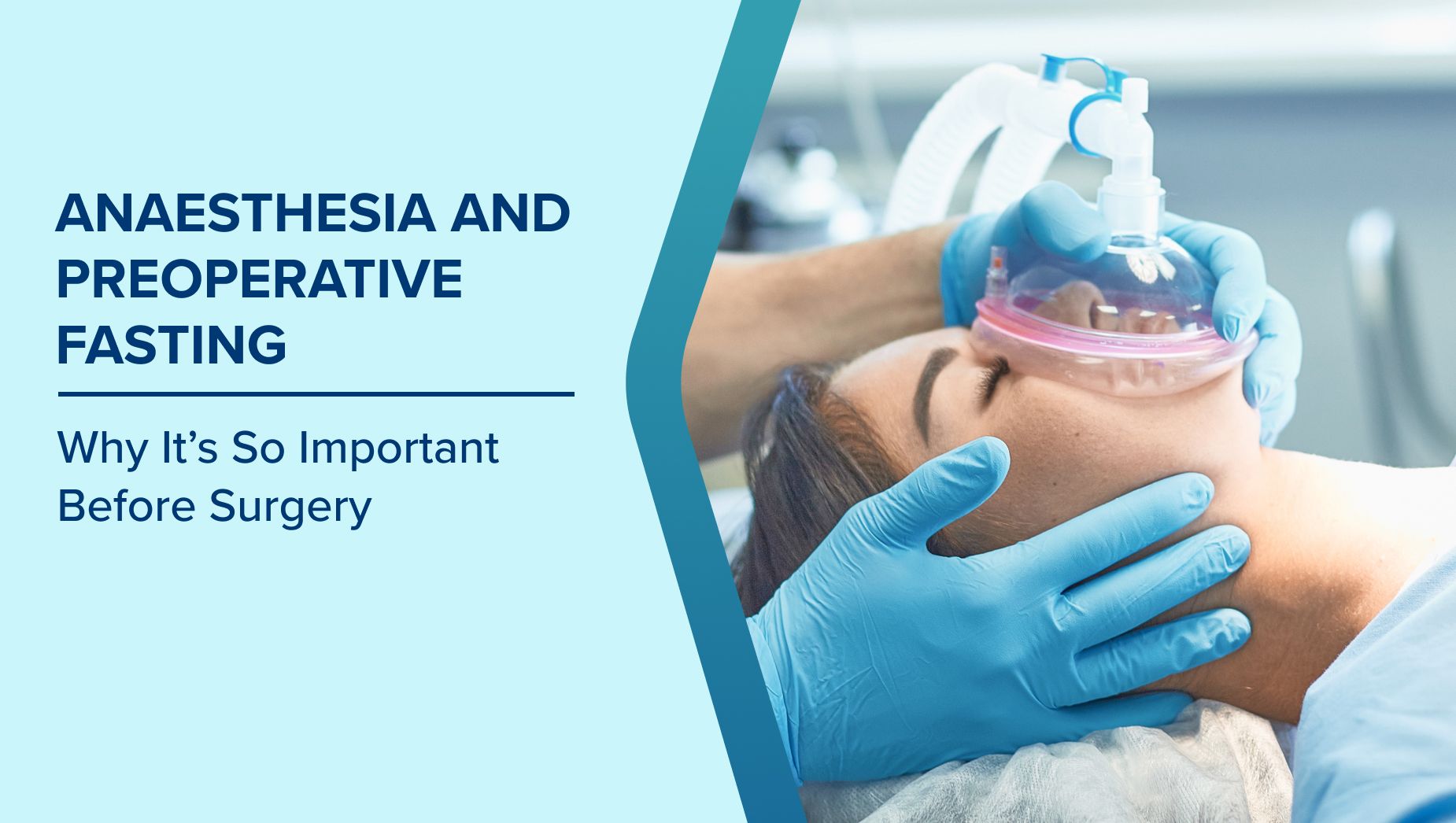
Every day, thousands of people across the world undergo surgeries and diagnostic procedures requiring sedation or anaesthesia. If you or a loved one is preparing for surgery, you’ve probably been advised not to eat or drink for a specific time beforehand.
This is known as preoperative fasting, and while it may seem inconvenient, it plays a crucial role in keeping you safe during anaesthesia.
Why Do You Need to Fast Before Anaesthesia?
When you are under anaesthesia, your body’s protective reflexes, like coughing or swallowing, are temporarily suppressed. This increases the risk that stomach contents could move up the oesophagus and enter the lungs, a process called aspiration.
Even small volumes (as little as 30–40 ml) of gastric contents can lead to severe complications, including:
- Airway obstruction
- Chemical burns in the lungs
- Aspiration pneumonia
By fasting, you reduce the volume and acidity of stomach contents, which greatly lowers the risk of these life-threatening events.
Preoperative Fasting Guidelines: What You Can Eat and Drink
Fasting times before surgery can vary depending on your age, medical condition, and the type of procedure. However, general international guidelines recommend the following:
- Clear fluids: You can have water, clear fruit juice without pulp, or black coffee and tea (without milk) up to 2 hours before anaesthesia.
- Breast milk: For infants, breastfeeding can continue up to 4 hours before surgery.
- Formula or non-human milk: Infant formula or cow’s milk should be stopped 6 hours before surgery.
- Light meals or solids: Foods like toast, cereal, or fruit should be eaten at least 6 hours before the procedure.
- Heavy or fatty meals: Rich, oily, or fried foods, including meat, should be avoided for at least 8 hours before surgery.
Drinking clear fluids until two hours before surgery is usually encouraged, as it helps prevent dehydration and supports a smoother recovery.
Special Considerations
Certain medical conditions may affect how long you should fast. Your anaesthesiologist will provide personalised instructions if you have:
- Obesity
- Gastro-oesophageal reflux disease (GERD)
- Pyloric stenosis
- Head injury
- Renal (kidney) failure
- Sepsis
- Diabetes
- Pregnancy
These patients may require longer fasting times or additional precautions before anaesthesia.
What About Medications?
If you take regular medications, do not stop them without consulting your doctor. In most cases, you can take your essential morning medicines with a small sip of water up to 2 hours before surgery, unless specifically told otherwise.
Your anaesthesiologist will review all your medications and advise you on which to continue, pause, or adjust.
Conclusion
Preoperative fasting is not just a hospital rule, it’s a vital safety measure. By following your fasting instructions carefully, you help minimise complications and allow your healthcare team to provide the safest possible care.
If you have any questions about what you can eat or drink before surgery, always speak directly with your anaesthesiologist or surgeon. They are there to guide you through every step of the process.
Written and Verified by:

Related Blogs


Dr. Sharda Tiwari In Anaesthesia
Nov 08 , 2020 | 4 min read
Blogs by Doctor

Know your Anaesthesiologist, The Doctor Behind Your Surgical Hero
Nov 08 , 2020 | 2 min read

Consider day care surgery as default for all elective surgery - ask why not? rather than why?
Nov 08 , 2020 | 3 min read
Most read Blogs


Related Blogs
Dr. Sharda Tiwari In Anaesthesia
Nov 08 , 2020 | 4 min read
Blogs by Doctor
Know your Anaesthesiologist, The Doctor Behind Your Surgical Hero
Nov 08 , 2020 | 2 min read
Consider day care surgery as default for all elective surgery - ask why not? rather than why?
Nov 08 , 2020 | 3 min read
Most read Blogs