 WhatsApp Us (24/7)
 +91 926 888 0303 (24/7)


To Book an Appointment
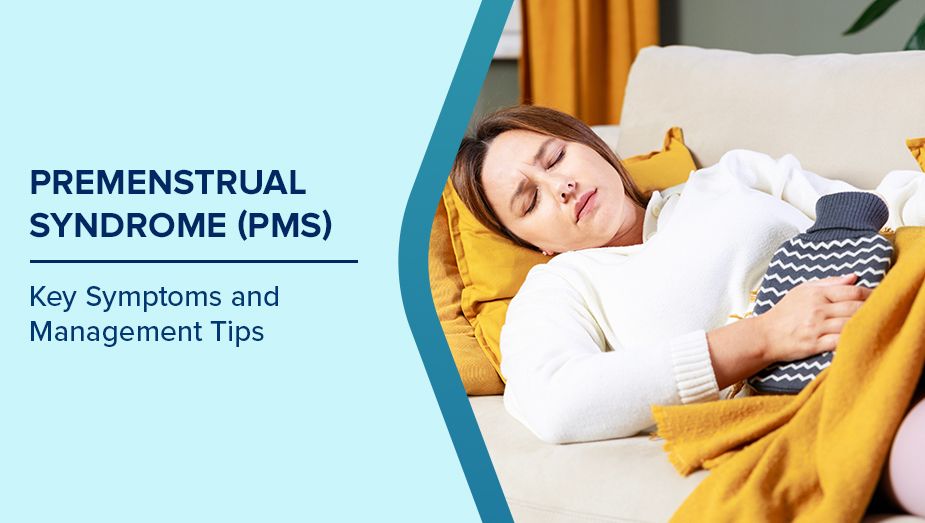
Call Us+91 926 888 0303Premenstrual Syndrome (PMS): Key Symptoms and Management Tips
By Dr. Bithika Bhattacharya in Obstetrics And Gynaecology
Aug 04 , 2025 | 11 min read

In the days before their period, many women notice changes that are difficult to explain - mood swings, sudden cravings, bloating, or a general sense of unease often appear without warning. These symptoms can feel frustrating, especially when they start impacting daily life. In many cases, they are linked to premenstrual syndrome (PMS), a condition that affects both the body and mind in the second half of the menstrual cycle. This blog explores the key signs of PMS and offers simple, effective ways to manage them at home.
What is Premenstrual Syndrome (PMS)?
Premenstrual syndrome refers to a group of physical, emotional, and behavioural symptoms that occur in the days leading up to a period. These symptoms usually appear during the second half of the menstrual cycle, after ovulation, and often ease once the period begins. PMS is believed to be linked to the natural hormonal changes that take place during this phase, particularly shifts in oestrogen and progesterone levels.
PMS affects each person differently. For some, the symptoms are mild and barely noticeable. For others, they may be more pronounced and interfere with daily activities, relationships, or general wellbeing. The severity and type of symptoms can also vary from cycle to cycle. Although PMS is common, it is not something that has to be endured in silence. With the right awareness and approach, its effects can often be recognised and managed effectively.
What Causes PMS?
The exact cause of PMS is not fully known, but it is mainly linked to hormonal changes during the menstrual cycle. After ovulation, levels of oestrogen and progesterone rise and then drop sharply if pregnancy does not occur. This shift can affect certain brain chemicals, such as serotonin, which influence mood, sleep, and appetite. As a result, emotional and physical symptoms associated with PMS may appear in the days before a period begins.
Other factors can also make PMS symptoms more noticeable. These may include high stress levels, poor sleep, lack of exercise, and a diet low in essential nutrients. Some people may also be more sensitive to these hormonal changes than others, which could explain why PMS varies so widely from person to person.
What Symptoms are Associated with PMS?
PMS can affect both the body and mind in ways that often go beyond general discomfort. The symptoms usually appear after ovulation and continue until the period begins. They vary in type, intensity, and duration, even in the same individual from one cycle to another. These symptoms are commonly grouped into two broad categories:.
Emotional and Behavioural Symptom
PMS can influence how a person feels, reacts, and relates to others. These emotional and behavioural changes are often the most disruptive and may affect social life, work performance, and general wellbeing.
- Irritability: Feeling more easily annoyed or upset than usual. Small issues that might normally be ignored may trigger strong reactions.
- Mood swings: Shifts in emotions that may feel sudden or hard to control. A person may feel cheerful one moment and tearful or angry the next.
- Low mood or sadness: A general sense of feeling down, emotionally flat, or unusually pessimistic, sometimes without a clear reason.
- Anxiety or restlessness: A sense of nervous energy, unease, or racing thoughts that can make it hard to relax.
- Crying spells: Becoming tearful more often or reacting emotionally to things that wouldn’t normally feel upsetting.
- Loss of interest or motivation: Reduced desire to engage in regular activities, social events, or responsibilities.
- Difficulty concentrating: Trouble staying focused at work or school, forgetfulness, or mental fog.
- Sleep disturbances: Trouble falling asleep, waking up often during the night, or sleeping for longer than usual but still feeling tired.
- Changes in appetite: Cravings for specific foods, especially sweets, carbohydrates, or salty snacks, or feeling hungrier than usual. Some may experience a reduced appetite instead.
Physical Symptoms
These symptoms affect the body and may be mild or more pronounced. They can interfere with comfort, mobility, and overall physical health during the premenstrual phase.
- Bloating: A swollen or heavy feeling in the abdomen, often due to fluid retention or digestive changes.
- Breast tenderness or swelling: Increased sensitivity or discomfort in the breasts, which may feel sore or full.
- Cramps: Mild to moderate lower abdominal pain that may start before the period, caused by muscle contractions in the uterus.
- Headaches or migraines: Some may experience dull headaches, while others may have more severe migraine-like symptoms.
- Fatigue: Feeling unusually tired, even with enough rest, and lacking the energy to carry out routine tasks.
- Joint or muscle aches: Generalised pain or stiffness that may not be linked to any specific activity
- Temporary weight gain: Often caused by water retention, not actual fat gain, and usually resolves once the period starts.
- Skin problems: Breakouts, oily skin, or other changes that may resemble acne, often linked to hormonal shifts.
- Digestive issues: Some may notice constipation, diarrhoea, gas, or a change in bowel patterns before their period.
The presence of these symptoms alone doesn’t confirm PMS, but when they appear regularly in the second half of the menstrual cycle and improve once the period begins, they are often part of it.
How to Manage PMS Symptoms at Home?
PMS symptoms can often be eased with a few consistent changes to daily habits. Making small adjustments to lifestyle, diet, and activity levels may not remove symptoms entirely, but they can make them more manageable and less disruptive to daily routine. Here are some approaches that may help:
1. Stay Physically Active
Regular movement supports both emotional and physical wellbeing. It improves blood circulation, relaxes tense muscles, and encourages the release of endorphins—natural chemicals that help reduce pain and lift mood. Even light activity can make a difference. Helpful options include:
- Walking or gentle jogging
- Cycling or swimming
- Yoga or stretching exercises
Staying active also improves sleep quality and reduces fatigue, which can feel worse during PMS.
2. Eat Balanced Meals
Diet influences how the body responds to hormonal changes during the premenstrual phase. Meals that support digestion and energy levels can help reduce symptoms such as bloating, cravings, and mood swings. Aim to:
- Include whole grains, fresh fruits, vegetables, legumes, and lean proteins
- Choose fibre-rich foods to support digestion
- Limit salty snacks, fried or processed foods, and sugary treats
- Reduce caffeine intake, especially in the second half of the cycle
- Drink enough water to stay hydrated and ease bloating
Eating smaller, more frequent meals may also help prevent sudden changes in mood or energy.
3. Prioritise Quality Sleep
Lack of rest can make symptoms like tiredness, low mood, and poor focus feel more intense. Getting enough sleep allows the body to recover and better manage hormonal changes. To improve sleep quality:
- Maintain a consistent sleep schedule
- Keep the bedroom cool, quiet, and dark
- Avoid caffeine in the evening
- Limit screen time before bedtime
Even small changes in night-time habits can lead to better rest and more emotional stability.
4. Manage Everyday Stress
PMS can heighten emotional sensitivity, and stress may worsen symptoms like irritability or anxiety. Simple stress-relief activities can help ease mental tension and improve how the body responds to changes during the menstrual cycle. These may include:
- Deep breathing or guided relaxation
- Quiet time outdoors or exposure to natural light
- Hobbies like drawing, reading, or listening to calming music
- Taking short breaks during busy or tiring days
Building these habits into daily life may help reduce emotional strain before a period.
5. Use Heat Therapy for Cramps and Aches
Many people experience cramps or general muscle aches before their period. Heat can help relax the muscles and reduce discomfort. Some useful methods include:
- Placing a warm water bottle or heating pad on the lower abdomen
- Taking a warm bath to ease back pain and body tension
- Using light massage on areas that feel sore or tight
This approach is most helpful in the days leading up to menstruation, when cramps are most likely to begin.
6. Track Symptoms Across Cycles
Keeping a simple record of PMS symptoms over time can provide helpful insights. It allows patterns to become clearer and helps in understanding which strategies work best. A symptom tracker or journal may include:
- The type and timing of symptoms
- Duration and intensity of each symptom
- Lifestyle habits followed during that cycle
- Notes on any changes, improvements, or worsening signs
This information is also useful when speaking to a doctor, especially if symptoms begin to affect daily life.
What Medical Treatments are Available for Treating PMS Symptoms?
When PMS symptoms continue to affect daily life despite home remedies or lifestyle changes, medical treatment may be recommended. The approach usually depends on the type and severity of symptoms, and it may involve one or more of the following options:
- Hormonal treatment: Hormonal contraceptives, such as birth control pills, patches, or hormonal IUDs, may help reduce PMS symptoms by preventing ovulation and keeping hormone levels more stable throughout the cycle. This can lessen mood swings, cramps, and breast tenderness in some people.
- Antidepressants: For those who experience strong emotional symptoms, especially mood swings, irritability, or low mood, certain antidepressants may be prescribed. These medications can help balance brain chemicals affected by hormonal changes. They are sometimes taken only during the second half of the cycle, depending on the pattern of symptoms.
- Pain relief medication: Over-the-counter painkillers like paracetamol or non-steroidal anti-inflammatory drugs (NSAIDs) may be used to relieve cramps, headaches, and joint or muscle pain. In more severe cases, a doctor may suggest stronger medication for short-term use.
- Diuretics (water tablets): If bloating or fluid retention becomes difficult to manage, a doctor may recommend diuretics to help the body remove excess water. These are usually prescribed only when other measures have not helped.
- Cognitive behavioural therapy (CBT): This structured form of therapy focuses on recognising and managing negative thought patterns and behaviours. It may be useful for those who struggle with emotional symptoms or feel overwhelmed during the premenstrual phase.
Medical treatment is usually suggested only after a full review of symptoms, cycle history, and response to other methods. A gynaecologist can help decide which approach is most appropriate and monitor progress over time.
When Should PMS be a Concern?
PMS is usually manageable and mild, but it should be taken seriously if symptoms begin to affect daily life. Emotional changes such as intense mood swings, persistent sadness, or feelings of anger that disrupt work, relationships, or sleep may point to a more severe form of PMS. In some cases, these may be signs of premenstrual dysphoric disorder (PMDD), a condition that causes more extreme emotional and physical symptoms than PMS.
Physical symptoms should also not be ignored if they are unusually strong, continue beyond the start of the period, or change suddenly from one cycle to the next. It is best to speak with a doctor if:
- PMS symptoms feel increasingly difficult to manage
- Emotional changes are affecting mental health or daily functioning
- Physical discomfort becomes unusually intense or long-lasting
- There's a sudden shift in the usual symptom pattern
- Home remedies no longer offer relief
Tracking symptoms for a few cycles may help provide clarity during the medical visit. Getting the right support early can help manage symptoms more effectively and rule out other concerns.
Consult Today
If PMS symptoms begin to feel like more than just a passing phase and start affecting your sleep, emotional wellbeing, or ability to get through the day, it may be time to seek professional support. At Max Hospital, our gynaecologists are here to listen, assess your symptoms, and recommend personalised ways to manage them. If you are unsure whether your symptoms are typical or something more, a consultation can provide the clarity and direction you need.
Frequently Asked Questions
Can PMS symptoms change as a person gets older?
Yes, PMS symptoms can shift with age. Some people experience more noticeable symptoms in their 30s and 40s, especially as hormonal patterns begin to change in the years leading up to menopause. These changes may include stronger mood swings, heavier bloating, or increased breast tenderness. Tracking symptoms across cycles can help detect any changes early and guide discussions with a gynaecologist.
Does hormonal birth control have any effect on PMS?
Hormonal birth control can sometimes reduce PMS symptoms by preventing ovulation and stabilising hormone levels throughout the cycle. In some cases, it may also change the pattern of symptoms or cause side effects of its own. The response to birth control varies from person to person, so it’s best to discuss options with a doctor who can recommend the most suitable method based on individual needs.
Is it possible to experience PMS after menopause?
No, PMS only occurs in people who are still ovulating. Once menopause is reached and periods stop, PMS symptoms should no longer appear. However, the hormonal changes that occur during menopause may cause symptoms that feel similar to PMS, such as mood changes or disrupted sleep, though these are related to a different phase of hormonal transition.
How is PMS different from PMDD?
PMS and PMDD both involve physical and emotional symptoms in the days before a period, but PMDD (premenstrual dysphoric disorder) is more severe. It causes intense mood changes, such as extreme irritability, sadness, or tension, and can significantly interfere with daily functioning. PMDD usually requires medical treatment and ongoing support.
Can PMS cause digestive issues or changes in appetite?
Yes, many people notice digestive symptoms like bloating, constipation, or even loose stools in the days before their period. Appetite changes are also common and may include cravings for salty or sugary foods, or feeling hungrier than usual. These symptoms are linked to hormonal shifts that affect digestion and metabolism during the premenstrual phase.
Are there medical treatments available if lifestyle changes don’t work?
If PMS symptoms continue to disrupt everyday life despite home-based strategies, medical treatment may be considered. Options can include hormonal therapy, non-hormonal medication, or treatments that target specific symptoms such as mood or pain. A gynaecologist will usually recommend a detailed assessment before suggesting the next step.
Can PMS-like symptoms sometimes point to another health condition?
Yes, symptoms that resemble PMS can occasionally be linked to other conditions, such as thyroid disorders, endometriosis, or mood-related conditions like depression or anxiety. If the timing, intensity, or nature of symptoms changes suddenly, or if they appear outside the typical premenstrual window, it is worth seeking a medical opinion.
Does PMS affect the ability to conceive?
PMS itself does not impact fertility. It occurs during regular menstrual cycles and is not a sign of fertility problems. However, if the symptoms are caused by another condition like polycystic ovary syndrome (PCOS) or endometriosis, then fertility may be affected. In such cases, early diagnosis and treatment can help support future reproductive plans.
Written and Verified by:

Related Blogs

Dr. Manju Khemani In Obstetrics And Gynaecology
Oct 27 , 2020 | 3 min read

Dr. Neera Aggarwal In Obstetrics And Gynaecology , Nutrition And Dietetics
Nov 07 , 2020 | 7 min read
Blogs by Doctor
Vulvodynia: Symptoms, Causes, & Chronic Vulvar Pain Management
Dr. Bithika Bhattacharya In Obstetrics And Gynaecology , Gynaecologic Laparoscopy
Aug 27 , 2025 | 4 min read
Most read Blogs

Related Blogs
Dr. Manju Khemani In Obstetrics And Gynaecology
Oct 27 , 2020 | 3 min read
Dr. Neera Aggarwal In Obstetrics And Gynaecology , Nutrition And Dietetics
Nov 07 , 2020 | 7 min read
Blogs by Doctor
Vulvodynia: Symptoms, Causes, & Chronic Vulvar Pain Management
Dr. Bithika Bhattacharya In Obstetrics And Gynaecology , Gynaecologic Laparoscopy
Aug 27 , 2025 | 4 min read
Most read Blogs