 WhatsApp Us (24/7)
 +91 926 888 0303 (24/7)


To Book an Appointment
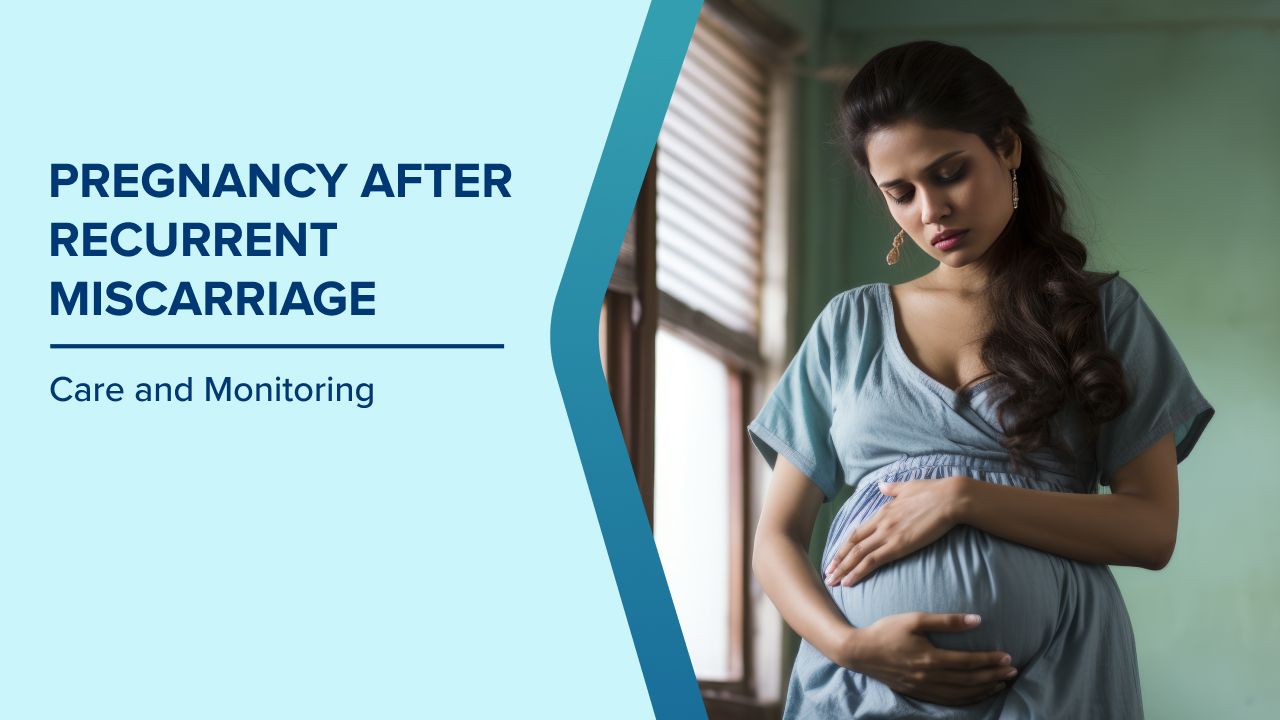
Call Us+91 926 888 0303Pregnancy After Recurrent Miscarriage: Care and Monitoring
By Dr Kanika Agarwal in Obstetrics And Gynaecology
Apr 15 , 2026

Experiencing a miscarriage is deeply personal and often overwhelming. When it happens more than once, the emotional and physical impact can feel even heavier. For many couples, the journey towards pregnancy after recurrent miscarriages is filled with hope, uncertainty, and many questions.
Moving forward does not mean forgetting the past. It means taking informed steps with the right support and care. Understanding how to manage a pregnancy after previous losses can help build confidence and create a more stable path ahead.
Understanding the Emotional Landscape
Pregnancy after recurrent miscarriage often brings mixed emotions. Alongside excitement, there may be anxiety, fear, and constant worry about what could go wrong.
These feelings are completely natural. Each milestone in pregnancy may feel different, and reassurance may be needed more often than usual.
Common Emotional Experiences
- Fear of another loss
- Difficulty feeling fully reassured
- Over-analysing physical symptoms
- Hesitation in sharing the news
Recognising these emotions is the first step in managing them effectively.
Preparing for Pregnancy After Recurrent Miscarriages
Before conceiving again, many couples choose to take a more structured approach.
Important Preparations
- Reviewing the previous pregnancy history with a doctor
- Addressing underlying health conditions, if present
- Planning a tailored care approach for the next pregnancy
- Focusing on overall physical and emotional well-being
Preparation helps create a sense of control and readiness.
Early Pregnancy Care and Monitoring
Once pregnancy is confirmed, early care becomes especially important.
What Early Care May Involve
- Regular check-ups for reassurance
- Monitoring symptoms closely
- Adjustments in lifestyle based on medical advice
- Clear communication with healthcare providers
Frequent interaction with your care team can help reduce uncertainty.
Recognising What Is Normal and What Is Not
After previous losses, it is common to feel concerned about every physical change.
Normal Early Pregnancy Experiences
- Mild discomfort in the lower abdomen
- Occasional fatigue
- Changes in appetite
When to Seek Medical Advice
- Persistent or severe pain
- Unusual bleeding
- Sudden changes in symptoms
Knowing the difference can help reduce unnecessary anxiety.
Building a Support System
Support plays a vital role in managing pregnancy after recurrent miscarriage.
Sources of Support
- Partner or family members
- Healthcare professionals
- Counselling or emotional support groups
Having someone to talk to can make the experience less overwhelming.
Lifestyle Choices That Support a Healthy Pregnancy
Simple lifestyle changes can contribute to overall well-being during pregnancy.
Practical Healthy Pregnancy Tips
- Maintain a balanced and nutritious diet
- Stay physically active as advised
- Ensure adequate rest and sleep
- Avoid stress triggers where possible
Consistency in these habits supports both physical and emotional health.
Managing Anxiety During Pregnancy
Anxiety is one of the most common challenges in such pregnancies.
Ways to Manage Anxiety
- Focus on one stage at a time rather than the entire journey
- Limit exposure to stressful information
- Practice relaxation techniques
- Maintain open communication with your doctor
Managing anxiety is not about eliminating fear but learning how to handle it.
The Importance of Personalised Care
Every pregnancy after a miscarriage is unique. There is no single approach that works for everyone.
Doctors consider several factors:
- Previous pregnancy history
- Current health condition
- Individual risk factors
- Emotional well-being
This helps in creating a care plan that suits your specific needs.
Taking One Step at a Time
It is easy to think too far ahead, especially after previous experiences. However, focusing on small milestones can make the journey more manageable.
Each week of pregnancy brings progress. Celebrating these small steps can help shift the focus from fear to hope.
A Balanced Perspective on Hope and Caution
Hope is an important part of this journey, but it is often accompanied by caution. Finding a balance between the two is key.
Allow yourself to feel hopeful while staying mindful. This balanced mindset can help you navigate the experience with more confidence.
Conclusion
Managing pregnancy after recurrent miscarriages requires both emotional strength and practical care. While the journey may feel uncertain, the right support, early monitoring, and informed decisions can make a meaningful difference.
Every pregnancy is different, and past experiences do not define future outcomes. With the right approach, it is possible to move forward with confidence, one step at a time.
Frequently Asked Questions
Can stress alone lead to another miscarriage?
Stress by itself is not usually a direct cause, but managing stress is important for overall well-being during pregnancy.
Is it safe to travel during early pregnancy after previous losses?
Travel may be possible depending on individual health conditions. It is best to consult your doctor before planning.
Should physical activity be completely avoided?
Not necessarily. Light to moderate activity is often recommended, but it should be guided by medical advice.
Can previous miscarriages affect future pregnancy timelines?
In some cases, additional monitoring or care planning may influence how the pregnancy is managed.
Is it normal to feel disconnected from the pregnancy initially?
Yes, emotional hesitation is common after previous losses and usually improves with time and reassurance.
Written and Verified by:

Related Blogs

Dr. Manju Khemani In Obstetrics And Gynaecology
Oct 27 , 2020 | 3 min read

Dr. Neera Aggarwal In Obstetrics And Gynaecology , Nutrition And Dietetics
Nov 07 , 2020 | 7 min read
Blogs by Doctor

High-Risk Pregnancy: Complications & Care
Dr Kanika Agarwal In Obstetrics And Gynaecology
May 12 , 2017 | 3 min read

Most read Blogs

Related Blogs
Dr. Manju Khemani In Obstetrics And Gynaecology
Oct 27 , 2020 | 3 min read
Dr. Neera Aggarwal In Obstetrics And Gynaecology , Nutrition And Dietetics
Nov 07 , 2020 | 7 min read
Blogs by Doctor
High-Risk Pregnancy: Complications & Care
Dr Kanika Agarwal In Obstetrics And Gynaecology
May 12 , 2017 | 3 min read
Most read Blogs