 WhatsApp Us (24/7)
 +91 926 888 0303 (24/7)


To Book an Appointment
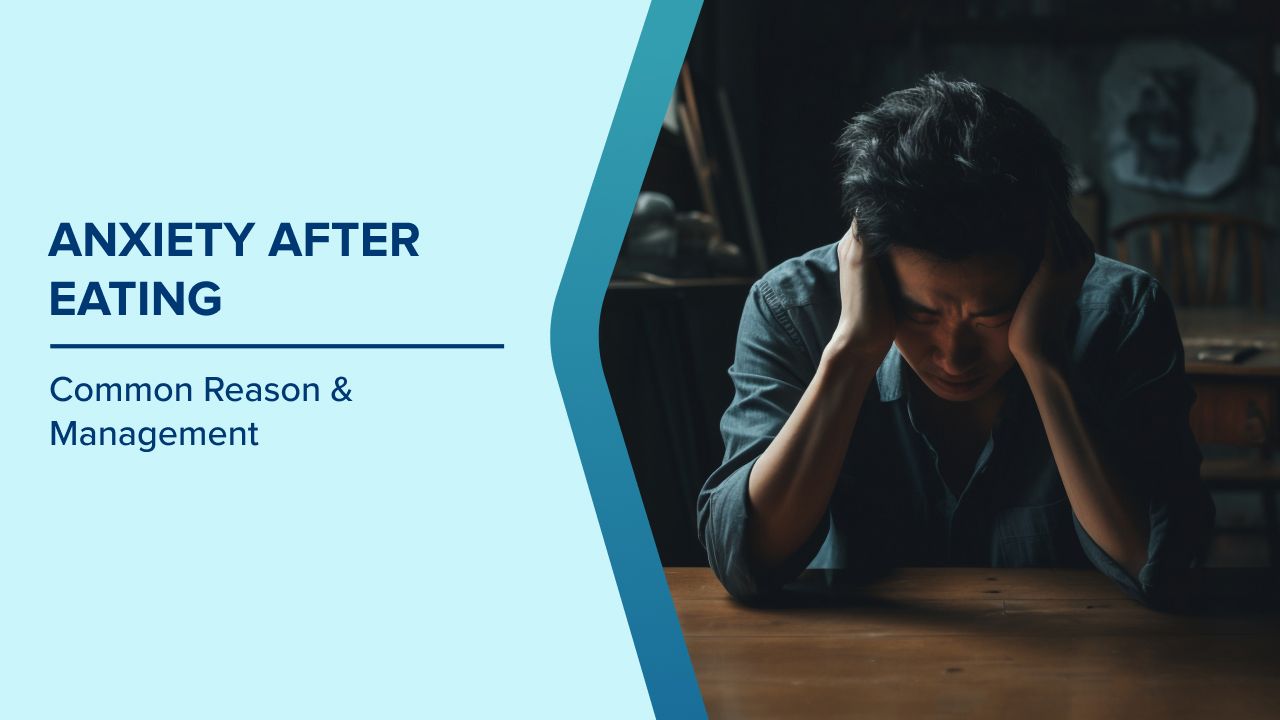
Call Us+91 926 888 0303Anxiety After Eating: Common Reason & Management
By Dr. Lovkesh Anand in Gastroenterology, Hepatology & Endoscopy
May 07 , 2026
2

Feeling anxious after a meal is something many people experience but rarely talk about. It may begin as a sense of unease, restlessness, or a sudden drop in comfort without a clear reason. While it is often brushed off as stress or overthinking, there may be a deeper explanation.
The connection between the gut and the brain plays a significant role in how the body reacts after eating. For some individuals, this connection becomes more sensitive, leading to noticeable emotional or physical changes after meals. Understanding why this happens can help you recognise patterns and manage them more effectively.
What Happens in the Body After You Eat
After eating, the body shifts into a state focused on digestion. Blood flow increases to the digestive system, hormones are released, and the nervous system adjusts accordingly.
This process involves:
- Activation of the parasympathetic nervous system (rest-and-digest mode)
- Release of digestive enzymes and gut hormones
- Changes in blood sugar levels
- Communication between the gut and brain
For most people, this transition feels calm and natural. However, in some cases, these internal changes can trigger sensations that feel similar to anxiety.
Read More:- Loss of Appetite: Common Causes and How to Manage It
How Your Gut Influences Anxiety After Eating
The gut and brain are closely linked through a communication network known as the gut-brain axis. This system allows signals to travel in both directions, meaning the gut can influence emotions just as the brain can influence digestion.
When this connection becomes sensitive or imbalanced, normal digestive processes may trigger:
- A racing heartbeat
- Mild breathlessness
- A feeling of unease
- Sudden irritability or nervousness
These sensations are not imagined. They are real physiological responses linked to how the body processes food and communicates internally.
Common Reasons Behind Post-Meal Anxiety
Blood Sugar Fluctuations
After eating, especially meals high in refined carbohydrates or sugar, blood sugar levels can rise quickly and then drop. This sudden fluctuation may lead to:
- Shakiness
- Irritability
- Difficulty concentrating
- Anxiety-like symptoms
The body reacts to these changes by releasing stress hormones, which can intensify anxious feelings.
Increased Gut Sensitivity
Some individuals have a more sensitive digestive system. Even normal digestion can feel uncomfortable, leading to:
- Bloating or heaviness
- Mild abdominal discomfort
- A heightened awareness of internal sensations
This physical discomfort can sometimes be misinterpreted by the brain as anxiety.
Overactivation of the Nervous System
In certain people, the nervous system may respond more strongly to digestive signals. Instead of remaining calm, it may trigger a mild “alert” response.
This can cause:
- Palpitations
- Sweating
- Restlessness
Even though there is no external threat, the body reacts as if there is one.
Food Intolerances or Sensitivities
Certain foods may not suit everyone. When the body struggles to process specific foods, it can create internal stress.
This may lead to:
- Digestive discomfort
- Inflammation
- Changes in mood or energy
Common triggers vary from person to person and may include dairy, gluten, or highly processed foods.
Hormonal and Chemical Signals
The gut produces and regulates several chemicals that influence mood. Any imbalance in these signals can affect emotional responses after eating.
For example:
- Changes in serotonin activity
- Altered gut hormone release
- Interaction with stress hormones
These internal shifts can influence how calm or anxious you feel.
Read More:- Early Signs of Anxiety: Trigger, Warning Signs & Cure
The Role of Meal Patterns and Eating Behaviour
Eating Too Quickly
When meals are rushed, the body does not get enough time to process signals properly. This can:
- Overload the digestive system
- Increase air swallowing (leading to bloating)
- Reduce satisfaction after meals
The result can be physical discomfort followed by uneasiness.
Large or Heavy Meals
Very large meals can put extra strain on digestion. The body has to work harder, which may:
- Redirect more blood flow to the gut
- Create a feeling of heaviness or fatigue
- Trigger discomfort that mimics anxiety
Irregular Eating Habits
Skipping meals or eating at inconsistent times can disturb the body’s natural rhythm. This affects:
- Blood sugar stability
- Hormonal balance
- Digestive efficiency
These disruptions may increase the likelihood of feeling uneasy after eating.
When It Is Not Just the Gut
While the gut plays a major role, emotional and psychological factors can also contribute.
Stress and Anticipation
If someone already feels stressed, the body may remain in a heightened state even during meals. This can:
- Affect digestion
- Increase sensitivity to bodily sensations
- Make minor discomfort feel more intense
Learned Associations
Over time, the brain may start linking eating with discomfort or anxiety. This creates a pattern where:
- The body anticipates a reaction
- Anxiety begins even before symptoms appear
Recognising the Pattern
Understanding your own triggers is an important step. Pay attention to:
- What you eat
- How you eat
- When symptoms occur
- The type of symptoms experienced
Keeping a simple record can help identify patterns and make adjustments more effective.
Practical Ways to Manage Post-Meal Anxiety
Eat Balanced Meals
Including a mix of protein, healthy fats, and complex carbohydrates helps maintain stable blood sugar levels.
Slow Down While Eating
Take time to chew properly and eat without distractions. This supports smoother digestion and reduces discomfort.
Avoid Overeating
Choose portion sizes that feel comfortable rather than overly filling.
Stay Hydrated
Adequate hydration supports digestion and helps regulate body functions.
Identify Personal Triggers
Notice if specific foods or combinations consistently lead to discomfort or anxiety.
Create a Calm Eating Environment
Eating in a relaxed setting can reduce stress signals and improve the body’s response to food.
Support Digestive Health
Simple habits like regular meal timings, light physical activity, and a balanced diet can help maintain gut stability.
Read More:- Obesity and Mental Health: Impact, Risks and Solutions
When Should You Seek Medical Advice
Occasional discomfort after eating is usually not a concern. However, you should consult a healthcare professional if:
- Symptoms occur frequently
- Anxiety feels intense or overwhelming
- There is significant digestive discomfort
- Daily activities are affected
A proper evaluation can help rule out underlying conditions and guide appropriate management.
Conclusion
Feeling anxious after eating is not uncommon, and it often has a physiological basis linked to the gut-brain connection. From blood sugar changes to digestive sensitivity and nervous system responses, multiple factors can contribute to this experience.
The key is recognising patterns, making small but consistent adjustments, and seeking help when needed. With the right approach, it is possible to reduce these symptoms and create a more comfortable relationship with food and your body.
FAQs
1. Can anxiety after eating happen even with healthy food?
Yes, even balanced meals can trigger symptoms in individuals with sensitive digestion or nervous system responses.
2. Is post-meal anxiety related to portion size?
In some cases, larger meals can increase discomfort and contribute to anxiety-like sensations.
3. Can dehydration make post-meal anxiety worse?
Yes, inadequate hydration can affect digestion and circulation, which may influence how the body feels after eating.
4. Does body position after eating matter?
Lying down immediately after meals may worsen discomfort. Sitting upright can support better digestion.
5. Can improving digestion reduce anxiety symptoms?
Supporting digestive health may help reduce physical triggers, which in turn can lessen anxiety after meals.
Written and Verified by:

Related Blogs

Dr. Nivedita Pandey In Gastroenterology, Hepatology & Endoscopy , Liver Transplant and Biliary Sciences
Nov 07 , 2020 | 2 min read
Dr. Nivedita Pandey In Gastroenterology, Hepatology & Endoscopy , Liver Transplant and Biliary Sciences
Nov 07 , 2020 | 2 min read
Blogs by Doctor

Reversing Liver Damage: Understanding Myths vs. Facts
Dr. Lovkesh Anand In Gastroenterology, Hepatology & Endoscopy
Nov 21 , 2024 | 3 min read

How to Keep Liver Healthy: Simple Tips for a Stronger Liver
Dr. Lovkesh Anand In Gastroenterology, Hepatology & Endoscopy
Dec 30 , 2024 | 6 min read
Most read Blogs


Related Blogs
Dr. Nivedita Pandey In Gastroenterology, Hepatology & Endoscopy , Liver Transplant and Biliary Sciences
Nov 07 , 2020 | 2 min read
Dr. Nivedita Pandey In Gastroenterology, Hepatology & Endoscopy , Liver Transplant and Biliary Sciences
Nov 07 , 2020 | 2 min read
Blogs by Doctor
Reversing Liver Damage: Understanding Myths vs. Facts
Dr. Lovkesh Anand In Gastroenterology, Hepatology & Endoscopy
Nov 21 , 2024 | 3 min read
How to Keep Liver Healthy: Simple Tips for a Stronger Liver
Dr. Lovkesh Anand In Gastroenterology, Hepatology & Endoscopy
Dec 30 , 2024 | 6 min read
Most read Blogs