 WhatsApp Us (24/7)
 +91 926 888 0303 (24/7)


To Book an Appointment
Call Us+91 926 888 0303Postpartum Depression 101: Symptoms, Causes, and Management
By Dr. Nitin A. Lal in Mental Health And Behavioural Sciences
Feb 20 , 2026

The weeks after giving birth are usually filled with joy and contentment. But for many new mothers, this period also brings emotions they didn’t expect. Instead of constant happiness, they may feel unusually sad, anxious, or detached, even in the presence of their baby. This condition, known as postpartum depression, goes beyond the brief emotional changes of the “baby blues” and can deeply affect a mother’s well-being. Understanding it is important because it not only affects the mother’s emotional and psychological well-being but also her bond with the baby. To help recognise the signs early and know when to seek help, this blog will cover the symptoms, causes, and ways to manage postpartum depression with care and support. Let’s dive in.
What is Postpartum Depression?
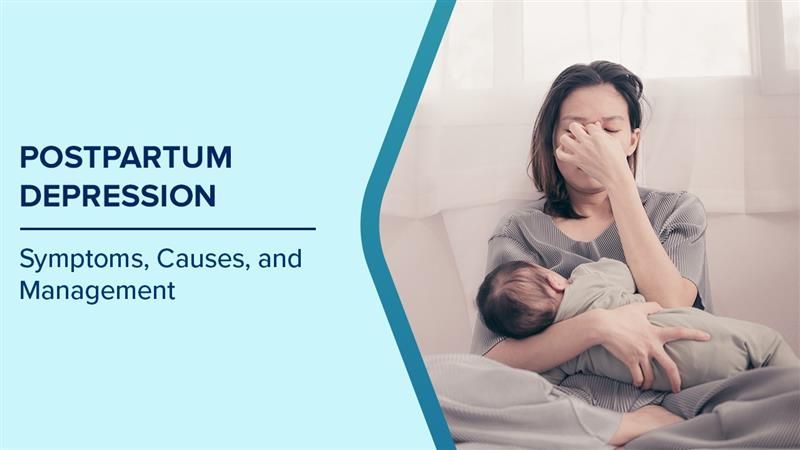
Postpartum depression, often called PPD, is a mood disorder that can develop after childbirth. It causes persistent feelings of sadness, anxiety, irritability, or emptiness that can affect a mother’s ability to enjoy daily life. Many women with PPD may struggle to bond with their baby, lose interest in activities they once enjoyed, experience changes in appetite or sleep, and feel guilt or low self-worth.
It is more common than many realise, with studies suggesting that around 1 in 7 mothers experience some form of postpartum depression. The good news is that it is treatable and manageable, and many mothers recover fully with the right support and care..
How is Postpartum Depression Different from “Baby Blues”?
Many new mothers experience emotional ups and downs after giving birth, but not all mood changes are the same. The “baby blues” are common and may usually appear within the first few days after delivery. They typically involve mood swings, tearfulness, irritability, or feeling overwhelmed, and they tend to improve on their own within about two weeks.
Postpartum depression, on the other hand, is more intense and longer-lasting. It goes beyond temporary mood changes and can interfere with a mother’s ability to function day to day, care for herself, or connect with her baby. usually,
Most commonly Post Partum Depression may develop within the first 4–6 weeks postpartum, but it may start anytime within the first year after delivery. Unlike simple baby blues (which are short lived) symptoms for PPD last longer than two weeks and may persist for months if they go untreated. It goes beyond temporary mood changes and can interfere with a mother’s ability to function day to day, care for herself, or connect with her baby. Thus, it cannot be managed without professional help, PPD requires recognition, support, and often medical or therapeutic intervention to ensure recovery and well-being for both mother and baby.
What Causes Postpartum Depression?
Postpartum depression usually develops due to a mix of physical, emotional, and environmental factors. Some of the common contributing factors include:
- Hormonal changes: After childbirth, levels of estrogen and progesterone drop rapidly. These hormonal shifts can affect brain chemistry, influencing mood and emotional stability
- Physical recovery: The body goes through major changes after delivery, including healing from childbirth, managing fatigue, and coping with pain or complications. This physical strain can make new mothers more vulnerable to stress.
- Emotional stress: Adjusting to life with a newborn can be overwhelming. Anxiety about parenting, fear of not being good enough, or struggling with the sudden change in routine can contribute to depressive feelings. Emotional stress is not only related to current emotional state but also relates to her psychological wellbeing through her pregnancy as well.
- Lack of support: Limited help from partners, family, or friends can leave mothers feeling isolated, making it harder to cope with the demands of caring for a baby.
- Major life changes or stressors: Financial pressures, moving to a new home, relationship challenges, or other significant life events around the time of childbirth can add extra emotional burden.
- Personal or family history of mental health issues: Women who have experienced depression, anxiety, or other mental health conditions, or who have a family history of such conditions, may be more susceptible to PPD.
What are the Symptoms Associated with Postpartum Depression?
Postpartum depression can affect mothers in multiple ways i.e., emotionally, mentally, and physically. Symptoms can appear gradually over weeks or months, and their intensity may vary from mild to severe. Some common signs include:
- Persistent sadness or low mood: Mothers may feel down, tearful, or emotionally numb for long periods, often without a clear reason. These feelings can linger throughout the day and make it hard to enjoy small joys, such as a smile from the baby.
- Excessive anxiety or worry: Feeling constantly on edge, tense, or worried about the baby’s health, safety, or feeding, even when everything is going well. This can also include obsessive thoughts or fears that are hard to control.
- Irritability or anger: Experiencing unusual frustration, impatience, or anger, sometimes over minor issues, which can strain relationships with partners or family members.
- Difficulty bonding with the baby: Feeling emotionally distant, detached, or disconnected from the newborn, which can make moments of closeness or care feel stressful rather than rewarding.
- Loss of interest or pleasure: Reduced motivation or interest in activities, hobbies, or social interactions that were previously enjoyable, leaving the mother feeling withdrawn or isolated.
- Changes in sleep or appetite: Trouble sleeping despite exhaustion, or sleeping excessively, as well as noticeable changes in eating patterns, which can affect overall energy levels.
- Fatigue or low energy: Constant tiredness that doesn’t improve with rest, making everyday tasks feel overwhelming or exhausting.
- Feelings of guilt, shame, or worthlessness: Believing she is failing as a mother, blaming herself for perceived shortcomings, or feeling inadequate despite her efforts.
- Trouble concentrating or making decisions: Difficulty focusing, remembering tasks, or managing day-to-day responsibilities, which can make routine activities feel challenging.
- Thoughts of self-harm or harm to the baby: In severe cases, intrusive or harmful thoughts may occur. These require immediate medical attention.
These symptoms often overlap and can affect multiple areas of life, from self-care to relationships with family and friends. Also, not every new mother will experience all of these signs.
How is Postpartum Depression Diagnosed?
Diagnosing postpartum depression involves a thorough assessment by a healthcare professional. It generally includes a combination of interviews, questionnaires, and clinical evaluation.
Clinical Interview
The first step usually involves a detailed conversation with the mother. Healthcare providers ask about mood changes, emotional well-being, and how she is coping with daily tasks and caring for her baby. They may also explore:
- Personal or family history of depression or other mental health conditions
- Sleep patterns and energy levels
- Ability to bond with the baby
- Any thoughts of self-harm or harm to the baby
This interview helps the provider understand the severity and duration of symptoms.
Screening Tools and Questionnaires
Doctors often use standardised screening tools to assess symptoms and identify mothers at risk of PPD. Common tools include:
- Edinburgh Postnatal Depression Scale (EPDS): A short questionnaire specifically designed to detect postpartum depression.
- Patient Health Questionnaire (PHQ-9): Measures the severity of depressive symptoms.
- Beck Depression inventory II- (BDI II)- A standardized widely used 21-item self-report inventory measuring the severity of depression in adults.
- All these tests are conducted by trained consultant clinical psychologists. Diagnosis is not based only on test scores, but also information obtained through clinical interviews.
Physical Examination and Lab Tests
Sometimes, a physical examination or lab tests may be conducted to rule out other conditions that could mimic PPD symptoms, such as thyroid problems or anemia. This ensures that treatment targets the correct cause of the symptoms.
What are the Treatment Options for Postpartum Depression?
Postpartum depression is a medical condition that can be effectively treated. Treatment typically involves professional therapies and, in some cases, medication.
Psychological Therapies
- Cognitive Behavioural Therapy (CBT): Helps mothers recognise negative thought patterns and replace them with healthier ways of thinking. It also provides practical tools to cope with stress, anxiety, and low mood.
- Interpersonal Therapy (IPT): Focuses on improving communication and relationships with partners, family, and friends. It helps mothers navigate role changes and manage interpersonal conflicts that may contribute to depressive feelings.
- Support Groups: Group therapy or peer support networks allow mothers to share experiences, gain emotional validation, and learn practical strategies for managing daily challenges. These groups help reduce feelings of isolation and provide encouragement from others facing similar struggles.
Medication
For moderate to severe postpartum depression, doctors may prescribe antidepressant medications to help balance brain chemicals and improve mood, energy, and emotional stability. Medications are carefully selected to be safe for breastfeeding mothers, and regular follow-ups are important to monitor effectiveness, manage any side effects, and adjust dosages if needed. Often, medication is used alongside psychological therapies, which can enhance recovery and reduce the risk of relapse.
Ways to Boost Your Mental Well-Being After Childbirth
Recovering emotionally after childbirth takes time, and small, intentional steps can make a big difference. The following strategies complement professional treatment and help new mothers regain a sense of balance and control:
- Take time for yourself: Even brief moments for self-care, like reading, taking a warm shower, or listening to music, can help recharge energy and calm the mind.
- Stay connected: Talking to supportive family members, friends, or joining new mothers’ groups reduces feelings of isolation and provides emotional reassurance.
- Move your body: Gentle activities such as walking, stretching, or postnatal yoga release endorphins, reduce stress, and support overall well-being.
- Practice mindfulness: Deep breathing, meditation, or mindfulness exercises can help manage anxiety and create a sense of presence in daily life.
- Maintain a healthy routine: Balanced meals, hydration, and consistent sleep patterns support both physical and emotional health.
- Set realistic expectations: Recognising limits, celebrating small accomplishments, and being kind to yourself reduces pressure and builds confidence.
- Engage in enjoyable activities: Hobbies, creative activities, or small joyful moments help lift mood and provide a sense of accomplishment.
- Journaling or writing: Writing down thoughts and feelings can help process emotions, reduce stress, and track progress.
- Limit social media and comparison: Reducing time on social platforms helps prevent negative comparisons and feelings of inadequacy.
- Spend time outdoors: Fresh air, sunlight, and nature walks improve mood, reduce stress, and support physical health.
- Practice gratitude: Focusing on small positive moments each day can shift perspective and strengthen emotional resilience.
- Connect with professionals when needed: Regular check-ins with doctors, therapists, or counsellors ensure ongoing support and guidance.
How Can You Prevent Postpartum Depression?
Postpartum depression cannot always be prevented, but there are steps you can take before and after childbirth that may lower your risk of developing postpartum depression. Some practical ways include:
- Build a Strong Support System: Surround yourself with supportive partners, family, and friends who can provide emotional help and practical assistance.
- Communicate Your Needs: Be open about your feelings, concerns, and expectations with loved ones or healthcare providers.
- Prioritise Self-Care: Rest, nutrition, and gentle physical activity are essential to maintain physical and mental health.
- Attend Prenatal Education: Learning about childbirth, infant care, and emotional changes after birth can help you feel more prepared and confident.
- Seek Professional Help Early: If you have a history of depression, anxiety, or other mental health issues, discuss preventive strategies with a doctor or therapist before and after delivery.
- Manage Stress: Practice relaxation techniques, mindfulness, or breathing exercises to cope with daily pressures.
- Limit Overwhelm: Set realistic expectations, delegate tasks, and accept help from others to reduce stress and fatigue.
Consult Today
Taking care of your mental well-being is just as important as looking after your newborn. Accessing guidance from a specialist, learning practical coping strategies, and building a supportive environment can help you navigate this period with greater confidence and emotional balance. If you or someone you know is struggling with postpartum depression, don’t wait. Consult a Max Hospital specialist today to explore options, receive personalised support, and take the first step toward emotional recovery and a healthier, happier start for both mother and baby.
Frequently Asked Questions
Can postpartum depression affect fathers or partners too?
Yes, partners can also experience emotional changes after the birth of a child. Supportive communication and seeking help if needed is important for both parents.
How soon after childbirth can postpartum depression start?
Symptoms can appear anytime within the first year after delivery, though they often begin in the first few weeks. Early attention can help manage it more effectively.
Does breastfeeding affect postpartum depression?
Hormonal changes related to breastfeeding can influence mood, but PPD can occur in both breastfeeding and non-breastfeeding mothers. Managing stress, sleep, and support are key.
Can postpartum depression return with subsequent pregnancies?
Women who have experienced PPD may have a higher risk in future pregnancies, making awareness and early planning with a healthcare provider important.
Are there any long-term effects of postpartum depression if untreated?
Untreated PPD can impact long-term emotional well-being, relationships, and child development. Early intervention greatly reduces these risks.
Is it safe to take medication for PPD while breastfeeding?
Certain antidepressants are considered safe for breastfeeding mothers. Doctors weigh the benefits and potential risks to choose the most appropriate medication.
How can I support a loved one experiencing postpartum depression?
Listening without judgment, offering practical help, encouraging professional support, and staying patient are key ways to provide support.
Can postpartum depression affect my ability to bond with my baby?
Yes, PPD can make bonding feel more difficult, but with treatment and support, the connection with your baby can strengthen over time.
How long does postpartum depression usually last?
Duration varies, but with timely treatment, many mothers start to feel better within a few weeks to months. Ongoing support helps sustain recovery.
Is therapy effective even if symptoms feel mild?
Yes, therapy can help prevent worsening of symptoms, provide coping strategies, and improve overall emotional well-being.
Can stress or lack of sleep trigger postpartum depression?
High stress, exhaustion, and insufficient support can increase the risk, highlighting the importance of rest and help from others.
Written and Verified by:

Related Blogs

Dr. Prashant Gupta In Mental Health And Behavioural Sciences , Psychiatry
Nov 08 , 2020 | 5 min read

Most read Blogs


Related Blogs
Dr. Prashant Gupta In Mental Health And Behavioural Sciences , Psychiatry
Nov 08 , 2020 | 5 min read
Most read Blogs