 WhatsApp Us (24/7)
 +91 926 888 0303 (24/7)


To Book an Appointment
Call Us+91 926 888 0303Pneumococcal and Flu Vaccines: Importance & Protection
By Dr. Vimal Kumar Nakra in Internal Medicine
Nov 12 , 2025 | 6 min read

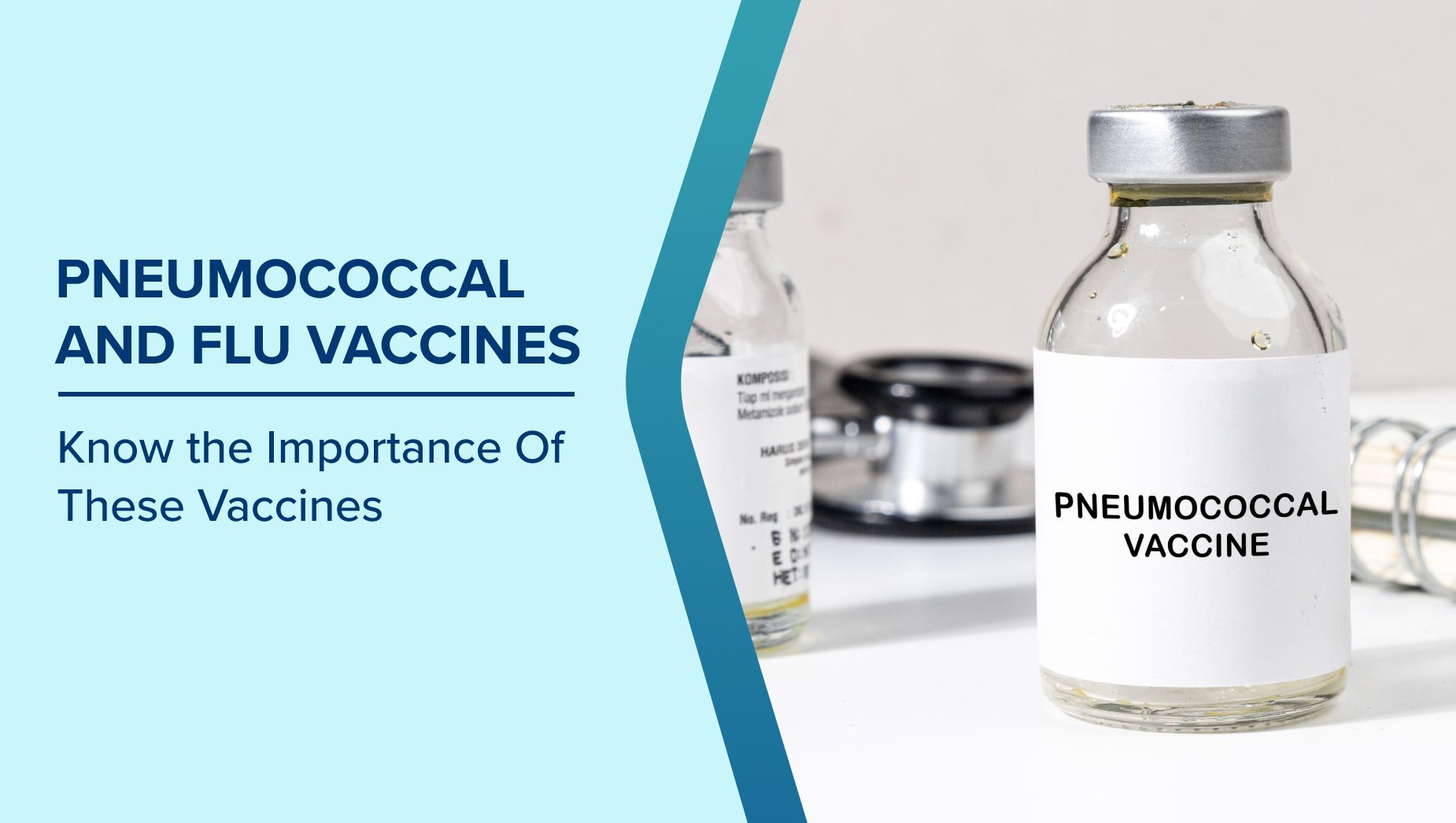
Every year, millions of people are affected by respiratory infections that can be prevented through vaccination. Among these, pneumococcal disease and influenza remain two of the most common and potentially serious infections, particularly in children, older adults, and those with underlying health conditions. The pneumococcal and flu vaccines are key tools in preventing these illnesses, reducing complications, and protecting communities.
While these vaccines are often discussed during seasonal outbreaks, their importance extends beyond a specific time of year. Understanding how these vaccines work, who should receive them, and the difference they make in public health can encourage more people to stay protected year-round.
Understanding Pneumococcal and Influenza Infections
Pneumococcal disease is caused by Streptococcus pneumoniae, a bacterium that can infect the lungs, blood, or brain. It can lead to pneumonia, meningitis, or sepsis, conditions that can become life-threatening without prompt treatment. Pneumococcal infections spread through droplets when an infected person coughs or sneezes, making them easy to contract in crowded environments.
Influenza, commonly called the flu, is a contagious viral infection that affects the respiratory system. It spreads quickly during the colder months and can cause fever, fatigue, sore throat, and muscle aches. While it may appear similar to a common cold, the flu can result in serious complications, especially for vulnerable individuals such as young children, the elderly, and people with weakened immunity.
Why Vaccination Is the Strongest Defence
Vaccination helps the immune system recognise and respond to specific pathogens before they can cause serious harm. Both the pneumococcal and flu vaccines are designed to prepare the body’s defences against infections that are otherwise unpredictable.
- Pneumococcal vaccines protect against multiple strains of bacteria responsible for severe infections.
- Flu vaccines, updated each year to match circulating virus types, lower the risk of seasonal outbreaks.
The purpose of these vaccines isn’t only to prevent infection but also to reduce the severity of illness if someone does fall sick. This can mean fewer hospital visits, faster recovery, and protection for those most at risk in the community.
How the Pneumococcal Vaccine Works
The pneumococcal vaccine trains the immune system to recognise the bacterial types that cause serious illness. There are two main types of pneumococcal vaccines:
- Pneumococcal conjugate vaccine (PCV) offers protection against several common strains and is recommended for infants, adults over 65, and those with chronic conditions.
- Pneumococcal polysaccharide vaccine (PPSV) protects against additional bacterial strains and is given to older adults or individuals with weakened immune systems.
By receiving these vaccines at the recommended intervals, the risk of developing pneumonia, bloodstream infections, or meningitis caused by pneumococcal bacteria can be greatly reduced.
How the Flu Vaccine Protects Against Seasonal Viruses
The influenza virus constantly changes, which is why the flu vaccine is updated annually. It contains inactive or weakened parts of the virus that help the immune system recognise and fight future infections.
Flu vaccines do not cause the flu, as they do not contain live viruses capable of causing illness. Instead, they prepare the immune system so that if exposure occurs, symptoms are milder, and recovery is quicker. This protection is particularly vital for people with respiratory conditions, diabetes, or heart disease, as flu infections can worsen these health issues.
Who Should Get Vaccinated
While everyone can benefit from vaccination, certain groups have a higher risk of complications from flu and pneumococcal infections. These include:
- Adults aged 65 and above
- Children under 5 years
- Individuals with diabetes, chronic heart or lung disease, or kidney disorders
- Pregnant women
- People with weakened immune systems due to illness or medication
- Healthcare workers and caregivers
Receiving vaccines not only protects these individuals but also helps limit the spread of infections to those who cannot be vaccinated for medical reasons.
How These Vaccines Work Together
Although pneumococcal and flu vaccines protect against different infections, they complement each other. Flu infections can sometimes weaken the lungs and immune system, creating opportunities for bacterial infections such as pneumonia to develop. Getting both vaccines provides layered protection, reducing the risk of complications that often occur when viral and bacterial infections overlap.
Common Misconceptions
Many people skip vaccines because they believe they are unnecessary or only for children. Some think that natural immunity or a healthy lifestyle is enough to prevent illness. However, infections like pneumonia and influenza can affect anyone, regardless of fitness level or age.
Another misconception is that vaccines can make you sick. While mild symptoms like slight soreness or a low-grade fever can occur after vaccination, they are short-lived and a sign that the body is building immunity. These minor effects are far less severe than the diseases the vaccines prevent.
The Role of Vaccination in Protecting the Community
Vaccination goes beyond personal protection; it helps build collective immunity. When more people are immunised, it becomes harder for infections to spread within communities. This protects infants, the elderly, and people with medical conditions who may not be able to receive vaccines.
This concept of community protection is vital in reducing the overall number of severe infections and easing the burden on healthcare systems during peak flu or pneumonia seasons.
What Happens If You Skip These Vaccines
Skipping vaccines may not seem risky, but the consequences can be serious. Without vaccination, individuals are more vulnerable to severe respiratory infections that can lead to hospitalisation or long-term complications. Older adults, in particular, may face prolonged recovery times or additional infections after illness.
Vaccines are preventive tools; they are most effective when taken before infection occurs. Once the disease sets in, treatment options become limited and recovery can take longer, especially for those with pre-existing conditions.
Maintaining Protection Over Time
Getting vaccinated once is not always enough. Flu vaccines must be taken every year to match the latest circulating strains. Pneumococcal vaccines may require booster doses depending on a person’s age or health condition. Staying updated with vaccination schedules ensures continuous protection throughout life.
Regular discussions with your doctor or healthcare provider can help determine the right time to receive or repeat these vaccines. It’s also important to get vaccinated before the winter season, when flu activity typically increases.
Conclusion
The pneumococcal and flu vaccines play a crucial role in preventing two of the most common and potentially severe respiratory infections. They protect individuals and communities alike, especially those most at risk. Keeping vaccinations up to date ensures long-term immunity, reduces complications, and supports a healthier, safer environment for everyone.
Vaccines are not simply medical recommendations; they are vital measures for sustaining public health and preventing avoidable suffering. By choosing to stay vaccinated, you invest in your well-being and that of those around you.
Frequently Asked Questions
Can the pneumococcal and flu vaccines be taken together?
Yes, both vaccines can be administered during the same visit, but usually in different arms. Your doctor will advise based on your health condition.
How often should I get the pneumococcal vaccine?
Most adults receive it once, though some people with specific health conditions may need a second dose after a few years.
When is the best time to get the flu vaccine?
It’s advisable to get vaccinated before the flu season begins, typically between September and November. However, vaccination at any time of the year still offers protection.
Can I still get the flu or pneumonia after being vaccinated?
Vaccines significantly reduce your risk of infection. If you do contract the illness, symptoms are likely to be milder and recovery quicker.
Are there any precautions after getting vaccinated?
You can resume normal activities immediately after vaccination. Slight soreness or mild fatigue can occur, but these pass quickly without any treatment.
Written and Verified by:

Related Blogs


Dr. Vandana Boobna In Internal Medicine
Nov 08 , 2020 | 2 min read
Blogs by Doctor

Wondering whether Dengue and Chikungunya are Similar Diseases?
Dr. Vimal Kumar Nakra In Internal Medicine
Oct 10 , 2016 | 2 min read
Pneumonia: Why It Should Never Be Ignored?
Dr. Vimal Kumar Nakra In Internal Medicine
Nov 26 , 2025 | 6 min read
Most read Blogs


Related Blogs
Dr. Vandana Boobna In Internal Medicine
Nov 08 , 2020 | 2 min read
Blogs by Doctor
Wondering whether Dengue and Chikungunya are Similar Diseases?
Dr. Vimal Kumar Nakra In Internal Medicine
Oct 10 , 2016 | 2 min read
Pneumonia: Why It Should Never Be Ignored?
Dr. Vimal Kumar Nakra In Internal Medicine
Nov 26 , 2025 | 6 min read
Most read Blogs