 WhatsApp Us (24/7)
 +91 926 888 0303 (24/7)


To Book an Appointment
Call Us+91 926 888 0303Pigeons and Public Health: Risks, Diseases and Precautions You Need to Know
By Dr. Vivek Nangia in Pulmonology
Oct 07 , 2025 | 3 min read
3

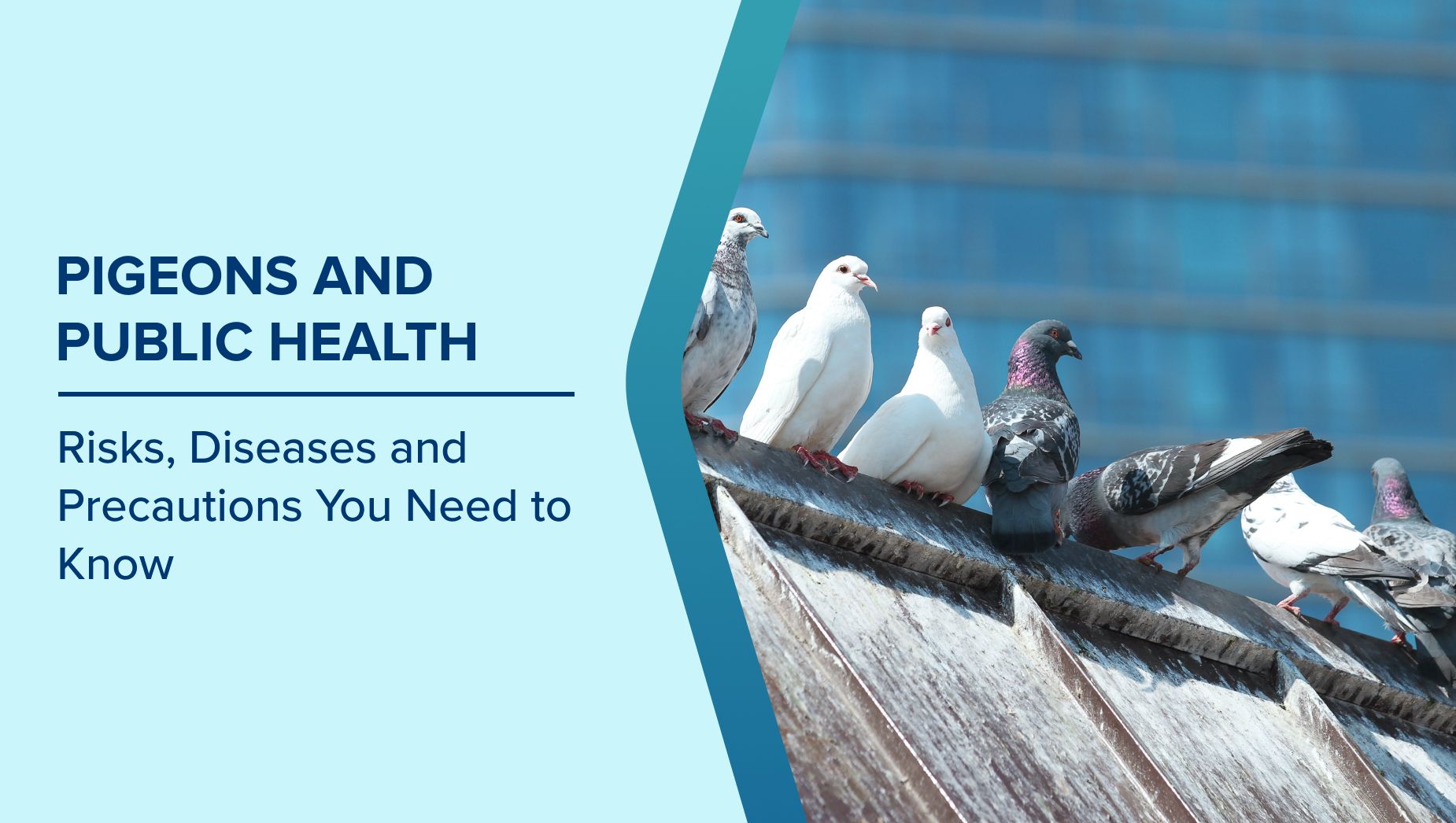
Pigeons are a familiar sight in many cities around the world. While feeding them is often seen as a harmless or compassionate act, the reality is that pigeon droppings and feathers can affect both human health and the environment. From triggering allergies to causing serious lung infections, prolonged exposure to pigeons can have consequences that are often overlooked.
Health Risks of Pigeon Droppings and Feathers
Pigeon droppings and feathers release fine particles, fungal spores, and allergens into the air. When droppings dry out, they crumble into dust, which can easily be inhaled. This exposure may lead to:
- Respiratory irritation in healthy individuals.
- Asthma flare-ups and allergic reactions.
- Serious infections in people with weak immune systems.
Diseases Linked to Pigeons
Pigeons are associated with several respiratory illnesses, particularly in individuals who are regularly exposed to them.
Pigeon-Breeder’s Lung (Hypersensitivity Pneumonitis)
This lung condition develops after repeated inhalation of proteins found in pigeon droppings or feathers. Long-term exposure can lead to lung inflammation, persistent cough, and shortness of breath. In severe cases, prolonged exposure may lead to pulmonary fibrosis, an irreversible scarring of the lung tissue.
Key symptoms include:
- Breathlessness
- Dry cough
- Fever
- Fatigue
Fungal Infections
Certain fungi, such as Histoplasma and Cryptococcus, thrive in the droppings of pigeons.
- Histoplasmosis: Can start as a mild respiratory illness but, in some cases, spread throughout the body.
- Cryptococcosis: Usually affects the lungs but may also reach the brain and nervous system, causing cryptococcal meningitis.
These infections are more serious for people with weak immunity, such as transplant recipients, cancer patients, or individuals living with HIV/AIDS.
Large-Scale Pigeon Feeding and Its Impact
Feeding pigeons may appear kind, but it can have negative health and environmental outcomes. Providing a constant food supply encourages overpopulation, leading to:
- Accumulation of droppings, which harbour disease-causing microbes.
- Greater spread of spores and allergens into the air.
- Unhygienic surroundings and foul odours in public spaces.
- Attraction of other pests like rats and insects, which carry their own diseases.
High pigeon populations in urban areas raise the chances of direct and indirect human exposure to these health risks.
Who Is Most Vulnerable?
While anyone can be affected, certain groups are more susceptible to pigeon-related health problems:
- Children: More likely to come into contact with contaminated surfaces during play.
- Older adults: Often have existing health conditions that can worsen with exposure.
- Immunocompromised individuals: Those with weakened immune systems face the highest risk of severe illness.
Environmental Hazards of Pigeon Droppings
The effects of pigeon droppings extend beyond human health and also impact infrastructure:
- Corrosive damage: Droppings are acidic and can corrode paint, stone, and metal.
- Slip hazards: Accumulated droppings create unsafe, slippery surfaces.
- Blocked drains: Build-up of droppings can clog gutters and drainage systems.
- Unsanitary conditions: Dust and runoff from droppings contribute to environmental contamination.
Rethinking Pigeon Feeding
Although feeding pigeons may come from a place of compassion, large-scale feeding creates more harm than good.
- Impact on pigeons: Overpopulation leads to stress and poor bird health.
- Impact on humans: Greater pigeon density increases exposure to droppings and related health risks.
- Better alternatives:
- Support regulated bird sanctuaries where conditions are controlled.
- Redirect kindness to community-focused causes, such as animal shelters or food support programs.
Precautions for People Living Near Pigeons
If you live or work in areas with high pigeon activity, the following steps can reduce risks:
- Avoid direct contact with pigeons and their droppings.
- Wear protective gear, such as gloves and an N95 mask, when cleaning droppings.
- Use wet cleaning methods to minimise the release of airborne dust.
- Dispose of waste properly by sealing droppings in plastic bags before discarding them.
- Limit roosting by installing spikes, nets, or other deterrents.
- Practice good hand hygiene after any possible exposure.
Conclusion
Pigeons are a common sight in urban areas, but their droppings and feathers can pose significant health and environmental challenges. From allergic reactions to infections like histoplasmosis and cryptococcosis, the risks are greater for vulnerable groups such as children, older adults, and people with weak immunity.
Responsible practices, such as avoiding large-scale feeding, maintaining clean surroundings, and taking protective measures, can help reduce these risks. By striking a balance between compassion and awareness, communities can protect both public health and the well-being of the birds themselves.
Written and Verified by:

Related Blogs

Medical Expert Team
Jun 06 , 2015 | 2 min read

Blogs by Doctor

Air Pollution, Diwali And COVID 19 – A Deadly Combination ?
Dr. Vivek Nangia In Pulmonology
Nov 09 , 2021 | 3 min read

COPD (Chronic Obstructive Pulmonary Disease)
Dr. Vivek Nangia In Pulmonology
Nov 17 , 2021 | 1 min read
Most read Blogs


Related Blogs
Medical Expert Team
Jun 06 , 2015 | 2 min read
Blogs by Doctor
Air Pollution, Diwali And COVID 19 – A Deadly Combination ?
Dr. Vivek Nangia In Pulmonology
Nov 09 , 2021 | 3 min read
COPD (Chronic Obstructive Pulmonary Disease)
Dr. Vivek Nangia In Pulmonology
Nov 17 , 2021 | 1 min read
Most read Blogs