 WhatsApp Us (24/7)
 +91 926 888 0303 (24/7)


To Book an Appointment
Call Us+91 926 888 0303What is Osteopenia: Causes, Symptoms, Treatment and Prognosis
By Dr. Sumeet Rastogi in Orthopaedics & Joint Replacement
Oct 06 , 2025 | 12 min read
2

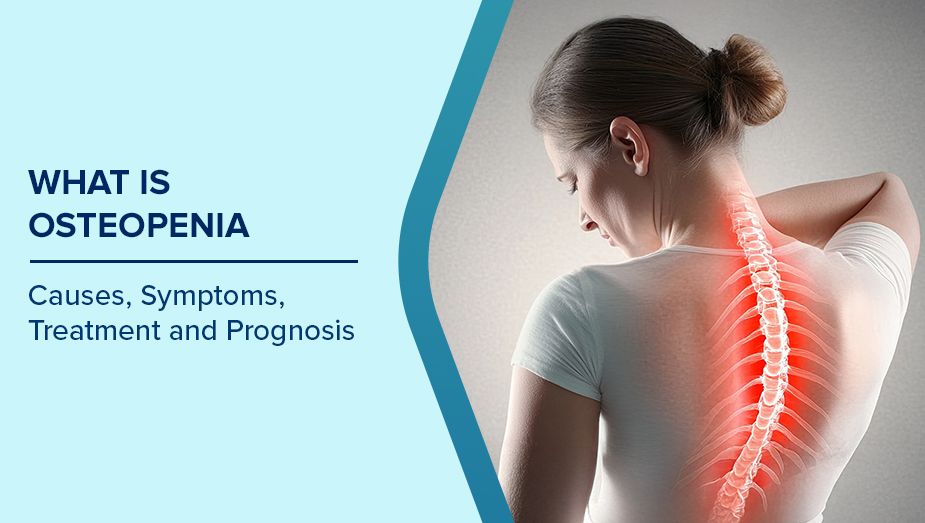
Osteopenia is a medical condition characterised by low bone density. It is considered a precursor to osteoporosis, though it does not carry the same level of severity. Osteopenia often develops gradually and may remain unnoticed until it reaches a more advanced stage. That said, understanding the causes, early signs, management strategies, and long-term outlook can help individuals make informed decisions to maintain bone strength and reduce complications. This article explores these in detail, offering a comprehensive overview of osteopenia for those seeking to protect and support their bone health. Let’s start with the basics.
What is Osteopenia?
Osteopenia is a condition where bones lose density and strength, becoming thinner and more fragile than healthy bones. Unlike osteoporosis, which is more severe and significantly increases the risk of fractures, osteopenia represents an early stage of bone loss. It occurs when the natural process of bone renewal and repair becomes slower than the rate at which bone is broken down. Over time, this imbalance reduces the overall bone mass, weakening the skeletal structure. Although many people with osteopenia do not experience noticeable symptoms initially, the condition can make bones more vulnerable to minor injuries, falls, or stress fractures if left unmanaged.
What Causes Osteopenia?
Osteopenia develops when the natural process of bone renewal becomes slower than the rate at which bone is broken down. Over time, this imbalance leads to a gradual loss of bone density and strength. Multiple factors can contribute to this process, often interacting with one another.
1. Age-related Bone Loss
Bone density naturally peaks in early adulthood and slowly declines as part of the ageing process. With advancing age, bones lose minerals and structural integrity, making them thinner and more fragile. This age-related bone loss is a major reason why older adults are more prone to osteopenia, and it often progresses silently without noticeable symptoms.
2. Hormonal Changes
Hormones are crucial for maintaining strong bones. In women, the decrease in oestrogen levels after menopause significantly accelerates bone loss, as oestrogen helps protect bone tissue. Men can also be affected when testosterone levels drop with age, leading to a gradual weakening of bones. Other hormonal imbalances caused by medical conditions, such as thyroid or adrenal disorders, can similarly increase the risk of osteopenia.
3. Nutritional Deficiencies
Bones rely on nutrients such as calcium, vitamin D, magnesium, and protein for strength and repair. Inadequate intake of these nutrients over time can reduce bone density. Poor dietary habits, restrictive diets, or conditions that impair nutrient absorption can all contribute to weakened bones. Without sufficient nutrients, the body may break down existing bone to meet other physiological needs, accelerating bone loss.
4. Sedentary Lifestyle
Regular physical activity, particularly weight-bearing exercises like walking, running, or resistance training, stimulates bone formation and helps maintain strength. A sedentary lifestyle, on the other hand, reduces this stimulation, causing bones to gradually lose density. Even everyday activities such as standing, climbing stairs, or lifting objects play a role in keeping bones healthy, and lack of movement over time can increase susceptibility to osteopenia.
5. Lifestyle Factors
Certain lifestyle habits can negatively affect bone health. Smoking impairs blood flow and reduces the body’s ability to produce bone-forming cells, while excessive alcohol intake can interfere with calcium absorption and disrupt the balance of hormones that regulate bone density. Both habits, especially if maintained over years, can contribute to significant bone weakening.
6. Medical Conditions
Some chronic illnesses can increase the risk of osteopenia. Thyroid disorders, kidney disease, gastrointestinal conditions affecting nutrient absorption, and autoimmune diseases can all interfere with bone metabolism. These conditions may either accelerate bone breakdown or reduce the body’s ability to build new bone, creating a higher risk of developing osteopenia.
7. Medications
Certain long-term medications can affect bone density. Corticosteroids, used to manage inflammation, can reduce bone formation and accelerate bone loss. Some anticonvulsants and medications for chronic illnesses may also interfere with the body’s ability to maintain healthy bones. Extended use of these drugs without appropriate monitoring can increase the likelihood of developing osteopenia.
What are the Symptoms of Osteopenia?
Osteopenia is often referred to as a “silent condition” because bone loss happens gradually and may not cause noticeable symptoms in the early stages. Many people are unaware they have reduced bone density until it is detected through screening or after a minor fracture. However, as the condition progresses, several signs may appear:
- Bone Pain or Discomfort: Gradual weakening of bones may lead to mild, persistent pain, often felt in the back, hips, or wrists. This discomfort is usually subtle and can be mistaken for muscle strain or the natural effects of ageing.
- Increased Susceptibility to Fractures: Weakened bones are more prone to fractures, even from minor incidents like slipping, tripping, or light impacts. Fractures of the wrist, spine, or hip may sometimes be the first noticeable sign of osteopenia.
- Stress Fractures: Small fractures can occur from routine activities, such as lifting objects, walking, or twisting movements. These stress fractures often signal underlying bone fragility.
- Posture Changes: Progressive bone loss in the spine may lead to subtle postural changes, such as a slight stoop or rounding of the upper back. These changes develop gradually and can be overlooked until more noticeable.
- Height Loss Over Time: Compression or weakening of the vertebrae can result in a measurable reduction in height. Even a small decrease can indicate vertebral bone weakening and requires attention.
- General Fragility and Reduced Mobility: Some individuals may notice that bones feel fragile during daily activities, or they may experience a decline in mobility and stamina. This can manifest as difficulty performing routine tasks that were previously easy.
- Other Indirect Indicators: Frequent minor injuries or a pattern of unexplained bone discomfort may also hint at declining bone strength. While these are less specific, they can provide early clues that warrant further evaluation.
Recognising these symptoms, even when subtle, is essential for taking timely measures to protect bone health and prevent progression to osteoporosis or serious fractures.
How is Osteopenia Diagnosed?
Osteopenia often develops silently, making diagnosis crucial for early intervention and prevention of further bone loss. Healthcare providers use a combination of assessments to evaluate bone health and identify reduced bone density.
Medical History and Risk Assessment
The first step in diagnosing osteopenia involves reviewing a patient’s medical history, lifestyle, and risk factors. Doctors assess factors such as age, gender, family history of osteoporosis, past fractures, dietary habits, physical activity, and use of medications that may affect bone health. Understanding these elements helps determine the likelihood of bone loss and the need for further testing.
Physical Examination
A physical examination can provide initial clues about bone health. Doctors may look for changes in posture, height loss, spinal curvature, or areas of tenderness in the bones. While osteopenia cannot be confirmed through a physical exam alone, these observations help guide further diagnostic evaluation.
Bone Density Measurement
Quantitative measurement of bone density is the primary method to diagnose osteopenia. Common tests include:
- Dual-energy X-ray Absorptiometry (DEXA): Measures bone density at critical sites like the spine and hip, providing a clear indication of bone mass relative to healthy norms.
- Quantitative Computed Tomography (QCT): Offers three-dimensional assessment of bone density, often used for detailed analysis of the spine.
- Peripheral bone density tests: Measure density at peripheral sites such as the wrist, heel, or forearm; sometimes used for initial screening or when central scans are not available.
These tests not only identify osteopenia but also help monitor changes over time and guide management decisions.
Laboratory Tests
Blood and urine tests help detect underlying causes or contributing factors for reduced bone density:
- Calcium and phosphate levels: Essential minerals for healthy bones.
- Vitamin D levels: Critical for calcium absorption and bone strength.
- Parathyroid hormone (PTH) levels: High or low levels can indicate metabolic imbalances affecting bones.
- Markers of bone turnover: Such as alkaline phosphatase and osteocalcin, which indicate the rate of bone formation and breakdown.
- Kidney and thyroid function tests: Conditions like hyperthyroidism or kidney disease can influence bone health.
Lab tests provide insight into nutritional deficiencies, hormonal imbalances, or systemic conditions that may accelerate bone loss.
Imaging Studies
Imaging helps evaluate bone structure and detect fractures that may not cause immediate symptoms:
- Standard X-rays: Can reveal thinning of bones, vertebral compression, or fractures.
- MRI or CT scans: Used in specific cases to assess detailed bone structure and detect subtle or complex fractures that may not appear on X-rays.
How is Osteopenia Treated and Managed?
Osteopenia cannot always be fully reversed, but early diagnosis allows for effective management to slow bone loss, improve bone strength, and reduce the risk of fractures. Treatment typically combines lifestyle changes, nutrition, medications when necessary, ongoing monitoring, and fall-prevention strategies.
Lifestyle Modifications
Adopting bone-friendly habits is the foundation of managing osteopenia:
- Regular Weight-Bearing Exercise: Activities such as walking, jogging, climbing stairs, dancing, or resistance training help stimulate bone formation and maintain density.
- Strength and Flexibility Exercises: Yoga, Pilates, tai chi, and resistance exercises improve posture, flexibility, and balance, which reduce the risk of falls.
- Avoiding Tobacco and Excessive Alcohol: Smoking slows bone formation and accelerates bone loss, while excessive alcohol can interfere with calcium absorption and hormone regulation. Reducing or eliminating these habits supports bone health.
- Maintaining Healthy Body Weight: Being underweight increases the risk of fractures, while excessive weight places extra strain on bones and joints. Achieving and maintaining a healthy weight helps preserve bone strength.
- Safe Physical Activity Practices: Using proper techniques and gradually increasing exercise intensity prevents injuries while promoting bone health.
Nutritional Support
Adequate nutrition is essential for bone maintenance and repair:
- Calcium-Rich Foods: Dairy products, fortified plant-based milk, leafy green vegetables, and nuts provide essential minerals that strengthen bones.
- Vitamin D: Sunlight exposure and vitamin D-rich foods or supplements enhance calcium absorption and support bone density.
- Protein: Sufficient protein intake supports bone structure and tissue repair.
- Other Essential Nutrients: Magnesium, potassium, vitamin K, and trace minerals also contribute to bone health, and incorporating a varied, balanced diet ensures these nutrients are available.
- Avoiding Excess Salt and Caffeine: High salt or caffeine intake may contribute to calcium loss and weaken bones over time.
Medications
In some cases, healthcare providers may recommend medications to slow bone loss or support bone formation. These are usually considered for individuals at higher risk of fractures or whose bone density continues to decline despite lifestyle and dietary interventions. Common medication types include:
- Bisphosphonates: Help slow down the breakdown of bone and improve bone density.
- Selective Estrogen Receptor Modulators (SERMs): Mimic the effect of estrogen on bones to help maintain bone strength, primarily used in postmenopausal women.
- Hormone Replacement Therapy (HRT): Can be prescribed for postmenopausal women to address decreased estrogen levels, which may contribute to bone loss.
- Calcitonin: A hormone therapy that can help regulate bone metabolism and reduce bone loss in certain cases.
- Parathyroid Hormone (PTH) Analogues: Stimulate bone formation and increase bone density in individuals at high risk of fractures.
All medications are prescribed and monitored by a healthcare provider to ensure safety, effectiveness, and suitability for the individual’s health condition.
What is the Prognosis for Osteopenia?
Osteopenia is an early stage of bone loss and often serves as a warning sign rather than a severe condition. If left unmanaged, it can progress to osteoporosis, which significantly increases the risk of fractures. Even during the osteopenia stage, bones are weaker than normal, making them more susceptible to breaks from minor falls or daily activities, particularly in the hip, spine, and wrist. The rate of progression varies depending on age, hormonal changes, nutrition, physical activity, and underlying health conditions. The long-term outlook for osteopenia is generally positive when detected early and managed effectively. With consistent care, individuals can maintain bone strength, mobility, and quality of life well into later years.
Consult Today
Osteopenia may not show obvious signs at first, but taking steps to protect your bones early can prevent future problems. Regular check-ups and timely assessments can make a real difference in maintaining bone strength. If you are concerned about your bone health or want to know your risk, a consultation with a Max Hospital endocrinologist or orthopaedic specialist can help. They can evaluate your bone health and guide you on the right measures to keep your bones strong and healthy.
Frequently Asked Questions
Can osteopenia be reversed naturally?
Osteopenia cannot usually be completely reversed, but taking consistent steps can make a big difference. Lifestyle changes such as regular weight-bearing exercise, fall-prevention measures, and maintaining overall health, combined with proper nutrition and, if necessary, medications, can slow bone loss, strengthen bones, and reduce the risk of future fractures.
How often should I get my bones checked if I have osteopenia?
The frequency of bone density tests depends on age, risk factors, and your doctor’s recommendations. For most people with osteopenia, follow-up assessments are done every 1–2 years. More frequent monitoring may be suggested if there are additional risk factors or if bone density continues to decline despite management.
Is osteopenia painful?
In its early stages, osteopenia usually does not cause pain, which is why it is often called a “silent condition.” Mild discomfort or fractures may occur only when bone density decreases significantly. Back pain or fractures from minor falls may sometimes be the first sign that bone strength has been compromised.
Can men develop osteopenia too?
Yes. While osteopenia is more common in postmenopausal women due to hormonal changes, men can also develop it, especially with age, low testosterone levels, chronic illnesses, or certain medications. Men should also be proactive about bone health and regular check-ups.
Are certain medications likely to cause osteopenia?
Some medications can contribute to bone loss over time. Long-term use of corticosteroids, certain anticonvulsants, and specific hormone therapies may reduce bone density. Discussing your medication history with a healthcare provider can help identify risks and guide preventive strategies.
Can osteopenia cause fractures even if I feel fine?
Yes. Osteopenia weakens bones gradually, so fractures can occur even without noticeable symptoms. Minor falls, accidents, or routine movements may sometimes cause fractures in the wrist, hip, or spine, highlighting the importance of early detection and management.
Does family history affect my risk of osteopenia?
A family history of osteoporosis or frequent fractures can increase the likelihood of developing osteopenia. Early assessment and preventive measures become especially important if close relatives have had bone density issues.
Are there exercises that I should avoid with osteopenia?
High-impact or contact sports that put excessive strain on bones may increase fracture risk. Exercises involving twisting or sudden movements should be approached cautiously. Low-impact, weight-bearing, and balance-focused activities like walking, yoga, Pilates, or resistance training are generally safer and support bone strength.
Can lifestyle alone prevent osteopenia from progressing?
Lifestyle measures play a crucial role in slowing bone loss, but they may not be enough for everyone. People at higher risk of fractures or with rapidly declining bone density may also need medications to maintain or improve bone strength. Combining lifestyle, nutrition, and medical support is the most effective approach.
Is osteopenia a sign of other underlying health problems?
Osteopenia can sometimes be linked to other conditions such as thyroid disorders, kidney disease, hormonal imbalances, or nutritional deficiencies. Identifying and managing these underlying issues is important for overall bone health and can improve the effectiveness of osteopenia treatment.
Written and Verified by:

Related Blogs


Dr. Ashish Jain In Orthopaedics & Joint Replacement
Nov 07 , 2020 | 1 min read
Most read Blogs


Related Blogs
Dr. Ashish Jain In Orthopaedics & Joint Replacement
Nov 07 , 2020 | 1 min read
Most read Blogs