 WhatsApp Us (24/7)
 +91 926 888 0303 (24/7)


To Book an Appointment
Call Us+91 926 888 0303Oral Cancer Myths vs Facts: Stay Aware, Detect Early & Prevention
By Dr. Alok Gupta in Medical Oncology , Cancer Care / Oncology
Sep 16 , 2025 | 4 min read

Oral cancer is one of the most common types of head and neck cancer, yet it remains misunderstood by many. Misconceptions about oral cancer causes, symptoms, and treatment often lead to delayed diagnosis and missed opportunities for prevention. By separating myths from facts, we can create stronger oral cancer awareness and encourage people to seek timely help.
Why Oral Cancer Awareness Matters
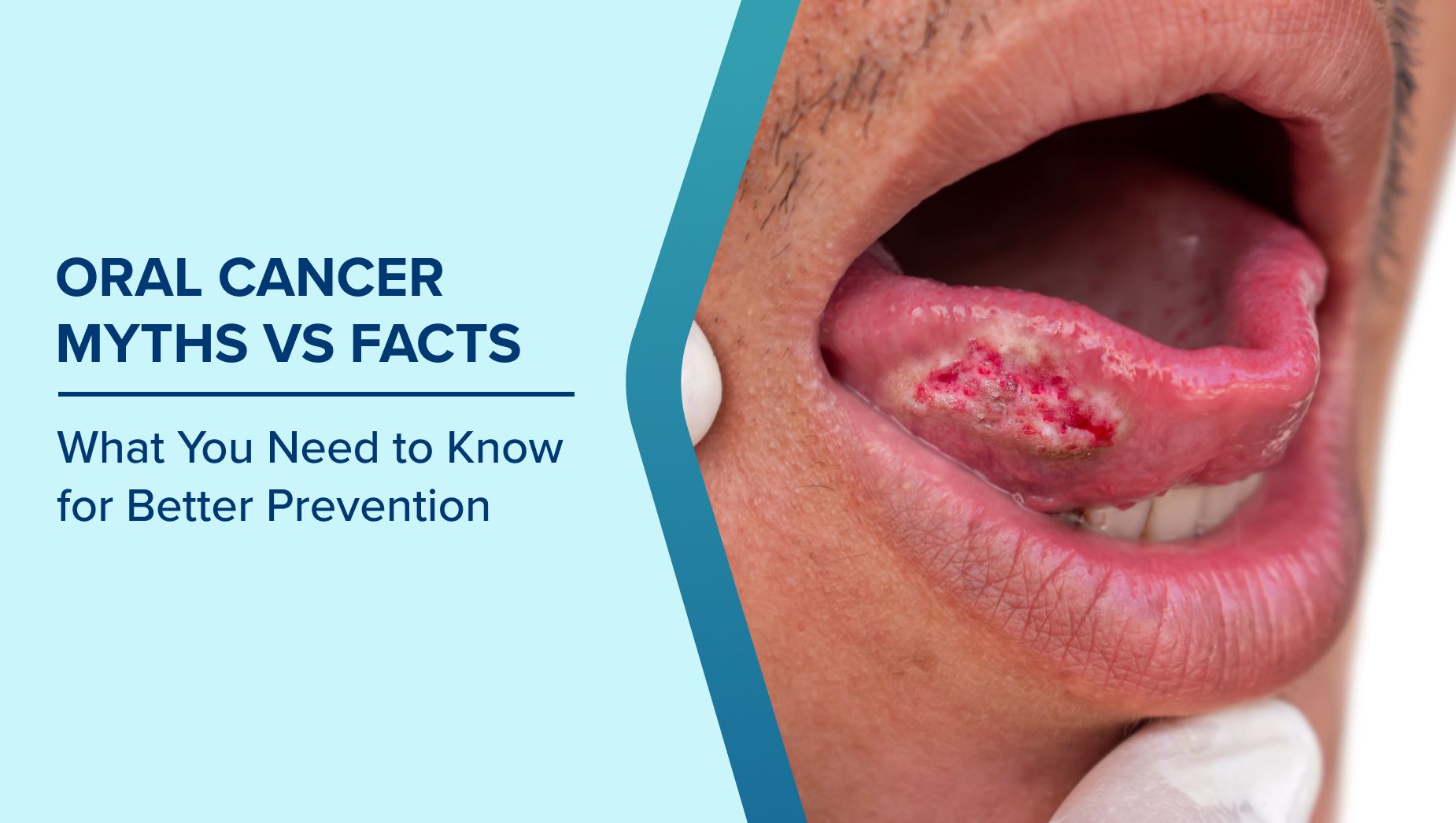
Every year, thousands of people are diagnosed with oral cancer worldwide. Despite being treatable when detected early, the survival rate is often affected by late diagnosis. Many individuals ignore oral cancer's early signs, such as persistent mouth ulcers, red or white patches, or unexplained swelling, assuming they are minor issues.
Raising awareness and debunking myths helps people take symptoms seriously and understand the importance of oral cancer prevention and timely care.
Common Myths and Facts About Oral Cancer
Myth 1: Only people who smoke or chew tobacco get oral cancer
Fact: Tobacco and alcohol are major risk factors, but they are not the only causes. Oral cancer can also be linked to viral infections such as HPV, poor oral hygiene, long-term irritation from ill-fitting dentures, and even family history. Understanding these multiple risk factors helps break the stereotype that only smokers are at risk.
Myth 2: Oral cancer is rare, so I do not need to worry
Fact: Oral cancer is one of the leading cancers in many countries, especially in regions where tobacco and betel nut use are common. Even in areas with lower prevalence, cases are rising due to lifestyle factors and infections. It is not as rare as many assume, and early screening is the best way to stay safe.
Myth 3: Oral cancer always causes pain in the beginning
Fact: Many oral cancer symptoms appear without pain. A painless ulcer, lump, or patch inside the mouth can often be the first sign. By the time pain develops, the disease may already be advanced. Regular dental check-ups and awareness of subtle changes can lead to earlier detection.
Myth 4: If I do not see visible changes, I am fine
Fact: Not all warning signs are visible to the naked eye. Some cancers start deep in the tissues or at the back of the tongue and throat. This is why dentists and doctors recommend regular oral screenings, especially for people with risk factors.
Myth 5: Young adults do not get oral cancer
Fact: While the risk increases with age, younger adults are not immune. HPV-related oral cancers are increasingly seen in younger individuals who have no history of smoking or alcohol use. This highlights the need for oral cancer awareness across all age groups.
Myth 6: Oral cancer is not life-threatening if treated
Fact: Oral cancer can be serious and life-threatening if ignored or detected late. The oral cancer survival rate improves dramatically when treatment starts early. Surgery, radiation, and chemotherapy can be effective, but prevention and early detection remain the most powerful tools.
Myth 7: Treatment for oral cancer always affects speaking and eating permanently
Fact: Advances in oral cancer treatment aim to preserve quality of life. While some patients may face temporary difficulties, rehabilitation therapies help them recover speech and swallowing abilities. With early treatment, side effects can often be minimised.
How to Strengthen Oral Cancer Prevention
Breaking myths is only the first step. To truly reduce risk, adopting preventive measures is key:
- Avoid tobacco and limit alcohol.
- Maintain good oral hygiene and regular dental check-ups.
- Get vaccinated against HPV when eligible.
- Eat a diet rich in fruits and vegetables that support immunity.
- Pay attention to the early signs of oral cancer and seek medical advice if anything unusual persists for more than two weeks.
Conclusion
Oral cancer awareness begins with knowledge. By replacing myths with facts, we empower people to recognise risks, notice early symptoms, and seek timely care. On a personal level, adopting preventive habits and encouraging others to do the same can save lives. On a larger scale, communities and workplaces can support oral cancer prevention campaigns to spread awareness.
Remember, oral cancer does not have to be a silent killer. Early detection and informed choices can protect lives and ensure healthier futures.
Frequently Asked Questions
Can stress cause oral cancer?
Stress alone does not cause oral cancer, but it can weaken the immune system and lead to unhealthy coping habits such as smoking or drinking, which increase risk. Managing stress with healthy practices indirectly supports oral health.
Is oral cancer hereditary?
Most cases are linked to lifestyle choices and environmental factors, but family history can increase susceptibility. If close relatives had oral or other head and neck cancers, regular screenings are recommended.
What foods increase oral cancer risk?
Diets high in processed meats, fried foods, and low in fresh fruits and vegetables can contribute to a higher risk. A balanced diet with antioxidant-rich foods supports better protection.
Can oral cancer come back after treatment?
Yes, oral cancer can recur, especially within the first few years after treatment. Regular follow-ups with doctors are important to detect any recurrence early.
How can HPV vaccination help in oral cancer prevention?
HPV vaccination protects against certain strains of the virus that are linked to oral cancers. Getting vaccinated at the recommended age can significantly lower the risk in the long term.
Written and Verified by:

Related Blogs


Dr. Meenu Walia In Medical Oncology , Cancer Care / Oncology
Aug 02 , 2016 | 4 min read
Most read Blogs


Related Blogs
Dr. Meenu Walia In Medical Oncology , Cancer Care / Oncology
Aug 02 , 2016 | 4 min read
Most read Blogs