 WhatsApp Us (24/7)
 +91 926 888 0303 (24/7)


To Book an Appointment
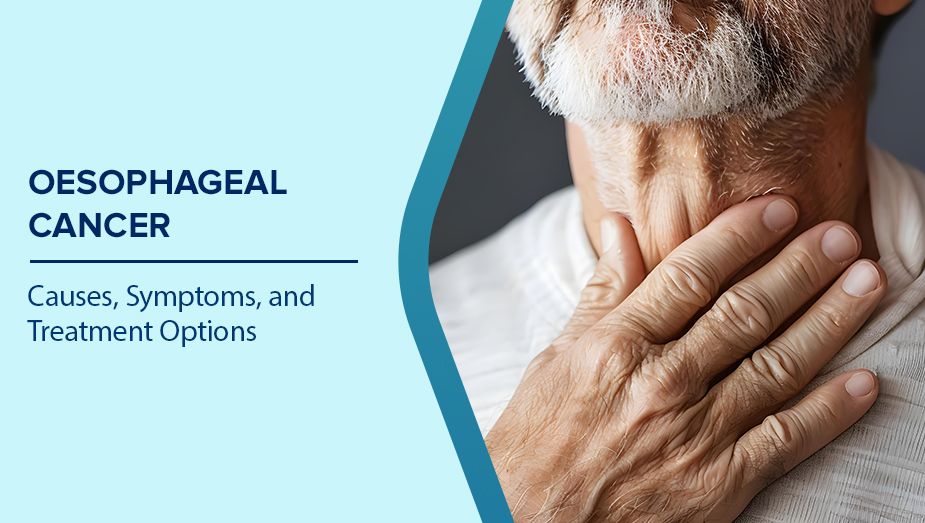
Call Us+91 926 888 0303Oesophageal Cancer: Causes, Symptoms, and Treatment Options
By Dr. Shashank Chaudhary in Surgical Oncology
Sep 08 , 2025 | 20 min read

Oesophageal cancer is a type of cancer that affects the food pipe (oesophagus). Though a serious concern, it often goes unnoticed in its early stages, as early symptoms, such as discomfort in the throat or difficulty swallowing, can be easily mistaken for less serious conditions. Through this article, we aim to provide an in-depth understanding of oesophageal cancer, covering its causes, symptoms, stages, and available treatment options. Knowing the signs early could help you or a loved one seek timely medical intervention and improve treatment outcomes. Let’s start with understanding the basics.
What is Oesophageal Cancer?
Oesophageal cancer is a type of cancer that develops in the oesophagus, the long, muscular tube that connects the throat to the stomach. It occurs when abnormal cells start to grow uncontrollably in the lining of the oesophagus, eventually forming a tumour. This cancer can affect the way food and liquids move from the mouth to the stomach, leading to noticeable symptoms such as difficulty swallowing.
Types of Oesophageal Cancer
Oesophageal cancer is classified into different types based on the cells where the cancer begins. The two most common types are:
1. Squamous Cell Carcinoma
This type of oesophageal cancer develops in the cells that line the inner surface of the oesophagus, called “squamous cells”. It can occur in any part of the oesophagus but is most commonly found in the upper and middle sections. Risk factors for this type of oesophageal cancer include heavy smoking, alcohol consumption, and dietary habits such as consuming very hot beverages.
2. Adenocarcinoma
Adenocarcinoma begins in the glandular cells of the oesophagus, which are responsible for producing mucus and other fluids. It typically develops in the lower part of the oesophagus, and is often linked to chronic gastroesophageal reflux disease (GERD) and a condition called Barrett’s oesophagus, where the normal lining of the oesophagus is replaced by glandular cells.
While these are the two primary types, other rare forms of oesophageal cancer also exist, but they occur far less frequently. Understanding the type of oesophageal cancer is crucial in determining the best treatment approach.
Stages of Oesophageal Cancer
The progression of oesophageal cancer is divided into five key stages, from Stage 0 to Stage IV. These stages help doctors understand how far the cancer has spread and determine the most effective treatment plan. The stages are classified based on the size of the tumour, its depth of growth, and whether it has spread to lymph nodes or other organs.
Stage 0: Carcinoma in Situ
- At this stage, abnormal cells are found in the innermost lining of the oesophagus but have not yet become cancerous.
- It is often referred to as "precancerous" and can be treated with minimally invasive procedures.
- Early detection at this stage has a high chance of successful treatment.
Stage I: Early-Stage Oesophageal Cancer
- Cancer has formed and begun to grow beyond the inner lining of the oesophagus but is still limited to the first few layers of tissue.
- It has not spread to lymph nodes or other organs.
- Symptoms may still be mild or go unnoticed, which makes early detection difficult.
- Treatment options often include endoscopic surgery or minimally invasive surgery.
Stage II: Localised Cancer
- The cancer has grown deeper into the layers of the oesophagus but has not yet spread to distant organs.
- It may have reached the nearby lymph nodes, which indicates a higher risk of further spread.
- At this stage, symptoms like difficulty swallowing and chest pain may become noticeable.
- Treatment typically involves surgery, radiation therapy, and chemotherapy.
Stage III: Regional Spread
- The cancer has grown through the entire wall of the oesophagus and may have spread to nearby lymph nodes or tissues around the oesophagus.
- At this stage, swallowing becomes more difficult, and patients may experience significant weight loss and discomfort.
- Treatment becomes more complex, often involving a combination of surgery, radiation, and chemotherapy.
Stage IV: Advanced or Metastatic Cancer
- Cancer has spread to distant parts of the body, such as the liver, lungs, or other organs.
- At this stage, symptoms are severe and may include persistent pain, difficulty swallowing, and significant weight loss.
- Treatment focuses on palliative care to relieve symptoms and improve the patient’s quality of life. Options may include radiation, chemotherapy, and targeted therapy.
Why is Staging Important?
The stage of oesophageal cancer determines the course of treatment and the overall prognosis. Early-stage cancer (Stages 0 and I) is more likely to be treated successfully, often with minimally invasive procedures. Advanced stages (Stages III and IV) require more aggressive treatment and have a lower chance of complete remission. Regular health check-ups and timely screening can play a vital role in detecting oesophageal cancer at an early stage, improving treatment outcomes.
Symptoms of Oesophageal Cancer
The symptoms of oesophageal cancer often develop gradually, and in the early stages, they may be mild or mistaken for common digestive issues. As the disease progresses, the symptoms become more noticeable, affecting daily activities like eating and drinking. Recognising these signs early can lead to quicker diagnosis and better treatment outcomes. Here are the most common symptoms of oesophageal cancer:
1. Difficulty Swallowing (Dysphagia)
- Most common early symptom of oesophageal cancer.
- Patients may feel like food is "stuck" in the throat or chest while swallowing.
- As the tumour grows, it narrows the oesophagus, making it difficult to swallow solid foods, and eventually, even liquids may be hard to consume.
2. Chest Pain or Discomfort
- Pain or burning sensations in the chest or behind the breastbone.
- Often mistaken for heartburn or acidity, leading to delayed diagnosis.
- Pain may become more intense as the cancer progresses.
3. Unexplained Weight Loss
- Sudden, unintentional weight loss without any changes in diet or lifestyle.
- Weight loss occurs because eating becomes difficult or uncomfortable, leading to reduced food intake.
4. Persistent Cough or Hoarseness
- A chronic, dry cough that does not go away.
- Hoarseness or changes in voice may occur when the cancer affects the nerves controlling the voice box (larynx).
5. Acid Reflux or Indigestion
- Frequent acid reflux or heartburn that does not improve with over-the-counter medication.
- A burning sensation in the chest or throat, often linked to gastroesophageal reflux disease (GERD), which is a risk factor for oesophageal cancer.
6. Feeling of Food Stuck in the Throat or Chest
- Patients may feel like food is not moving down properly after swallowing.
- This sensation may become more frequent as the tumour grows and narrows the oesophagus.
7. Vomiting or Regurgitation of Food
- Food may come back up after swallowing, especially as the oesophagus narrows.
- In advanced stages, blood may also be present in vomit, indicating bleeding in the oesophagus.
8. Fatigue and Weakness
- As food intake decreases due to difficulty swallowing, patients may experience nutritional deficiencies, leading to fatigue and weakness.
- Fatigue can also be caused by the body’s response to cancer growth.
When to See a Doctor?
Symptoms such as difficulty swallowing, unexplained weight loss, and persistent chest pain should not be ignored. While these signs may be caused by less serious conditions, it’s essential to seek medical attention if they persist or worsen over time. Other warning signs, like a chronic cough, hoarseness, or regurgitation of food, should also be evaluated. Early diagnosis increases the chances of successful treatment, especially in the early stages of oesophageal cancer, when less invasive treatment options may still be effective. If you notice any of these symptoms, consult a doctor without delay.
Causes and Risk Factors of Oesophageal Cancer
While the exact cause of oesophageal cancer is not always clear, several risk factors are known to increase the risk. Understanding these risk factors can help in early detection and prevention.
Common Causes of Oesophageal Cancer
- Chronic Irritation of the Oesophagus: Repeated injury or irritation to the lining of the oesophagus can lead to cell damage, which may trigger abnormal growth.
- Acid Reflux (GERD) and Barrett's Oesophagus: Long-term acid reflux causes stomach acid to flow back into the oesophagus, irritating its lining. Over time, this can lead to a condition called Barrett's oesophagus, where the lining changes and increases the risk of cancer.
- Genetic Mutations: In rare cases, inherited genetic changes increase the likelihood of developing cancer.
Risk Factors for Oesophageal Cancer
Several lifestyle, health, and genetic factors increase the risk of developing oesophageal cancer. Here are the most significant ones:
- Age and Gender
- Age: The risk of oesophageal cancer increases with age, with most cases occurring in people over 50 years old.
- Gender: Men are more likely to develop oesophageal cancer than women.
- Smoking and Tobacco Use
- Smoking cigarettes, cigars, or chewing tobacco damages the lining of the oesophagus, leading to long-term irritation and increasing the risk of squamous cell carcinoma.
- The more you smoke and the longer you do it, the higher the risk.
- Alcohol Consumption
- Excessive alcohol consumption irritates the oesophagus and increases the risk of squamous cell carcinoma.
- The combined effect of alcohol and smoking significantly raises the risk.
- Acid Reflux (Gastroesophageal Reflux Disease - GERD)
- Frequent acid reflux exposes the lining of the oesophagus to stomach acid, causing irritation and inflammation.
- Over time, this can develop into Barrett's oesophagus, a condition that increases the risk of adenocarcinoma.
- Barrett's Oesophagus
- This condition occurs when the cells in the lining of the oesophagus are replaced with cells similar to those found in the intestines.
- It is often caused by long-term GERD and significantly raises the risk of developing adenocarcinoma.
- Poor Diet and Obesity
- Diets low in fruits and vegetables and high in processed or salty foods increase the risk of oesophageal cancer.
- Obesity increases pressure on the stomach, causing acid reflux and increasing the risk of adenocarcinoma.
- Hot Beverages
- Consuming extremely hot beverages (like tea or coffee) frequently can damage the lining of the oesophagus, increasing the risk of cancer.
- Studies have linked drinking very hot liquids to an increased risk of squamous cell carcinoma.
- Achalasia
- A condition in which the oesophagus fails to properly push food into the stomach due to weakened muscles.
- Food remains in the oesophagus for an extended period, causing irritation and increasing the risk of cancer.
- Exposure to Certain Chemicals
- Occupational exposure to certain chemicals, such as those used in dry cleaning and chemical manufacturing, may increase the risk of oesophageal cancer.
- Family History and Genetic Factors
- Although rare, a family history of oesophageal cancer can increase the likelihood of developing the disease.
- Some genetic disorders and syndromes may increase cancer risk, such as Tylosis, a rare genetic disorder that causes excess skin growth on the palms and soles.
Diagnosis of Oesophageal Cancer
Diagnosis of oesophageal cancer typically involves a combination of physical exams, imaging tests, and biopsies to confirm the presence and stage of the cancer. Here are the key methods used to diagnose oesophageal cancer:
1. Medical History and Physical Examination
- Patient History: The doctor will review the patient’s symptoms, lifestyle habits (like smoking, drinking, or history of GERD), and family history of cancer.
- Physical Examination: The doctor will check for signs such as unexplained weight loss or swollen lymph nodes in the neck, which could indicate cancer spread.
2. Endoscopy
An endoscopy involves inserting a thin, flexible tube with a camera (endoscope) through the mouth to examine the inside of the oesophagus. This procedure helps detect abnormal growths, ulcers, or tumours that may be present. It is often recommended for individuals who experience persistent difficulty swallowing, chest pain, or symptoms of GERD. Endoscopy is crucial because it provides a direct view of the oesophagus, enabling doctors to identify potential cancerous growths at an early stage, which significantly improves the chances of timely treatment and better outcomes.
3. Biopsy (Tissue Sample Collection)
A biopsy involves collecting a small sample of tissue from a suspicious area in the oesophagus during an endoscopy. The collected tissue is then examined under a microscope to check for the presence of cancer cells. This procedure is crucial because it is the most definitive method for confirming oesophageal cancer. Additionally, it helps identify the type of cancer, whether it is squamous cell carcinoma or adenocarcinoma, which plays a key role in determining the appropriate treatment plan.
4. Imaging Tests
Imaging tests are used to determine the location, size, and spread of the tumour. These tests help in staging the cancer and deciding on the treatment plan.
- CT Scan (Computed Tomography):
- Takes detailed cross-sectional images of the chest, abdomen, and surrounding organs.
- Detects whether cancer has spread to nearby lymph nodes, lungs, liver, or other organs.
- PET Scan (Positron Emission Tomography):
- Involves injecting a small amount of radioactive sugar into the body.
- Cancer cells, which consume more sugar than normal cells, appear brighter on the scan, allowing doctors to spot cancer that has spread to other areas.
- MRI (Magnetic Resonance Imaging):
- Uses magnetic fields to create detailed images of the oesophagus and surrounding tissues.
- Useful in identifying the extent of cancer spread to soft tissues.
- X-Ray with Barium Swallow:
- The patient drinks a barium solution, which coats the lining of the oesophagus.
- X-rays are then taken to highlight any narrowing or blockages in the oesophagus.
5. Endoscopic Ultrasound (EUS)
An endoscopic ultrasound (EUS) is similar to a regular endoscopy, but it includes an ultrasound probe at the tip of the endoscope. This allows for more detailed imaging of the oesophagus wall and surrounding lymph nodes. EUS is particularly useful for assessing the depth of a tumour and determining how far it has spread. It plays a vital role in staging oesophageal cancer, helping doctors plan the most effective treatment approach based on the extent of cancer spread.
6. Blood Tests
Blood tests do not directly detect oesophageal cancer, but they play an essential role in assessing the patient’s overall health. These tests check for signs of anaemia, which may result from internal bleeding caused by the cancer. They also evaluate the functioning of vital organs like the liver and kidneys, ensuring that the body can tolerate treatments such as chemotherapy or surgery.
Treatment Options for Oesophageal Cancer
Once oesophageal cancer is confirmed, doctors will assess the stage of the cancer to determine the best course of treatment. The treatment for oesophageal cancer depends on its stage, type, overall health of the patient, and the location of the tumour. Early-stage cancer is often treated with surgery or minimally invasive procedures, while advanced stages may require a combination of treatments. The primary goal of treatment is to remove or shrink the tumour, prevent its spread, and manage symptoms. Here are the most common treatment options for oesophageal cancer:
1. Surgery
Surgery is one of the most common treatments, especially when the cancer is in its early stages or has not spread beyond the oesophagus. The procedure removes cancerous tissue and part of the healthy tissue surrounding it.
When it’s Used:
- Best for Stage I and Stage II oesophageal cancer.
- Sometimes used after chemotherapy or radiation therapy to shrink the tumour before surgery.
Recovery and Aftercare:
- After surgery, patients may need to make dietary changes, as the size and function of the stomach are affected.
- Recovery can take several weeks, and patients are often advised to eat smaller, more frequent meals.
2. Radiation Therapy
Radiation therapy uses high-energy X-rays or proton beams to kill cancer cells. It can be used alone or in combination with surgery or chemotherapy.
How it Works:
- The radiation targets the tumour directly, shrinking its size and killing cancer cells.
- It can be administered externally (external beam radiation) or internally (brachytherapy, where radiation is placed directly inside the oesophagus).
When it’s Used:
- Often used for Stage II, Stage III, and Stage IV cancer.
- It can be used before surgery to reduce the size of the tumour (neoadjuvant therapy) or after surgery to destroy any remaining cancer cells (adjuvant therapy).
Side Effects:
- Patients may experience fatigue, skin irritation, and difficulty swallowing due to inflammation of the oesophagus.
- It can also affect nearby healthy tissues, but newer techniques like proton therapy help reduce side effects.
3. Chemotherapy
Chemotherapy uses drugs to kill or slow down the growth of cancer cells. The medication is administered through an IV drip or in the form of oral pills. It travels through the bloodstream, targeting cancer cells throughout the body.
How it Works:
- The drugs prevent cancer cells from dividing and growing, ultimately destroying them.
- It is often used in combination with radiation therapy (chemoradiation) for better results.
When it’s Used:
- Commonly used for Stage II, Stage III, and Stage IV cancer.
- It can be used before surgery to shrink the tumour or after surgery to kill any leftover cancer cells.
- For advanced or metastatic cancer, chemotherapy is used to manage symptoms and slow cancer progression.
Side Effects:
- Side effects may include nausea, vomiting, loss of appetite, hair loss, and weakened immunity.
- Modern anti-nausea medications help manage side effects.
4. Targeted Therapy
Targeted therapy is a modern form of cancer treatment that focuses on specific molecules involved in cancer growth. Unlike chemotherapy, which affects the whole body, targeted therapy works on cancer cells while sparing healthy cells.
How it Works:
- It targets specific proteins or genes that help cancer cells grow and survive.
- One of the most common targets in oesophageal cancer is the HER2 protein, which promotes the growth of cancer cells.
When it’s Used:
- Used for cancers that have specific genetic mutations or changes in cell structure.
- Often prescribed for patients with advanced or HER2-positive oesophageal cancer.
Types of Targeted Drugs:
- Trastuzumab (Herceptin): Used for cancers with HER2 protein overexpression.
- Ramucirumab: Used for patients with advanced oesophageal cancer when other treatments are no longer effective.
Side Effects:
- Side effects are generally mild compared to chemotherapy, but can include fatigue, diarrhoea, and high blood pressure.
5. Immunotherapy
Immunotherapy is a cutting-edge cancer treatment that helps the immune system recognise and attack cancer cells. It is often used for patients with advanced oesophageal cancer who have not responded well to other treatments.
How it Works:
- Immunotherapy drugs block the proteins that prevent the immune system from attacking cancer cells, enabling the immune system to fight the disease.
- Checkpoint inhibitors like nivolumab (Opdivo) or pembrolizumab (Keytruda) are commonly used for oesophageal cancer.
When it’s Used:
- Primarily used for advanced or metastatic cancer where other treatments have failed.
- Effective in cancers with specific biomarkers like PD-L1 expression.
Side Effects:
- Side effects are usually mild, but in some cases, the immune system may attack healthy organs, causing inflammation in the lungs, liver, or intestines.
6. Palliative Care
When cancer has progressed to an advanced stage, treatment focuses on improving the quality of life rather than curing the disease. Palliative care is provided alongside other treatments to reduce discomfort and manage symptoms.
How it Works:
- It helps relieve symptoms like pain, difficulty swallowing, and fatigue.
- The care team may use pain relievers, nutritional support, or procedures like inserting a stent to keep the oesophagus open, allowing patients to swallow more easily.
When it’s Used:
- Used for patients with Stage IV cancer, where the cancer has spread to other organs.
- Aims to improve quality of life, reduce pain, and provide emotional support for patients and their families.
Palliative Interventions Include:
- Oesophageal Stent Placement: A metal or plastic tube is inserted to keep the oesophagus open so food and liquids can pass through.
- Feeding Tube: Placed in the stomach if the patient can no longer swallow food.
- Pain Management: Use of pain medications to relieve discomfort caused by cancer or its treatment.
Combination Therapies
In many cases, combination therapies are used to increase treatment effectiveness. For example:
- Neoadjuvant Therapy: Chemotherapy or radiation is given before surgery to shrink the tumour.
- Adjuvant Therapy: After surgery, chemotherapy or radiation is used to kill any remaining cancer cells.
- Chemoradiation: Chemotherapy and radiation are given at the same time to increase the tumour-killing effect.
Lifestyle Changes and Diet for Managing Oesophageal Cancer
Managing oesophageal cancer requires a combination of dietary and lifestyle changes to improve health, support recovery, and reduce the risk of complications. Here are some essential strategies to follow:
1. Dietary Changes for Managing Oesophageal Cancer
Oesophageal cancer and its treatments often make swallowing difficult, so a nutrient-rich, soft-textured diet is essential. Here’s how to make your diet more manageable:
- Eat Soft, Easy-to-Swallow Foods: Opt for foods like soups, mashed vegetables, smoothies, porridge, and soft fruits (like bananas and stewed apples) to make eating easier.
- Avoid Foods That Irritate the Oesophagus: Stay away from hard, dry, or spicy foods, such as fried items, coarse bread, nuts, and citrus fruits, as they can irritate the oesophagus.
- Eat Smaller, Frequent Meals: Instead of three large meals, aim for 5-6 smaller meals per day to reduce reflux and ease digestion.
- Include High-Calorie, Nutrient-Dense Foods: Incorporate energy-dense options like avocado, peanut butter, dairy products, and healthy oils to prevent weight loss during treatment.
- Stay Hydrated Smartly: Drink water, herbal teas, and coconut water throughout the day, but avoid drinking fluids during meals to prevent choking or fullness.
2. Lifestyle Changes
Lifestyle changes can support cancer management, improve recovery, and reduce complications.
- Quit Smoking and Avoid Tobacco: Smoking irritates the oesophagus and slows down recovery. Quitting tobacco products can reduce cancer progression and improve treatment outcomes.
- Limit Alcohol Consumption: Alcohol irritates the oesophagus and increases the risk of squamous cell carcinoma. Avoiding alcohol entirely is recommended for better recovery.
- Manage Acid Reflux (GERD): GERD is a major risk factor for oesophageal cancer. To reduce GERD symptoms, elevate the head of the bed, avoid large meals before bedtime, and limit spicy, fatty, and acidic foods.
- Maintain a Healthy Weight: Excess weight increases pressure on the stomach, leading to acid reflux. Engaging in light physical activity, such as walking or stretching, can aid digestion and prevent reflux.
- Eat Slowly and Avoid Overeating: Eating large meals or eating too quickly can increase pressure on the stomach, triggering reflux. Chew food thoroughly and take smaller bites to make swallowing easier.
- Manage Stress: Dealing with cancer can be emotionally challenging. Practising relaxation exercises like meditation, deep breathing, and yoga can reduce stress and promote mental well-being. Support from counsellors or support groups can provide emotional relief.
3. Post-Surgery Lifestyle Adjustments
Patients who undergo surgery for oesophageal cancer need to make certain lifestyle adjustments for a smoother recovery.
- Sleep Position Adjustments: Raise the head of the bed by 6-8 inches to prevent acid reflux while sleeping.
- Dietary Changes Post-Surgery: Initially, the diet may be limited to liquids or soft, semi-solid foods like soups, porridge, and pureed fruits. Gradually, soft solid foods can be reintroduced while avoiding spicy, fried, or carbonated foods that irritate the oesophagus.
- Avoid Heavy Lifting: After surgery, avoid heavy lifting or strenuous activities, as they can strain the surgical site. Follow the doctor’s advice on when to resume physical activities.
4. Mental and Emotional Well-Being
The emotional toll of cancer can affect mental health, making support systems essential for recovery.
- Emotional Support: Support groups and counselling sessions can help patients manage anxiety and depression. Talking with others who are experiencing similar challenges can offer emotional relief.
- Stay Connected: Having family and friends as a support system reduces stress and encourages patients to stick to their treatment plans.
- Relaxation Techniques: Mindfulness, breathing exercises, and meditation promote emotional well-being, improve sleep, and enhance overall relaxation.
5. Preventing Recurrence with Lifestyle Changes
Even after successful treatment, there is a chance of recurrence. Adopting a healthy lifestyle can reduce this risk.
- Stick to a Balanced Diet: Incorporate fresh fruits, vegetables, whole grains, and lean proteins to support long-term health.
- Quit Smoking and Limit Alcohol: Quitting smoking and avoiding alcohol can lower the risk of cancer recurrence.
- Follow Regular Check-ups: Routine check-ups and follow-up appointments with a healthcare provider help monitor health and catch early signs of recurrence.
By following these dietary and lifestyle changes, patients can support their recovery, reduce complications, and improve their overall well-being.
Conclusion
Oesophageal cancer can have a profound impact on health, but early detection and timely treatment can significantly improve outcomes. If you or someone you know has been experiencing persistent swallowing issues, chest pain, or unexplained weight loss, don't delay seeking medical help. Consult an experienced oncologist at Max Hospitals for comprehensive diagnosis and personalised treatment. Early intervention can make all the difference. Book an appointment with a specialist at Max Hospitals today.
FAQs about Oesophageal Cancer
What is the survival rate of oesophageal cancer?
The 5-year survival rate for oesophageal cancer depends on its stage at diagnosis. For early-stage cancer (localised to the oesophagus), the survival rate can be as high as 47%. However, if the cancer has spread to nearby lymph nodes (regional spread), the survival rate drops to around 25%. For advanced-stage cancer (metastatic), where it has spread to distant organs, the survival rate is less than 5%.
How does oesophageal cancer differ from other types of cancer?
Oesophageal cancer affects the food pipe, unlike other cancers that affect specific organs. It is often linked to GERD, smoking, and lifestyle factors.
How fast does oesophageal cancer progress?
The progression rate depends on the cancer type and stage. Adenocarcinoma often develops slowly, while squamous cell carcinoma may progress faster.
Is oesophageal cancer hereditary?
Oesophageal cancer is rarely hereditary, but genetic conditions like Tylosis or a family history of Barrett’s oesophagus may increase risk.
How effective are current treatments for oesophageal cancer?
Treatments like surgery, chemotherapy, and radiation are effective, especially for early-stage cancer. Advanced cancer requires a combination approach.
Is surgery necessary for all cases of oesophageal cancer?
No, surgery is not always required. Early-stage cancer may be treated with endoscopic procedures, while advanced cancer may need surgery.
Can diet and nutrition impact oesophageal cancer outcomes?
Yes, a nutrient-rich diet with soft, easy-to-swallow foods supports recovery, boosts immunity, and reduces treatment side effects.
Written and Verified by:

Dr. Shashank Chaudhary Exp: 14 Yr
Surgical Oncology, Gastro Intestinal & Hepatopancreatobiliary Surgical Oncology, Musculoskeletal Oncology, Cancer Care / Oncology, Uro-Oncology, Breast Cancer, Thoracic Oncology, Gynecologic Oncology, Head & Neck Oncology, Gastrointestinal & Hepatobiliary Oncology, Robotic Surgery
Meet the doctorRelated Blogs

Dr. S. VEDA PADMA PRIYA In Surgical Oncology , Cancer Care / Oncology
May 16 , 2016 | 2 min read

Dr. Kanika Batra Modi In Surgical Oncology , Cancer Care / Oncology
May 26 , 2016 | 4 min read
Blogs by Doctor

Prevention of Cancer: What You Can Do to Stay Protected
Dr. Shashank Chaudhary In Surgical Oncology , Cancer Care / Oncology , Robotic Surgery
May 05 , 2025 | 2 min read
Most read Blogs


Related Blogs
Dr. S. VEDA PADMA PRIYA In Surgical Oncology , Cancer Care / Oncology
May 16 , 2016 | 2 min read
Dr. Kanika Batra Modi In Surgical Oncology , Cancer Care / Oncology
May 26 , 2016 | 4 min read
Blogs by Doctor
Prevention of Cancer: What You Can Do to Stay Protected
Dr. Shashank Chaudhary In Surgical Oncology , Cancer Care / Oncology , Robotic Surgery
May 05 , 2025 | 2 min read
Most read Blogs