 WhatsApp Us (24/7)
 +91 926 888 0303 (24/7)


To Book an Appointment
Call Us+91 926 888 0303Occipital Neuralgia: Causes, Symptoms, Diagnosis, and Treatment Options
By Dr. Mukesh Kumar in Neurosciences
Apr 22 , 2026
5

Head pain does not always begin in the temples or forehead. In some cases, it starts at the base of the skull and travels upward in sharp, sudden bursts. This pattern is often linked to occipital neuralgia, a nerve-related condition that is commonly confused with other types of headaches. The discomfort can be intense, unpredictable, and frustrating, especially when it keeps returning despite usual headache remedies. A clear explanation of the condition can help make sense of these symptoms and prevent unnecessary worry. This blog takes a closer look at what occipital neuralgia means, what can trigger it, how doctors confirm the diagnosis, and the treatment options available.
What is Occipital Neuralgia?
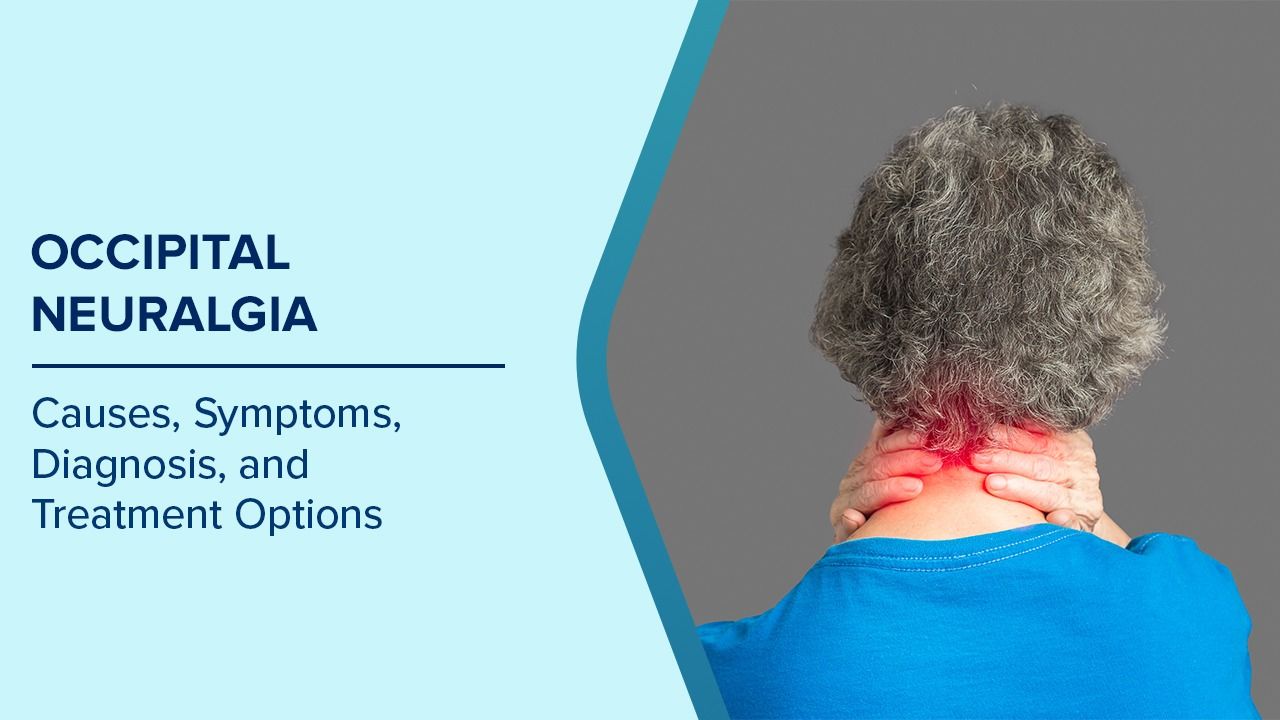
Occipital neuralgia is a nerve-related condition that causes sharp, shooting pain at the back of the head. It occurs when the occipital nerves, which run from the upper part of the spinal cord through the scalp, become irritated, inflamed, or compressed. These nerves are responsible for sensation in the back and top of the head.
The pain is often described as electric shock like, stabbing, or burning. It usually begins near the base of the skull and can spread towards the scalp, forehead, or behind the eyes. Some people also notice tenderness in the scalp or pain when moving the neck.
Unlike common headaches, occipital neuralgia is directly linked to nerve irritation. Because of this, the pattern and quality of pain are different from tension headaches or migraines, even though they may feel similar at first.
How is Occipital Neuralgia Different from Migraine?
Occipital neuralgia and migraine can feel similar at first, which is why they are often confused. Both can cause severe head pain and sensitivity to light. However, the source and pattern of pain are different as follows:
Nature of pain
Occipital neuralgia usually causes sharp, stabbing, or electric shock like pain. Migraine pain is more often throbbing or pulsating.
Location
Occipital neuralgia typically starts at the base of the skull and may spread upward. Migraine pain is commonly felt on one side of the head, often around the temples or forehead.
Triggers
Occipital neuralgia pain can worsen with neck movement or pressure on the back of the head. Migraines may be triggered by lack of sleep, certain foods, hormonal changes, or stress.
What Causes Occipital Neuralgia?
Occipital neuralgia develops when one or more of the occipital nerves become irritated or compressed along their course from the upper neck to the scalp. The cause may be mechanical, structural, or linked to an underlying medical condition:
Neck Muscle Tightness and Poor Posture
The occipital nerves pass through layers of muscles at the back of the neck. Persistent muscle tightness can place pressure on these nerves. Long hours of desk work, frequent use of mobile devices, and poor sitting posture can strain the neck muscles over time. This constant tension may gradually irritate the nerve and lead to repeated episodes of sharp pain.
Neck Injuries and Trauma
Sudden neck movements or injuries can directly affect the occipital nerves. Whiplash from road traffic accidents, sports injuries, or falls may stretch or inflame the nerve. Even minor trauma to the back of the head can trigger symptoms in some individuals. Pain may begin soon after the injury or develop weeks later.
Cervical Spine Disorders
Changes in the upper spine can also contribute to nerve irritation. Cervical spondylosis, disc bulges, arthritis, or degenerative disc disease may narrow the spaces through which the nerves pass. This narrowing can compress the nerve roots and cause recurring pain at the back of the head.
Compression from Surrounding Structures
Inflamed blood vessels, swollen tissues, or abnormal growths near the nerve pathway may create pressure. Though uncommon, tumours or cysts in the cervical region can affect the occipital nerves. Imaging tests are considered if structural causes are suspected.
Medical Conditions Affecting Nerves
Certain health conditions increase the risk of nerve inflammation. Diabetes can damage peripheral nerves over time. Infections and inflammatory disorders may also affect nerve health and contribute to symptoms.
Idiopathic Cases
In some individuals, no clear structural or medical cause is found. This is referred to as idiopathic occipital neuralgia. Even without an identifiable trigger, treatment can still help manage the pain effectively.
What are the Symptoms of Occipital Neuralgia?
The symptoms of occipital neuralgia are mainly linked to irritation of the occipital nerves. The pain pattern is often sudden and intense, and it usually follows the path of the affected nerve. The main symptoms of occipital neuralgia include:
- Sharp, electric shock like pain: Sudden, stabbing pain that begins at the base of the skull. The sensation may feel like a brief jolt or repeated shocks and can be severe enough to interrupt daily activity
- Pain radiating to other areas: The discomfort may spread upward from the back of the head to the scalp, forehead, or behind the eyes. In some cases, the pain affects one side of the head, though it can involve both sides.
- Burning or aching between attacks: A dull, throbbing ache may remain in the affected area between sharp episodes. This background discomfort can last for hours or days.
- Scalp tenderness and sensitivity: The scalp may feel sore to touch. Simple actions such as combing hair, washing the head, or resting the head on a pillow can trigger pain.
- Pain triggered by neck movement: Turning, bending, or extending the neck may worsen the symptoms. Pressure over the base of the skull can also reproduce the pain.
- Sensitivity to light: Some individuals report light sensitivity, which may lead to confusion with migraine, though nausea and visual disturbances are less common.
The pain may last for a few seconds to several minutes during each episode, and attacks can occur several times a day. In certain cases, symptoms become chronic if the underlying nerve irritation is not addressed.
How is Occipital Neuralgia Diagnosed?
Diagnosing occipital neuralgia involves a step by step clinical assessment. There is no single test that confirms the condition, so doctors rely on symptoms, physical findings, and selective investigations. Below is the diagnostic approach.
Medical History
The first step is a detailed discussion about the pain. The doctor asks about the location, nature, duration, and frequency of the episodes. Questions may include when the pain started, what triggers it, and if there is any history of neck injury or spine problems. A clear description of sharp, shooting pain beginning at the base of the skull often raises suspicion of occipital neuralgia.
Physical Examination
During the examination, the doctor gently presses along the course of the occipital nerves at the back of the head. Reproduction of the same sharp pain on pressure supports the diagnosis. Neck movement may also be assessed to check if it worsens the discomfort. Tender points over the base of the skull are a common finding.
Diagnostic Nerve Block
An occipital nerve block may be used both as a diagnostic and therapeutic tool. In this procedure, a small amount of local anaesthetic is injected around the affected nerve. Significant temporary pain relief after the injection strongly suggests occipital neuralgia. This response helps confirm that the nerve is the source of pain.
Imaging Tests
Imaging studies are not required in every case but may be advised if an underlying structural cause is suspected. MRI or CT scan of the cervical spine can help detect disc problems, arthritis, tumours, or other abnormalities that may be compressing the nerve.
What are the Treatment Options for Occipital Neuralgia?
Treatment for occipital neuralgia focuses on reducing nerve irritation, relieving pain, and addressing the underlying cause when possible. The approach usually begins with simple measures and progresses to more targeted interventions if needed. Below are the main treatment options.
Conservative Management
This is often the first step, especially in mild to moderate cases. It may include:
- Rest and activity modification: Limiting movements that strain the neck can reduce pressure on the nerve.
- Heat therapy: Warm compresses applied to the back of the neck may help relax tight muscles.
- Physiotherapy: Exercises to improve posture, strengthen neck muscles, and reduce mechanical stress on the nerve.
- Ergonomic correction: Adjusting workstations and daily habits to prevent repeated neck strain.
These measures are often effective in early or posture related cases.
Medications
Medicines may be prescribed to control inflammation and nerve pain. Options include:
- Anti inflammatory medicines: To reduce swelling and irritation around the nerve.
- Muscle relaxants: To ease muscle tightness contributing to compression.
- Nerve pain medicines: To reduce abnormal pain signals from the irritated nerve.
The choice depends on symptom severity and medical history.
Occipital Nerve Block
An occipital nerve block involves injecting a local anaesthetic, sometimes combined with a steroid, around the affected nerve. This can provide temporary but significant pain relief. In some cases, repeated injections help control recurring symptoms. The response to this procedure also confirms the nerve as the source of pain.
Radiofrequency Ablation
If pain persists despite other treatments, radiofrequency ablation may be considered. This procedure uses controlled heat to disrupt pain signals from the affected nerve. Relief can last for several months in suitable candidates.
Surgical Treatment
Surgery is rarely required and is reserved for severe cases that do not respond to other treatments. Nerve decompression procedures aim to relieve pressure on the occipital nerve. Careful evaluation is needed before considering this option.
Consult Today
Persistent pain at the back of your head can slowly start affecting your focus, sleep, and daily comfort, and it does not have to be something you simply put up with. If the pain feels sharp, sudden, or keeps returning despite usual remedies, it is important to get it checked rather than continuing to guess the cause. The right diagnosis can open the door to treatments that actually work for this type of nerve pain. Book an appointment with a neurologist at Max Hospital and take the first clear step towards steady, lasting relief.
Frequently Asked Questions
Can occipital neuralgia affect both sides of the head at the same time?
Yes, it can affect one or both sides. Some people experience pain only on one side, but in certain cases, both occipital nerves may be involved, leading to bilateral symptoms.
Is occipital neuralgia a long term condition?
It can be temporary in cases linked to muscle strain or minor injury. However, if the underlying cause persists, the condition may become chronic and require ongoing management.
Can stress make occipital neuralgia worse?
Stress can increase muscle tension in the neck and upper back, which may aggravate nerve irritation and trigger more frequent pain episodes.
Is occipital neuralgia linked to high blood pressure?
There is no direct link between high blood pressure and occipital neuralgia. However, severe or unusual head pain should always be medically evaluated to rule out other causes.
Can sleeping position influence symptoms?
Yes, poor neck support during sleep can strain the upper cervical region and worsen symptoms. Using a supportive pillow that maintains neutral neck alignment may help reduce discomfort.
Does occipital neuralgia lead to permanent nerve damage?
In most cases, it does not cause permanent damage. With timely diagnosis and appropriate treatment, symptoms can be controlled effectively.
Written and Verified by:

Related Blogs

Dr. Chandril Chugh In Neurosciences , Interventional Neurology
Nov 08 , 2020 | 1 min read

Dr. Chandril Chugh In Neurosciences , Interventional Neurology
Nov 08 , 2020 | 2 min read
Blogs by Doctor

7 Wonderful Exercises for Those Suffering From Epilepsy
Dr. Mukesh Kumar In Neurosciences
Feb 12 , 2018 | 2 min read

Most read Blogs


Related Blogs
Dr. Chandril Chugh In Neurosciences , Interventional Neurology
Nov 08 , 2020 | 1 min read
Dr. Chandril Chugh In Neurosciences , Interventional Neurology
Nov 08 , 2020 | 2 min read
Blogs by Doctor
7 Wonderful Exercises for Those Suffering From Epilepsy
Dr. Mukesh Kumar In Neurosciences
Feb 12 , 2018 | 2 min read
Most read Blogs