 WhatsApp Us (24/7)
 +91 926 888 0303 (24/7)


To Book an Appointment
Call Us+91 926 888 0303Obesity’s Impact on Women’s Hormones: Stress & Weight Gain
By Dr. Ritu Sethi in Obstetrics And Gynaecology
Dec 31 , 2025 | 2 min read

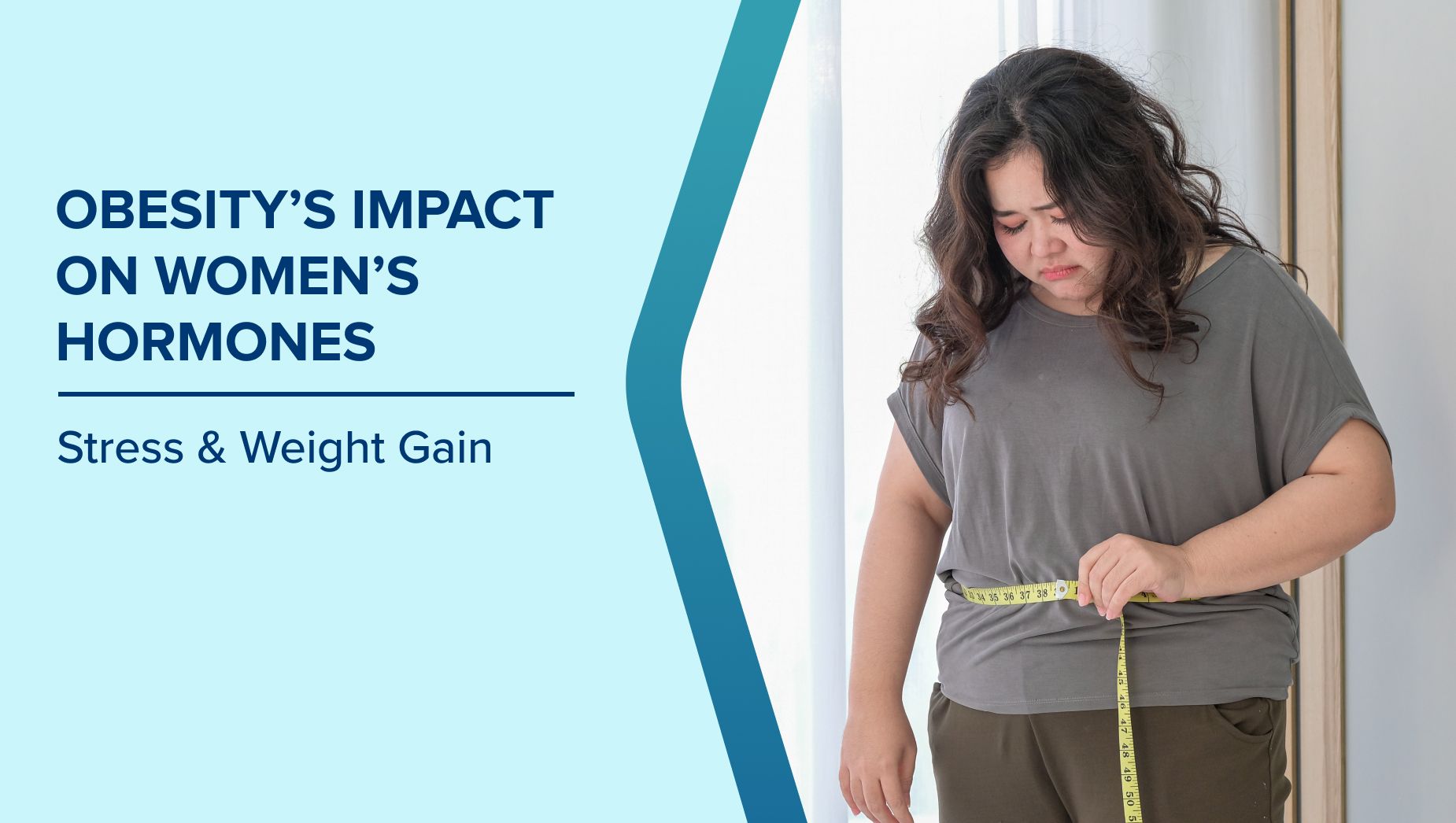
Obesity in women has evolved beyond being a lifestyle issue, it is now recognised as a significant medical condition closely linked to hormonal imbalance and multiple long-term health risks. Rapid urbanisation, unhealthy dietary patterns, sedentary lifestyles, chronic stress, and disturbed sleep cycles have created a complex interplay between excess weight and hormonal dysfunction, affecting a woman’s physical, reproductive, and emotional health.
Understanding the Hormone: Obesity Link
Hormones function as chemical messengers that regulate metabolism, appetite, menstrual cycles, fertility, and mood. Excess body fat, particularly abdominal fat, disrupts the delicate balance of hormones such as insulin, estrogen, cortisol, and thyroid hormones.
Adipose (fat) tissue is hormonally active. In overweight and obese women, it produces excess estrogen, which can disturb ovulation, lead to irregular menstrual cycles, and increase the risk of conditions such as polycystic ovary syndrome (PCOS), endometriosis, and infertility.
PCOS, Insulin Resistance and Weight Gain
PCOS is one of the most common hormonal disorders among women of reproductive age and has a strong association with obesity. Women with PCOS often experience irregular periods, acne, excessive facial hair growth, and difficulty conceiving. Obesity-related insulin resistance worsens hormonal imbalance, creating a vicious cycle where weight gain and PCOS reinforce each other, making management more challenging.
Thyroid Disorders and Slowed Metabolism
Hypothyroidism is another prevalent hormonal disorder in women and is characterised by a slowed metabolism, unexplained weight gain, fatigue, hair fall, and menstrual disturbances. While thyroid dysfunction can contribute to weight gain, obesity itself can further impair thyroid hormone regulation, making treatment more complex if not addressed early.
Stress Hormones and Emotional Health
Chronic stress elevates cortisol levels, which promote fat accumulation, especially around the abdomen. High cortisol levels also increase cravings for high-sugar and calorie-dense foods, contributing to emotional eating. Over time, this disrupts sleep patterns, mood stability, and overall hormonal equilibrium.
Impact on Fertility and Pregnancy Outcomes
Hormonal imbalance associated with obesity can significantly reduce fertility and increase pregnancy-related risks such as gestational diabetes, hypertension, pre-eclampsia, and miscarriage. Achieving a healthy weight before conception has been shown to improve fertility outcomes, reduce complications, and enhance maternal and foetal health.
Obesity and Increased Cancer Risk
Emerging evidence shows a strong link between obesity, hormonal imbalance, and certain cancers in women. Excess estrogen produced by fat tissue increases the risk of endometrial cancer, one of the most obesity-associated malignancies. Obesity is also a known risk factor for post-menopausal breast cancer, as higher estrogen levels stimulate abnormal cell growth. Addressing obesity is therefore crucial not only for hormonal health but also for cancer prevention.
Managing Obesity and Restoring Hormonal Balance
The encouraging news is that even modest weight loss, about 5 to 10 per cent of body weight, can lead to significant improvements in hormonal balance, insulin sensitivity, and menstrual regularity. A comprehensive approach involving a balanced diet, regular physical activity, stress reduction, adequate sleep, and medical supervision is essential. Early diagnosis and personalised treatment plans can prevent long-term complications.
Conclusion
Obesity and hormonal disorders in women must be viewed as interconnected medical conditions rather than cosmetic concerns. Awareness, early intervention, lifestyle modification, and timely medical care can help restore hormonal balance, reduce cancer risk, improve reproductive health, and enhance overall quality of life.
Written and Verified by:

Related Blogs

Dr. Manju Khemani In Obstetrics And Gynaecology
Oct 27 , 2020 | 3 min read

Dr. Neera Aggarwal In Obstetrics And Gynaecology , Nutrition And Dietetics
Nov 07 , 2020 | 7 min read
Blogs by Doctor

Most read Blogs

Related Blogs
Dr. Manju Khemani In Obstetrics And Gynaecology
Oct 27 , 2020 | 3 min read
Dr. Neera Aggarwal In Obstetrics And Gynaecology , Nutrition And Dietetics
Nov 07 , 2020 | 7 min read
Blogs by Doctor
Most read Blogs