 WhatsApp Us (24/7)
 +91 926 888 0303 (24/7)


To Book an Appointment
Call Us+91 926 888 0303NT Scan in Pregnancy: Purpose, Procedure, and Results
By Dr. Astha Srivastava in Obstetrics And Gynaecology
Dec 03 , 2025 | 5 min read

Pregnancy is a time of great anticipation, but it can also be filled with questions, especially when it comes to the various tests and appointments you'll have. One of the first detailed ultrasounds you might encounter is the NT scan.
The letters "NT" might seem a bit mysterious, and the purpose of the scan can be a source of anxiety. It's completely normal to wonder what it is, why it's necessary, and what the results could mean for your healthy pregnancy.
What is an NT Scan?
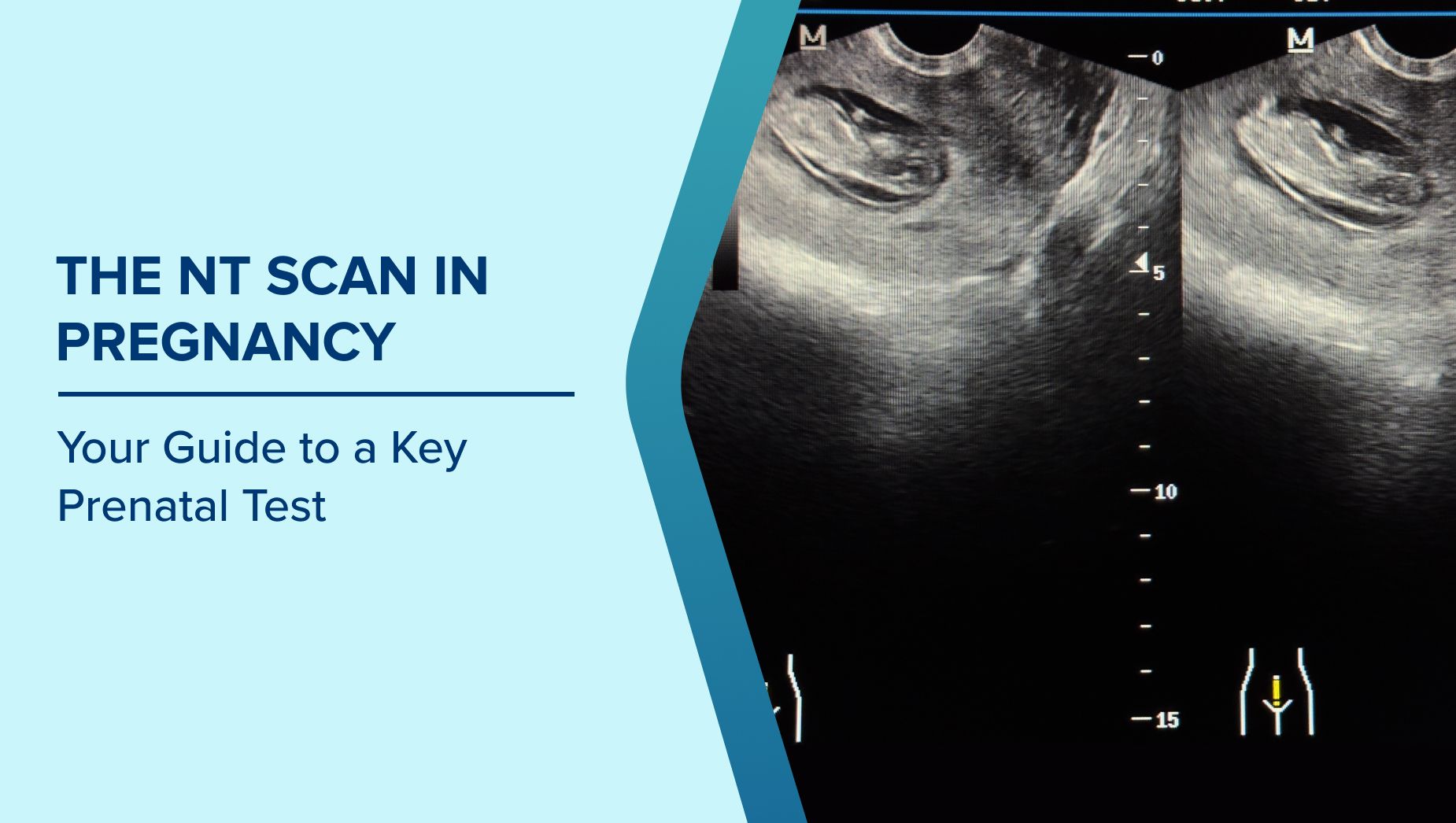
An NT scan, or nuchal translucency scan, is a specific type of ultrasound that measures the fluid-filled area at the back of your baby’s neck. This simple, non-invasive test helps medical experts assess the baby's risk of having certain chromosomal abnormalities, such as Down syndrome.
The scan measures the nuchal translucency, which is a clear tissue layer at the back of the fetus's neck. While a small amount of fluid is normal, a larger-than-average measurement can indicate a higher risk for chromosomal or structural abnormalities. The NT scan is a screening tool, not a diagnostic one, which means it provides a risk assessment rather than a definitive diagnosis. It’s part of a broader set of pregnancy tips aimed at understanding your baby’s development.
When and How is the NT Scan Performed?
The NT scan is done during the first trimester, ideally between 11 weeks and 13 weeks and 6 days of pregnancy. This time frame is important because the fluid behind the baby’s neck begins to decrease after this period, making accurate measurement difficult.
The scan is performed like a regular ultrasound. You will lie on an examination table while a clear gel is applied to your abdomen. A handheld device called a transducer will then be moved over your belly to capture images of the baby on a monitor. The entire process takes around 20 to 30 minutes and is completely safe and painless.
You may be asked to come with a full bladder to improve the clarity of the images. At the time of the scan, the technician will measure the baby’s length and the nuchal translucency, and may also check for the nasal bone, both of which are important indicators of your baby’s early development.
The Combined First Trimester Screening: Beyond the NT Scan
The NT scan is most effective when combined with a blood test. This is known as the Combined First Trimester Screening. This integrated approach provides a more comprehensive risk assessment than the NT scan alone.
The blood test measures the levels of two specific hormones in your blood:
- Human Chorionic Gonadotropin (hCG): This hormone is produced by the placenta.
- Pregnancy-Associated Plasma Protein-A (PAPP-A): A protein produced by the placenta.
By combining the measurements from the blood test with the nuchal translucency measurement and your age, doctors can calculate a more precise risk score for chromosomal conditions. This combination is a standard part of modern pregnancy care.
For example, a woman of a certain age may have a specific background risk for Down syndrome. If her NT measurement is thicker and her blood work shows certain hormone levels, her risk score will be adjusted upwards. Conversely, a normal NT measurement and healthy hormone levels would likely lower her risk score. This integrated approach provides a much more accurate picture of your baby's potential risk.
Why is the Combined Screening Better?
Medical experts suggest that the combined screening is more accurate because it accounts for multiple factors. The blood test helps refine the risk score, reducing the number of false positives that can occur with the NT scan alone. This helps prevent unnecessary anxiety and further invasive testing, which is a central goal in providing excellent prenatal health.
Read More:- Early Pregnancy Symptoms and Body Changes: What to Expect in Each Trimester
Understanding Your Results and Next Steps
Once the NT scan and blood test are complete, your healthcare provider will explain your results. The results will be presented as a risk ratio, for example, "1 in 1,000" or "1 in 50." It’s vital to remember that these are not definitive diagnoses.
- Low-Risk Result: A result like "1 in 5,000" means that out of 5,000 pregnancies with similar results, only one would have a chromosomal abnormality. This is a reassuring outcome, and no further testing is typically recommended.
- High-Risk Result: A result like "1 in 100" means that out of 100 pregnancies with similar results, one would have a chromosomal abnormality. This does not mean your baby has the condition. It simply indicates a higher statistical risk, and your doctor will discuss your options for further diagnostic testing.
Next Steps for a High-Risk Result
If you receive a high-risk result, your doctor will likely recommend a follow-up diagnostic test to get a definitive answer. These tests include:
- Chorionic Villus Sampling (CVS): A procedure performed between 10 and 13 weeks of pregnancy that involves taking a small sample of placental tissue for genetic analysis.
- Amniocentesis: A procedure performed after 15 weeks of pregnancy that involves taking a small sample of amniotic fluid for genetic testing.
It’s important to discuss the benefits and risks of these procedures with your healthcare provider. It’s also commonly recommended that you seek genetic counselling to fully understand your options and what the results could mean for your pregnancy stages.
Conclusion
The NT scan is an important and common part of first-trimester pregnancy care. It provides valuable information about your baby's development and helps you and your healthcare provider make informed decisions about your prenatal journey. While the process of screening can be nerve-wracking, understanding what to expect and why these tests are performed can provide immense peace of mind.
Remember, this scan is a tool to assess risk, not to provide a diagnosis. The information it provides is simply one piece of the puzzle, and your medical team is there to support you every step of the way. Trust your care team, ask questions, and focus on the beautiful journey ahead.
Frequently Asked Questions
Is the NT scan a mandatory test?
No, the NT scan is not mandatory. It is a screening test that you can choose to have. Your healthcare team will guide you through all possible options for prenatal screening and diagnosis.
Can the NT scan detect all chromosomal abnormalities?
The NT scan and combined screening are highly effective for screening for Down syndrome (Trisomy 21), Trisomy 18, and Trisomy 13. However, it cannot detect all possible chromosomal or genetic conditions.
What if the NT scan is not performed at the right time?
If you miss the window for the NT scan (11 to 14 weeks), you can still undergo other screenings later in the pregnancy, such as the quadruple screen in the second trimester.
Does a "normal" NT scan result guarantee my baby is healthy?
A normal NT scan result is very reassuring, but it doesn't guarantee a perfectly healthy baby. It primarily screens for certain chromosomal conditions. A healthy pregnancy involves regular prenatal checkups and other screenings to monitor the baby's development.
Is the NT scan safe for my baby?
Yes, the NT scan is an ultrasound and is considered very safe for both you and your baby. It uses sound waves, not radiation, to create images.
Written and Verified by:

Related Blogs

Dr. Manju Khemani In Obstetrics And Gynaecology
Oct 27 , 2020 | 3 min read

Dr. Neera Aggarwal In Obstetrics And Gynaecology , Nutrition And Dietetics
Nov 07 , 2020 | 7 min read
Blogs by Doctor

Living with PCOS: Embracing the Daily Challenges and Finding Strength
Dr. Astha Srivastava In Obstetrics And Gynaecology
Apr 28 , 2025 | 4 min read
Weeks 1 and 2 of Pregnancy: What You Need to Know
Dr. Astha Srivastava In Obstetrics And Gynaecology
Jul 16 , 2025 | 7 min read
Most read Blogs

Related Blogs
Dr. Manju Khemani In Obstetrics And Gynaecology
Oct 27 , 2020 | 3 min read
Dr. Neera Aggarwal In Obstetrics And Gynaecology , Nutrition And Dietetics
Nov 07 , 2020 | 7 min read
Blogs by Doctor
Living with PCOS: Embracing the Daily Challenges and Finding Strength
Dr. Astha Srivastava In Obstetrics And Gynaecology
Apr 28 , 2025 | 4 min read
Weeks 1 and 2 of Pregnancy: What You Need to Know
Dr. Astha Srivastava In Obstetrics And Gynaecology
Jul 16 , 2025 | 7 min read
Most read Blogs