 WhatsApp Us (24/7)
 +91 926 888 0303 (24/7)


To Book an Appointment
Call Us+91 926 888 0303Normal Respiratory Rate in Adults: Range, Health Significance, and How to Measure at Home
By Dr Ashish jain in Pulmonology
Feb 23 , 2026
4

We know about the importance of tracking our heart rate and blood pressure, but there's another crucial vital sign that deserves equal attention but usually gets overlooked: the respiratory rate (RR). It's simply the number of breaths taken in one minute. Because the body's need for oxygen and its ability to expel carbon dioxide are non-negotiable, changes in the breathing rate are often the earliest and most direct indicators of an infection or stress. Given that this vital sign offers such a clear look into what the body might be dealing with and if medical attention is necessary, this blog explores the normal respiratory rate across different age groups, why it matters, and practical ways to measure it accurately at home.
What is Considered a Normal Respiratory Rate in Adults?
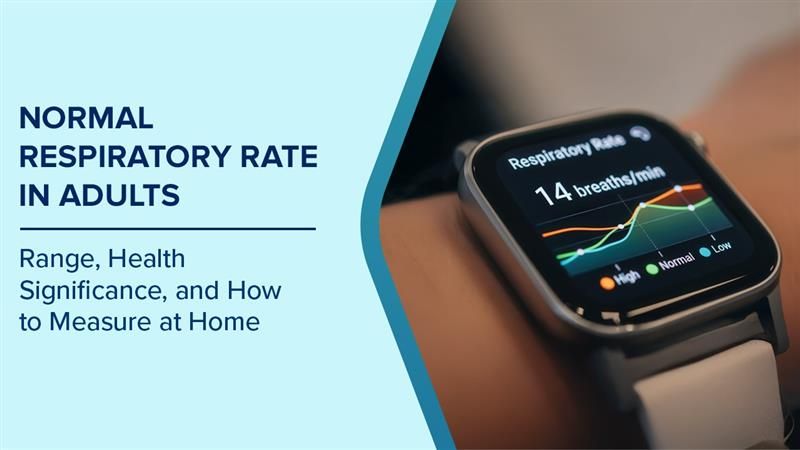
Respiratory rate is the number of breaths a person takes per minute, and in healthy adults, it generally falls between 12 and 20 breaths per minute at rest. This range is considered normal for an adult who is relaxed and not engaging in physical activity or under stress.
Respiratory rate is often assessed along with other vital signs such as heart rate, blood pressure, and oxygen saturation. Consistent readings outside the normal range, either below 12 (bradypnea) or above 20 (tachypnea), can indicate potential health issues.
What is Considered a Normal Respiratory Rate in Children?
Children naturally breathe faster than adults, and normal respiratory rates vary significantly depending on age. Here is the normal respiratory rate in children of various age groups:
| Age Group | Normal Respiratory Rate (breaths per minute) |
| Birth–1 month | 30–60 |
| 1–12 months | 30–50 |
| 1–2 years | 25–35 |
| 3–5 years | 20–30 |
| 6–12 years | 18–25 |
| 13–18 years | 12–20 |
Factors That Affect Respiratory Rate
Several factors can influence how fast or slow a person breathes. These include:
- Age: Infants and children naturally have higher respiratory rates than adults because their lungs and circulatory systems are still developing.
- Physical activity: Exercise or strenuous activity temporarily increases respiratory rate to supply more oxygen to muscles and remove carbon dioxide efficiently.
- Emotional state: Stress, anxiety, fear, or excitement can raise the breathing rate as the body responds to the “fight or flight” response.
- Body position: Sitting, standing, or lying down can slightly change the breathing pattern. For example, lying flat may make breathing feel deeper or slower for some people.
- Fever or illness: Infections, inflammation, or fever increase metabolic demand, causing the body to breathe faster to meet oxygen needs and remove carbon dioxide.
- Medications: Certain drugs, like sedatives, opioids, or anaesthetics, can slow breathing, while stimulants or bronchodilators may increase it.
- Lung or heart conditions: Respiratory diseases (asthma, pneumonia, COPD) or heart problems can alter the respiratory rate due to inefficient oxygen delivery or impaired lung function.
- Environmental factors: High altitude, extreme temperatures, or poor air quality can make the body breathe faster to compensate for reduced oxygen availability or stress on the respiratory system.
- Sleep or rest: Respiratory rate naturally slows during sleep or deep relaxation, reflecting lower oxygen demand.
Causes of a Low Respiratory Rate in Adults
A low respiratory rate, or bradypnea, occurs when an adult takes fewer than 12 breaths per minute at rest. It often indicates that the body’s respiratory control is impaired, oxygen demand is reduced, or lung function is compromised. Below are the main causes:
1. Medications Affecting the Nervous System
Certain drugs can slow the respiratory rate by suppressing the brain’s respiratory centres in the brainstem.
- Opioids: Painkillers bind to receptors in the brain that regulate breathing, reducing the drive to inhale and exhale. Overdose can cause dangerously slow or shallow breathing.
- Sedatives and anaesthetics: Drugs used for anxiety, sleep, or surgical procedures can depress central nervous system activity, leading to a slower breathing rate even at rest.
2. Neurological Disorders
The brain and nerves control breathing automatically. Any disruption can lead to bradypnea.
- Stroke or brain injury: Damage to areas like the brainstem, which controls automatic breathing, can impair respiratory signals. The result is slower and often irregular breathing.
- Neuromuscular diseases: Conditions such as amyotrophic lateral sclerosis (ALS) or muscular dystrophy weaken the diaphragm and other respiratory muscles, reducing lung expansion and slowing the breathing rate.
3. Sleep Disorders
Sleep-related problems can reduce breathing temporarily or chronically:
- Sleep apnoea: Obstruction of the airway during sleep can cause pauses in breathing, lowering the average respiratory rate and reducing oxygen levels.
- Obstructive sleep conditions: Narrow airways or relaxed throat muscles during sleep can cause slower, laboured breathing, particularly in overweight adults.
4. Metabolic or Endocrine Disorders
Changes in metabolism or hormone levels affect the body’s oxygen demand and respiratory control.
- Hypothyroidism: Low thyroid hormone slows metabolism, reducing the body’s oxygen requirement. This signals the brain to decrease breathing frequency.
- Electrolyte imbalances: Abnormal sodium, potassium, or calcium levels interfere with nerve and muscle function, including the diaphragm and other muscles involved in breathing.
5. Severe Illness or Medical Emergencies
Critical illnesses can directly or indirectly depress respiratory function:
- Respiratory depression from infections: Severe pneumonia, sepsis, or meningitis can affect the lungs or brain, slowing breathing.
- Cardiac arrest or extreme shock: Reduced blood flow and oxygen delivery to the brain can impair respiratory drive, causing bradypnea.
6. Excessive Alcohol or Drug Use
Alcohol and recreational drugs suppress the central nervous system. High doses can reduce the brain’s respiratory drive, resulting in dangerously low breathing rates and potential hypoxia (low oxygen levels in the blood).
7. Other Contributing Factors
- Obesity hypoventilation syndrome: Excess weight can restrict lung expansion, making breathing slower and less effective.
- Chronic fatigue or extreme relaxation: In some cases, prolonged rest or exhaustion temporarily lowers respiratory rate, though this is usually mild.
Causes of a High Respiratory Rate in Adults
A high respiratory rate, known as tachypnea, occurs when an adult takes more than 20 breaths per minute at rest. It often signals that the body is trying to meet increased oxygen demand, remove excess carbon dioxide, or compensate for underlying medical conditions. Below are the main causes:
1. Fever and Infections
Fever increases the body’s metabolism, which raises oxygen demand and produces more carbon dioxide. To maintain normal oxygen and carbon dioxide levels, the body responds with faster breathing. Infections such as pneumonia, influenza, or sepsis often trigger tachypnea as the lungs work harder to meet the body’s oxygen needs.
2. Lung and Respiratory Conditions
- Asthma: Inflammation and narrowing of airways reduce airflow, causing faster breathing to maintain oxygen supply.
- Chronic Obstructive Pulmonary Disease (COPD): Damaged lung tissue or obstructed airflow reduces oxygen intake, prompting rapid breaths.
- Pneumonia or pulmonary embolism: Reduced oxygen exchange in the lungs triggers an increased respiratory rate to compensate.
3. Heart and Circulatory Disorders
- Heart failure: The heart struggles to pump blood efficiently, leading to low oxygen delivery to tissues. The lungs compensate by increasing breathing rate.
- Shock or low blood pressure: Insufficient blood flow triggers rapid respiration to try to supply oxygen more effectively.
4. Metabolic and Endocrine Causes
- Diabetic ketoacidosis (DKA): High acid levels in the blood force the body to breathe faster to remove carbon dioxide and correct pH imbalance.
- Hyperthyroidism: Elevated thyroid hormone increases metabolism, raising oxygen demand and breathing rate.
5. Anxiety and Stress
Emotional stress, anxiety, or panic attacks activate the “fight or flight” response, stimulating faster and sometimes shallow breathing even in the absence of physical exertion.
6. Physical Activity or Exertion
Muscle activity increases oxygen demand and carbon dioxide production. During exercise or strenuous activity, the respiratory rate rises naturally to meet these demands.
7. Environmental Factors
High altitude, extreme heat, or poor air quality can reduce available oxygen or increase stress on the body, leading to faster breathing as a compensatory response.
8. Other Contributing Factors
Certain medications or recreational drugs can stimulate the nervous system, leading to increased respiratory rate. Obesity, restricted lung expansion, or chronic anemia also forces the body to breathe faster to maintain adequate oxygen levels.
How to Measure Respiratory Rate at Home?
Measuring respiratory rate at home is simple and requires no special equipment. It helps track breathing patterns and can indicate if medical attention may be needed.
- Step 1: Choose the Right Time - Measure your respiratory rate when you are at rest, sitting or lying comfortably, and not immediately after exercise, stress, or meals. This ensures a true baseline reading.
- Step 2: Observe Breathing - Sit quietly for a few minutes to relax. Observe chest movements without drawing attention, as conscious counting can alter the breathing rate. A hand lightly on the chest can help if needed.
- Step 3: Count the Breaths - Count the number of inhalations or complete breaths (one inhalation plus one exhalation) for 60 seconds.
- Step 4: Record and Compare - Note the number of breaths per minute and compare it with normal ranges: 12–20 breaths per minute for adults, with children’s rates varying by age.
Take multiple readings at different times to get an average. Avoid talking or moving during measurement. If readings are consistently abnormal or breathing appears laboured, consult a healthcare professional.
Optional tools such as pulse oximeters or wearable devices can assist in monitoring respiratory rate, particularly for individuals with chronic conditions, but manual counting is usually sufficient.
When to Seek Medical Help?
A change in respiratory rate can sometimes be a normal response to activity, stress, or temporary illness, but certain signs should never be ignored. Medical attention is necessary if any of the following occur:
- Persistent abnormal respiratory rate: Breathing consistently slower or faster than the normal range for your age at rest.
- Difficulty breathing: Shortness of breath, laboured breathing, or feeling unable to take a full breath.
- Bluish lips or fingertips (cyanosis): Indicates low oxygen levels in the blood and requires urgent evaluation.
- Chest pain or tightness: May signal underlying heart or lung conditions.
- Sudden changes in breathing pattern: Irregular breathing, pauses, or rapid shallow breaths.
- Associated symptoms: Fever, confusion, dizziness, extreme fatigue, or fainting alongside abnormal respiratory rate.
Consult Today
Monitoring your respiratory rate at home can give you important insights, but knowing when to seek professional guidance is equally vital. If you notice persistent changes in your breathing or any signs of distress, consulting with experienced specialists ensures timely assessment and appropriate care. Reach out to Max Hospital today to schedule a consultation with the specialists who can evaluate your condition, identify underlying causes, and recommend the right interventions.
Frequently Asked Questions
What factors can temporarily change my breathing rate?
Short-term changes can happen due to talking, laughing, eating, emotional stress, or mild physical activity. These temporary variations are usually harmless.
Can a normal respiratory rate vary during the day?
Yes, respiratory rate can fluctuate depending on activity, rest, sleep, and emotional state. Measuring at a calm, rested state gives the most accurate reading.
Does body position affect how I breathe?
Breathing can feel different when lying down, sitting, or standing. Lying flat may make breaths slightly deeper or slower, while sitting upright usually reflects the true resting rate.
Can dehydration influence breathing?
Severe dehydration can affect heart rate and circulation, indirectly making the body compensate with faster breathing, although mild dehydration usually has little effect.
Is it necessary to count breaths if I feel fine?
Regular monitoring isn’t needed for healthy adults, but it can be helpful for those with chronic conditions, recent respiratory infections, or anyone noticing unusual breathing patterns.
Are wearable devices reliable for tracking respiratory rate?
Many wearables can track breathing trends over time, but manual counting is still recommended for precise measurement, especially if unusual readings are observed.
How can I distinguish normal rapid breathing after exercise from a health concern?
Rapid breathing immediately after activity is normal. Concern arises if fast breathing occurs at rest, persists over time, or is accompanied by other symptoms such as dizziness, chest discomfort, or fatigue.
Can anxiety or panic attacks permanently change respiratory rate?
Anxiety may temporarily increase breathing rate, but it does not cause permanent changes. Practising relaxation techniques can help manage temporary spikes.
Written and Verified by:

Related Blogs

Medical Expert Team
Jun 06 , 2015 | 2 min read

Blogs by Doctor


Vaping: Understanding the Risks and Impacts on Health
Aug 22 , 2023 | 2 min read
Most read Blogs


Related Blogs
Medical Expert Team
Jun 06 , 2015 | 2 min read
Blogs by Doctor
Vaping: Understanding the Risks and Impacts on Health
Aug 22 , 2023 | 2 min read
Most read Blogs