 WhatsApp Us (24/7)
 +91 926 888 0303 (24/7)


To Book an Appointment
Call Us+91 926 888 0303What is Nipah Virus: Symptoms, Transmission and Prevention Tips
By Dr. Monica Mahajan in Internal Medicine
Feb 02 , 2026
5

The Nipah virus, a zoonotic virus (meaning it transmits from animals to humans), has become a recurring public health concern in parts of Asia, particularly Bangladesh and India. Spread primarily by fruit bats, with pigs acting as intermediary hosts; this virus has caused outbreaks nearly every year since its first alarming appearance in 1999.
The initial outbreak in Malaysia and Singapore tragically claimed over 100 lives and had a devastating economic impact. To control the spread, over a million pigs were killed. Since then, there have been approximately 20 additional outbreaks, highlighting the ongoing threat posed by the Nipah virus.
What is Nipah Virus?
Nipah virus is a highly infectious zoonotic virus that spreads from animals to humans, with fruit bats identified as its natural carriers. It belongs to the Henipavirus genus and is known to cause severe illness in humans, ranging from mild flu-like symptoms to life-threatening brain infection and respiratory distress. First identified during an outbreak in Malaysia in 1999, Nipah virus infection has since been reported in several parts of South and Southeast Asia, including India and Bangladesh. The virus is particularly concerning due to its high fatality rate and its ability to spread through direct contact with infected animals, contaminated food, or infected individuals.
Nipah Virus Infection Symptoms
The severity of Nipah virus infection varies greatly. Some people may not experience any symptoms at all (asymptomatic), while others develop a range of illnesses, from mild respiratory problems to fatal brain inflammation (encephalitis). However, understanding the symptoms can help:
Initial Symptoms
- Fever: Often the first sign of infection, characterised by an elevated body temperature.
- Headache: Persistent and severe headaches that may increase in intensity over time.
- Muscle pain: Generalised muscle aches and discomfort, often described as flu-like symptoms.
Progression of Symptoms
- Encephalitis (brain inflammation): Characterised by swelling of the brain, leading to severe neurological complications.
- Seizures: Sudden, uncontrolled electrical disturbances in the brain, causing convulsions.
- Confusion: Cognitive impairment, including disorientation and difficulty concentrating.
- Respiratory issues:
- Cough: Persistent coughing, which may be dry or productive.
- Sore throat: Pain or discomfort in the throat, often accompanying respiratory symptoms.
Severe Symptoms
- Coma: A state of prolonged unconsciousness, often resulting from severe brain inflammation.
- Death: High mortality rate, with death occurring in 40% to 75% of cases depending on the outbreak.
Read more- An Introductory Guide to Infectious Diseases
What Causes Nipah Virus Infection and Who Is at Higher Risk?
Nipah virus infection occurs after exposure to the virus through infected bats, intermediate animal hosts, or infected individuals. The most common nipah virus causes are linked to environments and behaviours that increase contact with these sources. These include:
- Fruit bats as the natural reservoir: Fruit bats carry the Nipah virus without showing signs of illness. Infection in humans begins only after bat saliva, urine, or droppings contaminate food, water, or nearby surfaces.
- Consumption of contaminated food or drinks: Eating fruits or drinking raw date palm sap contaminated by bat secretions increases the likelihood of infection.
- Contact with infected animals: Animals such as pigs can become infected after exposure to bats. People involved in animal handling or farming face a higher risk through direct contact with bodily fluids.
- Close contact with an infected person: Direct exposure to respiratory secretions or other body fluids can lead to infection, especially in household and healthcare settings.
- Caregiving and healthcare exposure: Family members and healthcare workers are at greater risk when infection control practices are inadequate.
Transmission of Nipah Virus Infection
The Nipah virus, carried by fruit bats, poses a significant threat to humans. Here's a closer look at how this dangerous virus can spread:
- Animal-to-Human Transmission
In subsequent outbreaks in India, the most likely source of Nipah virus infection was the consumption of fruits or fruit products contaminated with urine or saliva from infected fruit bats. This includes raw date palm juice, which can become contaminated when bats feed on or come into contact with these fruits.
- Human-to-Human Transmission
Human-to-human transmission of the Nipah virus has been reported, particularly among family members and care givers of infected patients. This transmission occurs through close contact with the secretions and excretions of infected individuals.
Diagnosis and Treatment of Nipah Virus Infection
Initial symptoms of Nipah virus infection are often nonspecific, making early diagnosis difficult and potentially hindering timely detection and control.
Diagnostic Tests
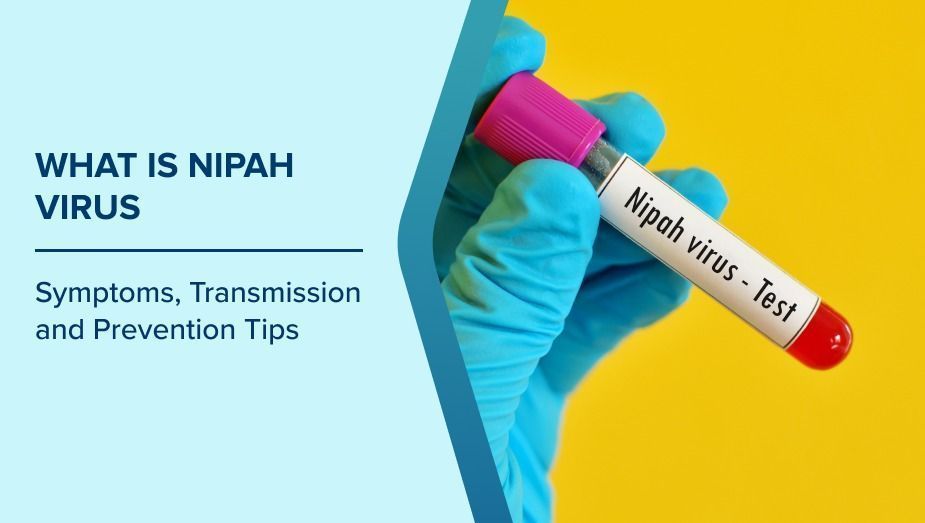
- Real-Time Polymerase Chain Reaction (RT-PCR): Detects the presence of the virus in bodily fluids, providing a rapid and accurate diagnosis.
- Enzyme-Linked Immunosorbent Assay (ELISA): Used to detect antibodies against the Nipah virus during the acute and convalescent phases.
- Polymerase Chain Reaction (PCR) Assay: Identifies viral genetic material in clinical samples.
- Virus Isolation by Cell Culture: Cultivates the virus from clinical samples to confirm infection.
Treatment
- Current options: There are no specific drugs or vaccines available for Nipah virus infection at present.
- Supportive care: Intensive supportive care is crucial for managing severe respiratory and neurological complications.
Read more - Viral Infections: Symptoms, Causes, Risk Factors and Treatments
What are the Complications of Nipah Virus?
Nipah virus infection can lead to severe and, at times, life-threatening health outcomes. The complications vary depending on how the virus affects the brain, lungs, and other organs. Some nipah virus diseases develop during the active phase of infection, whereas others may continue or appear after apparent recovery. Common complications include:
1. Encephalitis (Brain Inflammation)
Encephalitis is one of the most serious complications of Nipah virus infection. It can cause headache, high fever, confusion, seizures, altered consciousness, and coma. Rapid progression is possible, making this complication a major contributor to high mortality rates.
2. Severe Respiratory Complications
The virus may affect the lungs, leading to symptoms such as shortness of breath, cough, and acute respiratory distress. In severe cases, respiratory failure may occur, requiring intensive medical support.
3. Long-Term Neurological Sequelae
Some individuals continue to experience neurological problems after recovery. These may include memory impairment, difficulty concentrating, behavioural changes, and recurrent seizures, which can affect daily functioning and quality of life.
4. Relapse or Late-Onset Encephalitis
In certain cases, inflammation of the brain may reappear months or even years after the initial infection. This delayed complication is unpredictable and can occur even in individuals who appeared to have fully recovered.
5. Multi-Organ Dysfunction
Severe Nipah virus infection can disrupt the function of multiple organs, including the kidneys and cardiovascular system. This can lead to systemic complications and increases the risk of fatal outcomes.
Prevention Tips for Nipah Virus Infection
The Nipah virus primarily spreads through close contact with infected animals or humans. To reduce the risk of infection, follow these professional prevention tips:
- Avoid handling bats: Refrain from handling bats or entering areas where bats are known to roost.
- Practise good hygiene: Wash hands frequently with soap and water, especially after handling animals or caring for sick individuals.
- Ensure proper food safety: Cook meat and other animal products thoroughly before consumption to eliminate potential pathogens.
- Use personal protective equipment (PPE): To prevent transmission, healthcare workers should wear appropriate PPE, including gloves, masks, and gowns, when caring for Nipah virus patients.
- Isolation and quarantine: During outbreaks, isolate and quarantine affected individuals to prevent further spread of the virus.
When to Seek Medical Attention?
If you suspect exposure to the Nipah virus, it's crucial to seek medical care immediately. Timely diagnosis and supportive treatment significantly enhance the likelihood of a successful recovery.
Conclusion
Nipah virus infection represents a significant public health challenge, particularly in areas where the virus is endemic. With its high mortality rate and potential for human-to-human transmission, the Nipah virus requires ongoing vigilance, research, and strong public health strategies. By learning more about the virus and focusing on prevention, treatment, and research, we can better manage outbreaks and safeguard global health.
Frequently Asked Questions
Who is at risk of Nipah virus?
Although not everyone residing near fruit bat colonies will contract the Nipah virus, those who frequently come into close contact with these bats may face a higher risk. This includes residents of areas with large bat populations, as well as researchers and wildlife conservationists who work directly with bats.
Which organ is affected by the Nipah virus?
Nipah virus primarily affects the brain, causing severe encephalitis, which leads to inflammation of the brain tissue. It can also impact the respiratory system, resulting in symptoms such as coughing and difficulty breathing.
What is the lifespan of the Nipah virus?
Nipah virus can survive for up to 3 days in some fruit juices or mango fruit and for at least 7 days in artificial date palm sap kept at 22°C. The virus has a half-life of 18 hours in the urine of fruit bats.
What happens to Nipah virus infection survivors?
Many individuals who have survived Nipah virus disease in the long term continue to experience ongoing fatigue and functional limitations. Those who have suffered from encephalitis (brain inflammation) may also have enduring symptoms such as weakness, cranial nerve abnormalities, brain atrophy, learning disabilities, and behavioural issues.
How long is the incubation period?
Symptoms generally show up within 5 to 14 days of exposure to the virus. However, longer incubation periods of up to 2 months have also been noted.
How Contagious is the Nipah Virus?
Nipah virus is moderately contagious between humans but not as easily spread as flu or COVID-19. It transmits mainly through close contact with infected people's bodily fluids like saliva, respiratory secretions, or urine. Healthcare workers and family caregivers face the highest risk. The virus doesn't spread through casual contact, but outbreaks can happen in hospitals and communities without proper infection control.
Is there a Cure for Nipah Virus?
No, there is no specific cure or antiviral treatment for Nipah virus. Treatment focuses on supportive care like managing symptoms, maintaining breathing, and preventing complications. Patients receive intensive care including fluids, oxygen, and seizure management. The antiviral ribavirin has been tested but hasn't proven effective. Early hospitalization improves survival chances, making prevention crucial.
Is Nipah Virus Airborne?
Nipah virus is not truly airborne like measles. It can spread through respiratory droplets when infected people cough or sneeze at close range. The nipah virus life cycle involves replication in respiratory tissues, making the virus present in respiratory secretions. It doesn't travel long distances through air but can transmit through direct droplet contact or contaminated surfaces.
Is there a Vaccine for Nipah Virus?
No licensed vaccine currently exists for Nipah virus in humans. Several candidates are in development and testing, with some showing promise in animal studies. Until a vaccine becomes available, prevention relies on avoiding bat exposure, contaminated food, practicing good hygiene, and using protective equipment when caring for infected patients.
Written and Verified by:

Related Blogs


Dr. Vandana Boobna In Internal Medicine
Nov 08 , 2020 | 2 min read
Blogs by Doctor


What is Zika Virus: Causes, Signs, Symptoms, Cure and Preventions
Dr. Monica Mahajan In Internal Medicine
Jun 27 , 2024 | 4 min read
Most read Blogs


Related Blogs
Dr. Vandana Boobna In Internal Medicine
Nov 08 , 2020 | 2 min read
Blogs by Doctor
What is Zika Virus: Causes, Signs, Symptoms, Cure and Preventions
Dr. Monica Mahajan In Internal Medicine
Jun 27 , 2024 | 4 min read
Most read Blogs