 WhatsApp Us (24/7)
 +91 926 888 0303 (24/7)


To Book an Appointment
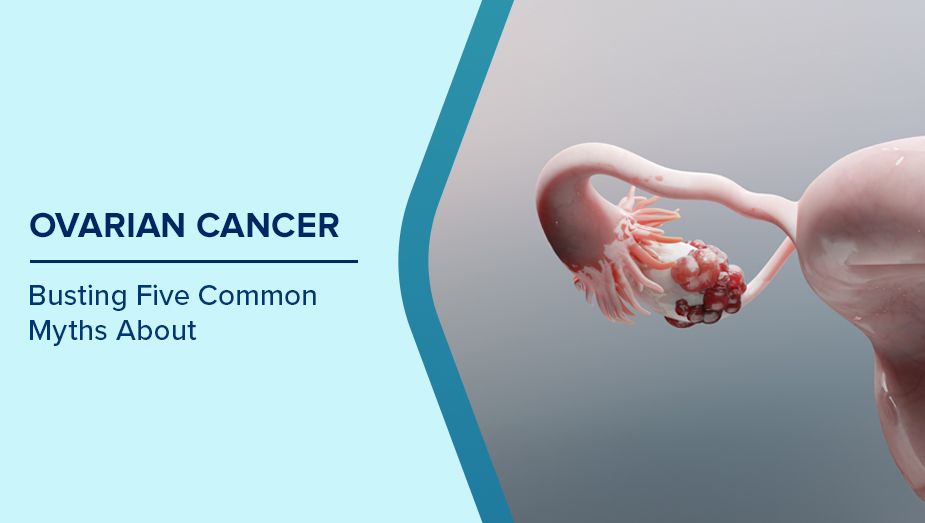
Call Us+91 926 888 0303Ovarian Cancer: Busting Five Common Myths
By Dr. Sarita Kumari in Cancer Care / Oncology , Gynecologic Oncology
Oct 22 , 2025 | 5 min read

When it comes to women’s health, few topics are surrounded by as much misunderstanding as ovarian cancer. This condition, often called the “silent” or “hidden” cancer, is frequently misunderstood due to misinformation about its causes, symptoms, and who it affects. Such myths can delay diagnosis, create unnecessary fear, and prevent women from taking proactive steps toward their health.
Understanding the truth about ovarian cancer empowers women to recognise changes early, seek timely medical advice, and protect their overall well-being.
Why Myths About Ovarian Cancer Persist
Many myths about ovarian cancer arise from confusion with other gynaecological conditions, such as ovarian cysts or endometriosis. Others stem from the subtle nature of symptoms that make early detection difficult. Lack of open discussion and awareness further allows misinformation to spread.
By separating facts from fiction, women can make informed health choices and ensure early detection and proper treatment when necessary.
Myth 1: Only Older Women Get Ovarian Cancer
A common misconception is that ovarian cancer affects only postmenopausal women. While it is more common in older women, it can occur at any age, including during the reproductive years.
Different types of ovarian cancer affect women differently. For example, epithelial ovarian cancer typically occurs after menopause, whereas germ cell tumours may develop in younger women, including teenagers.
Recognising that age is only one of several risk factors encourages women of all ages to remain aware of their gynaecological health and attend routine check-ups. Early consultation is key, regardless of age.
Myth 2: Ovarian Cancer Always Shows Clear Symptoms Early On
Many believe that ovarian cancer produces obvious symptoms right from the start. In reality, the early signs are often subtle and can easily be mistaken for common digestive or menstrual issues.
Symptoms may include persistent bloating, abdominal discomfort, frequent urination, or changes in appetite. Because these signs mimic other, less serious conditions, they are sometimes ignored or misattributed.
The key difference is that ovarian cancer symptoms tend to persist and gradually worsen over time. Monitoring such ongoing changes and seeking medical evaluation can lead to earlier diagnosis and better recovery.
Myth 3: Ovarian Cysts Always Lead to Ovarian Cancer
Ovarian cysts and ovarian cancer are not the same. Most cysts are benign, meaning they are non-cancerous and often resolve naturally without treatment. They commonly occur as part of a woman’s normal menstrual cycle.
However, some cysts, particularly those that are large, persistent, or contain solid areas, may require closer evaluation to rule out malignancy. This does not mean all cysts are dangerous, but rather that monitoring by a gynaecologist ensures safety and peace of mind.
Understanding the distinction between cysts and cancer helps reduce unnecessary fear while promoting responsible health monitoring.
Myth 4: Ovarian Cancer Cannot Be Detected Until It Is Too Late
While ovarian cancer can be challenging to detect in its earliest stages, it is not undetectable. Awareness and timely evaluation can make a significant difference.
Healthcare professionals use several diagnostic tools to assess ovarian health, including:
- Pelvic examination to identify any unusual swelling or tenderness
- Ultrasound imaging to determine whether a mass is fluid-filled or solid
- Blood tests to measure tumour markers such as CA-125
- CT or MRI scans to assess the extent of any abnormal growths
These techniques help doctors identify suspicious changes early. Women who stay alert to their body’s signals and undergo regular gynaecological check-ups are far more likely to detect potential problems at a treatable stage.
Myth 5: Family History Is the Only Risk Factor
Although genetics plays an important role, family history is not the only factor influencing ovarian cancer risk.
Other contributing elements include:
- Age: The risk increases with age, especially after menopause.
- Endometriosis: Endometriosis can slightly elevate the risk.
- Hormonal factors: Long-term hormone replacement therapy or irregular ovulation cycles can contribute.
- Lifestyle habits: Poor diet, lack of exercise, and smoking may also play a role in some cases.
Having a family history of breast or ovarian cancer does not mean a woman will definitely develop it, but it does highlight the importance of regular screening and, if needed, genetic testing.
Maintaining a healthy lifestyle, staying informed, and keeping up with medical appointments are all practical steps that can lower overall risk.
Empowering Women Through Awareness
The key to preventing late diagnosis lies in awareness. Understanding how ovarian cancer presents, who it affects, and how it differs from other gynaecological conditions encourages women to act promptly when something feels unusual.
Healthcare professionals emphasise the importance of not dismissing persistent changes in the body. Pelvic pain, bloating, or appetite changes that do not improve should never be ignored. Regular consultations and honest communication with a gynaecologist can make all the difference.
When to Consult a Gynaecologist or Gynae Oncologist
Women should seek medical advice if they experience:
- Ongoing bloating or swelling in the abdomen
- Persistent pelvic or back pain
- Changes in bowel or bladder habits
- Sudden weight loss or fatigue
A referral to a gynaecological oncologist may be recommended if:
- A cyst shows solid components or abnormal growth
- Blood tests reveal raised tumour markers such as CA-125.
- Imaging suggests a suspicious mass
- A diagnosis of ovarian cancer is confirmed
Early assessment by specialists ensures accurate diagnosis and timely intervention.
Conclusion
Ovarian cancer remains one of the most misunderstood gynaecological conditions, largely due to persistent myths and misinformation. Understanding the truth behind these misconceptions empowers women to take control of their health, recognise warning signs early, and seek timely medical advice.
Awareness and open discussion not only dispel fear but also save lives. Regular gynaecological check-ups, healthy living, and informed decision-making are powerful tools in protecting ovarian health.
Frequently Asked Questions
Can ovarian cancer occur even after a hysterectomy?
Yes, if one or both ovaries are left in place after a hysterectomy, ovarian cancer can still develop. The risk depends on whether the ovaries were removed during surgery.
What is the difference between ovarian and fallopian tube cancer?
Ovarian cancer starts in the ovaries, while fallopian tube cancer begins in the tubes connecting the ovaries and uterus. However, their symptoms and treatments can be similar.
Does using birth control reduce the risk of ovarian cancer?
Oral contraceptives can lower ovarian cancer risk when used for several years, but they should only be taken under medical advice based on individual health needs.
Can diet and exercise influence ovarian cancer risk?
A balanced diet, regular exercise, and maintaining a healthy weight can help support hormonal balance and overall health, which may reduce the risk of several types of cancer.
Are there specific screening tests for ovarian cancer?
Unlike cervical cancer, there is no universal screening test for ovarian cancer. Regular pelvic examinations and ultrasound imaging are recommended for women at higher risk.
How can women monitor their ovarian health at home?
While self-exams cannot detect ovarian cancer, paying attention to ongoing abdominal discomfort, bloating, or appetite changes and reporting them promptly is essential.
Written and Verified by:

Related Blogs

Dr. Kanika Batra Modi In Cancer Care / Oncology
Nov 07 , 2020 | 3 min read

Dr. R.Ranga Rao In Medical Oncology , Cancer Care / Oncology , Thoracic Oncology
Nov 07 , 2020 | 2 min read
Blogs by Doctor

Minimally Invasive Gynae-Onco Surgery: Benefits, Recovery & After Tips
Dr. Sarita Kumari In Surgical Oncology , Gynecologic Oncology
Feb 19 , 2025 | 3 min read
Most read Blogs


Related Blogs
Dr. Kanika Batra Modi In Cancer Care / Oncology
Nov 07 , 2020 | 3 min read
Dr. R.Ranga Rao In Medical Oncology , Cancer Care / Oncology , Thoracic Oncology
Nov 07 , 2020 | 2 min read
Blogs by Doctor
Minimally Invasive Gynae-Onco Surgery: Benefits, Recovery & After Tips
Dr. Sarita Kumari In Surgical Oncology , Gynecologic Oncology
Feb 19 , 2025 | 3 min read
Most read Blogs