 WhatsApp Us (24/7)
 +91 926 888 0303 (24/7)


To Book an Appointment
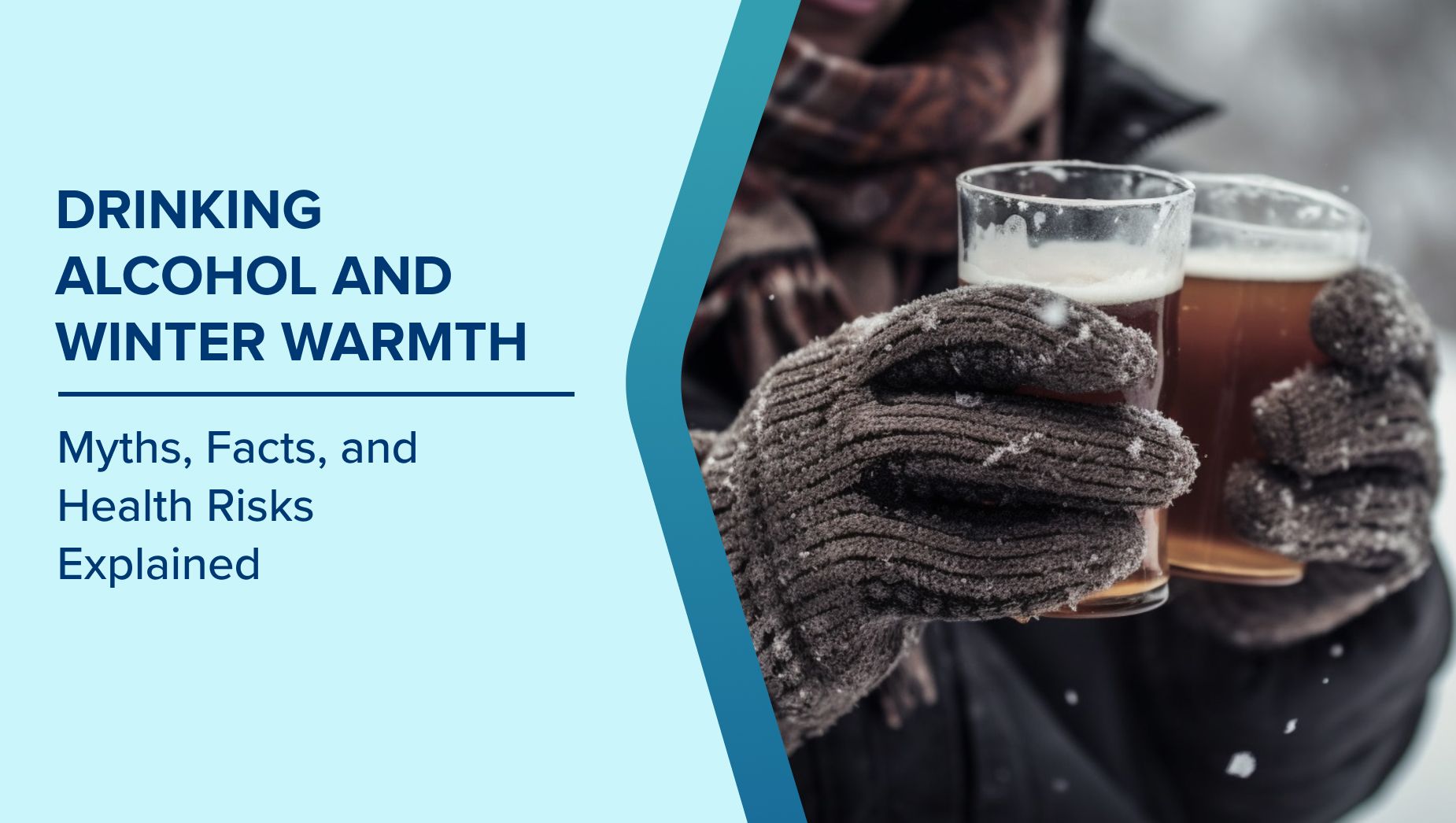
Call Us+91 926 888 0303Drinking Alcohol and Winter Warmth: Myths, Facts, and Health Risks Explained
By Dr. Prem Narayan Vaish in Internal Medicine
Nov 27 , 2025 | 5 min read

Drinking alcohol in winter may make you feel warm, but it doesn’t actually increase your body temperature. When you drink, alcohol causes blood vessels to dilate, sending more warm blood to the skin’s surface and creating a temporary feeling of warmth. However, this effect lowers your core body temperature, increasing the risk of hypothermia in cold weather. So while a sip of whiskey might feel comforting on a frosty night, the warmth is only an illusion.
Why Alcohol Makes You Feel Warm
When you drink alcohol, you might notice a feeling of warmth shortly after your first sip. This sensation is real and happens because alcohol makes your blood vessels, especially those near your skin, widen. With your blood vessels expanded, more warm blood from your core flows toward your skin’s surface, giving you that temporary feeling of heat.
However, while your skin may feel warmer, your core body temperature—where your vital organs are—actually drops. Alcohol tricks your brain into sensing false warmth, but your body is really losing heat. This fleeting comfort is misleading, especially in cold environments, because a drop in core temperature raises your risk for hypothermia.
What Actually Happens to Your Body When You Drink in Cold Weather
When alcohol enters your bloodstream, your body reacts in several ways that affect temperature regulation:
- Reduced Core Body Heat: Alcohol draws heat away from your vital organs to your skin’s surface, causing your internal temperature to fall faster than usual.
- Weakened Shivering Response: Shivering is your body’s natural defence against cold. Alcohol slows down the brain’s ability to signal muscles to shiver.
- Altered Circulation: Increased blood flow near the skin leads to faster heat loss, especially in freezing conditions.
- Delayed Awareness of Cold: Alcohol dulls your senses, so you might not notice how cold you are actually getting.
Myths vs. Facts: Does Alcohol Keep You Warm?
Let’s clear up some common misconceptions:
Myth 1: Alcohol helps your body generate heat.
Fact: Alcohol doesn’t create new heat; it only moves existing heat from your core to your skin.
Myth 2: Drinking alcohol in winter protects you from the cold.
Fact: It does the opposite. Alcohol lowers your core temperature and increases your risk of hypothermia.
Myth 3: A shot of alcohol helps you sleep better on a cold night.
Fact: Alcohol may make you sleepy but disrupts deep sleep and temperature regulation.
Myth 4: Alcohol warms you faster than food or exercise.
Fact: Food and physical activity generate metabolic heat; alcohol only redistributes it.
Alcohol and Hypothermia Risk
One of the biggest dangers of drinking alcohol in cold weather is hypothermia. This life-threatening condition occurs when your body loses heat faster than it can produce it.
Alcohol accelerates this process in several ways:
- Vasodilation: Expanded blood vessels release heat more quickly through your skin.
- Impaired Judgment: Alcohol dulls your sense of danger, causing you to stay outside longer.
- Reduced Shivering: Your natural heat-generating mechanism slows down.
- Loss of Coordination: Increases the risk of falls or exposure in freezing conditions.
Cold-weather activities such as skiing, hiking, or camping can become hazardous when combined with alcohol. Even moderate drinking in cold environments increases the risk of hypothermia, dehydration, and poor coordination.
In short, alcohol doesn’t keep you warm; it quietly puts your life at risk in extreme cold.
Alcohol, Circulation, and the Illusion of Warmth
The warmth people associate with alcohol is a physiological illusion caused by how it affects circulation.
Normally, your body maintains warmth by keeping blood near the core when it’s cold. Alcohol disrupts this system:
- It causes blood vessel dilation, sending warm blood to the skin.
- The skin feels warmer, but heat escapes quickly.
- The brain misinterprets this surface warmth as overall warmth.
As a result, you may delay putting on warm clothes or seeking shelter, even though your body temperature is dropping.
Over time, this illusion increases the risk of frostbite and hypothermia.
The Health Risks of Winter Drinking
Beyond the illusion of warmth, drinking alcohol in cold weather comes with multiple health risks.
Short-Term Risks
- Hypothermia: Lower core temperature and faster heat loss.
- Impaired Coordination: Increases risk of accidents and frostbite.
- Dehydration: Alcohol acts as a diuretic.
- Fatigue and Drowsiness: Makes it harder to recognise cold stress.
Long-Term Risks
- Weakened Immune System: Increased risk of winter infections like the flu.
- Liver Stress: Frequent drinking strains the liver.
- Heart and Circulation Issues: Chronic alcohol use can damage blood vessels and raise blood pressure.
Alcohol in winter reduces your ability to stay warm, alert, and safe.
Safe Ways to Stay Warm in Winter (Without Alcohol)
There are safe, natural, and effective ways to stay warm:
Layer Up Properly
- Wear multiple thin layers instead of one heavy coat.
- Choose moisture-wicking inner layers and insulated outerwear.
- Wear gloves, scarves, and hats to prevent heat loss.
Stay Active
- Gentle physical activity boosts circulation and warms the body.
- Brisk walking or stretching can help if you feel cold.
Eat Warming, Nutritious Foods
- Warm soups, whole grains, nuts, and lean proteins help maintain energy.
- Spices like ginger and cinnamon offer a mild warming effect.
Hydrate Well
- Cold air and alcohol both cause dehydration.
- Drink warm beverages like herbal tea or broth.
Rest and Sleep Well
- Fatigue reduces your body’s temperature-control ability.
- Good sleep strengthens immunity and cold tolerance.
Use Warm, Non-Alcoholic Drinks
- Hot cocoa, herbal tea, and warm milk provide safe comfort.
Conclusion
Does drinking alcohol keep you warm in winter? The answer is no.
Alcohol only creates the illusion of warmth by pulling heat to your skin’s surface. Your core temperature actually drops, increasing the risk of hypothermia, dehydration, and impaired coordination.
If you enjoy an occasional drink, do so responsibly and never rely on alcohol to stay warm. Real warmth comes from proper clothing, nutritious food, physical activity, and hydration.
Frequently Asked Questions
Can drinking alcohol help you tolerate cold weather better?
No, alcohol only redistributes heat and increases the risk of hypothermia.
Why do I start sweating after drinking alcohol in winter?
Alcohol dilates blood vessels and warms the skin, triggering sweating. In cold weather, this accelerates heat loss.
Is it dangerous to drink alcohol outdoors in freezing temperatures?
Yes, outdoor drinking can quickly lead to hypothermia, frostbite, or accidents.
How long does the warm feeling from alcohol last?
The warm sensation lasts 15–30 minutes but fades as core temperature drops.
Can alcohol worsen frostbite or cold-related injuries?
Yes, it impairs circulation and awareness, increasing frostbite risk.
Does drinking alcohol affect how your body burns calories in winter?
Yes, alcohol interferes with metabolism and reduces available energy for warmth.
Written and Verified by:

Related Blogs


Dr. Vandana Boobna In Internal Medicine
Nov 08 , 2020 | 2 min read
Blogs by Doctor

Your Ultimate Guide to Handwashing
Dr. Prem Narayan Vaish In Internal Medicine
Oct 11 , 2022 | 1 min read
Monsoon Season Health Tips – Disease Prevention, Symptoms & Hygiene Tips
Dr. Prem Narayan Vaish In Internal Medicine
Aug 04 , 2025 | 3 min read
Most read Blogs


Related Blogs
Dr. Vandana Boobna In Internal Medicine
Nov 08 , 2020 | 2 min read
Blogs by Doctor
Your Ultimate Guide to Handwashing
Dr. Prem Narayan Vaish In Internal Medicine
Oct 11 , 2022 | 1 min read
Monsoon Season Health Tips – Disease Prevention, Symptoms & Hygiene Tips
Dr. Prem Narayan Vaish In Internal Medicine
Aug 04 , 2025 | 3 min read
Most read Blogs