 WhatsApp Us (24/7)
 +91 926 888 0303 (24/7)


To Book an Appointment
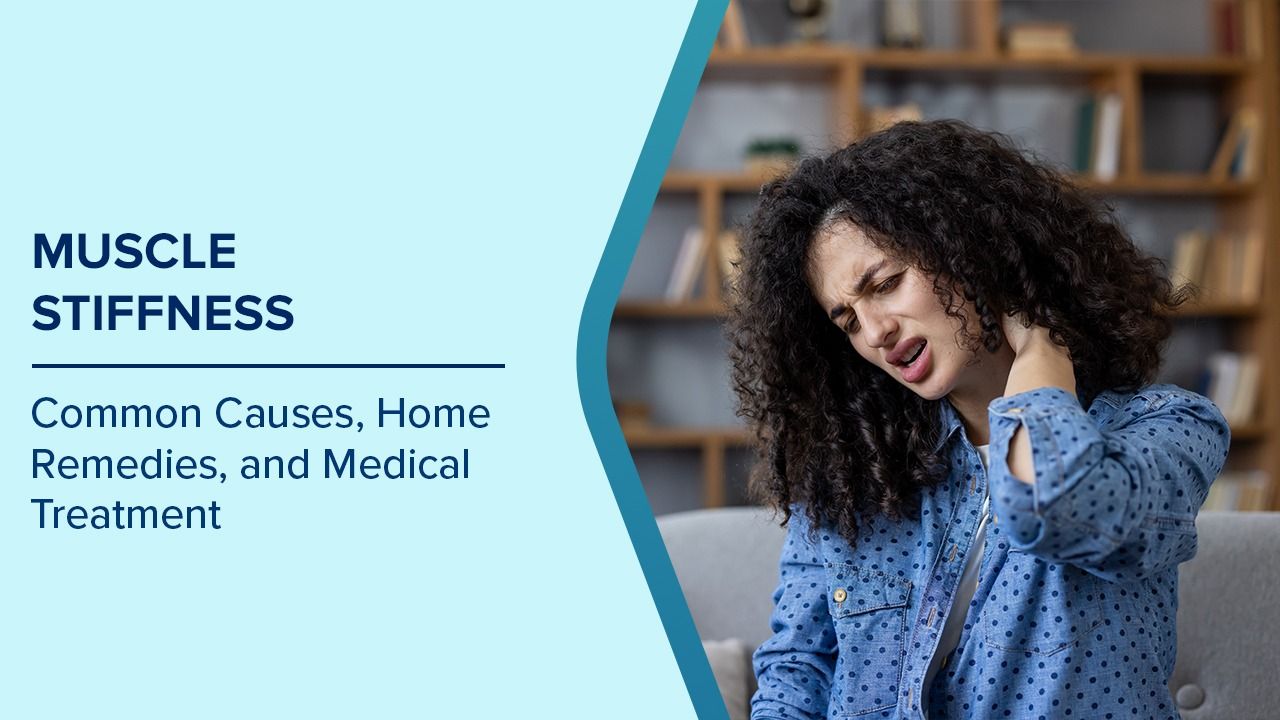
Call Us+91 926 888 0303Muscle Stiffness: Common Causes, Home Remedies, and Medical Treatment
By Dr. Tarun Lala (PT) in Physiotherapy & Rehabilitation Medicine
Feb 26 , 2026
6

Have you experienced tightness in your muscles that makes movement difficult, especially after a long day sitting at a desk, or a workout? If yes, then you might have stiff muscles that can make daily movement feel harder than usual and sometimes even cause pain. Muscle stiffness can develop for many reasons. Most are harmless, but some may point to an underlying medical issue. To help you understand what might be causing the stiffness and how to manage it, this blog covers the common causes of muscle stiffness along with helpful home remedies and medical treatment options. Let’s begin by looking at what muscle stiffness actually feels like.
What is Muscle Stiffness?
Muscle stiffness is a sensation where the muscles feel unusually tight or less flexible than normal. It often happens because the muscle fibres are not relaxing the way they typically do. When a muscle is healthy and rested, it contracts and releases smoothly. During stiffness, this release phase is slower, making the muscle feel firm or resistant when you try to move it.
Stiffness can also affect how a joint moves, since tight muscles around the joint limit its range of motion. Some people notice it most in the morning, as the muscles and joints tend to become less flexible after long periods of inactivity. Others feel it after physical effort because the muscles have accumulated tension or microscopic fatigue.
Common Causes of Muscle Stiffness
Muscle stiffness can develop for many reasons, ranging from simple daily habits to underlying medical issues. Here is a list of the most common ones:
Overuse or Intense Physical Activity
Muscles become stiff when they are pushed harder than usual. Activities such as heavy workouts, long runs, lifting weights, or physically demanding work can strain the muscle fibres. When the fibres experience microscopic fatigue or small tears, the surrounding muscles tighten during the recovery process. This can make the muscles feel firm, tender, and slow to move, especially the next morning.
Sitting or Staying in One Position for Too Long
Stiffness often develops after long periods of inactivity. Sitting at a desk for hours, driving long distances, or resting in a fixed position reduces circulation to the muscles. Without regular movement, the muscle fibres tighten and lose flexibility, which becomes more noticeable when you finally get up and start moving again.
Muscle Strain or Minor Injury
A mild injury, such as overstretching a muscle or lifting something incorrectly, can lead to stiffness as the body tries to protect the area. The muscles around the injury tighten to limit motion, which prevents further strain but also causes discomfort. This stiffness usually improves as the strain heals.
Dehydration and Low Electrolytes
Fluids and electrolytes such as potassium, calcium, and magnesium help muscles contract and relax smoothly. When the body is low on water or these minerals, muscle cells cannot function properly. This may lead to tightness, cramps, or a “locked” feeling in certain areas, especially after exercise or in hot weather.
Poor Posture
Sitting or standing with poor alignment places extra load on some muscles. Over time, these muscles compensate by tightening to support the body. This is common around the neck, shoulders, and lower back, where small postural imbalances can lead to ongoing stiffness through the day.
Stress and Muscle Tension
Emotional or mental stress has a physical effect on the body. When stress levels rise, the muscles, especially in the shoulders, neck, jaw, and back, tend to stay in a semi-contracted state. If this continues, the muscles become tight, sore, and less responsive to movement.
Age-Related Muscle Changes
Ageing brings natural changes in muscle elasticity and strength. Over time, muscle fibres lose some of their flexibility, and the tissues around the joints become less supple. This makes the muscles more likely to feel stiff after activity or after waking up in the morning.
Cold Temperatures
Cold temperatures cause the muscles and blood vessels to contract slightly, which reduces flexibility. This makes the muscles feel tighter and sometimes more sensitive to movement. Many people find stiffness more noticeable during winter or early mornings when temperatures are lower.
Underlying Medical Conditions
Certain health issues can cause or worsen muscle stiffness. Some of the more common ones include:
- Arthritis: Joint inflammation can cause surrounding muscles to tighten as they try to stabilise the area.
- Fibromyalgia: A long-term condition where widespread muscle pain and stiffness are common.
- Hypothyroidism: Low thyroid hormone levels can slow muscle metabolism, making the muscles feel heavy or stiff.
- Myositis: Inflammation of the muscle tissue, which causes weakness and persistent stiffness.
- Neurological conditions: Problems affecting the nerves may change how muscles receive signals, leading to stiffness or spasms.
Certain Medications
Some medicines can cause muscle stiffness as a side effect. These may include cholesterol-lowering drugs, some blood pressure medications, and certain psychiatric medicines. Stiffness often settles once the medication is reviewed and adjusted by a healthcare provider.
Sleep Position
Sleeping in an awkward position or on an unsupportive mattress can place uneven pressure on the muscles. This commonly affects the neck, shoulders, hips, and lower back. Poor sleep posture can lead to morning stiffness that gradually eases as the body starts moving.
Lack of Regular Movement
When the muscles are not used consistently, they lose flexibility over time. Limited physical activity causes the muscle fibres to become less elastic, making them more prone to stiffness even after mild effort or daily movements.
Nutritional Deficiencies
Low levels of vitamin D or certain B vitamins can contribute to muscle discomfort and stiffness. These nutrients play a role in muscle function, nerve health, and energy levels, so deficiencies can affect how the muscles contract and relax.
Symptoms Associated with Muscle Stiffness
Muscle stiffness often comes with more than just a feeling of tightness. The symptoms can vary based on the cause, how long the stiffness has been present, and which muscles are affected. Some people notice discomfort only when they try to move, while others may feel it even at rest. Common symptoms include:
- Tight or heavy sensation in the muscles: The muscle may feel firm, difficult to stretch, or resistant to movement.
- Reduced range of motion: You may find it harder to bend, twist, reach, or perform movements that usually feel easy.
- Discomfort or mild pain: Stiff muscles can feel sore, tender, or achy, especially after staying in one position for a long time.
- Muscle spasms: Sudden, involuntary tightening of the muscle can occur, adding to the stiffness.
- Weakness in the affected area: Muscles can feel tired or less steady, especially when stiffness follows overuse or strain.
- Swelling or warmth (in certain conditions): In cases involving inflammation or injury, the affected area may appear slightly swollen, warm, or sensitive to touch.
- Difficulty starting movement: Some people notice stiffness most when they begin to move after sitting or sleeping.
These symptoms can appear on their own or in combination. In many cases, they improve with rest, gentle stretching, or simple home remedies. However, symptoms that persist, worsen, or come with severe pain should be evaluated by a doctor.
Simple Tips to Ease Stiff Muscles at Home
Many people find relief from muscle stiffness through simple steps that can be done at home. Following tips can help relax the muscles, improve mobility, and reduce discomfort without adding strain.
- Stretch the affected muscles slowly: Gentle stretching encourages the muscle fibres to lengthen, making movement easier. Holding simple stretches for 20 to 30 seconds without bouncing helps ease tension. Morning stretches and short breaks during the day prevent the muscles from tightening again.
- Stay active with light, controlled movement: Prolonged rest often increases stiffness. Short walks, light mobility exercises, or easy yoga movements keep the muscles warm and prevent them from locking up. This is especially helpful after sitting at a desk for many hours.
- Stay hydrated throughout the day: Muscles do not function well when the body is low on fluids. Drinking enough water supports muscle recovery and may reduce the chance of tightness returning, especially after exercise or exposure to heat.
- Use over-the-counter gels or sprays for temporary relief: Pain relief gels or sprays can ease soreness linked with stiffness. These products create a cooling or warming effect that helps the muscle feel calmer and reduces discomfort for some time.
- Give your muscles proper rest when they feel strained: If the stiffness follows intense activity or a minor strain, resting the muscle allows it to recover. Avoiding activities that worsen the discomfort prevents further irritation and speeds up healing.
- Focus on posture throughout the day: Sitting or standing in one position for too long can trigger stiffness. Adjusting your workstation, keeping your spine aligned, and taking movement breaks every hour can make a noticeable difference.
These home-based methods work well for most mild to moderate cases. If the stiffness is severe, persistent, or linked with other symptoms like swelling or weakness, it may need a medical evaluation.
Tests/ Methods Used for Diagnosing the Cause of Muscle Stiffness
Diagnosing the cause of muscle stiffness usually starts with a discussion about symptoms, daily routine, and any recent physical strain. After this, the doctor may recommend a mix of physical checks and diagnostic tests to understand what is affecting the muscles. The methods and tests include:
Physical examination
The doctor checks for tenderness, swelling, weakness, and limited movement. You may be asked to perform small movements to assess how the muscle responds.
Before listing the specific investigations, doctors often use two main groups of tests to identify internal factors that may be contributing to stiffness.
Blood tests
- Thyroid Function Test: Checks if abnormal thyroid hormone levels are causing muscle fatigue or tightness.
- Electrolyte Panel: Looks for imbalances, especially in minerals like potassium and calcium, which can affect muscle contractions.
- Inflammatory Markers (such as ESR or CRP): Detects inflammation in the body that may be linked to muscle or joint conditions.
- Muscle Enzyme Levels: Helps identify muscle damage or conditions affecting muscle health.
Imaging tests
- X-ray: Used to detect joint problems, bone changes, or alignment issues that may be contributing to stiffness.
- Ultrasound: Helps assess muscles, ligaments, and tendons for strain, swelling, or soft-tissue injuries.
- MRI Scan: Provides detailed images of muscles, nerves, and surrounding tissues to help diagnose deeper injuries or nerve-related issues.
Nerve function tests
These tests assess how well the nerves are sending signals. They are recommended when stiffness may be linked to nerve compression, irritation, or neurological conditions.
Movement and posture assessment
A physiotherapist or doctor may observe your posture, walking pattern, and sitting habits. This helps identify everyday movements that repeatedly strain certain muscles.
These methods help pinpoint the root cause of muscle stiffness and guide the most appropriate treatment plan.
Treatment Options for Muscle Stiffness
When stiffness does not go away with home remedies and still persists, then medical treatment is necessary for effective long-term relief.
Physical Therapy
Physical therapy is one of the most effective options for persistent muscle stiffness. A physiotherapist designs a plan based on the muscles involved and the root cause of the tightness. This often includes:
- Targeted stretching routines that help lengthen tight muscles and improve flexibility
- Strengthening exercises to support weak muscles that may be contributing to the stiffness
- Posture correction for people who sit for long hours or have alignment issues
- Manual therapy, such as guided stretching or soft-tissue mobilisation
- Movement training, where the therapist helps improve walking patterns, joint movement, and overall mobility
Regular sessions help prevent repeated flare-ups and improve long-term muscle function.
Medications (Prescribed Only When Necessary)
Doctors may recommend medicines when stiffness is linked with discomfort, inflammation, or muscle spasms. These medicines are prescribed based on the cause and are usually taken for a short time. They help:
- Reduce muscle tension when the stiffness is severe
- Lower inflammation after an injury or flare-up
- Manage nerve-related symptoms in conditions triggered by nerve irritation
Medicines are rarely used alone. They work best when combined with stretching, movement, and lifestyle adjustments.
Treatment for Underlying Medical Conditions
Muscle stiffness can sometimes be a sign of another health condition. Treating that condition often eases the stiffness as well. For example:
- Thyroid disorders: Adjusting hormone levels can improve muscle fatigue and tightness.
- Fibromyalgia or chronic pain syndromes: A combined plan involving therapy, lifestyle changes, and symptom management helps reduce stiffness.
- Autoimmune or inflammatory conditions: Treatment focuses on calming inflammation and protecting the muscles and joints.
- Neurological conditions: When stiffness is related to nerve or brain disorders, long-term care may include specialised therapies, rehabilitation, and regular follow-ups.
A proper diagnosis helps guide the most suitable treatment plan.
Injections and Targeted Procedures
When stiffness is severe or linked with very tight muscle knots, certain procedures may be recommended, such as:
- Trigger point injections to relax deep, persistent knots causing pain and tightness
- Steroid injections for cases where inflammation around joints, tendons, or soft tissues is contributing to the stiffness
- Botulinum toxin injections for specific neurological conditions that cause long-lasting muscle tightness
These are typically suggested only when other treatments have not worked well enough.
Clinic-Based Therapies
Physiotherapy centres and rehabilitation clinics offer treatments that help improve circulation, reduce stiffness, and support muscle recovery. These may include:
- Ultrasound therapy to warm up deeper tissues
- Electrical stimulation to reduce muscle tension and support healing
- Professionally applied heat or cold therapy for targeted relief
- Hydrotherapy, where exercises are performed in warm water to reduce strain on stiff muscles
These methods work well when combined with strengthening and stretching programmes.
Preventive Tips for Muscle Stiffness
Small daily habits can make a noticeable difference in how the muscles feel. These simple steps help keep the muscles flexible, reduce strain, and lower the chances of stiffness building up over time.
- Stay active through the day: Short movement breaks every hour help prevent tightness caused by prolonged sitting or standing. Even light walking or stretching keeps the muscles from stiffening.
- Stretch regularly: Gentle stretches in the morning, after long desk hours, or post-exercise help maintain flexibility and reduce the risk of tight muscles.
- Maintain good posture: Sitting with proper back support, adjusting screen height, and avoiding slouched positions reduces strain on the neck, shoulders, and lower back.
- Warm up before physical activity: Preparing the muscles with light movement or stretching before exercise helps them adapt and lowers the chances of strain-related stiffness.
- Cool down after workouts: Gradual cooling down allows the muscles to relax and recover, reducing soreness and stiffness later.
- Stay hydrated: Drinking enough water supports healthy muscle function and helps prevent tightness caused by dehydration, especially in hot weather or after activity.
- Avoid sudden increases in activity: Increasing workout intensity or duration gradually prevents overuse and strain.
- Get adequate sleep: Rest allows the muscles to recover, making the body less prone to stiffness the next day.
- Adjust ergonomics: Ensuring that the work desk, chair, and computer are set at comfortable heights reduces repeated stress on certain muscle groups.
- Manage stress levels: Stress often causes unconscious muscle tightening. Relaxation techniques like deep breathing or gentle evening stretches can help ease tension.
Consult Today
Now that you have a clear sense of why muscle stiffness shows up and what can help, the next step is paying attention to how your body responds over the coming days. Stiffness that settles with rest, movement, or simple home care usually isn’t something to worry about. But if the tightness keeps interrupting your routine, becomes painful, or simply refuses to ease, it’s worth getting it checked so you’re not left guessing. A consultation with an orthopaedic specialist at Max Hospital can help you understand what’s behind the painful muscles and guide you toward the right treatment before it affects your mobility further.
Frequently Asked Questions
Can tight muscles lead to back pain?
Yes, when muscles in the back, hips, or legs become tight, they can change the way the spine is supported. This extra strain often leads to back discomfort or a dull, achy pain.
Can long-term muscle stiffness cause more serious issues?
Prolonged stiffness that is ignored may lead to reduced flexibility, poor posture, or muscle imbalance. In some cases, it may also delay the diagnosis of an underlying condition that needs attention.
Which vitamin helps with muscle stiffness?
Vitamins D and B12 are often linked with muscle health. Low levels of these vitamins can contribute to muscle fatigue or soreness, so correcting a deficiency may help reduce stiffness.
Do electrolytes help reduce muscle stiffness?
Electrolytes such as magnesium, potassium, and calcium play a key role in muscle function. When these levels drop, muscles may tighten more easily. Restoring the balance can improve how the muscles contract and relax.
How is muscle stiffness different from muscle spasticity?
Muscle stiffness often improves with movement or stretching, but spasticity involves involuntary muscle tightening caused by nerve-related conditions. Spasticity usually feels more sudden, strong, and difficult to control.
How can you tell muscle stiffness from joint stiffness?
Muscle stiffness feels like tightness in the soft tissues and tends to ease as the muscles warm up. Joint stiffness is felt deeper inside the joint and is often linked with swelling, reduced movement, or arthritis.
What is the difference between muscle stiffness and muscle weakness?
Stiffness makes movement feel tight or restricted, while weakness makes the muscle feel less powerful or unable to handle normal tasks. Both can occur together, but they are separate symptoms.
Is muscle stiffness linked to arthritis?
It can be. Arthritis affects the joints, but the surrounding muscles often tighten in response to joint inflammation. This can make the stiffness more noticeable, especially after rest or first thing in the morning.
Written and Verified by:

Related Blogs

Dr. Rohit Mehta (PT) In Orthopaedics & Joint Replacement , Physiotherapy & Rehabilitation Medicine
Nov 07 , 2020 | 1 min read

Dr. Rohit Mehta (PT) In Physiotherapy & Rehabilitation Medicine
May 11 , 2016 | 3 min read
Blogs by Doctor

Dr. Tarun Lala (PT) In Physiotherapy & Rehabilitation Medicine
Sep 08 , 2021 | 1 min read

Most read Blogs


Related Blogs
Dr. Rohit Mehta (PT) In Orthopaedics & Joint Replacement , Physiotherapy & Rehabilitation Medicine
Nov 07 , 2020 | 1 min read
Dr. Rohit Mehta (PT) In Physiotherapy & Rehabilitation Medicine
May 11 , 2016 | 3 min read
Blogs by Doctor
Dr. Tarun Lala (PT) In Physiotherapy & Rehabilitation Medicine
Sep 08 , 2021 | 1 min read
Most read Blogs