 WhatsApp Us (24/7)
 +91 926 888 0303 (24/7)


To Book an Appointment
Call Us+91 926 888 0303All About The Mumps Disease: Risk Factors, Symptoms, and Treatment
By Dr. Shovana Veshnavi in Internal Medicine
Jan 05 , 2026 | 13 min read
3

Mumps can be tricky to spot in the beginning, as they often start with mild symptoms such as tiredness, low-grade fever, or general discomfort; nothing that immediately points to a specific illness. The condition becomes more obvious when swelling appears near the jaw, but by then, the infection has already advanced. This delay in recognition can increase the risk of complications, particularly in those who have not been vaccinated. Although routine immunisation has made mumps far less common than it once was, understanding how it presents is still important. To give you a clear understanding of the disease, this blog will explain what causes mumps, how it appears, and the ways it can be managed. Let’s start with understanding the disease.
What is Mumps?
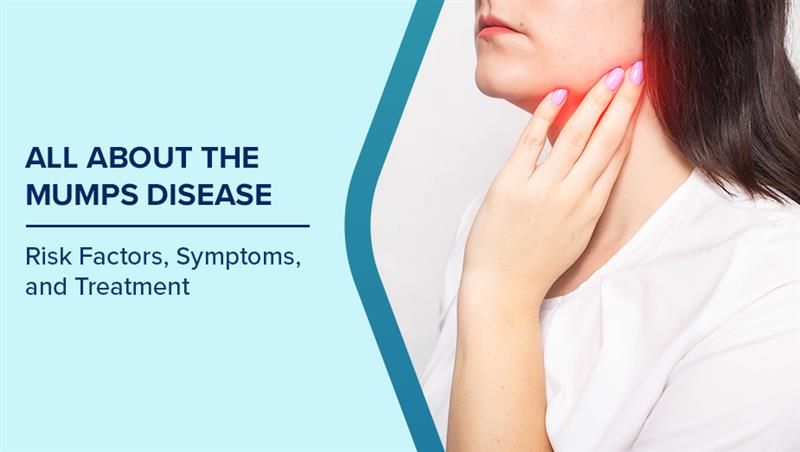
Mumps is a viral infection that targets the salivary glands, particularly the parotid glands found on either side of the face, just below the ears. When infected, these glands become swollen and tender, which often causes visible puffiness near the jawline. The illness is caused by the mumps virus, which is part of the paramyxovirus group. Once the virus enters the body, it travels through the bloodstream and begins to affect the glandular tissues, leading to the hallmark swelling and discomfort associated with the condition.
Though commonly linked to childhood, mumps can occur at any age. The infection tends to run its course over a couple of weeks, but in some cases, it may lead to complications if left untreated for long.
How Does Mumps Spread?
Mumps spreads through respiratory droplets released when an infected person coughs, sneezes, or talks. These droplets can be inhaled by others nearby or land on surfaces that are then touched, allowing the virus to enter the body through the nose or mouth. Sharing items such as utensils, bottles, or towels with someone who has mumps also increases the risk of transmission.
The virus is most contagious a few days before the swelling appears and remains so for several days afterwards. This means a person can pass on the infection without knowing they are ill, making it harder to control outbreaks, especially in places where people are in close contact, such as schools, colleges, or workplaces.
What Factors Increase the Risk of Developing Mumps?
Although mumps can affect anyone, certain factors make some individuals more vulnerable to infection. Understanding these risk factors is important, especially in settings where close contact and shared spaces make the spread of the virus more likely. Here are the main factors that increase the chances of developing mumps:
- Incomplete or no vaccination: The MMR vaccine offers protection against mumps, but missing one or both doses greatly reduces immunity. Those who have never been vaccinated are at the highest risk, particularly during outbreaks.
- Living in shared or crowded environments: Hostels, dormitories, boarding schools, and military housing create conditions where the virus can spread quickly due to close contact and limited personal space.
- Exposure to an infected person: Spending time near someone who has mumps increases the risk, especially during the few days before and after their symptoms become noticeable, when the virus is most contagious.
- Sharing items that carry saliva: Using the same bottles, utensils, or towels as someone who is infected can allow the virus to pass from one person to another through saliva droplets.
- Travelling to areas with known outbreaks: Visiting regions where mumps is actively spreading raises the risk, particularly for those without full vaccination or prior exposure.
- Weakened immune system: Individuals with medical conditions that compromise immunity, or those undergoing treatments such as chemotherapy or long-term steroid use, may be more prone to viral infections, including mumps.
What are the Symptoms of Mumps?
Mumps symptoms usually appear two to three weeks after exposure to the virus. In many cases, the early signs are mild and may be mistaken for a general viral illness. As the infection progresses, more noticeable symptoms develop, particularly swelling around the jaw area. Symptoms can vary in severity and may affect one or both sides of the face.
Common symptoms of mumps include:
- Swelling of the salivary glands: Most often affects the parotid glands, located below and in front of the ears. This can cause puffiness near the jaw and pain when chewing or swallowing.
- Fever: Usually mild to moderate, often appearing before the swelling starts.
- Headache and body aches: General discomfort, similar to symptoms of a cold or flu.
- Fatigue and weakness: Feeling unusually tired or lacking energy.
- Loss of appetite: Reduced interest in eating, often due to pain while chewing.
- Pain in the jaw or ears: Especially near the swollen glands.
Symptoms typically last for about a week but may continue slightly longer in some cases
How Is Mumps Diagnosed?
Diagnosing mumps often begins with a physical examination and a review of symptoms. A doctor may also ask about recent exposure to anyone with mumps and whether the recommended MMR vaccinations have been completed. In many cases, a clinical diagnosis can be made based on this information. However, when symptoms are unclear, specific tests may be advised, including:
Saliva Test
A sample of saliva is usually collected using a swab placed inside the cheek or near the salivary glands. This sample is tested for genetic material from the mumps virus. It is one of the most direct methods to confirm infection, especially during the first few days after symptoms begin.
Blood Test
A blood test may be carried out to detect antibodies the immune system produces in response to the mumps virus. The presence of Immunoglobulin M (IgM) antibodies typically suggests a recent infection, whereas Immunoglobulin G (IgG) antibodies may indicate past exposure or immunity due to vaccination.
Urine Test
In some cases, the virus may be present in the urine. Collecting and testing a urine sample can help confirm the diagnosis, particularly when other test results are inconclusive or when additional confirmation is required during outbreaks.
Cerebrospinal Fluid (CSF) Test
If there are signs of complications such as severe headache, neck stiffness, sensitivity to light, or confusion, a sample of cerebrospinal fluid may be taken through a lumbar puncture. This test checks for viral meningitis or encephalitis, which are rare but serious complications of mumps.
These tests are not always necessary but may be used when the presentation of the illness is uncertain or when mumps need to be distinguished from other conditions.
What are the Treatment Options for Mumps?
Mumps does not have a specific antiviral treatment. Since it is caused by a virus, antibiotics are not effective. The main focus of treatment is to manage symptoms, prevent complications, and support the body’s natural recovery. Treatment usually involves a combination of the following approaches:
Supportive Care Through Rest
Adequate rest plays a key role in managing mumps. Fatigue is a common symptom, and physical exertion can place extra strain on the immune system. Reducing daily activity, getting enough sleep, and avoiding stressful routines allow the body to focus on fighting the infection. Resting also lowers the risk of spreading the virus to others, especially during the most contagious period.
Fluid and Hydration Management
Maintaining proper hydration is essential, particularly when fever, fatigue, or reduced appetite is present. Drinking plenty of fluids helps prevent dehydration and supports normal body function during illness. Water, clear broths, and oral rehydration drinks are suitable options. Cold fluids may help soothe throat pain and discomfort caused by swollen salivary glands. Acidic beverages like citrus juices should be avoided, as they may increase irritation in the glands and worsen pain.
Use of Medicines to Control Pain and Fever
Pain and fever are common in mumps and can be managed with over-the-counter medicines. Paracetamol is usually recommended to reduce fever and relieve pain in the jaw or ears. In some cases, a doctor may suggest other fever-reducing or anti-inflammatory medicines. Medicines must always be used under medical guidance. Aspirin should never be given to children or teenagers, as it increases the risk of Reye’s syndrome, a serious condition affecting the liver and brain.
Relief of Gland Discomfort Using Compresses
Swelling in the parotid glands can be painful and persistent. Applying a cold or warm compress to the swollen area may help reduce inflammation and ease pain. A clean cloth soaked in cold or warm water can be used several times a day, depending on individual comfort. Compresses should be gentle and never too hot, to avoid skin damage.
Nutritional Support Through Soft Foods
Jaw pain can make chewing uncomfortable, and a reduced appetite is common during illness. Eating soft, easy-to-chew foods reduces pressure on the swollen glands and encourages better food intake. Examples include porridge, mashed potatoes, soup, soft fruits, and yoghurt. Acidic and spicy foods should be avoided, as they stimulate saliva production and may increase pain. Eating small, frequent meals may also be more manageable during recovery.
Infection Control Through Isolation
Mumps is most contagious from a few days before symptoms begin until five days after the appearance of gland swelling. To prevent spreading the virus, it is advised to stay at home during this period and avoid close contact with others. Isolation is especially important in homes with children, schools, or crowded living spaces. Using separate utensils, covering the mouth when coughing or sneezing, and regular handwashing are also important preventive steps.
Possible Complications of Mumps
In most cases, mumps is a mild illness that resolves within one to two weeks. However, in some individuals, especially adolescents and adults, the virus can lead to complications affecting various organs and systems. These complications may arise during infection or shortly after the main symptoms begin to improve. Although not common, they can cause discomfort and, in rare instances, lead to long-term health problems.
Below are the possible complications linked to mumps:
Orchitis (Testicular Inflammation)
This is one of the most common complications in adolescent boys and adult men. Orchitis causes swelling and pain in one or both testicles, usually starting a few days after the salivary gland swelling appears. It may be accompanied by fever, nausea, and tenderness. In rare cases, it can affect fertility if not managed properly, though complete infertility is uncommon.
Oophoritis and Mastitis
In adolescent girls and adult women, the mumps virus can lead to inflammation of the ovaries (oophoritis) or breast tissue (mastitis). These conditions may cause abdominal pain, tenderness, and fever. They are usually temporary but can be distressing and require supportive treatment.
Meningitis
Mumps can sometimes spread to the lining of the brain and spinal cord, leading to viral meningitis. Symptoms may include headache, stiff neck, nausea, sensitivity to light, and fever. This form of meningitis is typically less severe than bacterial meningitis and often resolves without long-term effects, though medical evaluation is essential.
Encephalitis (Brain Inflammation)
A very rare but serious complication, encephalitis involves swelling in the brain tissue. It can cause confusion, seizures, drowsiness, and in severe cases, long-term neurological damage. Immediate medical care is required if such symptoms occur.
Hearing Loss
Temporary hearing loss can occur in one or both ears during a mumps infection. In rare cases, permanent hearing loss may result if the virus damages the auditory nerve. This complication is uncommon but may appear without warning.
Pancreatitis
Inflammation of the pancreas can also occur during a mumps infection. It may cause abdominal pain, nausea, vomiting, and tenderness in the upper abdomen. This complication is usually short-lived but should be monitored carefully.
Miscarriage During Pregnancy
If mumps is contracted during the first trimester of pregnancy, there is a small risk of miscarriage. There is currently no strong evidence linking mumps to birth defects, but infection during pregnancy is best avoided through proper vaccination.
Other Rare Complications
In rare instances, mumps may also lead to joint pain, kidney inflammation, or heart muscle involvement (myocarditis). These are not commonly seen but can develop in those with weakened immunity or delayed treatment.
How Can Mumps Be Prevented?
Mumps prevention largely depends on immunisation and limiting exposure to the virus. The following measures can help prevent mumps and limit its spread:
Vaccination
The MMR vaccine is given in two doses, usually during early childhood. The first dose is typically administered at 9 to 12 months of age, and the second between 15 to 18 months, or at 4 to 6 years depending on local guidelines. Two doses provide long-lasting protection in most individuals. Those who have missed one or both doses should consult a doctor about catch-up vaccination, particularly before starting school, college, or travelling to regions where outbreaks are reported.
Avoiding Contact with Infected Individuals
Since mumps spreads through saliva and respiratory droplets, keeping a distance from someone who is infected can reduce the risk. Avoiding close contact, especially during the five days after symptoms like gland swelling begin, is advised.
Maintaining Good Hygiene
Frequent handwashing with soap and water helps remove virus particles that may be picked up from contaminated surfaces. Avoiding the sharing of utensils, drinks, or personal items also helps reduce transmission.
Covering the Mouth and Nose
Using a tissue or the elbow to cover coughs and sneezes prevents respiratory droplets from spreading in the air. Used tissues should be disposed of immediately, followed by proper handwashing.
Staying at Home During the Infectious Period
People diagnosed with mumps should stay at home for at least five days after salivary gland swelling begins. This reduces the risk of infecting others, especially in crowded settings such as schools, hostels, and offices.
Consult Today
Mumps can progress quickly from mild discomfort to more serious complications, especially when symptoms are overlooked in the early stages. Those experiencing swelling near the jaw, pain while chewing, fever, or discomfort in the testicles should seek timely medical attention. At Max Hospital, paediatricians and infectious disease specialists are available to assess symptoms, confirm the diagnosis, and provide the necessary care to support recovery and prevent further complications.
Frequently Asked Questions
Is it possible to have mumps without noticeable jaw swelling?
Yes, some people may have mild or no swelling, especially if they’ve been vaccinated. In such cases, the illness may appear as a general viral infection with fever, tiredness, and body aches, making it easy to miss without testing.
Can mumps cause issues even after recovery?
Most people recover fully, but a small number may develop longer-term effects, such as hearing changes or reduced fertility in men. These complications are uncommon but can occur if mumps affect other organs.
How soon after exposure do symptoms of mumps appear?
Symptoms usually develop 16 to 18 days after exposure but can appear anytime between 12 and 25 days. Someone can be contagious a few days before symptoms begin, so early isolation is important if infection is suspected.
Is one dose of the MMR vaccine enough to prevent mumps?
One dose offers partial protection, but two doses are recommended for stronger and longer-lasting immunity. People who have received only one dose are more likely to get infected during outbreaks.
Can someone catch mumps from surfaces or objects?
Yes, although less common than direct droplet spread, the virus can survive briefly on surfaces. Touching a contaminated object and then touching the face, nose, or mouth may allow the virus to enter the body.
Are adults at greater risk of complications from mumps?
Yes, complications like orchitis, pancreatitis, and hearing loss are more commonly reported in adults than in children. For this reason, prompt care and monitoring are especially important in adult cases.
Can breastfeeding mothers pass mumps to their baby?
Mumps is not spread through breast milk, but a mother with mumps can still pass the virus to her baby through close contact and respiratory droplets. Precautions such as wearing a mask and practising hand hygiene can reduce the risk.
Is a blood test always needed to confirm mumps?
Not always. In many cases, doctors diagnose mumps based on symptoms and physical examination. However, when the diagnosis is uncertain or during outbreaks, saliva or blood tests may be used for confirmation.
What should be done if a vaccinated person is exposed to mumps?
Vaccinated individuals are less likely to become infected, but it is still important to monitor for symptoms for about 25 days. If any signs appear, they should isolate and speak to a doctor, even if symptoms are mild.
Can mumps spread before any symptoms appear?
Yes. A person can be contagious up to two days before symptoms begin and remain infectious for about five days after gland swelling starts. This makes early detection and isolation important to limit the spread.
Written and Verified by:

Related Blogs


Dr. Vandana Boobna In Internal Medicine
Nov 08 , 2020 | 2 min read
Blogs by Doctor

Clear Up Acne By Healing Your Gut - Tips To Improve Your Digestive Health
Dr. Shovana Veshnavi In Dermatology , Internal Medicine
Jul 20 , 2023 | 1 min read

Why You May Feel Dizzy After Eating And How To Manage It
Dr. Shovana Veshnavi In Internal Medicine
May 09 , 2023 | 2 min read
Most read Blogs


Related Blogs
Dr. Vandana Boobna In Internal Medicine
Nov 08 , 2020 | 2 min read
Blogs by Doctor
Clear Up Acne By Healing Your Gut - Tips To Improve Your Digestive Health
Dr. Shovana Veshnavi In Dermatology , Internal Medicine
Jul 20 , 2023 | 1 min read
Why You May Feel Dizzy After Eating And How To Manage It
Dr. Shovana Veshnavi In Internal Medicine
May 09 , 2023 | 2 min read
Most read Blogs