 WhatsApp Us (24/7)
 +91 926 888 0303 (24/7)


To Book an Appointment
Call Us+91 926 888 0303All About Mosquito Bites: Symptoms, Treatment and Prevention
By Dr. Supriya Bali in Internal Medicine
Jan 05 , 2026 | 13 min read
5

Mosquito bites are a common issue, especially in warm and humid areas offering ideal conditions for mosquitoes to thrive. When a mosquito feeds, it injects saliva into the skin, which triggers an immune response, typically causing redness, swelling, and itching around the bite site. For most people, these symptoms are mild and go away without treatment. However, some individuals may experience stronger reactions or complications, making it important to recognise the typical signs and understand how to manage them. Delving deeper into the subject, in this article, we’ll explain factors that increase the risk of being bitten, outline diseases that mosquitoes can spread, and offer practical advice on treatment and prevention. Let’s begin by looking at what a mosquito bite looks like.
What Does a Mosquito Bite Look Like?
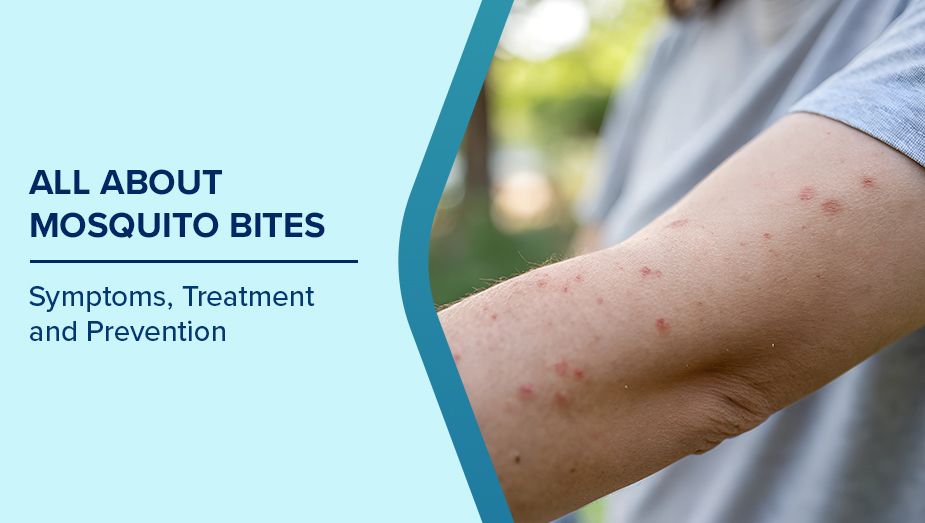
A mosquito bite usually appears as a small, raised bump on the skin. It is often red and swollen, with a central puncture mark where the mosquito’s mouth parts pierced the skin.
Occasionally, some individuals experience more severe reactions, with the bite site becoming significantly swollen or forming blisters. Scratching the bite can lead to further irritation or even infection, which might cause the area to look more inflamed or develop pus.
What Are the Common Symptoms of a Mosquito Bite?
After a mosquito bites, the body reacts to the saliva injected during feeding. This immune response causes several typical symptoms, which can vary in intensity depending on the individual.
- Redness and swelling: The skin around the bite usually becomes red and raised due to the body’s immune response to mosquito saliva.
- Itching: This is the most common symptom and can vary from mild to intense. The itching often starts soon after the bite and can last for several days.
- Raised bump or welt: A small, firm bump forms at the site of the bite, which may be slightly swollen compared to the surrounding skin.
- Warmth and tenderness: The bite area may feel warm to the touch and slightly tender or sore.
- Mild pain or discomfort: Some people experience mild pain, especially if the bite is scratched or irritated.
- Blistering or oozing: In rare cases, especially if the bite is scratched repeatedly, blisters may form and the area may ooze fluid or become crusted.
- Larger swelling or extended redness: Sensitive individuals or those with allergic reactions may develop swelling that spreads beyond the bite site, causing noticeable puffiness or redness in the surrounding skin.
Most of these symptoms develop within minutes to a few hours after the bite and usually improve within several days. Persistent or worsening symptoms could indicate infection or a more serious reaction and should be checked by a healthcare professional.
Who is at Risk of Being Bitten by Mosquitoes?
Certain factors make some people more likely to be bitten by mosquitoes. These insects are attracted to specific signals and environments, which increases the risk of bites for some individuals.
- Body heat and carbon dioxide: Mosquitoes locate their targets by sensing body heat and the carbon dioxide released when breathing. People who produce more heat or breathe more heavily, such as during physical activity or exercise, tend to attract more mosquitoes.
- Skin chemicals and sweat: The natural chemicals on the skin, including lactic acid and ammonia found in sweat, can make certain individuals more appealing to mosquitoes. Differences in body chemistry mean some people are bitten more often than others.
- Clothing colour: Mosquitoes are drawn to darker colours such as black, navy blue, and red. Wearing light-coloured clothing may help reduce attraction.
- Location and environment: Mosquitoes breed in standing water, so spending time near ponds, lakes, marshes, or even containers with stagnant water raises the risk of being bitten. Warm and humid climates also provide ideal conditions for mosquitoes to thrive.
- Time of day: Many mosquito species are most active during early morning and late evening hours. Being outdoors during these times increases the chance of bites.
- Pregnancy: Pregnant women tend to attract more mosquitoes due to higher body temperature and increased carbon dioxide output from breathing.
- Age: Children are more likely to be bitten, possibly because of differences in skin chemistry, body heat, or behaviour that leads to more exposure outdoors.
Recognising these risk factors can guide effective measures to avoid bites and reduce the chance of mosquito-related health problems.
What Types of Diseases Can Be Spread by Mosquito Bites?
Mosquito bites are more than just an irritation; they can also transmit a range of serious diseases. These illnesses are caused by viruses or parasites that mosquitoes carry and pass to humans through their bites.
Malaria
Malaria is caused by a parasite called Plasmodium, which enters the bloodstream through the bite of an infected Anopheles mosquito. Symptoms include high fever, chills, sweating, headache, nausea, and muscle pain. Without timely treatment, malaria can lead to severe complications, including organ failure and death. It remains a major health issue in tropical and subtropical regions.
Dengue Fever
Dengue fever is a viral infection transmitted mainly by Aedes mosquitoes. It causes sudden high fever, severe headaches, pain behind the eyes, muscle and joint pain, rash, and fatigue. In some cases, dengue can develop into a more dangerous form called dengue haemorrhagic fever, which leads to bleeding, blood plasma leakage, and potentially life-threatening shock.
Zika Virus
The Zika virus spreads through bites from infected Aedes mosquitoes. Symptoms are generally mild and may include fever, rash, joint pain, and red eyes. However, Zika infection during pregnancy is a serious concern because it can cause microcephaly and other severe brain defects in the unborn baby.
Chikungunya
Chikungunya virus is transmitted by Aedes mosquitoes and causes symptoms such as sudden fever and severe joint pain, often in the hands and feet. The joint pain can persist for weeks or even months, affecting mobility and quality of life. Other symptoms include headache, muscle pain, rash, and fatigue.
West Nile Virus
West Nile virus is mainly spread by Culex mosquitoes. Most people infected with this virus do not show symptoms or experience mild flu-like symptoms such as fever, headache, and body aches. In some cases, however, the virus can cause severe neurological problems like encephalitis or meningitis, which may require hospitalisation.
Yellow Fever
Yellow fever is a viral disease transmitted by Aedes and Haemagogus mosquitoes. Early symptoms include fever, chills, muscle pain, and nausea. In severe cases, the infection can cause jaundice (yellowing of the skin and eyes), bleeding, and organ failure. Vaccination is the most effective way to prevent yellow fever.
Filariasis
Filariasis is caused by thread-like parasitic worms transmitted through mosquito bites, primarily from Culex mosquitoes. The infection can lead to lymphatic filariasis, which causes severe swelling, usually in the legs, arms, or genitals, a condition known as elephantiasis. This disease can cause permanent disability.
How Can You Treat Mosquito Bites at Home?
Mosquito bites treatment focuses on calming the skin’s reaction to mosquito saliva, relieving symptoms, and preventing complications such as infection. Several home-based methods can be used to manage these bites carefully and safely.
Cleaning
The first step after a mosquito bite is to clean the area thoroughly with mild soap and lukewarm water. Washing removes dirt, bacteria, and residual mosquito saliva that can provoke further irritation or cause infection if the skin is broken. Use gentle circular motions to avoid aggravating the bite site.
Cold Compress
Applying a cold compress or ice pack wrapped in a soft cloth to the bite can significantly reduce swelling and redness. The cold temperature causes blood vessels in the skin to narrow, limiting the amount of fluid that leaks into surrounding tissues. This leads to less swelling and less pressure on nerve endings, which reduces pain and itching.
Use the cold compress for 10 to 15 minutes, repeating every few hours if necessary, but avoid applying ice directly to the skin to prevent frostbite.
Topical Creams
Hydrocortisone cream is widely recommended for mosquito bites because it effectively decreases inflammation and soothes itching. It works by suppressing the skin’s immune response to mosquito saliva, which causes the redness and swelling.
Applying a thin layer two to three times a day can ease symptoms, but avoid using it for more than a week without medical advice.
Calamine lotion is another topical option, providing a cooling effect and absorbing excess fluids in cases where bites blister or become weepy. Both these treatments reduce discomfort and promote quicker recovery.
Oral Antihistamines
When itching and swelling are more intense or widespread, oral antihistamines may be necessary. These drugs block histamine, a chemical released during allergic reactions, which causes itching, redness, and swelling and can help reduce symptoms within hours. It is important to follow the recommended dose and be aware of possible side effects like drowsiness.
Natural Remedies
Several natural substances can complement medical treatments and soothe mosquito bite symptoms:
- Aloe Vera Gel: Known for its anti-inflammatory and skin-healing properties, aloe vera helps reduce redness and itching. Applying fresh aloe vera gel directly from the plant or using pure aloe vera products can cool irritated skin and support healing.
- Baking Soda Paste: A paste made from baking soda and water can neutralise the skin’s pH, calming irritation and reducing itchiness. Apply the paste for about 15 minutes before rinsing off. Avoid overuse, as baking soda can dry the skin if applied excessively.
- Oatmeal Baths: Colloidal oatmeal contains compounds that soothe inflamed skin and reduce itching. Taking a lukewarm oatmeal bath can provide relief, especially if multiple bites cause widespread discomfort.
- Honey: Applying a small amount of honey can help due to its antibacterial and anti-inflammatory properties. Honey prevents infection by inhibiting bacterial growth and soothes skin irritation. Use sparingly to avoid stickiness and discomfort.
Moisturising
After cleaning and applying treatments, keeping the skin moisturised helps maintain the skin’s natural barrier and prevents dryness, cracking, or peeling. Use a mild, fragrance-free moisturiser that does not irritate the skin. Moisturising regularly also reduces the urge to scratch, which is important to prevent secondary infections or scarring.
Painkillers
If mosquito bites cause pain or significant discomfort, taking over-the-counter painkillers can help. These medications reduce inflammation and provide relief from pain, improving comfort and quality of life. Always follow dosage guidelines and consult a healthcare professional if uncertain.
How Can You Prevent Mosquito Bites?
Preventing mosquito bites is important not only to avoid the itching and irritation but also to reduce the risk of serious diseases that mosquitoes can carry. Here are a few ways by which you can prevent mosquito bites:
Use of Mosquito Repellents
Mosquito repellents remain one of the most reliable ways to prevent bites. Products containing ingredients such as DEET, picaridin, IR3535, or oil of lemon eucalyptus have been scientifically proven to repel mosquitoes effectively. It is important to apply repellents evenly to all exposed skin and on clothing where possible. Reapply repellents as directed, especially after sweating or swimming, to maintain protection.
For children and pregnant women, selecting repellents formulated specifically for safety in these groups is advisable.
Wear Protective Clothing
Clothing provides a simple physical barrier against mosquitoes. Long-sleeved shirts, long trousers, socks, and closed shoes limit exposed skin that mosquitoes can bite. Wearing loose-fitting clothes made from tightly woven fabric reduces the ability of mosquitoes to bite through. Light colours attract fewer mosquitoes than dark colours, so choosing pale shades can help lower bite risk, particularly in the evening and early morning.
Avoid Peak Mosquito Activity Time
Most mosquitoes bite during dawn and dusk, times when the air is cooler and winds are calm. Planning outdoor activities outside these periods reduces the chance of encountering large numbers of mosquitoes. If outdoor activity is unavoidable during these times, extra protective measures such as repellents and appropriate clothing are essential.
Use Mosquito Nets and Screens
Sleeping under mosquito nets protects throughout the night, especially in areas where mosquito-borne diseases like malaria are common. Nets treated with insecticide offer an additional level of defence. Installing fine mesh screens on windows and doors prevents mosquitoes from entering indoor spaces, creating a safer living environment.
Eliminate Standing Water
Mosquitoes require stagnant water to breed. Regularly emptying or covering containers such as flower pots, pet water bowls, buckets, birdbaths, old tyres, and clogged gutters removes breeding sites. Even small amounts of water can support mosquito larvae, so maintaining dryness around the home is crucial. Regular inspections and community clean-up efforts can help reduce mosquito populations significantly.
Maintain Clean Surroundings
Keeping gardens and yards tidy reduces mosquito hiding places. Trimming tall grass, clearing leaf litter, and removing debris where mosquitoes rest during the day helps lower their numbers. Avoiding overwatering plants and ensuring good drainage can also prevent the formation of small pools of water.
Additional Precautions
Using fans outdoors can help, as mosquitoes are weak flyers and avoid windy conditions. Insecticide sprays may be used around outdoor areas to reduce mosquito presence but should be handled carefully following safety guidelines. For travellers, checking if the destination has mosquito-related health risks can guide the need for vaccines or additional protective measures.
When Should You See a Doctor for a Mosquito Bite?
Most mosquito bites cause only mild irritation and go away within a few days. However, medical attention may be needed if certain symptoms develop, especially when there's a risk of infection or mosquito-borne illness.
See a doctor if the following signs appear:
- Signs of infection: Increasing redness, warmth, swelling, pain, or pus around the bite site may indicate a skin infection.
- Persistent swelling or itching: If the reaction does not improve with basic care or becomes increasingly uncomfortable, medical treatment may be required.
- Allergic reaction: Symptoms such as widespread rash, difficulty breathing, swelling of the face or throat, dizziness, or rapid heartbeat need urgent care.
- Fever or flu-like symptoms: Headache, joint or muscle pain, fatigue, and fever following a bite could be early signs of a mosquito-borne disease such as dengue, chikungunya, or malaria.
- Neurological symptoms: Confusion, stiff neck, or seizures could suggest more serious infections such as Japanese encephalitis or West Nile virus and require immediate evaluation.
Anyone living in or returning from regions with known mosquito-borne illnesses should seek prompt medical advice if unwell after being bitten.
Consult Today
Most mosquito bites heal on their own, but some may lead to skin infections or illness that needs medical attention. If a bite becomes increasingly painful, doesn’t settle in a few days, or is followed by fever or body aches, it’s best to seek timely care. At Max Hospital, dermatologists and infectious disease specialists can help manage these concerns with the right medical guidance. Book a consultation if there’s any sign that a mosquito bite may need closer attention.
Frequently Asked Questions
Can mosquito bites cause an allergic reaction?
Yes, in some individuals, mosquito bites can trigger an allergic reaction known as Skeeter syndrome. This can cause large areas of redness, swelling, pain, or even blistering around the bite. These reactions are more common in children or those with a sensitivity to mosquito saliva and may require medical attention if severe.
Why do mosquito bites seem to itch more at night?
Many people notice increased itching at night. This is often because there are fewer distractions during resting time, making sensations like itching more noticeable. Additionally, warmth from blankets can increase blood flow to the skin, intensifying the itching around the bite site.
Can scratching a mosquito bite lead to an infection?
Yes. Scratching can break the surface of the skin, allowing bacteria to enter and cause an infection. Signs of infection may include increasing redness, warmth, pus, or pain around the bite. It’s important to avoid scratching and keep the area clean.
Do mosquito bites leave scars?
Mosquito bites usually fade within a few days. However, persistent scratching or secondary infection can damage the skin and result in scarring or dark spots. This is more common in individuals with sensitive skin or those prone to hyperpigmentation.
How long does a mosquito bite usually take to heal?
In most cases, the bite heals within a few days without any treatment. Mild redness and itching typically settle in under a week. If symptoms persist or worsen beyond this, medical evaluation may be necessary to rule out infection or an allergic reaction.
Can pets be affected by mosquito bites?
Yes, pets such as dogs and cats can also be bitten by mosquitoes. Apart from causing irritation, mosquito bites can transmit diseases like heartworm in dogs, which can be serious if left untreated. Using pet-safe mosquito repellents and keeping pets indoors during peak mosquito hours can help reduce risk.
Written and Verified by:

Related Blogs


Dr. Vandana Boobna In Internal Medicine
Nov 08 , 2020 | 2 min read
Blogs by Doctor

Bone Disease in Women : Essential Facts!
Dr. Supriya Bali In Orthopaedics & Joint Replacement
Nov 08 , 2020 | 3 min read

Most read Blogs


Related Blogs
Dr. Vandana Boobna In Internal Medicine
Nov 08 , 2020 | 2 min read
Blogs by Doctor
Bone Disease in Women : Essential Facts!
Dr. Supriya Bali In Orthopaedics & Joint Replacement
Nov 08 , 2020 | 3 min read
Most read Blogs