 WhatsApp Us (24/7)
 +91 926 888 0303 (24/7)


To Book an Appointment
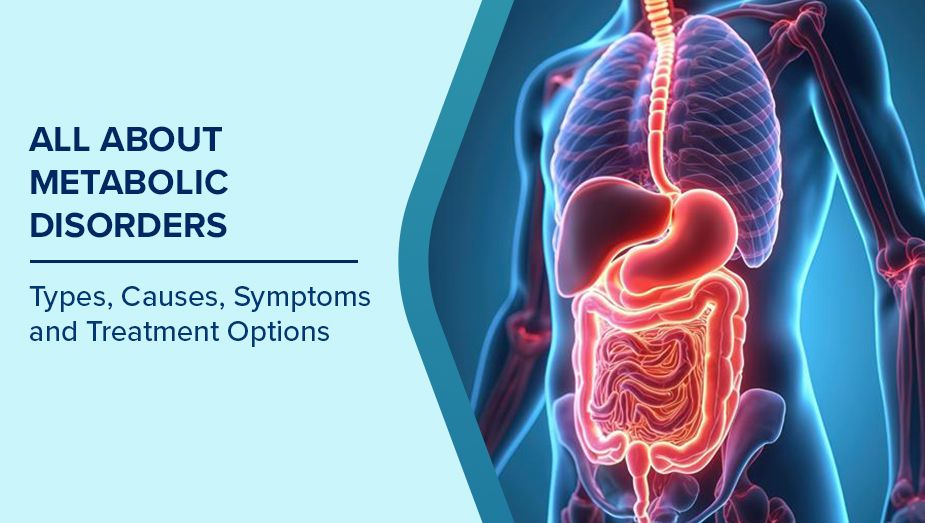
Call Us+91 926 888 0303All About Metabolic Disorders: Types, Causes, Symptoms and Treatment Options
By Dr. Namrita Singh in Internal Medicine
Sep 10 , 2025 | 12 min read

Metabolism refers to the chemical processes that keep the body functioning, from converting food into energy to repairing cells and supporting growth. When these processes are disrupted, it can lead to a group of conditions known as metabolic disorders. Many of these disorders are inherited and may not show obvious signs at first. In fact, a person can appear healthy for days, months or even years before any problems become noticeable. Symptoms often appear when the body is under strain, such as during prolonged fasting, illness or periods of intense physical stress. To help you better understand these conditions, this blog will explore the different types of metabolic disorders, their causes, symptoms and the treatment options that can help manage them effectively. Before we get into that, it is important to first understand what the term “metabolism” means.
What is Metabolism?
Metabolism is the process the body uses to turn food and drink into energy. This energy powers every activity, from breathing and thinking to moving and repairing tissues. It consists of two main parts, namely catabolism and anabolism.
- Catabolism: This is the breakdown of food molecules into smaller units, releasing energy that the body can use immediately. For example, breaking down carbohydrates into glucose to supply cells with energy.
- Anabolism: This is the building-up process, where the body uses energy to create and repair cells, tissues and other essential structures. It helps in growth, healing and maintaining overall health.
Both processes work together to keep the body in balance. Any interference in these processes leads to metabolic disorders.
What are Metabolic Disorders?
Metabolic disorders are conditions that affect how the body processes and uses energy from food. They occur when there is a problem with one or more chemical reactions involved in metabolism, often due to an enzyme deficiency or hormonal imbalance. These disruptions can interfere with breaking down nutrients, storing energy or building important compounds the body needs. Some metabolic disorders are inherited, meaning they are present from birth, while others can develop later in life due to factors such as illness, certain medications or lifestyle habits. The severity can range from mild to life-threatening, depending on the type of disorder and how early it is detected and treated.
Common Metabolic Disorders
Metabolic disorders vary in their causes, symptoms and impact on health. Below are some of the more common types:
1. Diabetes
Diabetes is a condition where the body struggles to regulate blood sugar levels. This may happen because the pancreas does not produce enough insulin, or because the body’s cells do not respond properly to insulin. Over time, uncontrolled blood sugar can damage the heart, kidneys, nerves and eyes. Symptoms may include frequent urination, excessive thirst, fatigue and slow healing of wounds.
2. Thyroid Disorders
The thyroid gland produces hormones that control the speed of metabolism. In hypothyroidism, the gland is underactive, leading to slow metabolism, weight gain, fatigue and sensitivity to cold. In hyperthyroidism, the gland is overactive, which speeds up metabolism and may cause weight loss, rapid heartbeat, sweating and nervousness.
3. Phenylketonuria (PKU)
PKU is a rare inherited disorder where the body cannot break down phenylalanine, an amino acid found in many protein-rich foods. If untreated, phenylalanine can build up in the blood and cause brain damage. PKU is usually detected soon after birth through newborn screening and can be managed with a strict low-protein diet.
4. Gaucher Disease
Gaucher disease is caused by a deficiency of an enzyme called glucocerebrosidase, which leads to the build-up of fatty substances in organs such as the spleen, liver and bone marrow. This can cause an enlarged spleen or liver, bone pain, anaemia and fatigue. It is an inherited condition and may require enzyme replacement therapy for management.
5. Metabolic Syndrome
Metabolic syndrome is not a single disorder but a group of health problems that occur together, increasing the risk of heart disease, stroke and type 2 diabetes. It includes high blood pressure, high blood sugar, excess abdominal fat and abnormal cholesterol or triglyceride levels. Lifestyle changes such as diet and exercise are key to managing this condition.
6. Mitochondrial Disorders
These are a group of disorders caused by faulty mitochondria, the parts of cells that produce energy. When mitochondria do not function properly, cells cannot produce enough energy to meet the body’s needs. Symptoms can vary widely but may include muscle weakness, neurological problems, developmental delays and organ dysfunction.
What Causes Metabolic Disorders?
Metabolic disorders can develop due to a range of factors, from inherited genetic changes to health conditions that affect how the body processes nutrients. The main causes include:
Genetic Factors
Many metabolic disorders are inherited, meaning they are passed down through families. These are often the result of mutations in genes that produce enzymes responsible for breaking down or processing certain substances in the body. For example, in phenylketonuria (PKU), a faulty gene means the body cannot produce the enzyme needed to process phenylalanine. Genetic metabolic disorders are often detected in infancy, but may remain unnoticed until later in life in some cases.
Hormonal Imbalances
Hormones regulate many aspects of metabolism, including how the body stores and uses energy. Conditions such as hypothyroidism or hyperthyroidism occur when the thyroid gland produces too little or too much thyroid hormone, altering metabolic speed. Problems with the adrenal glands, pancreas or pituitary gland can also disrupt metabolism.
Lifestyle and Dietary Factors
Poor dietary habits, lack of physical activity and obesity can contribute to metabolic disorders such as type 2 diabetes and metabolic syndrome. Diets high in processed foods, sugars and unhealthy fats can impair how the body processes and stores nutrients, leading to long-term metabolic imbalances.
Chronic Illnesses and Organ Dysfunction
Certain chronic conditions, such as liver disease or kidney disease, can affect the body’s ability to metabolise nutrients and remove waste products. Over time, this can lead to secondary metabolic problems.
Medications and Toxins
Some medicines, such as long-term steroid use and exposure to toxins, can interfere with enzyme function or hormone levels, leading to metabolic disturbances.
In many cases, a combination of genetic predisposition and environmental or lifestyle factors can trigger the onset of a metabolic disorder.
What are the Symptoms of Metabolic Disorders?
The symptoms of metabolic disorders can vary depending on the type and severity of the condition. In some cases, they appear shortly after birth, while in others, they may develop gradually. Common symptoms include:
- Unexplained weight changes: Sudden weight loss or gain without changes in diet or activity levels. Children may show slow growth, stunted height, or delayed puberty due to poor nutrient use.
- Persistent fatigue and low energy: A constant feeling of tiredness, weakness, or sluggishness because the body cannot produce energy efficiently.
- Excessive thirst and frequent urination: Common in disorders like diabetes, where the body struggles to regulate blood sugar, leading to dehydration.
- Muscle problems: Weakness, cramps, stiffness, or difficulty performing physical activities due to a lack of energy supply to the muscles.
- Digestive issues: Recurring nausea, vomiting, diarrhoea, bloating, or abdominal pain that may occur after meals, especially in enzyme-related conditions.
- Neurological symptoms: Headaches, dizziness, seizures, trouble concentrating, developmental delays in children, or memory problems in adults caused by disrupted brain function.
- Vision disturbances: Blurred vision, double vision, or gradual loss of eyesight due to damage to blood vessels or nerves in the eyes.
- Skin changes: Dry skin, unusual pigmentation, or recurrent rashes that can be linked to nutritional imbalances.
- Temperature intolerance: Feeling unusually cold or overheated because the body’s temperature regulation is affected.
Not everyone with a metabolic disorder will have all these symptoms, and their severity can range from mild to life-threatening.
How are Metabolic Disorders Diagnosed?
Diagnosing metabolic disorders involves looking at how the body processes and uses energy from food, and identifying where disruptions might be occurring. This process is usually a combination of medical history, physical examination, laboratory testing, and sometimes advanced imaging or genetic studies.
Medical History and Physical Examination
The process often begins with a detailed discussion about symptoms, when they first appeared, and whether they have been getting worse over time. Family medical history is important because many metabolic disorders are inherited. Lifestyle factors, such as diet, exercise habits, and recent illnesses, are also considered.
During the physical examination, the doctor may check for growth issues in children, signs of delayed development, unusual skin or hair changes, muscle weakness, or organ enlargement.
Blood Tests
Blood tests play a central role in identifying metabolic problems. Common investigations include:
- Fasting blood sugar: Detects abnormal glucose levels, which can indicate diabetes or other carbohydrate metabolism issues.
- Lipid profile: Measures cholesterol and triglycerides to assess fat metabolism.
- Thyroid function tests: Evaluates levels of hormones such as TSH, T3, and T4 that regulate metabolism.
- Liver and kidney function tests: Helps detect organ damage or stress caused by metabolic imbalances.
- Hormone assays: Look at adrenal, pituitary, or pancreatic hormone levels.
Urine Tests
Urine testing can reveal substances that should not normally be present or are found in unusually high amounts. Excess sugar, proteins, or specific organic acids in the urine may point to enzyme deficiencies or inherited metabolic disorders.
Genetic Testing
When a hereditary disorder is suspected, genetic testing can confirm the diagnosis by identifying mutations in specific genes. This type of testing is especially useful for rare metabolic conditions and is often recommended for newborns who show unusual symptoms soon after birth.
Imaging Studies
In some cases, imaging scans such as ultrasound, MRI, or CT may be used to check for enlarged organs (like the liver or spleen), fatty deposits, or structural damage caused by long-term metabolic problems.
Specialised Tests
Advanced diagnostic tools may include enzyme activity assays, metabolic screening panels, and newborn screening programmes. These tests can detect problems even before symptoms develop, allowing for early treatment and better outcomes.
What are the Treatment Options for Metabolic Disorders?
Treatment for metabolic disorders depends on the specific condition, its underlying cause, and the severity of symptoms. The main aim is to correct or manage the imbalance in the body’s chemical processes, prevent complications, and improve overall health. This can involve lifestyle changes, medications, enzyme replacement, or more advanced interventions.
Dietary Modifications
Diet plays a central role in managing many metabolic disorders. In some conditions, avoiding certain foods can prevent the build-up of harmful substances in the body. For others, adding specific nutrients helps improve metabolism. For example, people with high cholesterol may benefit from a low-fat, high-fibre diet, while those with diabetes need to control carbohydrate intake. Diet plans are usually prepared by a nutritionist and dietitian to ensure the right balance of nutrients.
Medications
Medications are prescribed to regulate hormone levels, control symptoms, or replace substances the body cannot produce. For example, insulin helps control blood sugar in diabetes, and thyroid hormone replacement can manage hypothyroidism. In certain genetic disorders, medications may help reduce toxic build-up or improve enzyme activity.
Enzyme Replacement Therapy (ERT)
Some metabolic disorders are caused by missing or faulty enzymes. Enzyme replacement therapy can supply the body with the missing enzyme, helping to restore normal metabolic function. This treatment is often lifelong and may be given intravenously at regular intervals.
Lifestyle Changes
In addition to diet, maintaining a healthy weight, staying physically active, and avoiding alcohol or tobacco can help improve metabolic health. Regular exercise boosts metabolism, improves insulin sensitivity, and supports cardiovascular health.
Management of Associated Conditions
Metabolic disorders often increase the risk of other health issues such as heart disease, high blood pressure, and kidney problems. Managing these conditions with targeted treatments is important for overall health and long-term stability.
Surgical or Advanced Procedures
In certain cases, surgical interventions such as organ transplants or bariatric surgery may be recommended. For example, a liver transplant may be considered for severe metabolic liver disease that cannot be managed through medication or diet.
Regular Monitoring and Follow-up
Since metabolic disorders are often long-term conditions, regular follow-up appointments and monitoring are necessary. This allows healthcare providers to adjust treatment plans, track progress, and address new symptoms promptly.
Can Metabolic Disorders be Prevented?
Prevention depends on the cause of the disorder. It is important to note that inherited forms cannot be avoided; however, many lifestyle-related metabolic disorders can be reduced or delayed with healthy habits.
- Inherited Disorders: These are caused by genetic factors and cannot be prevented, but newborn screening and genetic counselling can help with early management.
- Balanced Diet: Eating a variety of fruits, vegetables, whole grains, and lean proteins supports overall metabolic health.
- Weight Management: Maintaining a healthy body weight lowers the risk of conditions like type 2 diabetes and metabolic syndrome.
- Physical Activity: Regular exercise, such as walking, cycling, or swimming, helps regulate blood sugar and maintain healthy weight.
- Avoiding Harmful Substances: Limiting alcohol, avoiding smoking, and reducing exposure to toxins supports metabolic function.
- Regular Health Check-ups: Routine screening for blood sugar, cholesterol, and thyroid function allows for early detection and timely treatment.
Consult Today
Living with a metabolic disorder can bring uncertainty and challenges that affect daily life. When symptoms appear or there is a family history of such conditions, early consultation can help in managing the disorder more effectively and preventing further complications.
At Max Hospital, skilled endocrinologists work closely with patients to identify the cause, plan appropriate treatment, and provide ongoing support for long-term health. If you or a loved one are concerned about symptoms or risks related to metabolic disorders, book a consultation to receive an accurate diagnosis and guidance on the right treatment path.
Frequently Asked Questions
Can metabolic disorders develop later in life, or are they always present from birth?
Not all metabolic disorders are present from birth. Some are genetic and show symptoms early in life, but others may develop later due to lifestyle factors, hormonal changes, or underlying health conditions.
Do metabolic disorders always require lifelong treatment?
It depends on the type and severity of the condition. Some require ongoing management to keep symptoms under control, while others can improve significantly with lifestyle changes, surgery, or short-term treatment.
Are metabolic disorders linked to other health problems, such as heart disease or diabetes?
Yes, certain metabolic disorders can increase the risk of related conditions such as type 2 diabetes, cardiovascular disease, and obesity. Early detection and proper management can reduce these risks.
Can lifestyle changes alone help manage certain metabolic disorders?
For some mild cases, maintaining a balanced diet, regular exercise, and healthy body weight can significantly improve metabolic function. However, others may still require medical treatment.
Are metabolic disorders hereditary, and should family members get tested?
Some metabolic disorders are genetic, meaning they can run in families. If diagnosed, it is advisable for close relatives to discuss screening options with a doctor.
How often should someone with a metabolic disorder visit their doctor?
The frequency varies depending on the condition, but regular check-ups often every 3 to 6 months are recommended to monitor progress and adjust treatment if needed.
Can stress or lack of sleep worsen metabolic disorders?
Yes, chronic stress and poor sleep can affect hormone balance, appetite regulation, and energy metabolism, which may worsen symptoms.
Are there any dietary supplements that can support metabolic health?
In some cases, supplements like certain vitamins, minerals, or enzymes may be recommended. These should only be taken after medical advice, as needs vary from person to person.
How soon should medical help be sought if symptoms suddenly get worse?
Any sudden or severe change in symptoms such as rapid weight change, extreme fatigue, or unexplained pain should be reported to a doctor promptly.
Can children with metabolic disorders live normal, active lives?
Yes, many children with metabolic disorders can lead fulfilling, active lives with proper treatment, a supportive care plan, and regular medical follow-up.
Written and Verified by:

Related Blogs


Dr. Vandana Boobna In Internal Medicine
Nov 08 , 2020 | 2 min read
Blogs by Doctor

What is Anaemia: Symptoms, Causes & Prevention Strategies
Dr. Namrita Singh In Internal Medicine
Jul 29 , 2024 | 3 min read

Typhoid Fever Symptoms, Diagnosis, and Debunking Common Myths
Dr. Namrita Singh In Internal Medicine
Jul 31 , 2024 | 2 min read
Most read Blogs


Related Blogs
Dr. Vandana Boobna In Internal Medicine
Nov 08 , 2020 | 2 min read
Blogs by Doctor
What is Anaemia: Symptoms, Causes & Prevention Strategies
Dr. Namrita Singh In Internal Medicine
Jul 29 , 2024 | 3 min read
Typhoid Fever Symptoms, Diagnosis, and Debunking Common Myths
Dr. Namrita Singh In Internal Medicine
Jul 31 , 2024 | 2 min read
Most read Blogs