 WhatsApp Us (24/7)
 +91 926 888 0303 (24/7)


To Book an Appointment
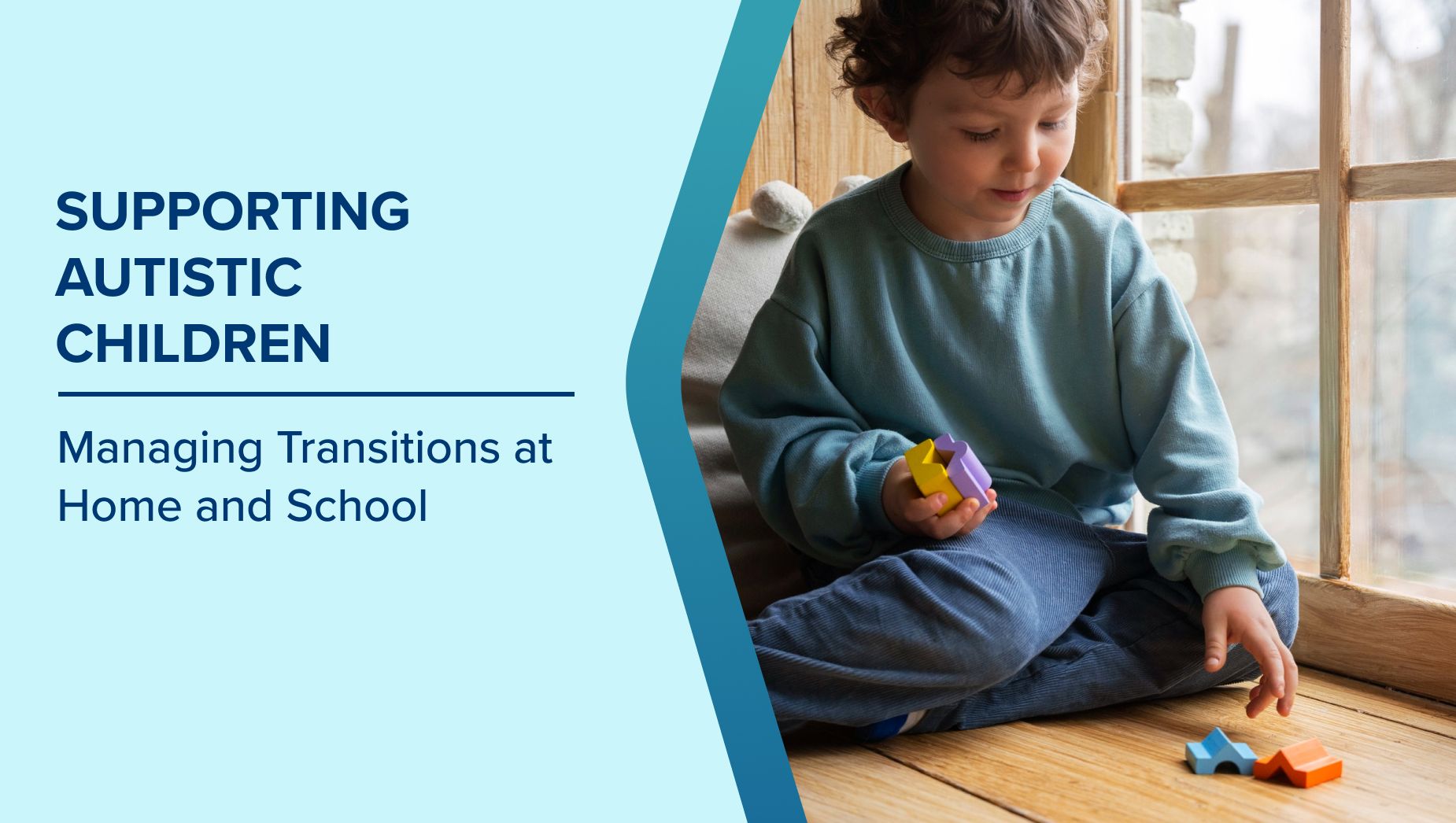
Call Us+91 926 888 0303Supporting Autistic Children: Managing Transitions at Home and School
By Dr. Sameer Malhotra in Mental Health And Behavioural Sciences
Dec 15 , 2025 | 3 min read

Transitions are a part of everyday life, yet they can feel particularly challenging for autistic children. Many families and teachers notice that even small changes in routine or environment can cause stress or resistance. Understanding why this happens and learning practical strategies can make daily routines calmer and more predictable for everyone. This blog brings together clear explanations and helpful approaches that support autistic children at home and in school settings, using only the information you provided.
Why Autistic Children Find Changes in Routine or Environment Challenging
Autistic children often rely on structure and predictability to feel secure. A steady routine reduces the mental effort required to navigate the day and helps them anticipate what will happen next. When a routine shifts, the child may lose the sense of stability that helps them stay calm.
Transitions are difficult because they involve several demands, including:
- Shifting attention from one task to another
- Processing new expectations
- Handling changes in sensory input
- Managing uncertainty or loss of control
Many autistic children also experience differences in executive functioning. This makes it harder for them to switch tasks quickly or stop an activity they are deeply engaged in. Even transitions that seem simple to adults may feel sudden or disruptive to the child.
Behavioural Cues Indicating Difficulty With Transitions
Signs of transition-related stress can appear before, during or after a change in activity or environment. These cues offer important insight into how the child is feeling and help adults know when support is needed.
Parents and caregivers may notice:
- Heightened anxiety, such as pacing, fidgeting or clinginess
- Verbal resistance, such as saying no, arguing or repeating questions
- Emotional distress, including crying, irritability or shutdowns
- Physical behaviours such as running away, freezing or dropping to the floor
- Sensory responses such as covering ears, avoiding eye contact or increased stimming
These behaviours signal rising stress and the need for preparation, reassurance or adjustments in the environment.
How Sensory Triggers Make Transitions Harder
Transitions often move children into environments with different sensory demands. A new setting can bring unfamiliar sounds, lights, textures, temperatures or social expectations that feel intense or uncomfortable.
Examples include:
- Leaving a calm classroom for a loud hallway
- Moving from warm water to cooler air after a bath
- Changing into clothes with uncomfortable textures
- Entering crowded or brightly lit spaces
For children with sensory sensitivities, these sensory shifts can feel overwhelming. What appears to be resistance may actually be a physical or emotional response to discomfort, making even simple transitions distressing.
Practical, Evidence-Based Tips for Smoother Transitions
There are several strategies that can help transitions feel more predictable and manageable for autistic children. These approaches create structure and support emotional regulation during moments of change.
- Give warnings and time markers: Use alerts like five more minutes or visual timers to reduce abrupt changes.
- Use visual supports: Picture schedules, first-then boards or checklists help children anticipate what comes next.
- Build predictable routines and introduce change gradually: Preview planned changes using photos or videos and practice new steps in small, manageable parts.
- Offer simple choices: Provide options to give a sense of control, such as asking whether the child wants to pack their bag first or put on their shoes.
- Add calming strategies or transition objects: Deep pressure hugs, breathing exercises, fidget toys or a familiar object can help regulate emotions during transitions.
- Bring familiar items: A favourite toy, routine blanket or pillow cover can provide comfort when entering a new environment.
How Helpful Are Tools Like Visual Schedules, Countdowns and Social Stories
These tools are well supported by research and clinical practice. They help children understand what will happen and reduce uncertainty.
- Visual schedules help children see the sequence of the day and reduce unpredictability.
- Countdowns prepare the child for change and prevent frustration when an activity ends.
- Social stories explain what will happen, why it is happening and how the child can respond, which helps reduce fear and confusion.
Because many autistic children process information visually and thrive on clear structure, these tools can significantly reduce transition-related distress.
When to Seek Occupational Therapy or Developmental Support
Professional support may be needed when transitions become a major challenge despite consistent strategies at home or school.
It may be time to seek help if:
- Transitions regularly lead to meltdowns, shutdowns or extreme anxiety
- Difficulties disrupt daily functioning at home or school
- Sensory challenges are severe or cause avoidance of activities
- The child struggles even when visual supports and routines are in place
- Parents or teachers feel overwhelmed or unable to manage behaviours
Occupational therapists can assess sensory needs, create personalised routines and teach coping strategies. Effective management often involves coordination among psychiatrists, psychologists, occupational and behavioural therapists, speech therapists, special educators and teachers to support the child’s best interests.
Written and Verified by:

Related Blogs

Dr. Prashant Gupta In Mental Health And Behavioural Sciences , Psychiatry
Nov 08 , 2020 | 5 min read

Blogs by Doctor

Live a stress-free life forever
Dr. Sameer Malhotra In Mental Health And Behavioural Sciences , Orthopaedics & Joint Replacement
Nov 08 , 2020 | 2 min read

Common Symptoms of Obsessive Compulsive Disorder
Dr. Sameer Malhotra In Mental Health And Behavioural Sciences
Nov 08 , 2020 | 2 min read
Most read Blogs


Related Blogs
Dr. Prashant Gupta In Mental Health And Behavioural Sciences , Psychiatry
Nov 08 , 2020 | 5 min read
Blogs by Doctor
Live a stress-free life forever
Dr. Sameer Malhotra In Mental Health And Behavioural Sciences , Orthopaedics & Joint Replacement
Nov 08 , 2020 | 2 min read
Common Symptoms of Obsessive Compulsive Disorder
Dr. Sameer Malhotra In Mental Health And Behavioural Sciences
Nov 08 , 2020 | 2 min read
Most read Blogs