 WhatsApp Us (24/7)
 +91 926 888 0303 (24/7)


To Book an Appointment
Call Us+91 926 888 0303How to Manage Stress During Pregnancy: Safe & Effective Strategies
By Dr. Seema Wadhwa in Infertility & IVF , Obstetrics And Gynaecology , Robotic Surgery , Gynaecologic Laparoscopy
Mar 19 , 2026

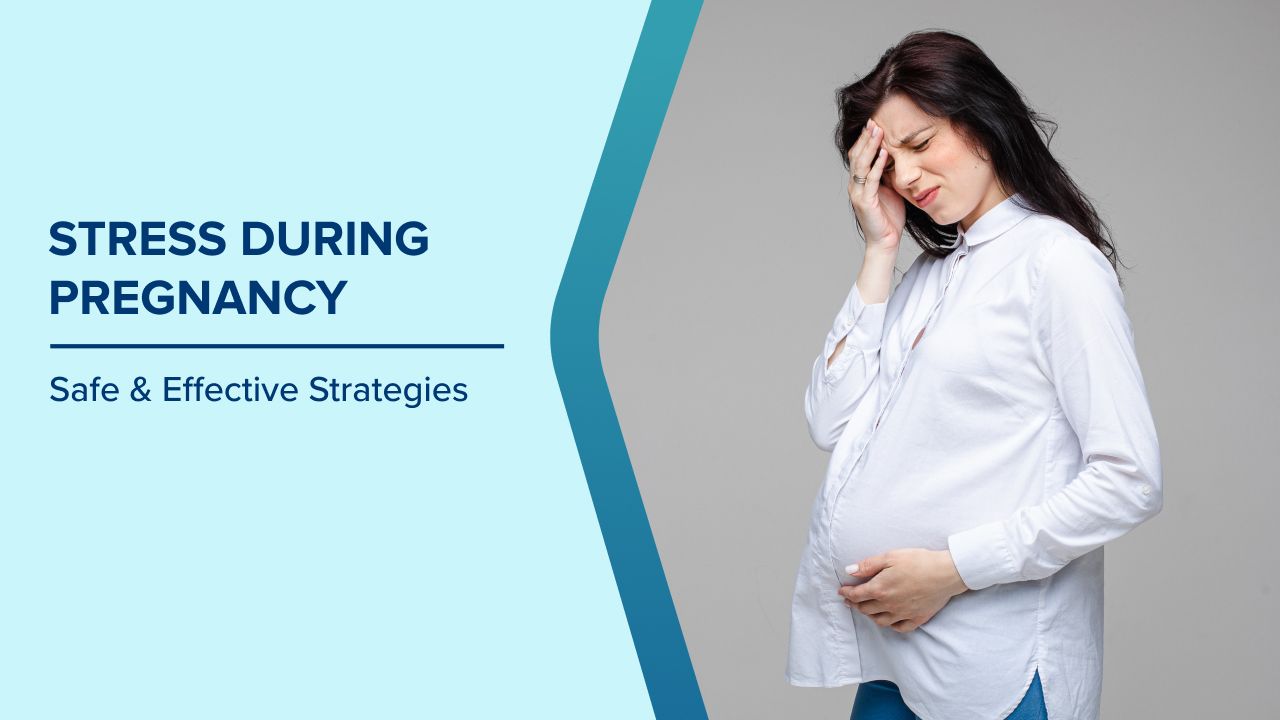
The pregnancy journey is often depicted as a time of pure joy and bliss, but for many people, it’s also a period filled with worries, anxieties, and stress. You might be stressing about your baby's health, financial changes, or the massive life transformation ahead. This stress is normal, but when it becomes chronic, it can take a toll on your well-being. It's important to remember that caring for yourself is one of the best forms of pregnancy care you can give to your baby.
The Impact of Stress During Pregnancy
While mild, day-to-day stress is normal and generally harmless, chronic or severe stress can have a real impact on your physical and emotional prenatal health. The constant flood of stress hormones can affect your body's systems in ways that are not ideal for a healthy pregnancy.
How Stress Affects You
When you experience stress, your body produces hormones such as cortisol and adrenaline. If these hormones remain elevated for a long period, they can trigger several physical and emotional effects:
- Insomnia and Fatigue: Stress can disrupt your sleep, making it hard to fall or stay asleep, which eventually leads to tiredness.
- Headaches and Muscle Tightness: Ongoing stress may cause tension-type headaches and general discomfort in the muscles.
- Raised Blood Pressure: Persistent stress can increase blood pressure, which may pose risks during pregnancy if not managed properly.
How Stress Affects Your Baby
Your baby is incredibly connected to you, and your stress can be passed along. Chronic and severe stress can affect a baby's development in the following ways:
- Fetal Development: A constant flood of stress hormones from the mother can affect the baby's developing nervous system and brain.
- Preterm Birth and Low Birth Weight: Severe, unmanaged stress has been linked to a higher risk of preterm birth and low birth weight.
- Behavioural Issues: There has been a link between high maternal stress and an increased risk of behavioural problems in children later in life.
Safe and Effective Stress Management Strategies
While it's impossible to eliminate all stress, there are many safe and effective ways to manage it. These pregnancy tips can be incorporated into your daily routine.
Prioritise Physical Well-Being
- Regular Exercise: Gentle physical activity like walking, swimming, or prenatal yoga is a powerful stress reliever. It's commonly recommended to get at least 30 minutes of moderate exercise on most days.
- Healthy Diet: A well-balanced pregnancy diet can help stabilise your mood and energy levels. Eat plenty of fruits, vegetables, lean protein, and whole grains. Avoid excessive caffeine and sugar, which can cause energy crashes.
- Get Enough Sleep: Rest is crucial. Create a calming bedtime routine and make sure your bedroom is dark and cool.
Practice Mindfulness and Relaxation
- Meditation and Deep Breathing: Taking just 10-15 minutes a day to practice can help calm your nervous system.
- Prenatal Yoga: This practice combines gentle movement with deep breathing and meditation, providing a holistic approach to stress relief.
- Journaling: Writing down your thoughts and feelings can help you process your worries and clear your mind.
Seek Emotional and Social Support
- Talk to Loved Ones: Don't be afraid to lean on your partner, family, and friends. Share your feelings and let them know how they can support you.
- Join a Support Group: Connecting with other pregnant people can help you feel less alone.
- Consider Professional Help: If your stress feels unmanageable, or if you are experiencing symptoms of depression or anxiety, talk to your doctor. They can refer you to a therapist or counsellor who specialises in trimester care.
Creating a Stress-Management Plan for Your Pregnancy Stages
Your stress management needs may change as you move through each of the pregnancy stages. By creating a flexible plan, you can be better prepared to handle new challenges.
First Trimester
This is a time of immense hormonal and physical change, and you may be dealing with morning sickness and exhaustion. Focus on rest, nourishing your body with a gentle pregnancy diet, and talking to your partner about your feelings.
Second Trimester
You might feel a renewed burst of energy. This is a great time to incorporate regular exercise, practice mindfulness, and start researching and planning for your baby's arrival.
Third Trimester
As you get closer to your due date, new anxieties about labour and delivery can arise. Focus on relaxation techniques, creating a birth plan, and preparing your mind and body for birth.
Conclusion
Stress during pregnancy is a very real part of the pregnancy journey, but it is also a manageable one. By making self-care a priority, you are taking a vital step to ensure a healthy pregnancy for both you and your baby. Remember to be gentle with yourself, trust your instincts, and never think twice to reach out for help. You are doing an incredible job, and with the right support, you can navigate the stresses of this journey with peace and confidence.
Frequently Asked Questions
1. Is stress a sign of a bad mother?
Absolutely not. Stress is a normal human response, and acknowledging it is a sign of self-awareness and strength. It shows that you are being proactive about your pregnancy care.
2. Does stress cause a miscarriage?
No, a normal amount of stress does not cause a miscarriage. Miscarriages are most often caused by genetic issues or other pregnancy complications.
3. What are the signs of severe stress?
Signs of severe stress include feeling overwhelmed, constant fatigue, changes in appetite, severe anxiety, and a feeling of hopelessness. If you experience these, you should contact your doctor immediately.
4. Can I take supplements for stress relief?
You should never take any supplements without consulting your doctor first.
5. How can my partner help?
Your partner can help by listening to your concerns, taking on some of the household chores, and participating in stress-relieving activities with you, like walking or watching a movie.
6. Does stress cause high blood pressure?
Yes, chronic, unmanaged stress can contribute to high blood pressure. Your doctor will monitor your blood pressure at every prenatal health appointment to ensure it is at a healthy level.
7. Can stress harm the baby?
Chronic, severe, and unmanaged stress can have an effect on a baby's development. However, a normal amount of stress is unlikely to cause any harm. The best thing you can do is to talk to your doctor about your concerns and find ways to manage your stress.
Written and Verified by:

Related Blogs

Dr. Richa Singh In Infertility & IVF
Nov 08 , 2020 | 2 min read

Dr. Richa Singh In Infertility & IVF
Nov 08 , 2020 | 2 min read
Blogs by Doctor

20 Tips for Planning a Healthy Pregnancy
Dr. Seema Wadhwa In Obstetrics And Gynaecology
Jul 20 , 2017 | 1 min read

Unwanted Surgeries for Fibroids Can Prove Fatal
Dr. Seema Wadhwa In Obstetrics And Gynaecology
Jul 25 , 2017 | 2 min read
Most read Blogs


Related Blogs
Dr. Richa Singh In Infertility & IVF
Nov 08 , 2020 | 2 min read
Dr. Richa Singh In Infertility & IVF
Nov 08 , 2020 | 2 min read
Blogs by Doctor
20 Tips for Planning a Healthy Pregnancy
Dr. Seema Wadhwa In Obstetrics And Gynaecology
Jul 20 , 2017 | 1 min read
Unwanted Surgeries for Fibroids Can Prove Fatal
Dr. Seema Wadhwa In Obstetrics And Gynaecology
Jul 25 , 2017 | 2 min read
Most read Blogs