 WhatsApp Us (24/7)
 +91 926 888 0303 (24/7)


To Book an Appointment
Call Us+91 926 888 0303Gestational Diabetes in Pregnancy: Diagnoses & Management
By Dr. Shaveta Gupta in Infertility & IVF , Obstetrics And Gynaecology , Robotic Surgery , Gynaecologic Laparoscopy
Mar 19 , 2026

Learning that you have gestational diabetes can bring a wave of worry and uncertainty. It is natural to think about how it may affect both your health and your baby’s wellbeing, and adjusting to a new condition during pregnancy can feel challenging. The reassuring news is that this is a fairly common issue many expectant mothers experience. With proper guidance and timely care, it can be managed effectively throughout your pregnancy.
What is Gestational Diabetes?
Gestational diabetes is a type of diabetes that develops for the first time during pregnancy. It is caused by insulin resistance, which is when your body can’t produce enough insulin to handle the extra glucose in your blood. This condition usually appears in the middle of pregnancy and typically goes away after birth.
The Hormonal Connection
During pregnancy, the placenta releases several hormones that support your baby’s growth. These hormones can reduce how well your body responds to insulin. Insulin is responsible for helping glucose enter your cells to be used as energy. As the pregnancy progresses and hormone levels rise, insulin resistance naturally increases. In some individuals, the pancreas cannot produce enough extra insulin to balance this change, causing blood sugar levels to rise and resulting in gestational diabetes.
Who is at Risk?
Although gestational diabetes can affect anyone, certain factors may raise the likelihood:
- Being older than 25 years.
- Having a close family member with type 2 diabetes.
- A history of gestational diabetes in a previous pregnancy.
- Being overweight or having obesity.
- Having polycystic ovary syndrome (PCOS).
- Being pregnant with twins or more.
Read More: Gestational Diabetes: Symptoms, Risks, and Treatment
The Gestational Diabetes Diagnosis and Management
A diagnosis is typically made between 24 and 28 weeks of pregnancy during a routine glucose screening. While the diagnosis can be alarming, it is the first step toward a healthy pregnancy. The good news is that with proper trimester care, you can successfully manage the condition and minimise any risks.
How Is It Diagnosed?
The glucose tolerance test is one of the primary methods used for diagnosis. You will be asked to drink a sweetened solution, after which your blood sugar levels are checked at different time intervals. If the readings stay higher than normal, it suggests that your body is not making sufficient insulin to handle the glucose.
Managing the Condition
The primary treatment for gestational diabetes involves lifestyle modifications, primarily a focus on healthy pregnancy eating and regular exercise.
- Meal Planning and Pregnancy Diet: Your doctor or a registered dietitian will help you create a meal plan. The key is to control your carbohydrate intake and spread it out throughout the day to keep blood sugar levels stable.
- Focus on complex carbohydrates: Choose whole grains, fruits, vegetables, and legumes over simple sugars.
- Balance meals: Combine carbs with lean protein and healthy fats.
- Eat smaller, frequent meals: This helps prevent blood sugar spikes.
- Stay Active: Engaging in regular physical activity supports better insulin function. Aim for around 30 minutes of moderate exercise, like brisk walking or swimming, on most days.
Read More: Diabetes and Women's Health
The Importance of Monitoring Your Blood Sugar
Monitoring your blood sugar is a fundamental part of managing gestational diabetes. It provides you and your doctor with real-time data on how your body is responding to your pregnancy diet and activity levels.
How to Monitor
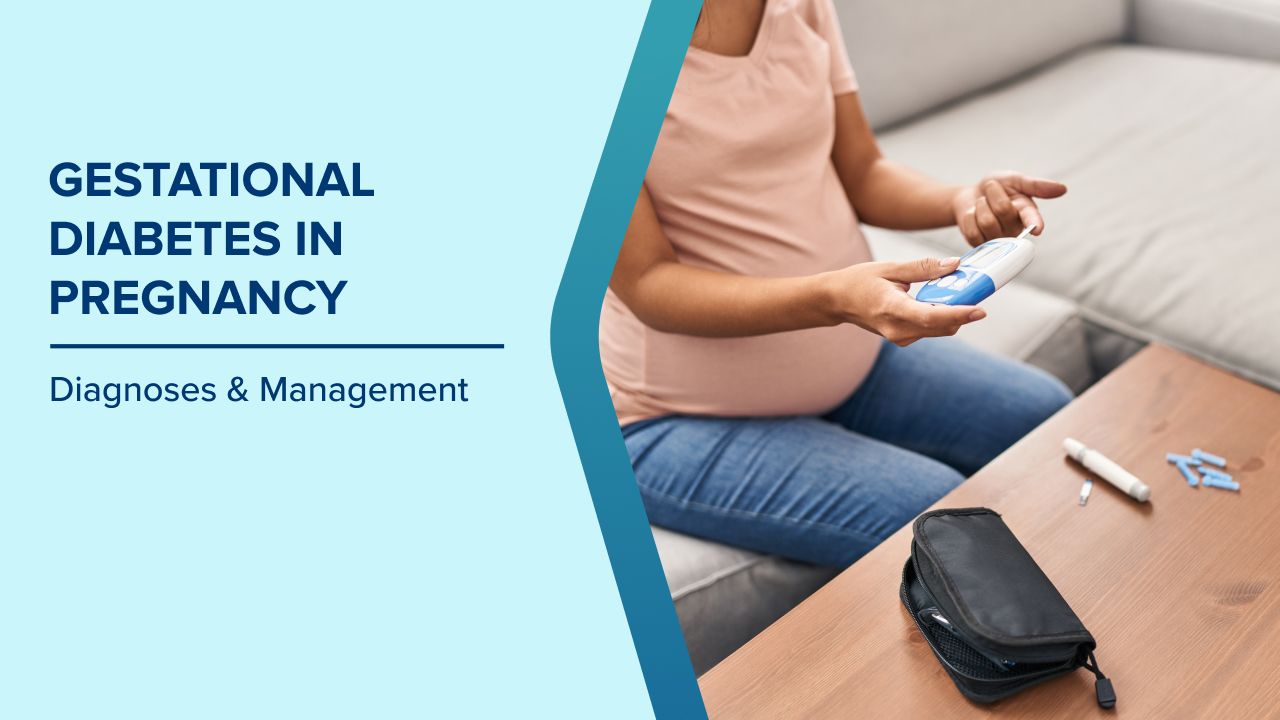
You will be given a glucose meter and instructed on how to check your blood sugar levels several times a day, typically after you wake up and after each meal. This data helps your doctor make any necessary adjustments to your treatment plan.
Medication and Insulin
If healthy eating and regular physical activity are insufficient to manage your blood sugar, your doctor may recommend oral medications or insulin injections to help keep your levels under control. This is not a sign of failure; it simply means your body needs extra help to maintain a healthy pregnancy.
The Impact on You and Your Baby
Managing gestational diabetes is essential to reduce the chances of complications during pregnancy. Elevated blood sugar levels can influence the health of both the mother and the baby.
Risks to the Baby
- Higher birth weight: Babies may grow larger than expected, which can make childbirth more challenging.
- Low blood sugar after birth: Newborns may experience a drop in blood glucose levels because they have adapted to higher sugar levels during pregnancy.
Risks to the Mother
- There is a greater likelihood of developing type 2 diabetes in the future.
- Higher chances of requiring a C-section.
- Increased risk of preeclampsia, a serious condition linked to high blood pressure during pregnancy.
Conclusion
A diagnosis of gestational diabetes can feel like a setback, but it is a manageable condition that gives you a clear path forward. By working closely with your healthcare team, adjusting your pregnancy diet, and incorporating exercise into your routine, you can have a healthy pregnancy and minimize risks for both you and your baby. This journey is about empowering yourself with knowledge and making proactive choices.
Frequently Asked Questions
1. Does diabetes continue after delivery?
Gestational diabetes usually resolves once the baby is born. However, it does increase your likelihood of developing type 2 diabetes in the future, which makes regular follow-up checks important.
2. What is the glucose screening test like?
The test involves drinking a very sweet liquid and having your blood drawn at one or more intervals. It is not painful, but the drink can be very sugary.
3. Can I prevent gestational diabetes?
While you can't completely prevent it, you can lower your risk by maintaining a healthy pregnancy diet and staying active before and during your pregnancy.
4. Can I still eat carbs?
Yes, you should still eat carbohydrates, as they are a vital source of energy. The key is to choose complex carbs and control your portion sizes.
5. Are there symptoms of gestational diabetes?
Most people do not have obvious symptoms. This is why screening is a routine part of prenatal health.
6. Does having gestational diabetes mean I have to have a C-section?
No, a diagnosis of gestational diabetes does not automatically mean you need a C-section. Your doctor will make a recommendation based on the size of your baby and your overall trimester care progress.
7. What is a safe amount of weight to gain?
Your doctor will give you a specific recommendation based on your pre-pregnancy weight. It's commonly recommended to gain between 10 to 20 pounds if you have this condition.
Written and Verified by:

Related Blogs

Dr. Richa Singh In Infertility & IVF
Nov 08 , 2020 | 2 min read

Dr. Richa Singh In Infertility & IVF
Nov 08 , 2020 | 2 min read
Blogs by Doctor

Low Blood Pressure in Pregnancy and It’s Treatment
Dr. Shaveta Gupta In Obstetrics And Gynaecology
Jan 24 , 2022 | 6 min read

Pregnancy at 3 Weeks: What’s Happening Before You Even Test Positive?
Dr. Shaveta Gupta In Obstetrics And Gynaecology
May 09 , 2025 | 7 min read
Most read Blogs


Related Blogs
Dr. Richa Singh In Infertility & IVF
Nov 08 , 2020 | 2 min read
Dr. Richa Singh In Infertility & IVF
Nov 08 , 2020 | 2 min read
Blogs by Doctor
Low Blood Pressure in Pregnancy and It’s Treatment
Dr. Shaveta Gupta In Obstetrics And Gynaecology
Jan 24 , 2022 | 6 min read
Pregnancy at 3 Weeks: What’s Happening Before You Even Test Positive?
Dr. Shaveta Gupta In Obstetrics And Gynaecology
May 09 , 2025 | 7 min read
Most read Blogs