 WhatsApp Us (24/7)
 +91 926 888 0303 (24/7)


To Book an Appointment
Call Us+91 926 888 0303Arthritis and Work Life: How to Stay Productive Despite Chronic Pain
By Dr. Vineet Tyagi in Orthopaedics & Joint Replacement , Arthroscopy & Sports Injury , Robotic Joint Replacement
Oct 29 , 2025 | 4 min read
1

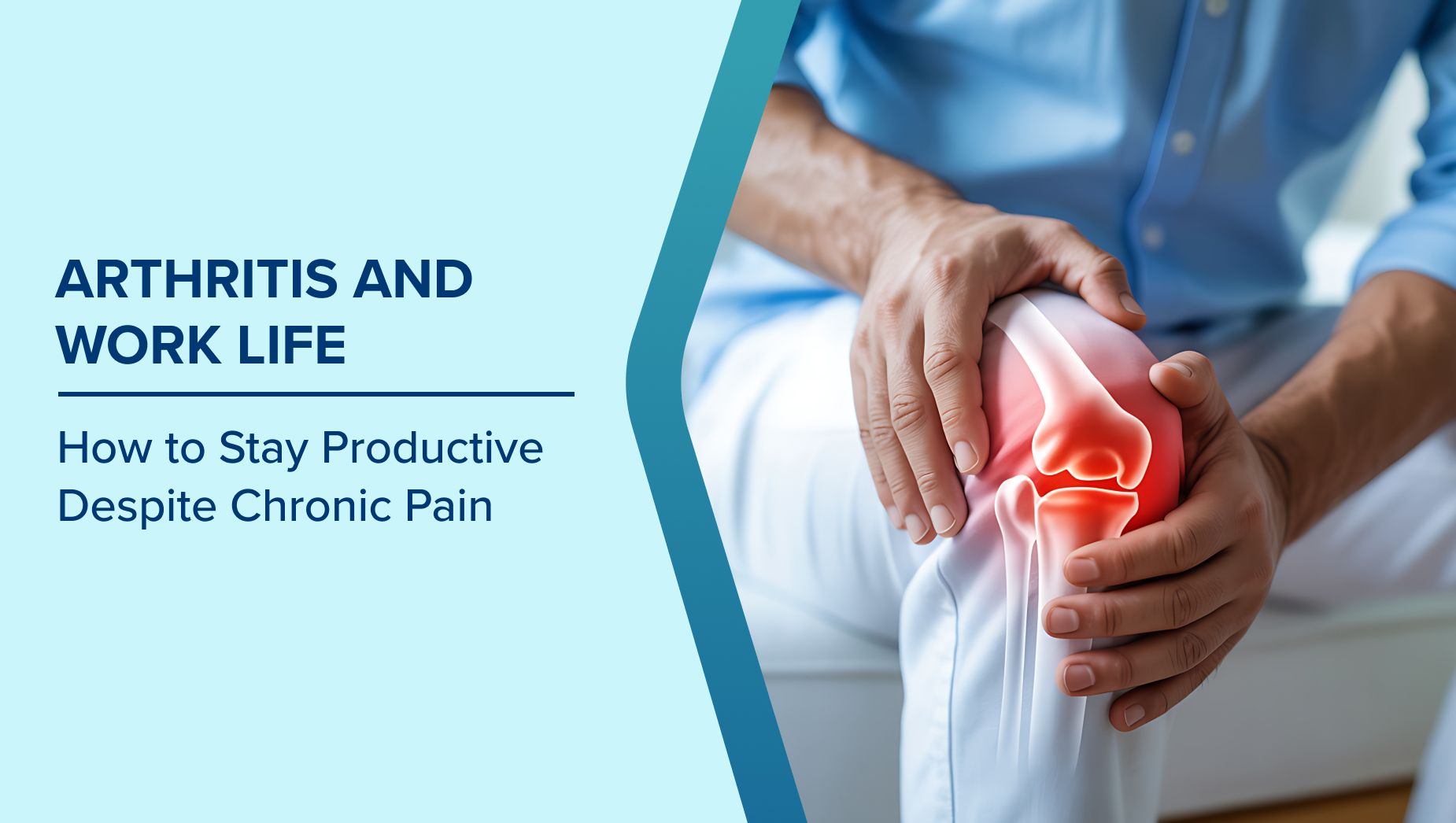
Living with arthritis can make daily tasks challenging, and for working adults, chronic joint pain may affect productivity, focus, and overall well-being. Both rheumatoid arthritis and osteoarthritis can cause stiffness, fatigue, and discomfort, making work life more demanding. However, with proper arthritis management, workplace adjustments, and lifestyle strategies, it is possible to remain productive, maintain job performance, and protect joint health. Understanding how arthritis affects your work and implementing practical solutions is key to thriving professionally despite chronic pain.
Types of Arthritis and How They Affect Work
Arthritis is a term for joint inflammation and pain, and it can impact work differently depending on the type. The most common forms include:
Osteoarthritis (OA)
- Degenerative joint disease often caused by wear and tear.
- Commonly affects knees, hips, and hands.
- Symptoms: stiffness, swelling, reduced range of motion, joint discomfort during repetitive tasks.
Rheumatoid Arthritis (RA)
- Autoimmune condition where the body attacks joint tissues.
- Can cause symmetrical joint pain, fatigue, and morning stiffness.
- May affect small joints like fingers and wrists, impacting typing, writing, and fine motor tasks.
Psoriatic Arthritis
- Associated with psoriasis, causing joint pain and skin symptoms.
- Can impact mobility and hand function, affecting office or manual work.
Gout
- Sudden, intense joint pain due to uric acid buildup.
- Typically affects the big toe, but can flare up in the knees or elbows.
- Unpredictable flare-ups may require flexible work adjustments.
How Arthritis Impacts Work Life
Chronic joint pain can influence productivity and overall job performance in several ways:
- Physical limitations: Difficulty typing, lifting, or standing for long periods.
- Fatigue: Arthritis-related inflammation can lead to low energy and concentration challenges.
- Pain flare-ups: Sudden pain episodes can interrupt tasks or require breaks.
- Reduced mobility: Stiffness in joints may limit walking or commuting efficiency.
- Emotional stress: Frustration or anxiety from managing pain alongside work demands.
Workplace Tips for Managing Arthritis
Practical adjustments in the workplace can make a significant difference in comfort and productivity.
Ergonomic Workstation
- Use chairs with proper lumbar support.
- Keep desks and keyboards at a comfortable height to reduce wrist strain.
- Use ergonomic mice, keyboard pads, or wrist supports.
Task Modification
- Break tasks into smaller, manageable steps.
- Alternate between sitting and standing to reduce joint stress.
- Delegate or ask for help with physically demanding tasks when possible.
Flexible Scheduling
- Consider remote work or flexible hours to accommodate flare-ups.
- Take short breaks to stretch or move joints.
- Schedule demanding tasks for times when energy levels are highest.
Assistive Tools
- Voice-to-text software for typing-intensive tasks.
- Joint braces or supports for knees, wrists, or elbows.
- Easy-grip tools if your work involves manual labour.
Communication and Awareness
- Inform supervisors or colleagues about arthritis-related needs.
- Request reasonable accommodations under workplace disability policies if needed.
Daily Routines to Support Arthritis at Work
A consistent routine can reduce joint stress and maintain energy throughout the workday.
Morning Preparation
- Gentle stretching or arthritis exercises to improve mobility.
- Apply heat packs for stiff joints.
- Take prescribed medication as advised by your doctor.
During Work
- Maintain good posture and adjust seating frequently.
- Drink water to stay hydrated and support joint lubrication.
- Use wrist or knee supports if necessary.
Evening Recovery
- Ice sore joints after long periods of activity.
- Practice relaxation techniques or meditation to reduce stress.
- Maintain a balanced diet rich in anti-inflammatory foods such as fish, nuts, fruits, and vegetables.
Coping Strategies and Mental Well-Being
Managing arthritis at work is not only physical but also mental. Chronic pain can lead to frustration, anxiety, or depression if not addressed.
Stress Management
- Practice mindfulness, deep breathing, or meditation during breaks.
- Set realistic goals to prevent overexertion.
Support Systems
- Connect with colleagues or support groups who understand arthritis challenges.
- Seek counselling if chronic pain affects emotional well-being.
Time Management
- Prioritise tasks and focus on high-impact activities first.
- Avoid multitasking during flare-ups to reduce joint strain and mental fatigue.
Physical Activity
- Gentle exercise, such as walking, swimming, or stretching, maintains joint flexibility and reduces pain.
- Incorporate arthritis-friendly workouts into your daily routine, even for a few minutes.
Nutrition and Lifestyle Tips for Work-Life Arthritis Management
Diet and lifestyle have a direct effect on arthritis symptoms:
- Balanced diet: Include lean protein, whole grains, and fresh produce.
- Anti-inflammatory foods: Salmon, flaxseeds, turmeric, ginger, leafy greens.
- Avoid triggers: Excess sugar, processed foods, and trans fats can worsen inflammation.
- Maintain a healthy weight: Reduces stress on joints, particularly knees and hips.
- Adequate sleep: Supports recovery and reduces fatigue during work hours.
Employers’ Role in Supporting Employees with Arthritis
A supportive workplace environment can enhance productivity and employee satisfaction:
- Provide ergonomic equipment and adjustable workstations.
- Encourage flexible schedules and breaks.
- Promote awareness of arthritis and chronic pain conditions.
- Implement wellness programs focusing on exercise, stress management, and nutrition.
Conclusion
Arthritis does not have to limit your professional life. By combining ergonomic strategies, lifestyle adjustments, exercises, nutrition, and stress management, you can manage joint pain and remain productive. Open communication with your employer, regular medical checkups, and proactive planning create a sustainable work routine. Implementing these strategies ensures that arthritis becomes a manageable part of life rather than a barrier to success.
Frequently Asked Questions
Can I continue working with severe arthritis?
Yes, with proper arthritis management, ergonomic adjustments, and medical support, most people can maintain work responsibilities effectively.
Are there arthritis-friendly exercises I can do at my desk?
Yes, gentle stretching, wrist rotations, and shoulder rolls help reduce stiffness and improve mobility without leaving your workspace.
How do I manage arthritis flare-ups during work?
Take short breaks, use heat or cold packs, practice deep breathing, and adjust workload if possible to reduce stress on joints.
Can dietary changes improve productivity with arthritis?
Yes, an anti-inflammatory diet and maintaining hydration can reduce joint pain, fatigue, and improve mental focus at work.
Is it necessary to inform my employer about arthritis?
While not mandatory, sharing your condition can allow for reasonable accommodations like ergonomic equipment, flexible schedules, or task modifications.
How can technology help manage arthritis at work?
Voice-to-text software, ergonomic keyboards, scheduling apps, and reminder tools can reduce joint strain and improve efficiency.
Written and Verified by:

Related Blogs


Dr. Ashish Jain In Orthopaedics & Joint Replacement
Nov 07 , 2020 | 1 min read
Most read Blogs


Related Blogs
Dr. Ashish Jain In Orthopaedics & Joint Replacement
Nov 07 , 2020 | 1 min read
Most read Blogs