 WhatsApp Us (24/7)
 +91 926 888 0303 (24/7)


To Book an Appointment
Call Us+91 926 888 0303Malaria Recovery Time: Diagnosis, Treatment & Prevention
By Dr. Sanjay Dhall in Internal Medicine
Jan 05 , 2026 | 4 min read
4

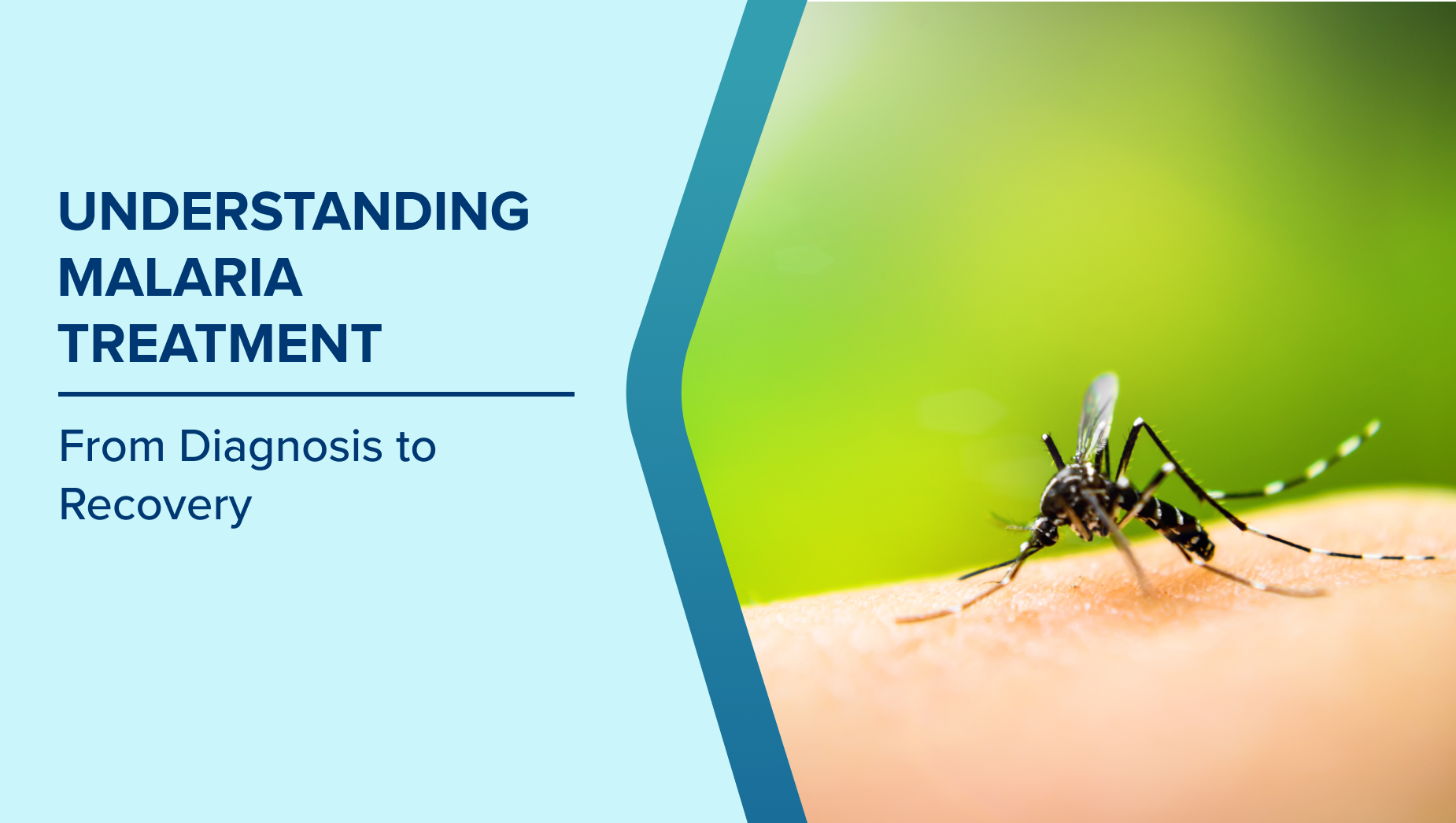
Malaria remains a significant public health concern in many parts of the world, particularly in tropical and subtropical regions like India. It is caused by a parasite transmitted through the bite of an infected female Anopheles mosquito. Prompt diagnosis and proper treatment are essential to control the disease and avoid complications.
This guide provides a detailed overview of what occurs after a malaria diagnosis—covering the diagnosis process, available treatment options, duration of recovery, possible side effects, and steps for follow-up care.
What Is Malaria and How Does It Spread?
Malaria is an infectious disease caused by Plasmodium parasites. These parasites enter the human body through mosquito bites. Once inside, the parasites travel to the liver, multiply, and then move into the bloodstream, where they infect red blood cells.
There are different types of Plasmodium parasites, including:
- Plasmodium falciparum
- Plasmodium vivax
- Plasmodium ovale
- Plasmodium malariae
- Plasmodium knowlesi
In India, Plasmodium falciparum and Plasmodium vivax are the most common.
What to Expect During Malaria Diagnosis
When malaria symptoms appear, such as fever, chills, sweating, fatigue, nausea, or headache, it is important to consult a healthcare provider immediately. The diagnosis process usually involves. Any fever could be malaria, especially in Northern India. (Add this line)
Medical History and Symptom Assessment
The doctor may ask about recent travel, mosquito exposure, and the nature of your symptoms.
Blood Tests
A blood sample is collected to:
- Confirm the presence of malaria parasites
- Identify the specific type of parasite
- Assess the severity of the infection
Early malaria diagnosis helps ensure the selection of an appropriate treatment plan and reduces the risk of complications.
How Malaria Is Treated
Malaria treatment in India is based on national guidelines, which are aligned with the type of parasite and the severity of the infection.
Antimalarial Medications
The primary method of treating malaria involves prescription drugs known as antimalarial medications. These may include:
- Chloroquine: Effective against certain strains of Plasmodium vivax
- Artemisinin-based Combination Therapy (ACT): Commonly used for Plasmodium falciparum
- Primaquine: Often used to prevent relapses in cases of Plasmodium vivax and Plasmodium ovale
The choice of drug depends on the parasite type, resistance patterns in that region, and the patient's health status.
Treatment for Mild Cases
In uncomplicated malaria cases, treatment usually involves a short course of oral antimalarial drugs taken over 3–7 days. Patients are typically treated at home, provided they are able to take oral medications, stay hydrated, and rest.
Treatment for Severe Cases
For severe malaria, intravenous (IV) medications may be required. Hospitalisation is recommended in such cases to monitor vital signs, manage complications, and provide supportive care.
Recovery from Malaria: Duration and Follow-Up
Recovery Time
Recovery time varies depending on the type of parasite and how early treatment was started. Most individuals begin to feel better within 3 to 5 days after starting medication. However, complete recovery may take up to two weeks or longer in some cases.
Common Side Effects of Treatment
Some patients may experience side effects from antimalarial drugs, which are usually mild such as:
- Nausea
- Abdominal pain
- Headache
- Dizziness
- Temporary fatigue
These side effects usually resolve on their own. It is important to inform the doctor if any reaction becomes severe or unusual.
Follow-Up Care
After the course of treatment is completed, a follow-up blood test may confirm that the parasites have been cleared from the bloodstream. In regions where relapse is common, a second medication may be prescribed to eliminate dormant liver-stage parasites.
Managing Malaria at Ho me During Recovery
Patients recovering at home should follow these basic guidelines:
- Hydration: Drink plenty of fluids to prevent dehydration caused by fever and sweating.
- Rest: Ensure adequate rest to support the body’s healing process.
- Nutrition: Eat light, nutritious meals. Foods rich in iron, vitamins, and proteins may help the body recover faster.
- Medication Adherence: Complete the full course of prescribed medicine, even if symptoms improve before the treatment ends.
Preventing Malaria After Recovery
After recovery, preventive steps are important to avoid re-infection:
- Use mosquito nets while sleeping.
- Apply mosquito repellent to exposed skin.
- Wear full-sleeved clothing in mosquito-prone areas.
- Eliminate stagnant water near the home.
- Consider preventive antimalarial medication before travelling to high-risk areas.
Maintaining awareness and taking preventive action plays a significant role in malaria control.
Conclusion
Malaria is a treatable disease when diagnosed and managed promptly. Accurate diagnosis, adherence to prescribed medications, and proper home care are essential parts of recovery. Follow-up care and preventive measures help reduce the risk of future infections. In most cases, timely medical attention and responsible management can lead to full recovery.
Frequently Asked Questions
Can malaria come back after treatment?
Yes, in some cases, especially with Plasmodium vivax or Plasmodium ovale, the parasite may remain dormant in the liver and cause a relapse weeks or months later. A specific drug called primaquine is used to prevent relapse.
Is malaria treatment different for children or pregnant women?
Yes, special care is required when treating malaria in children or pregnant women. Certain drugs may not be suitable, and doctors will choose safe alternatives based on the patient’s condition.
Are natural remedies effective in treating malaria?
Natural remedies may help with general wellness but are not a substitute for medical treatment. Antimalarial medications are necessary to eliminate the parasite and should never be replaced with home remedies.
What types of food are helpful during malaria recovery?
Light, nutritious foods such as boiled vegetables, soups, fruits, rice, and dal can support faster recovery. Iron-rich foods and adequate hydration are also recommended.
These food can help but there are no specific food which can help
Is it safe to travel during malaria treatment?
Travel is not recommended during active malaria treatment, especially in severe cases. Rests are important. Travel can be resumed once the full course of treatment is completed and the doctor confirms recovery.
Written and Verified by:

Related Blogs


Dr. Vandana Boobna In Internal Medicine
Nov 08 , 2020 | 2 min read
Blogs by Doctor

Symptoms, Diagnosis and Management of Lymphatic Filariasis Disease (Elephantiasis)
Dr. Sanjay Dhall In Internal Medicine
Jan 29 , 2024 | 9 min read

Common Sickness in Summer: Types, Symptoms, Causes, and Prevention Tips
Dr. Sanjay Dhall In Internal Medicine
Jul 25 , 2024 | 4 min read
Most read Blogs


Related Blogs
Dr. Vandana Boobna In Internal Medicine
Nov 08 , 2020 | 2 min read
Blogs by Doctor
Symptoms, Diagnosis and Management of Lymphatic Filariasis Disease (Elephantiasis)
Dr. Sanjay Dhall In Internal Medicine
Jan 29 , 2024 | 9 min read
Common Sickness in Summer: Types, Symptoms, Causes, and Prevention Tips
Dr. Sanjay Dhall In Internal Medicine
Jul 25 , 2024 | 4 min read
Most read Blogs