 WhatsApp Us (24/7)
 +91 926 888 0303 (24/7)


To Book an Appointment
Call Us+91 926 888 0303Lung Function Tests (LFTs): Purpose, Procedure & Results
By Dr. Vivek Nangia in Pulmonology
Jan 05 , 2026 | 2 min read

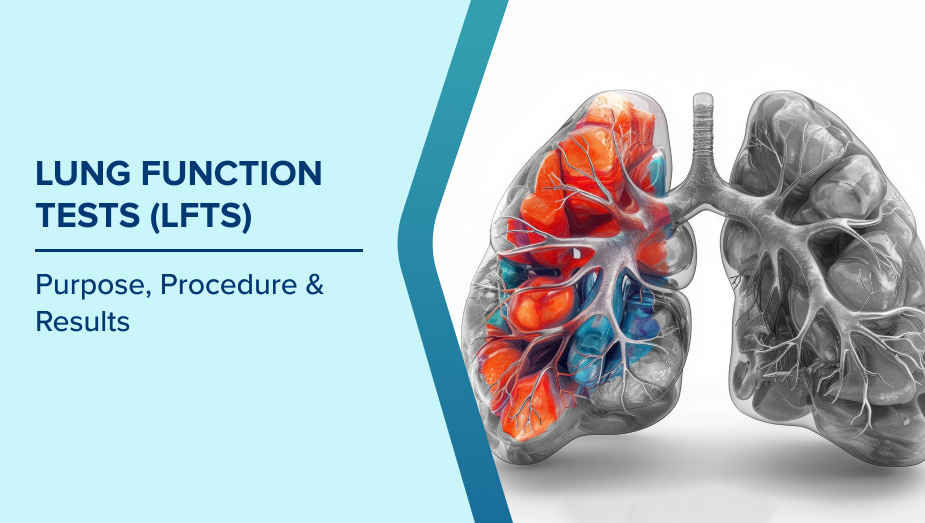
We often take breathing for granted—until it suddenly feels hard to do. Lung function tests, also known as pulmonary function tests (PFTs), are essential tools that provide a clear understanding of your lung's performance. These non-invasive tests provide valuable insights into your respiratory health, measuring how much air your lungs can hold, how quickly you can move air in and out, and how effectively oxygen enters your bloodstream.
What Are Lung Function Tests?
Lung function tests are a series of assessments designed to evaluate various aspects of your lung capacity and performance. They are commonly used to monitor breathing efficiency and detect any abnormalities in lung function. These tests are safe, straightforward, and typically performed in a clinical setting.
How Do Lung Function Tests Work?
Lung function tests measure different parameters of your respiratory system:
- Spirometry: This test evaluates how much air you can breathe in and out, and how fast you can exhale it. It evaluates how well the airways are working and can help identify any blockages or limitations in airflow.
- Lung Volume Measurement: It measures the maximum amount of air your lungs are capable of holding. It provides information about lung capacity and can help detect conditions that cause lung volumes to decrease.
- Diffusion Capacity Test: This measures how effectively oxygen moves from your lungs into your bloodstream. It helps determine the efficiency of gas exchange in your lungs.
Read More:- Pulmonary Function Tests (PFT): Understanding the Procedures and Results
What to Expect During the Process
Lung function tests are typically quick, straightforward, and painless procedures:
- Preparation: You may be advised to avoid heavy meals, caffeine, or certain medications before the test. Wearing comfortable clothing is recommended.
- During the Test: You'll be asked to breathe into a mouthpiece connected to a machine. The test may involve various breathing patterns, such as deep inhalations, forceful exhalations, or breathing at different rates.
- After the Test: You can usually return to your regular activities. Some people might experience mild dizziness or coughing, but these symptoms usually subside quickly.
Why Are Lung Function Tests Important?
Lung function tests play a crucial role in monitoring respiratory health:
- Early Detection: They can detect changes in lung function prior to the appearance of symptoms, enabling prompt intervention.
- Monitoring Progress: Consistent testing allows for monitoring the progression of lung conditions and evaluating the effectiveness of treatments.
- Guiding Treatment Plans: The results provide valuable information that can help healthcare providers tailor treatment strategies to individual needs.
Read More:- Lung Damage: Causes, Symptoms, Treatment, and Prevention
Conclusion
Learning about lung function tests helps you actively manage your respiratory health. Regular assessments can provide peace of mind and ensure that any potential issues are identified and managed promptly.
Frequently Asked Questions
How long does a lung function test take?
Lung function tests typically take between 15 to 45 minutes to complete, depending on the types of assessments being conducted.
Are there any risks associated with lung function tests?
Lung function tests are generally safe. Some individuals may experience lightheadedness or shortness of breath during the test, but these effects are typically temporary.
Can I eat or drink before the test?
It is generally advised to refrain from consuming large meals or caffeinated drinks before the test. Your healthcare provider will give you specific instructions based on the type of test being conducted.
Should I discontinue my medications before the test?
Some medications can affect test results. Your healthcare provider will advise you on whether to continue or pause any medications before the test.
How often should I have lung function tests?
The frequency of testing depends on your health status and any underlying conditions. Your doctor will decide the best vaccination schedule based on your individual needs.
Written and Verified by:

Related Blogs

Medical Expert Team
Jun 06 , 2015 | 2 min read

Blogs by Doctor

Air Pollution, Diwali And COVID 19 – A Deadly Combination ?
Dr. Vivek Nangia In Pulmonology
Nov 09 , 2021 | 3 min read

COPD (Chronic Obstructive Pulmonary Disease)
Dr. Vivek Nangia In Pulmonology
Nov 17 , 2021 | 1 min read
Most read Blogs


Related Blogs
Medical Expert Team
Jun 06 , 2015 | 2 min read
Blogs by Doctor
Air Pollution, Diwali And COVID 19 – A Deadly Combination ?
Dr. Vivek Nangia In Pulmonology
Nov 09 , 2021 | 3 min read
COPD (Chronic Obstructive Pulmonary Disease)
Dr. Vivek Nangia In Pulmonology
Nov 17 , 2021 | 1 min read
Most read Blogs