 WhatsApp Us (24/7)
 +91 926 888 0303 (24/7)


To Book an Appointment
Call Us+91 926 888 0303Pulmonary Fibrosis: Understanding Lung Scarring and Its Impact on Breathing Health
By Dr. Manoj Pethe in Pulmonology
Jan 05 , 2026 | 4 min read
2

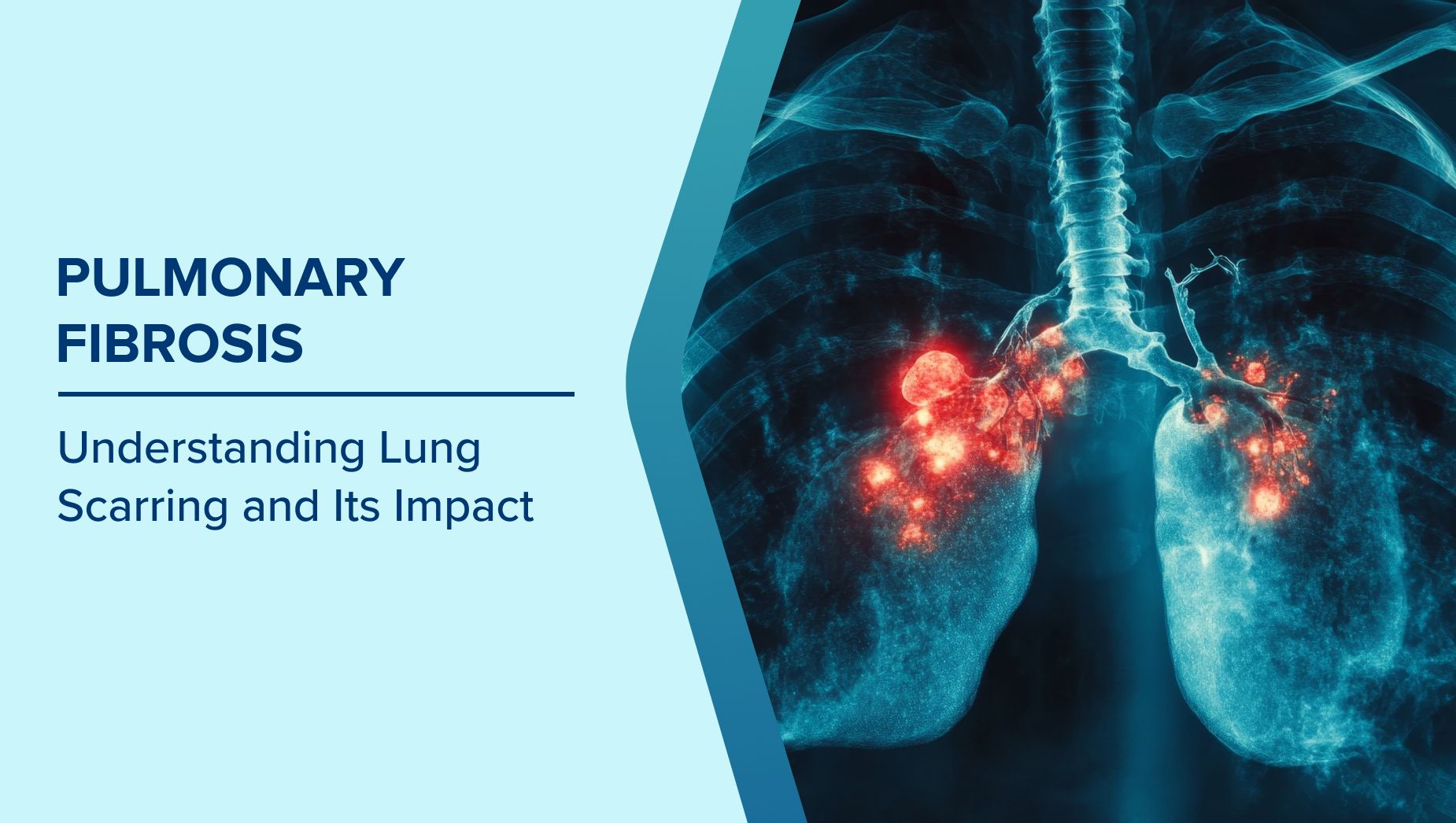
Breathing is an effortless act for most people, yet for someone with pulmonary fibrosis, every breath can feel like a challenge. This long-term condition causes the lungs to develop scarring, known as fibrosis, which thickens the lung tissue and reduces its capacity to transfer oxygen effectively.
Understanding pulmonary fibrosis and seeking early medical help are crucial. Awareness, timely diagnosis, and consistent care can help manage symptoms and maintain lung function more effectively.
How the Lungs Function and What Happens in Fibrosis
The lungs play an essential role in exchanging oxygen and carbon dioxide. Each breath brings oxygen into the air sacs (alveoli), which then pass it into the bloodstream. When fibrosis develops, this delicate process is disrupted.
In pulmonary fibrosis, the tissues around the air sacs become thickened and stiff, reducing the lungs’ ability to expand. As a result, less oxygen reaches the blood, and breathing becomes increasingly difficult. Over time, this can cause chronic shortness of breath and limit daily activities.
The scarring in pulmonary fibrosis is permanent, but its progression can be managed. With timely diagnosis and medical guidance, many people can slow the worsening of symptoms and maintain a better quality of life.
Common Causes and Risk Factors
Pulmonary fibrosis can develop for several reasons, although in some cases, the cause remains unknown (idiopathic pulmonary fibrosis). Recognising potential triggers helps in reducing risk and promoting lung health.
- Environmental exposure: Long-term contact with dust, metal particles, smoke, or certain industrial chemicals can damage the lung tissue.
- Medical conditions: Autoimmune disorders such as rheumatoid arthritis or scleroderma may cause lung inflammation that eventually leads to fibrosis.
- Medications: Certain chemotherapy or heart medicines can have side effects that affect lung tissue.
- Infections and radiation: Previous lung infections or radiation therapy to the chest may also contribute to scarring.
- Family history: A genetic link is sometimes observed, especially in cases of idiopathic pulmonary fibrosis.
Recognising the Early Symptoms
Pulmonary fibrosis often develops gradually, and early symptoms can be mistaken for other respiratory conditions. Paying attention to tiny changes can lead to earlier diagnosis and intervention.
Common signs include:
- Persistent dry cough that does not improve with usual treatment
- Shortness of breath, especially during physical activity
- Unexplained fatigue or weakness
- Chest discomfort or tightness
- Clubbing of fingers or bluish fingertips due to reduced oxygen levels
Because these symptoms can overlap with other lung problems, consulting a pulmonologist is essential for accurate assessment.
Diagnosis: How Pulmonologists Detect Fibrosis
Doctors diagnose pulmonary fibrosis through a combination of medical history review, physical examination, and imaging tests. The process helps determine the extent of lung damage and identify possible causes.
Diagnostic steps may include:
- Listening to the lungs: Crackling sounds heard through a stethoscope can indicate lung scarring.
- Imaging tests: Chest X-rays or high-resolution CT scans show detailed images of lung tissue.
- Pulmonary function tests: These tests evaluate the lungs’ capacity and how efficiently oxygen passes into the bloodstream.
- Blood tests: Used to rule out autoimmune causes or other related disorders.
- Lung biopsy: In some cases, a small sample of lung tissue is taken to confirm the diagnosis.
A clear diagnosis helps doctors decide on suitable treatment and lifestyle advice to manage symptoms effectively.
Treatment Approaches and Lifestyle Management
Although pulmonary fibrosis cannot be completely cured, available treatments can help slow its progression and make breathing more comfortable. The treatment plan is personalised for each person, depending on their overall health and the intensity of their symptoms.
- Medications: Certain drugs can help reduce inflammation and slow down the scarring process, improving breathing efficiency.
- Oxygen therapy: Supplemental oxygen helps maintain adequate oxygen levels in the blood, especially during exertion or sleep.
- Pulmonary rehabilitation: Structured exercise programmes, breathing techniques, and nutritional advice improve stamina and lung capacity.
- Lung transplant: For some patients with severe fibrosis, a lung transplant may be an option when other treatments are no longer effective.
- Healthy lifestyle: Avoiding smoking, staying physically active, eating a balanced diet, and managing stress are all essential for maintaining overall respiratory health.
Ongoing follow-up with a pulmonologist ensures that treatment remains effective and that any new symptoms are addressed promptly.
Preventive Measures and Lung Health Tips
Although pulmonary fibrosis cannot always be prevented, certain habits and precautions can protect lung health and reduce risk:
- Avoid exposure to industrial dust, chemicals, and smoke.
- Maintain proper ventilation when working with fumes or particles.
- Get vaccinated against respiratory infections like influenza and pneumonia.
- Follow safety guidelines if exposed to environmental hazards.
- Seek medical advice for persistent respiratory symptoms.
Adopting these measures not only supports those with fibrosis but also helps maintain healthy lungs for everyone.
Conclusion
Pulmonary fibrosis is a complex condition, but understanding its nature empowers individuals to take timely action. Awareness, early diagnosis, and consistent medical follow-up can significantly slow the disease’s progression and enhance quality of life. Taking care of your lungs today can help you breathe easier for years to come.
FAQs
Can pulmonary fibrosis be reversed once diagnosed?
No, the scarring caused by pulmonary fibrosis cannot be reversed. However, treatment can slow down further damage and help manage symptoms effectively.
Is pulmonary fibrosis the same as interstitial lung disease?
Pulmonary fibrosis is a type of interstitial lung disease, specifically involving scarring of the lung tissue that affects oxygen exchange.
Does weather affect pulmonary fibrosis symptoms?
Yes, cold or humid weather can make breathing more difficult for some people. Staying indoors during extreme conditions can help ease discomfort.
How does pulmonary rehabilitation help?
It combines exercise training, breathing techniques, and education to improve lung efficiency and overall stamina, helping patients cope better with daily tasks.
When should someone see a pulmonologist for breathlessness?
If breathlessness or a dry cough persists for several weeks without improvement, it is advisable to consult a pulmonologist for proper evaluation.
Written and Verified by:

Related Blogs

Medical Expert Team
Jun 06 , 2015 | 2 min read

Most read Blogs


Related Blogs
Medical Expert Team
Jun 06 , 2015 | 2 min read
Most read Blogs