 WhatsApp Us (24/7)
 +91 926 888 0303 (24/7)


To Book an Appointment
Call Us+91 926 888 0303Essential Post-Liver Transplant Care: Diet, Medication, and Follow-Up
By Medical Expert Team
Aug 27 , 2025 | 4 min read

A liver transplant is a life-saving procedure, but the journey doesn’t end once the surgery is complete. Proper post-transplant care is essential to ensure your new liver functions well and remains healthy for years to come. A disciplined lifestyle, medication adherence, and regular medical checkups prevent complications and ensure long-term success.
Why Post-Transplant Liver Care Is Crucial
A liver transplant replaces a damaged liver with a healthy one, but the body might see the new organ as foreign and attempt to reject it. Immunosuppressant medications help prevent rejection but also make you more susceptible to infections. Additionally, lifestyle factors such as poor diet, lack of exercise, and alcohol consumption can negatively impact the new liver. Following a structured post-transplant care plan is key to avoiding complications and enjoying a healthy life.
Follow a Liver-Friendly Diet
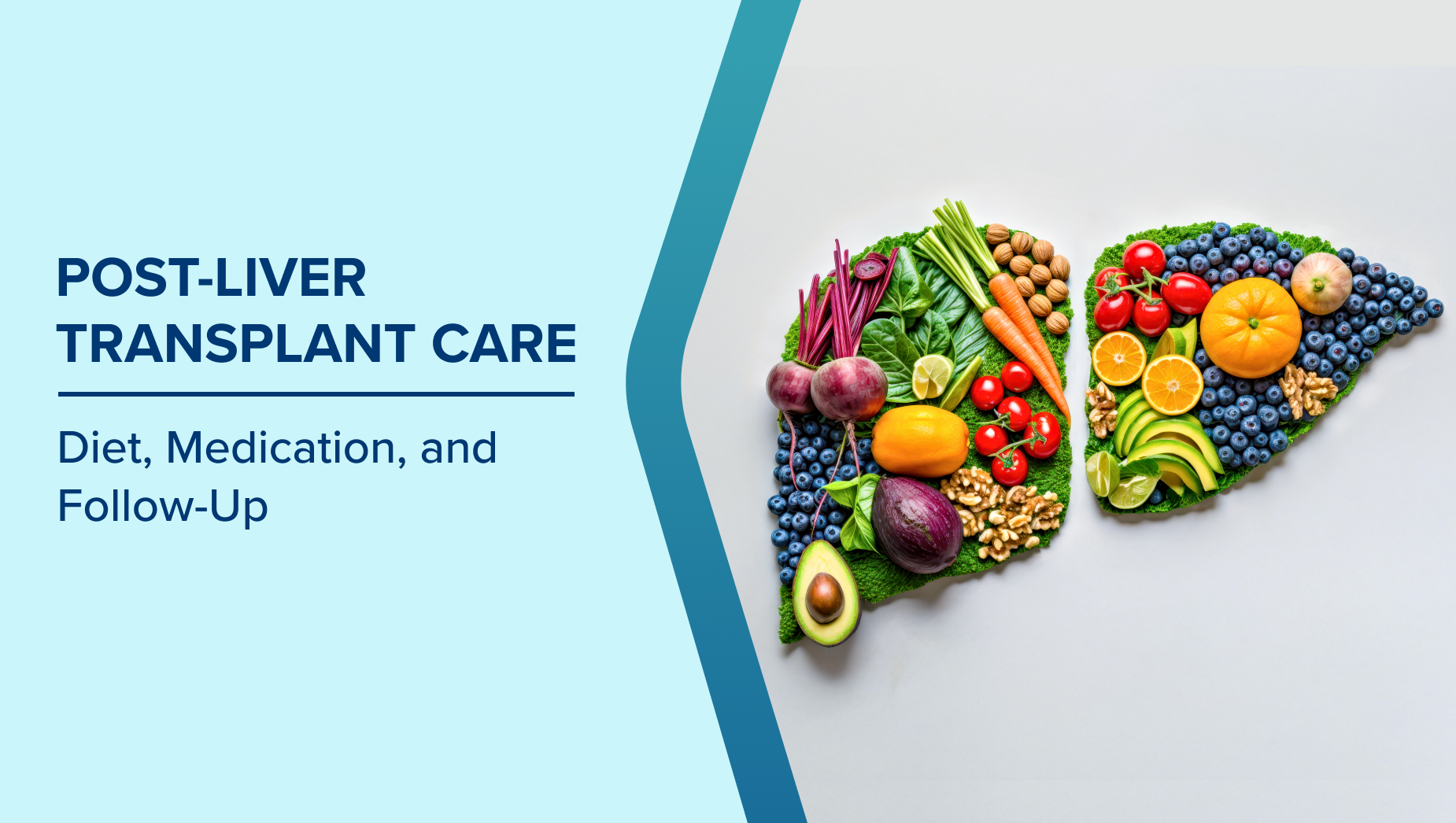
Nutrition plays a major role in liver health after a transplant. The right foods can boost immunity, promote healing, and support overall well-being.
Foods to Eat
- Protein-rich foods: Lean meats, fish, eggs, tofu, and legumes help in tissue repair and muscle strength.
- Fruits and vegetables: Rich in antioxidants, they protect liver cells and enhance immunity.
- Whole grains: Brown rice, oats, and quinoa provide essential fibre and energy.
- Healthy fats: Olive oil, nuts, seeds, and avocados support liver function.
- Low-fat dairy: Yogurt, milk, and cheese provide calcium and vitamin D for bone health.
Foods to Avoid
- High-sodium foods: Processed meats, canned soups, and fast food can increase blood pressure.
- Sugary treats: Excess sugar can cause weight gain and fatty liver disease.
- Alcohol: Even in small amounts, alcohol can harm your transplanted liver.
- Raw or undercooked foods: Sushi, raw eggs, and unpasteurised dairy can carry bacteria harmful to immunocompromised individuals.
Stick to Your Medications Strictly
After a liver transplant, you must take prescribed medications to prevent organ rejection and reduce complications. These include:
- Immunosuppressants: Prevent the immune system from attacking the new liver.
- Antibiotics and antivirals: Reduce the risk of infections.
- Pain relievers and supplements: Support recovery and overall health.
Medication Tips
- Take your medicines exactly as prescribed—missing doses can lead to rejection.
- Never stop or change a medication without consulting your doctor.
- Avoid over-the-counter drugs like ibuprofen, which can harm the liver.
- Inform your doctor about any side effects or unusual symptoms.
Prevent Infections with Hygiene and Vaccinations
Since immunosuppressant drugs lower your body’s ability to fight infections, extra precautions are necessary:
- Wash hands frequently with soap and water.
- Stay away from crowded areas and keep your distance from anyone who is unwell.
- Keep your home clean to minimise exposure to germs.
- Get recommended vaccines, such as flu, pneumonia, and hepatitis vaccines.
- Wear a mask in public areas, especially during flu season.
Maintain a Healthy Lifestyle
Regular Exercise
Staying physically active improves blood circulation, strengthens the immune system, and prevents weight gain. Start with low-impact activities like:
- Walking
- Yoga
- Cycling
- Light strength training
Avoid high-impact or contact sports that may cause injury. Consult your doctor before beginning any new exercise regimen.
Adequate Sleep
Your liver works hard to detoxify your body, and proper rest is crucial for healing. Aim for 7-9 hours of sleep per night. Refrain from caffeine in the evening and establish a soothing bedtime routine.
Stress Management
Chronic stress can negatively affect your liver and immune system. To reduce stress:
- Practice meditation or deep breathing.
- Engage in hobbies like reading, music, or gardening.
- Reach out to your loved ones, trusted friends, or support communities for emotional guidance.
Attend Regular Follow-Up Appointments
Routine check-ups help doctors monitor your liver’s function and detect any issues early. Follow-up visits typically include:
- Blood tests to check liver enzyme levels.
- Imaging scans (such as ultrasound or MRI) to assess liver condition.
- Adjustments in medication based on lab results.
Never skip an appointment, even if you feel perfectly fine. Consistent check-ups help detect any potential issues at an early stage.
Avoid Harmful Substances
Certain substances can damage your liver and interfere with medications:
- Alcohol: Can cause severe liver damage and failure.
- Smoking: Increases the risk of infections and liver disease.
- Herbal supplements: Some herbs (like kava and green tea extract) can be toxic to the liver.
- Excessive caffeine: May strain the liver when consumed in large amounts.
Always consult your doctor before taking any new supplements or medications.
Conclusion
Caring for your liver after a transplant is a lifelong commitment, but the right approach can help you enjoy a healthy and fulfilling life. A balanced diet, strict medication adherence, good hygiene, and regular check-ups will keep your new liver functioning optimally. By making conscious lifestyle choices, you can improve your long-term liver health and overall well-being.
Frequently Asked Questions
How long does it take to recover from a liver transplant?
Recovery varies, but most patients take 3-6 months to resume normal activities. Full recovery may take up to a year.
Can I drink alcohol after a liver transplant?
No, alcohol can damage your new liver and interfere with medications. It is advised to avoid alcohol entirely.
What are the early signs of liver rejection?
Common signs include fatigue, jaundice (yellowing skin), abdominal pain, dark urine, and fever. If you notice these symptoms, contact your doctor immediately.
Can I travel after a liver transplant?
Yes, but only with your doctor’s approval. While travelling, always carry your medications, medical records, and a list of nearby healthcare facilities.
Is pregnancy safe after a liver transplant?
Yes, many women have successful pregnancies after a transplant. However, close medical supervision is required to ensure that both the mother and baby are healthy.
Related Blogs

Prof (Dr.) Subhash Gupta In Liver Transplant and Biliary Sciences
Nov 07 , 2020 | 2 min read

Dr. Nivedita Pandey In Gastroenterology, Hepatology & Endoscopy , Liver Transplant and Biliary Sciences
Nov 07 , 2020 | 2 min read
Most read Blogs


Related Blogs
Prof (Dr.) Subhash Gupta In Liver Transplant and Biliary Sciences
Nov 07 , 2020 | 2 min read
Dr. Nivedita Pandey In Gastroenterology, Hepatology & Endoscopy , Liver Transplant and Biliary Sciences
Nov 07 , 2020 | 2 min read
Most read Blogs