 WhatsApp Us (24/7)
 +91 926 888 0303 (24/7)


To Book an Appointment
Call Us+91 926 888 0303Understanding Liver Cancer: Risk Factors, Warning Signs, and Care Options
By Medical Expert Team
Jan 06 , 2026 | 2 min read
2

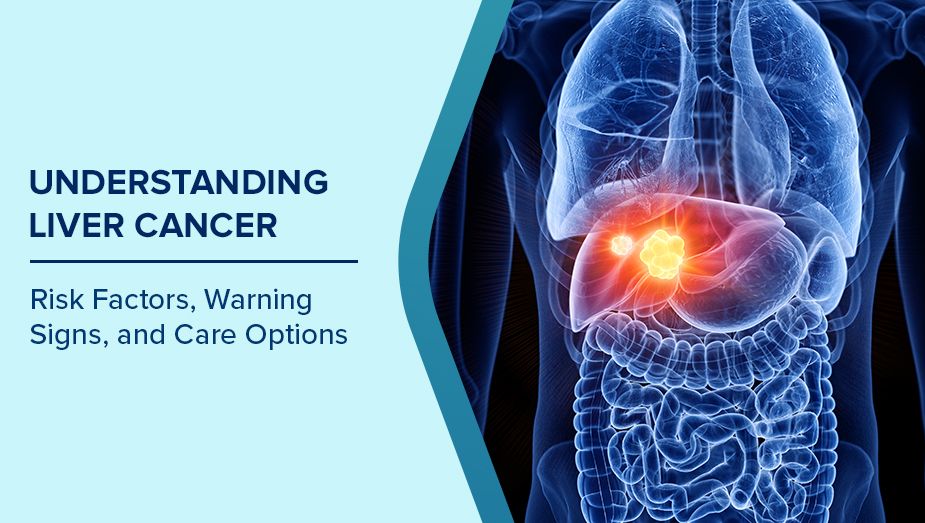
The liver is one of the most vital organs. It plays a key role in digestion, stores energy, and filters harmful toxins from the blood. Like other organs, however, the liver can also be affected by cancer. Liver cancer is among the fastest-growing cancers worldwide, and learning about it is an important step toward early detection, timely treatment, and better outcomes.
What Is Liver Cancer?
Liver cancer occurs when normal liver cells begin to grow uncontrollably, forming a tumour. Unlike benign (non-cancerous) tumours, these cancerous tumours can spread to other areas of the body.
There are two main types of liver cancer:
- Primary liver cancer: Begins in the liver itself, with hepatocellular carcinoma (HCC) being the most common type.
- Secondary liver cancer: Occurs when cancer spreads (metastasises) to the liver from another organ, such as the colon, breast, or lungs.
Causes and Risk Factors
Several factors can raise the risk of liver cancer. These include:
- Chronic Hepatitis B or C infection: Long-term infection can damage and scar the liver.
- Cirrhosis: Severe scarring, often due to alcohol use, fatty liver disease, or hepatitis.
- Excessive alcohol consumption: Long-term drinking damages liver cells.
- Non-alcoholic fatty liver disease (NAFLD): Linked to obesity and diabetes.
- Family history: A genetic link can increase risk.
- Exposure to aflatoxins: Toxins from certain moulds found in food.
Symptoms of Liver Cancer
One of the challenges with liver cancer is that it shows no symptoms in the early stages. As the disease progresses, the following signs may appear:
- Unexplained weight loss
- Loss of appetite
- Persistent fatigue
- Abdominal pain or swelling
- Yellowing of the skin and eyes (jaundice)
- Nausea and vomiting
How Is Liver Cancer Diagnosed?
Doctors use a combination of tests to diagnose liver cancer, such as:
- Blood tests: To check liver function and detect tumour markers like AFP.
- Imaging tests: Ultrasound, CT scans, or MRI scans to look at the liver.
- Biopsy (rarely used): Taking a small sample of liver tissue for examination.
For people with hepatitis, cirrhosis, or chronic liver disease, regular screenings and check-ups are highly recommended, as early detection greatly improves treatment outcomes.
Treatment Options
The treatment approach depends on the cancer stage and the overall health of the patient. Common options include:
- Surgery: Removing the tumour or part of the liver.
- Liver transplant: Replacing the diseased liver with a healthy donor organ.
- Ablation and embolisation: Non-surgical methods to destroy cancer cells.
- Targeted therapy and immunotherapy: Advanced treatments that focus on cancer cells while protecting healthy ones.
- Chemotherapy and radiation therapy: Used in specific cases, though less commonly.
Can Liver Cancer Be Prevented?
Not every case of liver cancer can be prevented, but steps can be taken to lower the risk:
- Get vaccinated against Hepatitis B.
- Seek early treatment for Hepatitis C.
- Limit alcohol consumption.
- Maintain a healthy weight and manage diabetes.
- Eat a balanced diet and avoid contaminated food.
- Go for regular health check-ups if you have liver disease.
Conclusion
Liver cancer is a serious illness, but awareness is the first step in fighting it. By understanding its causes, risk factors, symptoms, and treatment options, you can take preventive measures and seek timely medical care.
If you are at higher risk, do not wait for symptoms to appear. Make regular liver screenings part of your healthcare routine. Protecting your liver today is an investment in a healthier tomorrow.
Related Blogs


Dr. Meenu Walia In Medical Oncology , Cancer Care / Oncology
Aug 02 , 2016 | 4 min read
Blogs by Doctor

COVID Vaccine and Cancer Patients
Dr. Bhuvan Chugh In Cancer Care / Oncology
Feb 03 , 2021 | 3 min read
What is a tumor board and why as a cancer patient you need it?
Dr. Bhuvan Chugh In Cancer Care / Oncology
Feb 23 , 2021 | 3 min read
Most read Blogs


Related Blogs
Dr. Meenu Walia In Medical Oncology , Cancer Care / Oncology
Aug 02 , 2016 | 4 min read
Blogs by Doctor
COVID Vaccine and Cancer Patients
Dr. Bhuvan Chugh In Cancer Care / Oncology
Feb 03 , 2021 | 3 min read
What is a tumor board and why as a cancer patient you need it?
Dr. Bhuvan Chugh In Cancer Care / Oncology
Feb 23 , 2021 | 3 min read
Most read Blogs