 WhatsApp Us (24/7)
 +91 926 888 0303 (24/7)


To Book an Appointment
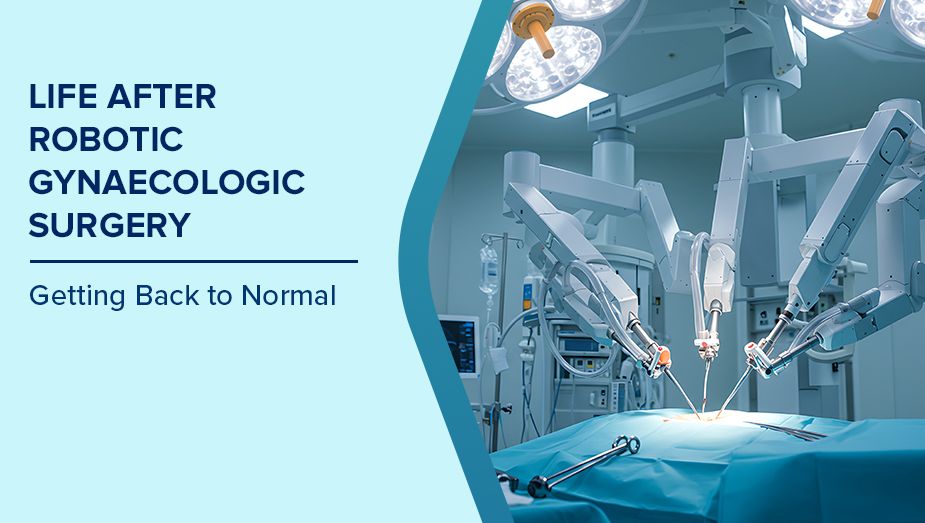
Call Us+91 926 888 0303Life After Robotic Gynaecologic Surgery: Getting Back to Normal
By Dr. Rakhi Gupta in Obstetrics And Gynaecology
Oct 22 , 2025 | 4 min read
2

Robotic gynaecologic surgery has transformed the way women receive treatment for conditions such as fibroids, endometriosis, ovarian cysts, and gynaecologic cancers. Unlike traditional open surgery, robotic procedures are minimally invasive, leading to smaller incisions, reduced pain, and faster recovery.
Even with advanced technology, the period following surgery can feel challenging for patients. Understanding what to expect and how to manage post-robotic gynaecologic surgery recovery is crucial for returning to everyday life smoothly.
What to Expect Immediately After Surgery
The first few days after robotic gynaecologic surgery are critical for recovery. Patients may experience:
- Mild to moderate pain around incision sites
- Swelling or bruising in the abdominal area
- Fatigue and low energy levels
- Mild nausea due to anaesthesia
Hospital care focuses on monitoring vital signs, managing pain, and preventing complications. You may be advised to:
- Walk short distances within the room to improve circulation
- Avoid lifting heavy objects or strenuous activity
- Follow a light diet and stay hydrated
Recovery Timeline After Robotic Gynaecologic Surgery
Recovery after minimally invasive gynaecologic surgery is generally faster than open procedures. The timeline may vary depending on the type of surgery, age, and overall health.
First Week
- Rest and gentle movement are essential
- Pain and discomfort may peak during the first 48–72 hours
- You may still experience mild bloating or gas
Week 2–3
- Incision pain gradually decreases
- Light household activities may resume
- Emotional ups and downs are common due to hormonal changes
Week 4–6
- Most patients can return to work or school, depending on the physical demands
- Low-impact activities such as walking or stretching are recommended
- Vaginal bleeding or discharge should gradually subside
After 6 Weeks
- Full return to normal physical activity is possible, as advised by your doctor
- Hormonal or fertility considerations may require further follow-up
- Ongoing emotional and mental health support can be beneficial
Tip: Always follow your surgeon’s guidance on resuming activities to prevent complications such as infections or hernia formation.
Pain Management Strategies
Managing discomfort is an important aspect of post-robotic gynaecologic surgery care. Effective pain management options include:
- Prescription medications: Your doctor may provide painkillers for the first few days
- Cold compresses: Reduce swelling and relieve tenderness around incision sites
- Gentle movement: Short walks help prevent stiffness and blood clots
- Relaxation techniques: Deep breathing, meditation, or listening to soothing music can reduce stress and perceived pain
Returning to Work and Daily Activities
Getting back to normal life is a gradual process. Consider the following tips for returning to work and daily routines:
- Light duties first: Start with tasks that do not require heavy lifting or prolonged standing
- Take breaks: Avoid overexertion and allow rest periods throughout the day
- Plan transportation: Walking or light commuting is fine; avoid driving if you are still taking strong pain medications
- Household chores: Gradually resume activities; avoid lifting children or heavy groceries for at least 4–6 weeks
- Exercise: Begin with gentle walking or stretching; avoid high-impact activities until cleared by your doctor
Diet and Nutrition for Post-Surgery Recovery
A balanced diet is vital for healing after robotic gynaecologic surgery. Focus on:
- High-protein foods: Eggs, lean meat, fish, and legumes to aid tissue repair.
- Fibre-rich foods: Fruits, vegetables, and whole grains is advised.
- Hydration: Adequate water intake supports digestion and overall recovery.
- Vitamins and minerals: Include foods rich in vitamin C, zinc, and iron to strengthen immunity and support healing.
Avoid:
- Highly processed foods
- Excessive caffeine or sugar
- Heavy or greasy meals that may cause bloating
Tip: Consuming small, frequent meals may be easier to digest and help maintain steady energy levels during recovery.
Emotional and Mental Health Support
Undergoing surgery can have an emotional impact. Patients may experience:
- Anxiety about recovery and fertility
- Mood swings due to hormonal changes
- Stress about returning to work or daily responsibilities
Strategies to support mental well-being include:
- Talking openly with family, friends, or support groups
- Seeking counselling or therapy if anxiety or depression persists
- Practising mindfulness, meditation, or breathing exercises
- Keeping a recovery journal to track progress and celebrate milestones
Addressing emotional health is as important as physical recovery and can improve overall outcomes.
Benefits of Robotic Gynaecologic Surgery
Understanding the advantages of robotic gynaecologic surgery can motivate patients during recovery:
- Smaller incisions lead to less pain and faster healing
- Reduced blood loss during surgery
- Shorter hospital stays and quicker return to work
- Enhanced surgical precision reduces the risk of complications
- Minimal scarring improves cosmetic outcomes
- Robotic surgeries have better outcomes in fertility preserving procedures due to better precision
Tips for a Successful Recovery
- Follow your doctor’s instructions regarding medications, wound care, and follow-up visits
- Maintain a healthy diet and hydration
- Gradually increase physical activity without overexertion
- Pay attention to emotional health and seek support when needed
- Monitor for signs of complications such as fever, severe pain, or unusual discharge and report immediately
Conclusion
Life after robotic gynaecologic surgery is a journey that combines physical healing, emotional recovery, and lifestyle adjustments. By following proper post-surgery care, including pain management, nutrition, gradual activity, and mental well-being support, patients can return to their normal lives faster and with fewer complications.
Remember, every patient’s recovery timeline may vary. Maintaining open communication with your healthcare team and listening to your body ensures a smooth transition back to daily activities.
Frequently Asked Questions
How soon can I resume normal physical activity after robotic gynaecologic surgery?
Most patients can resume light activities, such as walking, within a few days. Full physical activity usually resumes after 4–6 weeks, based on your surgeon’s advice.
Will I experience less pain with robotic surgery compared to traditional surgery?
Yes, robotic procedures are minimally invasive, which generally results in less postoperative pain and smaller scars.
Is it safe to have sexual activity after robotic gynaecologic surgery?
Patients are usually advised to wait 4–6 weeks or until cleared by their doctor. Always follow specific recommendations provided during follow-up visits.
Can robotic surgery impact fertility?
Robotic surgery is precise and aims to preserve reproductive organs whenever possible. The impact on fertility depends on the type of procedure performed.
Are there long-term lifestyle changes needed after robotic gynaecologic surgery?
Maintaining a healthy diet, regular exercise, and stress management supports long-term well-being and reduces recovery time from future surgeries or complications.
Written and Verified by:

Related Blogs

Dr. Manju Khemani In Obstetrics And Gynaecology
Oct 27 , 2020 | 3 min read

Dr. Neera Aggarwal In Obstetrics And Gynaecology , Nutrition And Dietetics
Nov 07 , 2020 | 7 min read
Blogs by Doctor

Urinary Tract Infections: Signs, Symptoms & How to Prevent UTI in Summer
Dr. Rakhi Gupta In Obstetrics And Gynaecology
Jul 02 , 2025 | 4 min read
Brown Vaginal Discharge: Possible Causes and When to Seek Medical Advice
Dr. Rakhi Gupta In Obstetrics And Gynaecology
Jul 09 , 2025 | 10 min read
Most read Blogs

Related Blogs
Dr. Manju Khemani In Obstetrics And Gynaecology
Oct 27 , 2020 | 3 min read
Dr. Neera Aggarwal In Obstetrics And Gynaecology , Nutrition And Dietetics
Nov 07 , 2020 | 7 min read
Blogs by Doctor
Urinary Tract Infections: Signs, Symptoms & How to Prevent UTI in Summer
Dr. Rakhi Gupta In Obstetrics And Gynaecology
Jul 02 , 2025 | 4 min read
Brown Vaginal Discharge: Possible Causes and When to Seek Medical Advice
Dr. Rakhi Gupta In Obstetrics And Gynaecology
Jul 09 , 2025 | 10 min read
Most read Blogs