 WhatsApp Us (24/7)
 +91 926 888 0303 (24/7)


To Book an Appointment
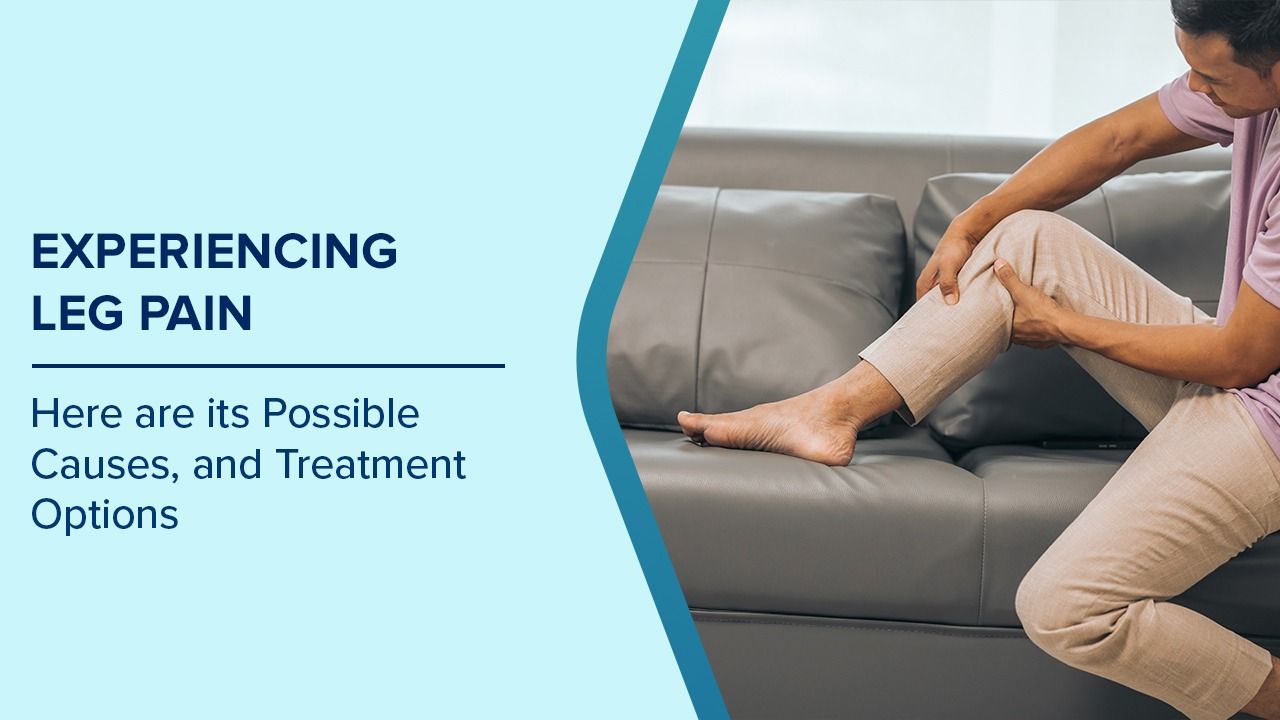
Call Us+91 926 888 0303Experiencing Leg Pain: Here are its Possible Causes, and Treatment Options
By Medical Expert Team
Feb 20 , 2026
3

Leg pain is something many people experience at some point, often catching them off guard in the middle of a busy day or after a long period of standing or walking. Sometimes it feels like a dull ache, and other times it starts suddenly, making movement uncomfortable. The causes can range from simple muscle fatigue or dehydration to more serious problems involving nerves or blood circulation. Because the reasons behind leg pain vary so widely, identifying what’s really causing it is the first step toward finding relief. In this blog, we’ll explore the common causes of leg pain, how the cause is diagnosed, and what treatments can help ease discomfort and restore normal movement. Let’s dive in.
What are the Common Causes of Leg Pain?
Leg pain can develop from many different conditions affecting the muscles, nerves, joints, or blood vessels. Listed below are the main causes:
1. Musculoskeletal Causes
Musculoskeletal problems are among the most common reasons for leg pain. They usually occur due to overuse, injury, or strain in the muscles, tendons, or ligaments.
- Muscle strain or sprain: Often caused by sudden movements, twisting, or lifting heavy objects. It leads to soreness, swelling, and pain that worsens with movement.
- Overuse injuries: Repeated stress from activities like running, cycling, or long periods of standing can irritate muscles and tendons, causing dull, persistent pain.
- Cramps: Sudden, involuntary tightening of muscles that can happen during exercise or at night. It’s often linked to dehydration, electrolyte imbalance, or poor blood flow.
- Tendinitis: Inflammation of the tendons due to repetitive motion, commonly seen around the knee, ankle, or heel. Pain tends to worsen with movement and ease with rest.
- Shin splints: Pain along the inner edge of the shin bone, usually from repetitive stress or improper footwear during physical activity.
2. Nerve-Related Causes
When nerves in the lower back or legs are irritated or compressed, the pain can feel sharp, burning, or shooting. These causes are often linked to spinal or nerve conditions.
- Sciatica: Occurs when the sciatic nerve is compressed, often due to a herniated disc or bone spur. It causes pain that radiates from the lower back through the buttock and down one leg.
- Peripheral neuropathy: Damage to peripheral nerves, commonly from diabetes, vitamin deficiencies, or alcohol misuse. It can cause burning, tingling, or numbness in the legs and feet.
- Herniated disc: A slipped or bulging disc in the lower spine may press on nearby nerves, leading to radiating pain or weakness in one or both legs.
- Nerve entrapment: Compression of smaller nerves in the pelvis or legs, such as meralgia paresthetica, can cause localised burning or tingling sensations.
- Spinal stenosis: Narrowing of the spinal canal putting pressure on nerves, leading to leg pain that worsens when walking or standing for long periods.
3. Vascular Causes
Circulatory problems are another important cause of leg pain. They occur when blood flow to or from the legs is restricted or disrupted.
- Peripheral artery disease (PAD): Narrowing of arteries due to plaque buildup reduces oxygen supply to leg muscles. Pain or cramping often appears during walking and improves with rest.
- Deep vein thrombosis (DVT): A blood clot forming in a deep vein, usually in the calf or thigh. It causes swelling, warmth, and tenderness, and needs urgent medical care to prevent complications.
- Varicose veins: Enlarged, twisted veins caused by weak valves that allow blood to pool. They often lead to heaviness, throbbing, or aching in the legs, especially after standing for long periods.
- Chronic venous insufficiency: Poor return of blood to the heart due to vein damage, resulting in persistent swelling, pain, or skin discolouration.
- Aneurysms or vascular inflammation: Though less common, these can also cause deep, throbbing leg pain when blood vessels are weakened or inflamed.
4. Joint and Bone-Related Causes
Leg pain can also arise from problems in the bones or joints, particularly in the knees, hips, or ankles.
- Osteoarthritis: Wear and tear of cartilage in joints, leading to stiffness, pain, and reduced movement. Pain may worsen after physical activity or prolonged rest.
- Rheumatoid arthritis: An autoimmune condition that causes inflammation in multiple joints, leading to pain, swelling, and fatigue.
- Gout: A form of arthritis caused by uric acid buildup, resulting in sudden, severe pain and redness in joints, commonly the big toe or ankle.
- Fractures and stress fractures: Breaks or small cracks in bones due to trauma or repetitive stress. Pain is sharp, localised, and worsens with weight-bearing.
- Osteoporosis: Weakening of bones that increases the risk of fractures, especially in older adults. Even minor falls can cause significant pain.
5. Other Possible Causes
A few other conditions can also contribute to leg pain and may not be immediately obvious.
- Infections: Skin or soft tissue infections such as cellulitis cause redness, warmth, and tenderness in the affected area. Bone infections (osteomyelitis) can also lead to deep, persistent pain.
- Inflammatory conditions: Diseases such as lupus or vasculitis can cause leg pain due to inflammation of blood vessels or tissues.
- Medication side effects: Certain medicines can lead to muscle pain, weakness, or cramps as a reaction.
- Poor posture or prolonged immobility: Sitting or standing for extended periods can slow circulation and cause muscle stiffness or discomfort.
- Dehydration or electrolyte imbalance: Low levels of essential minerals like potassium, calcium, or magnesium can trigger muscle cramps and fatigue.
How is the Cause of Leg Pain Diagnosed?
Finding the cause of leg pain is essential for effective treatment. Doctors usually start with a combination of medical history, physical examination, and diagnostic tests to understand the underlying problem.
Medical History
A thorough discussion about symptoms forms the foundation of diagnosis. Doctors ask about the type of pain, whether it is dull, sharp, burning, or cramping, and how long it lasts. They explore whether the pain is constant or intermittent, and whether it worsens with activity or improves with rest. Previous injuries, surgeries, or chronic conditions such as diabetes or arthritis are considered, along with lifestyle factors including daily activity, posture, and footwear. This information helps narrow down potential causes and guides further testing.
Physical Examination
During the physical exam, doctors check the legs for swelling, redness, bruising, or deformities and feel the muscles, tendons, and joints to locate tenderness. They assess joint flexibility, evaluate muscle strength, and test reflexes. This hands-on assessment can indicate whether the pain is coming from muscles, nerves, or joints and helps guide which diagnostic tests are necessary.
Imaging Tests
Imaging provides a detailed view of bones, joints, and soft tissues to identify structural problems:
- X-ray: Helps detect fractures, joint misalignments, bone spurs, or signs of arthritis. It is often the first imaging test used because it is quick and widely available.
- MRI (Magnetic Resonance Imaging): Offers detailed images of soft tissues, including muscles, tendons, ligaments, and nerves. MRI is especially useful for detecting herniated discs, ligament tears, or nerve compression that may cause leg pain.
- CT scan (Computed Tomography): Combines X-ray images from different angles to give a more complete picture of bone and joint problems. It is useful for complex fractures or evaluating joint conditions not clearly seen on X-rays.
- Ultrasound: Uses sound waves to visualise muscles, tendons, and veins. It is particularly helpful for identifying blood clots, varicose veins, or soft tissue injuries. It is also non-invasive and provides real-time images.
Blood Tests
Blood tests can reveal underlying conditions that may contribute to leg pain:
- Inflammatory markers (ESR, CRP): High levels suggest inflammation, which can indicate arthritis, autoimmune conditions, or infections.
- D-dimer test: Measures proteins released by blood clots, helping to detect the presence of deep vein thrombosis (DVT).
- Electrolyte levels: Low potassium, calcium, or magnesium can cause muscle cramps or weakness, which may contribute to leg pain.
- Blood sugar levels: Elevated glucose can point to diabetes, which may lead to peripheral neuropathy and nerve-related leg pain.
- Other specific blood tests: May include kidney, liver, or thyroid function tests if systemic conditions are suspected.
Nerve and Muscle Function Tests
These tests help determine if nerve or muscle dysfunction is causing pain:
- Nerve conduction study: Measures how quickly electrical impulses travel through nerves. Slower conduction can indicate nerve damage, compression, or inflammation.
- Electromyography (EMG): Evaluates the electrical activity in muscles both at rest and during contraction. It can detect nerve or muscle disorders, helping differentiate between muscle weakness due to nerve injury or muscle disease.
- Combined studies: Sometimes EMG and nerve conduction studies are performed together for a complete assessment of nerve and muscle function.
Vascular Studies
Leg pain can arise from poor blood flow, and vascular tests assess circulation:
- Doppler ultrasound: Uses sound waves to evaluate blood flow in veins and arteries. It can detect blockages, clots, or reduced circulation that may cause pain, swelling, or cramping.
- Ankle-brachial index (ABI): Compares blood pressure in the ankle and arm. A lower ankle pressure indicates possible peripheral artery disease (PAD).
- Venography or angiography: Advanced imaging techniques that inject contrast dye to map blood vessels. These are used when a serious blockage or clot is suspected and more detailed imaging is needed.
Simple Ways to Relieve Leg Pain at Home
For mild leg pain, home care can often provide relief and help speed up recovery. While these measures are suitable for minor muscle strain, fatigue, or overuse, they are not a substitute for professional evaluation if the pain is severe or persistent.
- Rest and elevate your legs: Giving your legs a break from standing or strenuous activity helps reduce swelling and muscle strain. Elevating your legs slightly above heart level for short periods can improve blood flow and ease discomfort.
- Apply heat or cold: A warm compress or heating pad can relax tight muscles and relieve stiffness. Cold packs are useful if the pain comes with swelling or inflammation, helping numb soreness and reduce discomfort.
- Gentle stretching and movement: Light stretching exercises for calves, hamstrings, and thighs can relieve tension and improve flexibility. Short walks or gentle movement prevent stiffness without overstraining sore muscles.
- Keep yourself hydrated: Drinking enough water helps prevent muscle cramps and supports overall muscle function. Electrolyte-rich fluids can be particularly helpful if cramps are frequent.
- Massage: Gentle self-massage or using a foam roller can increase circulation, release muscle knots, and reduce soreness. Focus on areas that feel tight or achy, but avoid pressing directly on swollen or injured spots.
- Supportive footwear and posture: Wearing well-cushioned shoes and avoiding prolonged periods of standing or sitting in one position reduces strain on leg muscles and joints.
- Compression stockings: For those experiencing heaviness, swelling, or varicose veins, compression stockings can help improve blood circulation and reduce discomfort.
When to See a Doctor?
Most leg pain is mild and improves with rest, gentle movement, or home remedies. However, certain signs indicate that professional evaluation is necessary to prevent complications and ensure proper treatment. Medical attention should be sought promptly if any of the following occur:
- Pain that persists or worsens: If leg pain continues for several days despite rest, stretching, or home care, it may signal an underlying condition that needs professional assessment.
- Swelling, redness, or warmth: These can be signs of inflammation, infection, or a blood clot, all of which require immediate medical attention.
- Sudden, severe pain: Sharp or intense pain that comes on suddenly, especially after an injury, may indicate a fracture, ligament tear, or vascular problem.
- Numbness, tingling, or weakness: Loss of sensation or difficulty moving the leg may point to nerve involvement or spinal issues and should be evaluated promptly.
- Difficulty walking or bearing weight: If walking, standing, or performing everyday activities becomes painful or impossible, a doctor should assess the cause.
- Recurring cramps or unusual patterns: Frequent cramps, especially if they appear at night or during rest, can indicate circulation, nerve, or metabolic problems.
- Skin changes or ulcers: Non-healing sores, discoloration, or visible veins can be a sign of poor circulation or other vascular conditions.
Even if the pain seems minor, consulting a healthcare professional is advisable if there is uncertainty about the cause or if it interferes with daily activities.
What are the Treatment Options for Leg Pain?
The treatment for leg pain depends on the underlying cause, severity, and duration of symptoms.
Medications
Medications can relieve pain and inflammation when home care alone is not enough:
- Pain relievers: Over-the-counter medications can reduce mild to moderate pain.
- Non-steroidal anti-inflammatory drugs (NSAIDs): These medications reduce inflammation and relieve pain caused by injuries, arthritis, or tendon irritation.
- Muscle relaxants: Prescribed for severe muscle spasms or cramping, helping muscles relax and reducing associated pain.
- Topical treatments: Creams, gels, or sprays applied directly to sore areas provide localized relief with fewer systemic effects than oral medication.
It is important to use medications under medical guidance, especially for long-term use or if there are other health conditions.
Physical Therapy and Exercise
Structured therapy helps manage chronic pain, rehabilitate injuries, and strengthen muscles:
- Strengthening exercises: Target muscles around the legs, hips, and core to support joints, improve stability, and prevent further injury.
- Flexibility and range-of-motion exercises: Stretching and mobility work reduce stiffness, increase circulation, and maintain joint health.
- Balance and gait training: Corrects abnormal walking patterns, prevents strain, and reduces the risk of falls or re-injury.
- Manual therapy: Techniques performed by a physiotherapist, such as massage, joint mobilization, or soft tissue manipulation, can alleviate pain and improve movement.
- Tailored exercise plans: Exercises are often customised to the patient’s condition, focusing on weak or overused muscles to restore optimal function.
Medical and Interventional Procedures
For severe or persistent leg pain caused by injuries, nerve compression, or vascular issues, medical interventions may be necessary:
- Injections: Corticosteroid injections reduce inflammation around joints or nerves, providing targeted relief. Nerve blocks can relieve pain caused by compressed or irritated nerves.
- Surgery: Required for conditions like severe arthritis, fractures, herniated discs, or vascular blockages that do not respond to conservative treatments. Surgery aims to restore function, reduce pain, and prevent long-term complications.
- Endovascular procedures: Minimally invasive treatments, such as angioplasty, open blocked arteries, or treat varicose veins, improving blood flow and reducing leg pain.
- Orthopedic devices: Braces, orthotics, or custom supports can correct alignment, reduce strain on joints and muscles, and relieve discomfort during daily activities.
Consult Today
Leg pain can be more than just a nuisance, and it’s normal to wonder what’s really causing it. Sometimes it’s something simple like muscle fatigue or overuse, and other times it might point to issues with nerves, joints, or circulation. Paying attention to your symptoms and taking the right steps early can make a big difference in how quickly you feel better. If the pain is persistent, severe, or affecting your daily life, it’s a good idea to reach out to an orthopaedic or general physician at Max Hospital. They can help identify the cause and guide you toward the right treatment, so you can get back to moving comfortably and confidently.
Frequently Asked Questions
Can certain medications cause leg pain as a side effect?
Yes, some medications, such as those for blood pressure, cholesterol, or certain diuretics, can sometimes cause muscle cramps or leg discomfort. Always check with your doctor if you notice new pain after starting a medicine.
Does sitting for long hours contribute to leg pain?
Prolonged sitting can reduce blood circulation, stiffen muscles, and sometimes lead to leg discomfort or cramps. Taking short breaks to stand, stretch, or walk can help.
Can dehydration really cause leg cramps or pain?
Dehydration and low electrolytes, such as potassium, calcium, or magnesium, can trigger sudden cramps or aching muscles. Drinking water and replenishing electrolytes can help prevent this.
Is leg pain during exercise normal, and when should it be a concern?
Mild soreness after exercise is common, but sharp, persistent, or swelling-associated pain is a warning sign that should be checked by a doctor. Pain that affects movement or continues for days deserves attention.
Can poorly fitted or uncomfortable footwear contribute to leg pain?
Yes, shoes that lack support or cushioning can strain muscles, tendons, and joints, leading to discomfort or pain over time. Choosing footwear suited to your activity and foot type is important.
Are there lifestyle changes that can prevent recurring leg pain?
Maintaining a healthy weight, exercising regularly, wearing supportive shoes, and avoiding prolonged periods of sitting or standing can reduce the risk of recurring leg pain.
Can leg pain be related to circulation problems even without swelling?
Yes, reduced blood flow due to peripheral artery disease or vein issues can cause cramping, fatigue, or aching in the legs, sometimes without noticeable swelling.
How can I tell the difference between muscle pain and nerve pain in the leg?
Muscle pain is usually achy or sore and worsens with movement, while nerve pain often feels sharp, burning, tingling, or like a “pins-and-needles” sensation. Persistent nerve pain should be evaluated by a doctor.
Is leg pain common in older adults, and why?
Yes, age-related changes in muscles, joints, and circulation can make leg pain more common. Conditions like arthritis, reduced flexibility, and slower blood flow often contribute.
Can stress or tension affect leg pain?
Stress can lead to muscle tension or cramps, sometimes worsening leg discomfort. Relaxation techniques, stretching, and light activity can help relieve this type of pain.
Related Blogs


Dr. Ashish Jain In Orthopaedics & Joint Replacement
Nov 07 , 2020 | 1 min read
Most read Blogs


Related Blogs
Dr. Ashish Jain In Orthopaedics & Joint Replacement
Nov 07 , 2020 | 1 min read
Most read Blogs