 WhatsApp Us (24/7)
 +91 926 888 0303 (24/7)


To Book an Appointment
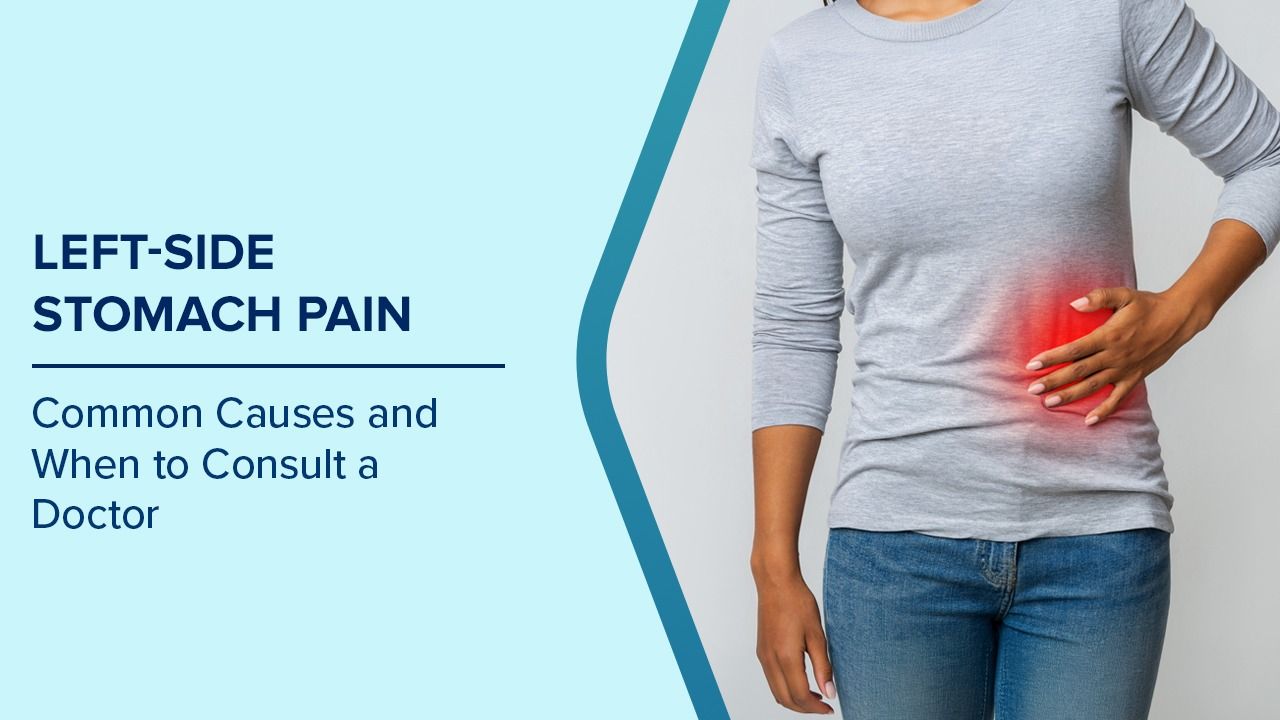
Call Us+91 926 888 0303Left-Side Stomach Pain: Common Causes and When to Consult a Doctor
By Dr. Ankur Jain in Gastroenterology, Hepatology & Endoscopy
Jun 22 , 2026

Stomach pain is something almost everyone experiences at some point, but when that pain is concentrated on the left side, it can leave you wondering whether it's just a passing cramp or something worth worrying about. The truth is, left-side stomach pain can stem from a surprisingly wide range of causes, from something as simple as trapped gas or indigestion to conditions that need prompt medical attention. This blog walks you through the most common causes of left-side stomach pain, the symptoms you should never ignore, and clear guidance on when it's time to stop second-guessing and see a doctor.
What are the Common Causes of Left Upper Abdominal Pain?
Left upper abdominal pain can arise from problems related to the stomach, pancreas, spleen, left kidney, or nearby parts of the intestine. The following conditions are among the most common reasons for discomfort in this area.
1. Gastritis
Gastritis refers to inflammation of the stomach lining. It may develop due to infection, frequent use of painkillers, alcohol intake, or stress. The pain is often burning or aching in the upper abdomen. Nausea, bloating, and a feeling of fullness after small meals may also be present.
2. Peptic Ulcer
A peptic ulcer is a sore in the lining of the stomach. It usually causes a dull or burning pain in the upper abdomen, which may worsen on an empty stomach or at night. Some people notice nausea or dark stools if bleeding occurs.
3. Acid Reflux
Acid reflux happens when stomach acid flows back into the food pipe. Along with heartburn, discomfort may be felt in the upper abdomen. Symptoms often appear after heavy meals or when lying down.
4. Pancreatitis
Pancreatitis is inflammation of the pancreas. The pain is typically severe and may spread to the back. It can be associated with nausea, vomiting, fever, and tenderness in the abdomen. This condition needs prompt medical evaluation.
5. Spleen Enlargement or Injury
The spleen is located under the left ribs. Infections, blood conditions, or injury can cause it to enlarge or become damaged. Pain may feel sharp and can worsen with deep breathing. A sense of fullness in the upper abdomen may also occur.
6. Gas and Indigestion
Gas and indigestion are common causes of upper abdominal discomfort. The pain is often cramp-like and may ease after passing gas or a bowel movement. Bloating and belching are frequently reported.
7. Kidney Stones or Infection
Pain from the left kidney can sometimes be felt in the upper abdomen. Kidney stones often cause sudden, intense pain that may move towards the groin. Infection can lead to fever, burning during urination, and increased frequency of urination.
What are the Common Causes of Left Lower Abdominal Pain?
Pain in the lower left abdomen often comes from the large intestine, urinary tract, or, in women, the reproductive organs. The type of pain and associated symptoms can help identify the underlying cause. The following conditions are commonly linked to discomfort in this area.
1. Constipation
Constipation is one of the most frequent causes of lower abdominal pain. Hard stools and difficulty passing bowel movements can lead to cramping and a feeling of heaviness. Bloating and reduced appetite may also be present.
2. Diverticulitis
Diverticulitis occurs when small pouches in the wall of the large intestine become inflamed or infected. It often causes steady pain in the lower left abdomen. Fever, nausea, and changes in bowel habits may accompany the pain. Medical attention is important in such cases.
3. Irritable Bowel Syndrome
Irritable bowel syndrome is a functional bowel disorder that can cause recurring abdominal pain. The discomfort is often linked with diarrhoea, constipation, or both. Pain may improve after passing stool.
4. Kidney Infection
A kidney infection can cause pain that spreads to the lower abdomen or back. Fever, chills, burning during urination, and frequent urination are common symptoms. Prompt treatment is necessary to prevent complications.
5. Urinary Tract Infection
A urinary tract infection can also lead to lower abdominal discomfort. There may be a burning sensation during urination, cloudy urine, or a constant urge to pass urine.
6. Ovarian Cyst
In women, an ovarian cyst can cause pain on one side of the lower abdomen. The pain may be dull or sharp and can worsen during certain times of the menstrual cycle. Some cysts resolve on their own, but persistent pain should be evaluated.
7. Ectopic Pregnancy
An ectopic pregnancy occurs when a fertilised egg implants outside the uterus, often in a fallopian tube. It can cause sharp lower abdominal pain and vaginal bleeding. This is a medical emergency and requires immediate care.
What Associated Symptoms Should Not Be Ignored?
Left-side abdominal pain may improve with simple care, but certain accompanying symptoms can signal a serious underlying condition. Immediate medical attention is important if any of the following signs are present:
- Severe or sudden pain, especially if it feels intense and different from previous episodes, as this may indicate pancreatitis, kidney stones, or internal injury.
- Pain that keeps worsening over time, rather than improving, which can suggest infection or ongoing inflammation.
- Persistent vomiting or inability to keep fluids down, increasing the risk of dehydration and pointing towards digestive obstruction or severe irritation.
- Vomiting blood or passing black, tarry stools, which may signal bleeding in the digestive tract.
- High fever with abdominal pain, often linked to infections such as diverticulitis or kidney infection.
- Unexplained weight loss or ongoing loss of appetite, which may be associated with chronic digestive or systemic conditions.
- Fainting, severe weakness, or marked dizziness, possibly indicating internal bleeding, severe infection, or a sudden drop in blood pressure.
- Yellowing of the skin or eyes along with abdominal pain, which may suggest liver or pancreatic involvement.
- Pain during pregnancy, particularly with bleeding or dizziness, requiring urgent evaluation to rule out serious complications.
- Difficulty passing urine or blood in urine, which may point to kidney stones or urinary tract infection needing prompt treatment.
How is the Cause Diagnosed?
Diagnosing the cause of left-side abdominal pain begins with a careful clinical assessment. Since several organs are located in this area, doctors use a step-by-step approach to narrow down the exact reason.
1. Medical History and Symptom Review
The doctor first asks about the nature of the pain, its location, duration, and intensity. Details such as relation to meals, bowel habits, urination, menstrual history, fever, vomiting, or weight loss help guide further evaluation.
2. Physical Examination
A thorough abdominal examination is performed to check for tenderness, swelling, guarding, or any palpable mass. The pattern of pain during examination often provides important clues.
3. Blood Tests
Blood tests help detect infection, inflammation, anaemia, or problems related to the pancreas, liver, or kidneys. They can also indicate signs of internal bleeding or dehydration.
4. Urine Tests
Urine examination is useful in identifying urinary tract infections, kidney stones, or other kidney-related conditions that may cause pain.
5. Tests
Imaging studies are often required for a clearer view of internal organs. These may include:
- Ultrasound, commonly used to examine abdominal organs, kidneys, and reproductive structures.
- CT scan, which provides detailed images and helps detect infections, stones, inflammation, or structural problems.
6. Endoscopy
If a stomach or upper digestive tract issue is suspected, endoscopy may be advised. This procedure allows direct visualisation of the inner lining of the stomach and helps identify gastritis, ulcers, or bleeding.
Based on the findings from these evaluations, the underlying cause can be identified and appropriate treatment can be planned.
How is the Cause of Left-Side Stomach Pain Treated?
Treatment focuses on addressing the exact condition responsible for the pain. Since left-side stomach pain can arise from digestive, urinary, or gynaecological causes, management varies based on the diagnosis and severity.
Treatment for Digestive Conditions
Gastritis, acid reflux, and peptic ulcers are usually treated with medicines that reduce stomach acid and allow the lining to heal. Infections are managed with appropriate antibiotics. Simple measures such as eating smaller meals, avoiding trigger foods, and maintaining regular meal timings also help reduce discomfort.
Diverticulitis may require antibiotics and temporary dietary adjustments. Severe cases sometimes need hospital care.
Treatment for Pancreatic Conditions
Pancreatitis often requires hospital admission. Management may include intravenous fluids, pain control, and close monitoring. Early treatment helps prevent complications.
Treatment for Kidney-Related Causes
Kidney stones may pass with increased fluid intake and supportive medicines. Larger stones may need medical procedures for removal. Kidney infections require prompt antibiotic treatment to prevent spread of infection.
Treatment for Bowel Disorders
Constipation-related pain improves with increased fibre intake, adequate hydration, and mild laxatives if advised. Irritable bowel syndrome is managed with dietary changes, stress control, and symptom-based medicines.
Treatment for Gynaecological Causes
Ovarian cysts are often monitored, as many resolve on their own. Persistent or large cysts may require further intervention. An ectopic pregnancy needs urgent medical or surgical treatment to prevent serious complications.
Consult Today
Left-side stomach pain is not something you should brush aside, especially if it keeps coming back or starts to feel different from your usual discomfort. Your body often gives subtle signals before a problem becomes serious. If the pain is mild and settles quickly, it may not be a cause for concern. But if it lingers, worsens, or comes with symptoms like fever, vomiting, or changes in bowel habits, it is important to get it checked. Book an appointment with a gastroenterologist at Max Hospital to get a clear diagnosis and the right treatment plan.
Frequently Asked Questions
Can stress cause left-side stomach pain?
Yes, stress can affect digestion and trigger abdominal discomfort. It may lead to muscle tension in the abdomen, changes in bowel habits, or flare-ups of existing digestive conditions.
Is left-side stomach pain related to heart problems?
In most cases, left abdominal pain is linked to digestive or urinary causes. However, severe upper abdominal discomfort combined with chest pain, breathlessness, or sweating needs urgent medical attention to rule out a cardiac issue.
Can dehydration lead to abdominal pain on the left side?
Dehydration can contribute to constipation and increase the risk of kidney stones, both of which may cause left-sided abdominal pain. Maintaining adequate fluid intake helps reduce this risk.
Does physical activity make left-side stomach pain worse?
Strenuous activity may worsen pain if there is an underlying issue such as muscle strain, kidney stones, or inflammation. Mild movement may ease discomfort related to gas or constipation.
Can left-side abdominal pain occur in children?
Yes, children can experience left-sided abdominal pain due to constipation, infections, or digestive upset. Persistent pain, fever, or vomiting in a child should be evaluated by a doctor.
Is it normal to feel left-sided abdominal pain before a bowel movement?
Some individuals may experience cramping before passing stool, especially in conditions affecting bowel function. If the pain is frequent or severe, medical advice is recommended.
Written and Verified by:

Related Blogs

Dr. Nivedita Pandey In Gastroenterology, Hepatology & Endoscopy , Liver Transplant and Biliary Sciences
Nov 07 , 2020 | 2 min read
Dr. Nivedita Pandey In Gastroenterology, Hepatology & Endoscopy , Liver Transplant and Biliary Sciences
Nov 07 , 2020 | 2 min read
Blogs by Doctor

What is Inflammatory Bowel Disease(IBD): Diagnosis & Treatment Options
Dr. Ankur Jain In Gastroenterology, Hepatology & Endoscopy
Apr 17 , 2023 | 6 min read

Most read Blogs


Related Blogs
Dr. Nivedita Pandey In Gastroenterology, Hepatology & Endoscopy , Liver Transplant and Biliary Sciences
Nov 07 , 2020 | 2 min read
Dr. Nivedita Pandey In Gastroenterology, Hepatology & Endoscopy , Liver Transplant and Biliary Sciences
Nov 07 , 2020 | 2 min read
Blogs by Doctor
What is Inflammatory Bowel Disease(IBD): Diagnosis & Treatment Options
Dr. Ankur Jain In Gastroenterology, Hepatology & Endoscopy
Apr 17 , 2023 | 6 min read
Most read Blogs