 WhatsApp Us (24/7)
 +91 926 888 0303 (24/7)


To Book an Appointment
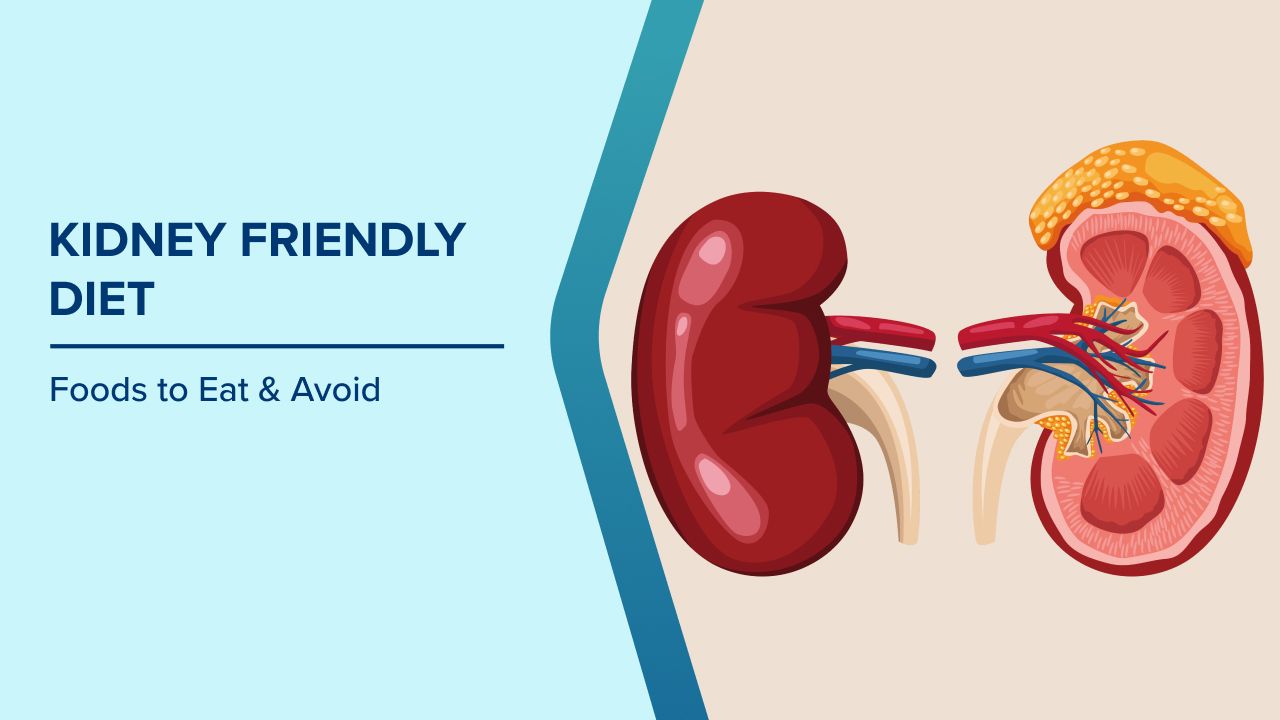
Call Us+91 926 888 0303Kidney Friendly Diet: Foods to Eat & Avoid
By Dr. Ashish Nandwani in Nephrology , Kidney Transplant
Mar 10 , 2026
2

When kidneys are healthy, they quietly filter waste, balance fluids, and maintain essential minerals in the body. When kidney function weakens, even slightly, diet plays a much bigger role than most people realise. What you eat can either support your kidneys or put extra strain on them over time.
A kidney-friendly diet is not about strict restrictions or bland food. It is about making informed choices that reduce stress on the kidneys while still providing enough nutrition, energy, and enjoyment from meals. Whether someone has early signs of kidney problems or is simply trying to protect long-term kidney health, understanding what to eat and what to limit can make a meaningful difference.
Why Diet Matters for Kidney Health
The kidneys regulate sodium, potassium, phosphorus, and fluid levels in the body. When kidney function is compromised, these substances can build up and cause symptoms such as swelling, fatigue, irregular heartbeat, or bone weakness.
Food choices directly influence how hard the kidneys need to work. Excess salt increases blood pressure. Too much protein can increase waste production. Certain minerals can accumulate if intake is not balanced. A kidney-friendly diet helps control these factors and supports overall wellbeing.
Understanding the Basics of a Kidney-Friendly Diet
A kidney-friendly diet focuses on balance rather than elimination. It usually involves:
- Controlling portion sizes
- Choosing fresh foods over processed ones
- Being mindful of sodium, protein, potassium, and phosphorus intake
- Maintaining adequate hydration without overloading fluids
Dietary needs can vary depending on the stage of kidney disease, age, activity level, and other health conditions. However, some core principles apply to most people aiming to protect kidney health.
Foods That Support Kidney Health
Fresh Fruits in Moderation
Certain fruits are easier on the kidneys when consumed in appropriate portions. Apples, grapes, berries, pears, and pineapple are commonly well tolerated. They provide fibre, vitamins, and antioxidants without overwhelming mineral content.
Portion control matters. Even healthy fruits can become problematic if consumed in excess, especially when kidney function is reduced.
Vegetables That Are Kidney-Friendly
Vegetables such as cabbage, cauliflower, cucumber, capsicum, lettuce, and beans are often suitable choices. These vegetables are lower in potassium compared to others and provide essential nutrients without excessive mineral load.
Cooking methods also matter. Light cooking can reduce mineral concentration in some vegetables and make them easier to digest.
Whole Grains and Refined Grains in Balance
Rice, chapati made from refined flour, oats, and pasta can be included depending on individual needs. While whole grains are generally healthy, they contain higher phosphorus levels. For some people, a balance between whole and refined grains works better for kidney health.
Healthy Fats
Unsaturated fats such as olive oil, mustard oil, and small amounts of nuts or seeds can be included. These fats support heart health, which is closely linked to kidney function.
Deep-fried foods and trans fats should be limited as they increase inflammation and cardiovascular risk.
Controlled Protein Intake
Protein is essential, but excess protein creates waste that the kidneys must filter. A kidney-friendly diet focuses on adequate, not excessive, protein intake.
Egg whites, lean poultry, fish, paneer in moderation, and well-cooked dals can be included in carefully measured portions. The goal is nourishment without overload.
Foods to Limit or Avoid for Kidney Protection
High Sodium Foods
Salt is one of the biggest challenges for kidney health. Packaged snacks, instant meals, pickles, sauces, and restaurant foods often contain hidden sodium.
High salt intake increases blood pressure and fluid retention, both of which strain the kidneys. Cooking at home using minimal salt and natural spices helps maintain better control.
Foods High in Potassium
Potassium is vital for muscle and nerve function, but excess potassium can cause serious complications when kidney function declines.
Foods such as bananas, oranges, tomatoes, potatoes, spinach, and coconut water may need restriction depending on individual tolerance. Portion size and preparation methods matter.
Phosphorus Rich Foods
Phosphorus can weaken bones and affect heart health when it builds up in the body. Processed foods, cola drinks, packaged bakery items, and processed cheese often contain added phosphorus.
Reading food labels and choosing fresh alternatives helps reduce unnecessary phosphorus intake.
Excess Sugar and Refined Foods
Sugary drinks, desserts, and refined carbohydrates contribute to weight gain and diabetes, which are major risk factors for kidney disease. Limiting these foods supports both kidney and overall metabolic health.
Hydration and Kidney Health
Water plays a crucial role in flushing waste from the body. However, more is not always better. Drinking too much fluid can cause swelling and discomfort in people with reduced kidney function.
Hydration needs depend on urine output, climate, activity level, and medical advice. Sipping water throughout the day rather than consuming large amounts at once is generally better tolerated.
Practical Tips for Daily Eating
- Plan meals ahead to avoid impulsive food choices
- Choose fresh ingredients whenever possible
- Use herbs, garlic, and spices instead of salt
- Eat smaller portions more frequently
- Avoid packaged foods with long ingredient lists
- Keep a food diary to identify patterns and triggers
A kidney-friendly diet should feel sustainable, not stressful. Consistency matters more than perfection.
Emotional and Social Aspects of Eating With Kidney Concerns
Dietary changes can feel overwhelming at first, especially during family meals, festivals, or social gatherings. Open communication with family members and gradual adjustments make long-term adherence easier.
Food is deeply connected to culture and comfort. A supportive approach allows people to enjoy meals while protecting their health.
When to Seek Professional Guidance
Dietary needs change over time. Anyone with kidney disease, diabetes, high blood pressure, or persistent swelling should seek personalised dietary advice. Regular follow-up ensures that nutritional needs are met without compromising kidney function.
Conclusion
A kidney-friendly diet is a powerful tool for protecting kidney health and improving quality of life. It focuses on thoughtful choices, balanced nutrition, and mindful eating rather than strict deprivation.
By understanding what to eat and what to limit, individuals can reduce kidney stress, support long-term health, and feel more confident in their daily food decisions. Small, consistent changes can lead to meaningful benefits over time.
Frequently Asked Questions
Can a kidney-friendly diet help slow kidney damage?
Yes, dietary adjustments can reduce strain on the kidneys and help manage contributing factors such as blood pressure and fluid balance, which may slow progression.
Is a kidney-friendly diet the same for everyone?
No, dietary needs vary based on kidney function, age, lifestyle, and other medical conditions. Personalised guidance is important.
Can someone follow a kidney-friendly diet without giving up favourite foods?
In many cases, yes. Portion control, cooking methods, and ingredient swaps allow flexibility without compromising kidney health.
Are herbal supplements safe for kidney health?
Not all supplements are safe. Some herbs can stress the kidneys or interact with medications. Medical advice is recommended before use.
How often should dietary plans be reviewed for kidney care?
Dietary plans should be reviewed periodically, especially if symptoms change or kidney function fluctuates.
Written and Verified by:

Related Blogs

Dr. Puneet Arora In Nephrology
Nov 11 , 2020 | 2 min read

Nov 11 , 2020 | 9 min read
Blogs by Doctor

Hypertension & Kidney Disease Diet: Best Foods & Tips
Dr. Ashish Nandwani In Nephrology , Kidney Transplant
Apr 02 , 2025 | 4 min read
Protect Your Kidneys: Tests & Tips to Prevent Kidney Disease
Dr. Ashish Nandwani In Nephrology , Kidney Transplant
Aug 04 , 2025 | 2 min read
Most read Blogs


Related Blogs
Dr. Puneet Arora In Nephrology
Nov 11 , 2020 | 2 min read
Nov 11 , 2020 | 9 min read
Blogs by Doctor
Hypertension & Kidney Disease Diet: Best Foods & Tips
Dr. Ashish Nandwani In Nephrology , Kidney Transplant
Apr 02 , 2025 | 4 min read
Protect Your Kidneys: Tests & Tips to Prevent Kidney Disease
Dr. Ashish Nandwani In Nephrology , Kidney Transplant
Aug 04 , 2025 | 2 min read
Most read Blogs