 WhatsApp Us (24/7)
 +91 926 888 0303 (24/7)


To Book an Appointment
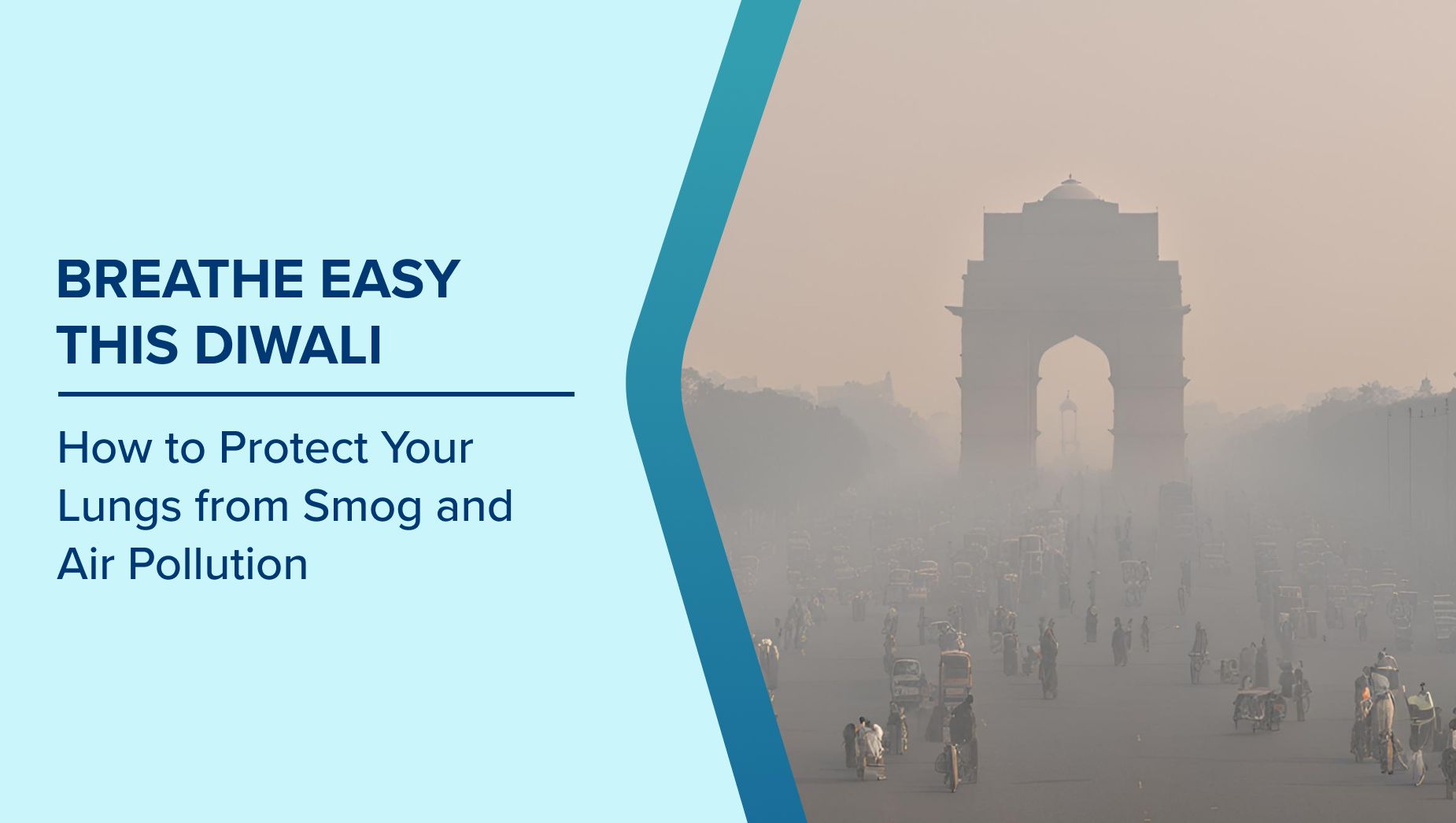
Call Us+91 926 888 0303Breathe Easy This Diwali: How to Protect Your Lungs from Smog and Air Pollution
By Dr. Priyanka Aggarwal in Pulmonology
Jan 05 , 2026 | 3 min read
1

Diwali, the festival of lights, brings joy, family gatherings, and vibrant celebrations. However, it also comes with a spike in Diwali air pollution. Firecrackers and increased vehicular traffic contribute to smog, significantly affecting lung health and overall well-being.
Exposure to high levels of particulate matter and smoke during Diwali can trigger respiratory issues, worsen asthma, and increase air pollution health risks for vulnerable groups such as children, the elderly, and people with pre-existing lung conditions. Understanding how air pollution affects lungs and implementing effective smog protection tips can help you enjoy the festival safely.
Understanding Diwali Air Pollution and Its Effects on Lungs
What Causes Air Pollution During Diwali?
Several factors contribute to Diwali air pollution, including:
- Firecrackers: Release smoke containing particulate matter (PM2.5 and PM10) and toxic gases
- Increased traffic: More vehicles on the road lead to higher exhaust emissions
- Industrial and household emissions: Extra energy usage and waste burning intensify smog
Health Effects on Lungs
Exposure to Diwali smoke and air pollution can lead to:
- Irritation of the eyes, nose, and throat
- Coughing, wheezing, and shortness of breath
- Exacerbation of asthma or chronic obstructive pulmonary disease (COPD)
- Increased risk of respiratory infections
- Long-term lung function decline in repeated exposure
Children and older adults are particularly vulnerable because their lungs are either still developing or more susceptible to environmental stressors.
Key Symptoms of Pollution-Related Lung Stress
Recognising the early signs of air pollution's impact on the lungs can help facilitate timely intervention. Common symptoms include:
- Persistent cough or wheezing
- Chest tightness or discomfort
- Breathing difficulties, especially in polluted areas
- Throat irritation or hoarseness
- Fatigue or dizziness in severe cases
For individuals with asthma, COPD, or other lung conditions, even mild exposure can trigger attacks.
Practical Smog Protection Tips for Diwali
Protecting your lungs during Diwali requires a combination of preventive measures indoors and outdoors.
Protective Masks for Pollution
- Use masks when stepping out during heavy smoke
- Ensure a snug fit to minimise inhalation of fine particulate matter
- Avoid using cloth masks as they do not effectively filter pollutants
Limit Outdoor Exposure
- Stay indoors during peak hours of firecracker activity
- Keep windows and doors closed to reduce indoor smoke entry
- Plan outdoor activities for early morning or late evening when pollution levels are lower
Indoor Air Quality Management
- Use air purifiers with HEPA filters to remove smoke particles
- Keep indoor plants that can naturally filter air, such as spider plants or aloe vera
- Avoid burning incense, candles, or other smoke-emitting materials indoors
Protect Vulnerable Groups
- Children, the elderly, and people with lung conditions should remain indoors during heavy smog
- Ensure they are wearing protective masks if stepping outside
- Maintain proper hydration to help the lungs flush out pollutants
Reduce Smoke Inhalation While Celebrating
- Prefer eco-friendly celebrations with fewer firecrackers
- Choose celebrations in open spaces to allow smoke to disperse
- Avoid directly inhaling smoke when lighting diyas or candles
Lifestyle Strategies to Support Lung Health
Beyond protective measures during Diwali, maintaining overall lung health can minimise the impact of pollution:
- Balanced diet: Include antioxidants from fruits and vegetables to support lung immunity
- Regular exercise: Strengthens lung capacity and promotes efficient oxygen utilisation
- Hydration: Helps thin mucus and clear pollutants from airways
- Quit smoking: Reduces baseline lung vulnerability to pollutants
- Breathing exercises: Techniques like diaphragmatic breathing and pranayama can improve lung function
Monitoring Pollution Levels During Diwali
Awareness is key to reducing exposure:
- Use mobile apps or websites to monitor real-time Air Quality Index (AQI)
- Limit outdoor activities when AQI exceeds 150 (unhealthy for sensitive groups)
- Follow government advisories and alerts regarding firecracker restrictions
Special Considerations for Respiratory Patients
People with asthma, COPD, or other chronic lung diseases should take extra precautions:
- Keep inhalers or prescribed medications accessible
- Avoid crowded areas with heavy smoke
- Consult a doctor before Diwali for preventive strategies
- Monitor symptoms closely and seek medical care promptly if breathing difficulties arise
Long-Term Health Implications
Repeated exposure to high pollution levels during Diwali over the years can:
- Decrease lung function
- Increase susceptibility to respiratory infections
- Heighten risk for cardiovascular issues
- Exacerbate chronic conditions such as asthma
Taking consistent protective measures every year helps reduce long-term health risks.
Creating a Safer Diwali Celebration
- Encourage eco-friendly firecrackers or laser light shows
- Promote community awareness about smog protection tips
- Celebrate outdoors in open spaces whenever possible
- Educate children about the importance of wearing masks and avoiding smoke
Conclusion
Diwali is a time of joy, lights, and celebration, but it also comes with heightened air pollution and associated risks to lung health. Understanding the causes of Diwali air pollution, recognising early warning signs, and following practical smog protection tips can help safeguard your respiratory health.
Simple lifestyle adjustments, careful planning of outdoor activities, and indoor protective strategies ensure that you and your family can breathe easy this Diwali while enjoying the festivities. Always consult your doctor if you or a family member experiences respiratory issues during the festival.
Written and Verified by:

Related Blogs

Medical Expert Team
Jun 06 , 2015 | 2 min read

Blogs by Doctor

Human Metapneumovirus (HMPV): Treatment, Symptoms, And Effects On Children And Adults
Dr. Priyanka Aggarwal In Pulmonology
Jan 04 , 2025 | 6 min read

Understanding Legionnaires' Disease: Symptoms, Risks, and Treatment Options
Dr. Priyanka Aggarwal In Pulmonology
Jan 22 , 2025 | 7 min read
Most read Blogs


Related Blogs
Medical Expert Team
Jun 06 , 2015 | 2 min read
Blogs by Doctor
Human Metapneumovirus (HMPV): Treatment, Symptoms, And Effects On Children And Adults
Dr. Priyanka Aggarwal In Pulmonology
Jan 04 , 2025 | 6 min read
Understanding Legionnaires' Disease: Symptoms, Risks, and Treatment Options
Dr. Priyanka Aggarwal In Pulmonology
Jan 22 , 2025 | 7 min read
Most read Blogs