 WhatsApp Us (24/7)
 +91 926 888 0303 (24/7)


To Book an Appointment
Call Us+91 926 888 0303An Introduction to Premature Ejaculation and Tips to Manage it
By Medical Expert Team
Jun 23 , 2026 | 5 min read
18

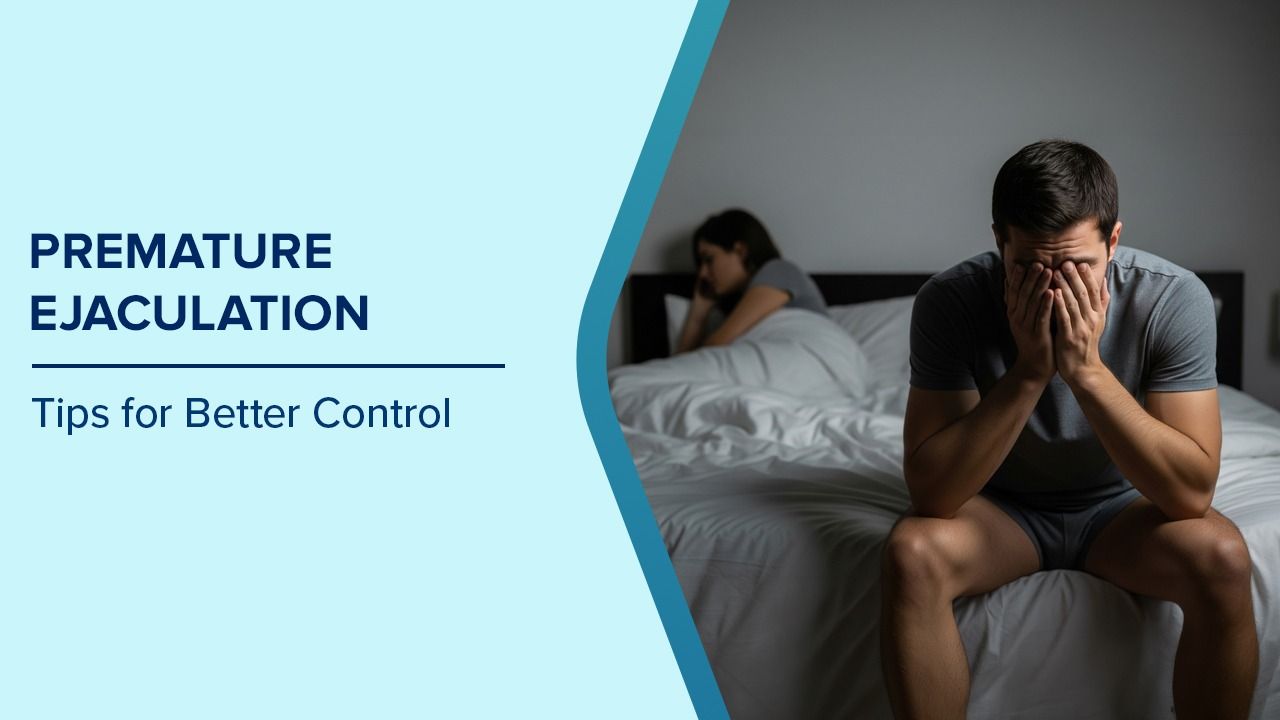
Premature ejaculation (PE) is one of the most common sexual concerns that affects men of all ages and backgrounds. It can happen occasionally or more regularly, and can have an impact on confidence and relationships. The good news is that it is well understood, manageable, and there are real, practical steps that can help. This blog covers the basics of what PE is, why it happens, and what can be done about it, with clear and straightforward information.
What is Premature Ejaculation?
Premature ejaculation is a condition in which ejaculation happens sooner than desired during sexual activity, often with limited control over timing. It may occur before or shortly after penetration, and in many cases, the person may feel unable to delay it despite wanting to. This can lead to dissatisfaction, frustration, or concern about sexual performance. Occasional early ejaculation is quite common and may not point to a problem. It is usually considered a concern
when it happens frequently, persists over time, and begins to affect confidence, relationships, or overall well-being. The experience can vary from person to person.
What Causes Premature Ejaculation?
Premature ejaculation can develop due to a combination of psychological and physical factors. These include:
Psychological Factors
- Performance Anxiety: Concern about sexual performance or fear of not meeting expectations can reduce control over ejaculation
- Stress: Ongoing stress related to work, finances, or daily life can affect focus and timing during intimacy
- Relationship Concerns: Lack of comfort, poor communication, or unresolved issues with a partner can influence sexual response
- Guilt or Negative Feelings: Cultural or personal beliefs around sex may create tension that affects control
- Conditioned Patterns: Rushing during early sexual experiences, often due to fear of being discovered, can lead to a lasting pattern
Physical Factors
- Hormonal Imbalance: Changes in hormone levels, including testosterone, may affect sexual function
- Increased Penile Sensitivity: Higher sensitivity can lead to quicker stimulation and earlier ejaculation
- Neurotransmitter Imbalance: Low levels of certain brain chemicals, such as serotonin, can affect ejaculation timing
- Prostate or Urinary Conditions: Inflammation or infection may contribute in some cases
- Erectile Dysfunction: Trying to maintain an erection may lead to rushing, which can result in early ejaculation
In many individuals, these factors do not act alone. A mix of mental and physical influences is common, and recognising these can help in choosing suitable ways to manage the condition.
How is Premature Ejaculation Treated?
Treatment for premature ejaculation depends on how often it occurs, how long it has been present, and the underlying cause. In many cases, a combination of behavioural methods, physical exercises, and medical support can help improve control gradually.
Behavioural Techniques
- Start-Stop Method: Sexual stimulation is paused just before the point of ejaculation. After the urge reduces, activity is resumed. Repeating this process over time can help improve control.
- Squeeze Technique: Gentle pressure is applied at the head of the penis when the urge to ejaculate builds. This can reduce arousal and delay ejaculation.
- Regular Practice: These methods require patience and consistency, and results may improve over weeks.
Pelvic Floor Exercises
Pelvic floor exercises focus on strengthening the muscles that help control ejaculation. These are the same muscles used to stop urine flow. The exercise involves tightening these muscles, holding the contraction for a few seconds, and then relaxing. This is repeated several times a day. With regular practice over a few weeks, these exercises can help improve control and delay ejaculation by building better muscle strength and awareness.
Lifestyle Changes
- Stress Management: Ongoing stress can affect sexual response, so relaxation methods such as breathing exercises or physical activity can help
- Limiting Alcohol: Excess intake may reduce control and affect performance
- Improved Sleep and Routine: Good overall health supports better sexual function
Counselling and Therapy
Counselling can help address the mental and emotional factors linked to premature ejaculation. Concerns such as performance anxiety, stress, or negative past experiences can affect control and make the problem feel worse over time. Speaking with a trained professional can help in identifying these concerns and finding ways to manage them. Therapy may also improve communication in a relationship, which can reduce pressure during intimacy. Over time, this can lead to better confidence and improved control.
Medical Treatment
- Oral medications: Certain medicines may be prescribed to help delay ejaculation by acting on the body’s chemical signals that control timing. They may be taken daily or before sexual activity, depending on the need, and can help improve control over time
- Topical treatments: Creams or sprays are applied before sexual activity to reduce sensitivity and slow down stimulation. This can help delay ejaculation and improve control
- Treatment of underlying conditions: If linked to concerns such as hormonal imbalance, prostate issues, or erectile dysfunction, managing these conditions can help improve symptoms and overall control
Tips to Manage Premature Ejaculation
Managing premature ejaculation often involves simple and practical steps that can improve control over time. These approaches focus on building awareness, reducing pressure, and supporting overall sexual health. The following tips can help:
- Pause and Resume During Stimulation: Stop stimulation when the urge to ejaculate builds, wait for it to settle, then continue. Repeating this can help improve control.
- Apply Gentle Pressure at the Right Moment: Lightly squeezing the tip of the penis when close to ejaculation can reduce the urge and delay timing.
- Practise Pelvic Floor Exercises Daily: Tighten the muscles used to stop urine flow, hold for a few seconds, and relax. Regular practice can strengthen control.
- Focus on Slower Pacing: Slowing down movements during sexual activity can reduce overstimulation and help delay ejaculation.
- Reduce Performance Pressure: Taking the focus away from timing and performance can help lower anxiety and improve control.
- Limit Alcohol Before Sexual Activity: Excess alcohol can affect control and sexual response.
The Emotional and Relationship Impact of Premature Ejaculation
PE is not a dangerous condition, but if left unaddressed, it can lead to a few complications worth being aware of:
- Impact on Self-Esteem and Confidence: Men dealing with PE often experience feelings of embarrassment or frustration. Over time, this can chip away at self-esteem and create a negative association with sexual intimacy.
- Strain on Relationships: PE can create tension or dissatisfaction between partners. When left unaddressed, it may lead to emotional distance or a breakdown in communication about intimacy.
- Avoidance of Sexual Activity: Some men begin to avoid sexual intimacy altogether as a way of avoiding the discomfort or embarrassment that comes with PE. This avoidance can further affect both personal wellbeing and relationships.
- A Cycle of Performance Anxiety: The stress and anxiety around performance can actually make PE worse over time. Worrying about it happening again can create pressure that contributes to the problem, making it harder to break the cycle without some form of support or intervention.
Consult Today
Premature ejaculation is a common and manageable condition, and understanding it is already a step in the right direction. With the right combination of techniques, lifestyle adjustments, and professional support, better control is achievable. The path forward does not have to be navigated alone. Max Hospital's specialists are equipped to assess individual concerns and recommend a treatment plan that actually fits. Take that next step and consult a specialist at Max Hospital today.
Frequently Asked Questions
Is premature ejaculation a permanent condition?
Not in most cases. With the right approach, whether through behavioural techniques, exercises, lifestyle changes, or medical support, many men see improvement over time. How long it takes can vary from person to person.
At what age does premature ejaculation commonly occur?
PE can affect men at any age. It is not limited to younger men or older men, and the causes and experience can differ depending on the individual.
Can premature ejaculation affect the ability to have children?
Premature ejaculation does not typically affect fertility. Ejaculation still occurs, which means conception is generally possible. However, if there are related concerns, speaking with a doctor is the best course of action.
Should a doctor be consulted for premature ejaculation?
Yes, especially if it happens frequently, has been ongoing for some time, or is causing distress. A doctor can help identify any underlying cause and suggest the most suitable treatment.
Can premature ejaculation come back after improving?
Yes, it can. Stress, lifestyle changes, or relationship concerns can bring it back even after a period of improvement. Maintaining healthy habits and addressing triggers early can help manage it in the long term.
Is premature ejaculation linked to a lack of attraction toward a partner?
No. PE is generally connected to psychological or physical factors and is not an indication of how a person feels about their partner. Assuming a connection between the two can add unnecessary stress to a relationship.
Can premature ejaculation develop later in life even if it was never a concern before?
Yes. PE can develop at any point and does not always start early in life. Stress, health changes, hormonal shifts, or new relationship dynamics can all contribute to it appearing later.
Does using a condom help with premature ejaculation?
For some men, using a condom can reduce sensitivity slightly, which may help delay ejaculation. However, it is not a reliable solution on its own and works differently for different people.
Is it necessary to involve a partner in the treatment process?
It is not always required, but it can be helpful. Open communication and mutual understanding can reduce pressure and make behavioural techniques easier to practise. Partner involvement is a personal decision and depends on individual comfort.
Related Blogs

Dr. Anant Kumar In Urology , Kidney Transplant , Uro-Oncology
Nov 08 , 2020 | 8 min read
Dr. Shailendra Kumar Goel In Urology , Kidney Transplant , Uro-Oncology
Nov 08 , 2020 | 4 min read
Blogs by Doctor

Demystifying Male Infertility: Causes, Symptoms, Tests & Treatment Options
Jul 11 , 2024 | 8 min read

Prostate Disease: Symptoms, Treatment & Risk Factors
Dr. Rohit Kaushal In Urology , Kidney Transplant , Robotic Surgery
Feb 17 , 2025 | 2 min read
Most read Blogs


Related Blogs
Dr. Anant Kumar In Urology , Kidney Transplant , Uro-Oncology
Nov 08 , 2020 | 8 min read
Dr. Shailendra Kumar Goel In Urology , Kidney Transplant , Uro-Oncology
Nov 08 , 2020 | 4 min read
Blogs by Doctor
Demystifying Male Infertility: Causes, Symptoms, Tests & Treatment Options
Jul 11 , 2024 | 8 min read
Prostate Disease: Symptoms, Treatment & Risk Factors
Dr. Rohit Kaushal In Urology , Kidney Transplant , Robotic Surgery
Feb 17 , 2025 | 2 min read
Most read Blogs