 WhatsApp Us (24/7)
 +91 926 888 0303 (24/7)


To Book an Appointment
Call Us+91 926 888 0303Life-long Vaccination: Stages, Age & Diagnosis
By Dr. Vandana Boobna in Internal Medicine
Jun 04 , 2026

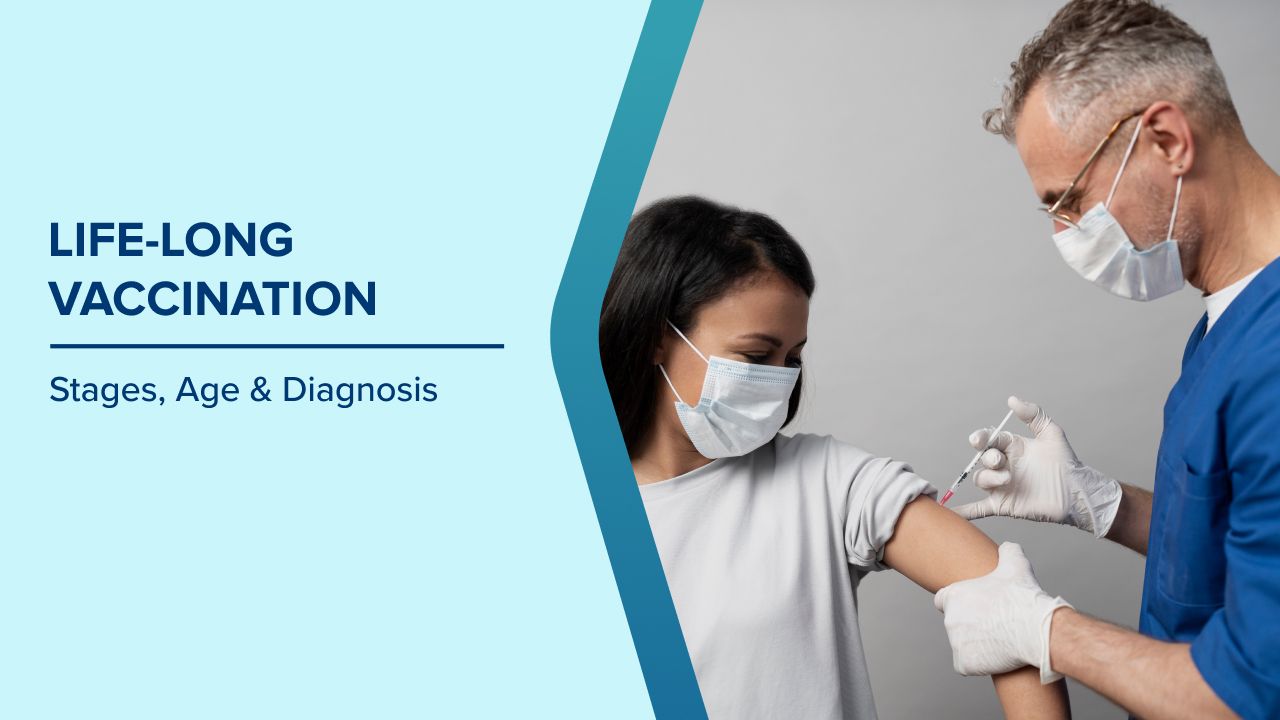
Vaccination is often associated with childhood, but protection against infections does not end after the early years. Immunity can reduce over time, new health risks can emerge, and certain infections become more common with age. This makes vaccination an important part of healthcare throughout life.
A life-long vaccination approach ensures that individuals remain protected at every stage, from infancy to older adulthood. Therefore, understanding what vaccines are needed at different ages helps in preventing serious illnesses and maintaining overall health.
Why Vaccination Is Important at Every Age
Vaccines work by preparing the body to fight infections before they occur. While some vaccines provide long-term protection, others may require booster doses or become relevant later in life.
As age increases:
- Immunity from earlier vaccines may weaken
- Exposure to new infections may rise
- Health conditions may increase vulnerability
Staying updated with vaccinations helps reduce the risk of complications and supports long-term well-being.
Vaccination Needs Across Different Life Stages
Vaccination requirements change with age, lifestyle, and health status. A structured approach helps ensure that no essential protection is missed.
Infants and Young Children
Early childhood is the most critical period for vaccination. During this time, the immune system is still developing, making children more vulnerable to infections.
Key focus:
- Building strong early immunity
- Protecting against serious childhood diseases
Vaccines typically include:
- Protection against infections such as measles, polio, and hepatitis
- Combination vaccines to reduce the number of injections
Timely vaccination during this stage lays the foundation for long-term protection.
School-Age Children
As children grow, booster doses are often required to maintain immunity.
Why boosters matter:
- Reinforce protection from earlier vaccines
- Ensure continued immunity during school years
Focus areas:
- Protection against infections that spread easily in group settings
- Maintaining complete immunisation status
Regular check-ups help ensure that no doses are missed.
Adolescents and Teenagers
This stage introduces new health considerations due to physical and lifestyle changes.
Vaccination needs may include:
- Protection against infections that become relevant during adolescence
- Booster doses for earlier vaccines
Why is it important:
- Increased social interaction raises exposure risk
- Immunity from childhood vaccines may decline
Adolescents often miss vaccinations due to a lack of awareness, making this stage important for catch-up immunisation.
Adults in Their 20s and 30s
Many adults assume vaccinations are no longer necessary, but this is a common misconception.
Key considerations:
- Catching up on missed vaccines
- Maintaining protection through boosters
Situations where vaccines may be needed:
- Travel
- Workplace exposure
- Lifestyle-related risks
Vaccination during this stage helps prevent infections that can disrupt daily life and productivity.
Adults in Their 40s and 50s
As the body ages, the immune system may not respond as strongly as before.
Focus areas:
- Preventing infections that become more common with age
- Protecting against complications
Why this matters:
- The risk of chronic conditions may increase
- Recovery from infections may take longer
Regular health assessments can help identify which vaccines are needed.
Older Adults and Seniors
In later years, immunity weakens further, making individuals more susceptible to infections.
Key priorities:
- Protection against respiratory infections
- Reducing the risk of severe illness
Benefits of vaccination:
- Lower risk of hospitalisation
- Better quality of life
- Reduced complications
Vaccination plays a crucial role in maintaining independence and overall health in older adults.
Special Situations That Require Vaccination
Apart from age, certain conditions and situations may require additional vaccines.
Pregnancy
Vaccination during pregnancy helps protect both the mother and the baby.
Benefits include:
- Reduced risk of infections
- Protection for the newborn in the early months
Chronic Health Conditions
Individuals with conditions such as diabetes or heart disease may need additional protection.
Reason:
- Higher risk of complications from infections
Travel
Travelling to different regions may expose individuals to infections not common in their home environment.
Precaution:
- Vaccines may be required based on the destination
Occupational Exposure
Healthcare workers and certain professionals may need specific vaccines due to higher exposure risk.
Common Misconceptions About Adult Vaccination
Despite clear recommendations, many adults continue to delay or avoid vaccination due to long-held beliefs or incomplete information. Addressing these misconceptions is essential to ensure better protection and timely preventive care.
"Vaccines Are Only for Children"
This is one of the most common misunderstandings. While childhood vaccines build early immunity, protection against several diseases reduces over time. Adults require booster doses and additional vaccines based on age, lifestyle, and health risks. Ignoring this can leave gaps in protection during years when exposure risk may actually increase.
"If I Was Vaccinated Once, I Am Protected for Life"
Not all vaccines provide lifelong immunity. Some require periodic boosters to maintain effectiveness. Without these boosters, the body's ability to respond to infections weakens gradually, increasing vulnerability even if you were fully vaccinated earlier.
"Healthy Adults Do Not Need Vaccines"
Good health does not eliminate the risk of infection. Vaccines act as a preventive measure, reducing the chances of illness and its complications. Even individuals with no underlying conditions can contract infections and may unknowingly spread them to others.
"Vaccines Are Only Needed When Travelling"
While travel-related vaccines are important, routine adult vaccinations are equally essential. Everyday environments such as workplaces, public transport, and social gatherings can expose individuals to infections, making regular vaccination necessary regardless of travel plans.
"Vaccines Can Weaken the Immune System"
Vaccines do not weaken immunity. Instead, they train the immune system to recognise and fight infections effectively. Mild side effects may occur, but these are temporary and indicate that the body is building protection.
"I Can Rely on Natural Immunity Instead"
Natural infection may provide some immunity, but it often comes at the cost of severe illness or complications. Vaccination offers a safer and controlled way to build protection without exposing the body to unnecessary risks.
How to Stay Updated with Vaccination
Keeping track of vaccination history is essential.
Simple steps:
- Maintain a vaccination record
- Consult a healthcare provider regularly
- Follow recommended schedules
Awareness and planning help ensure timely protection.
Benefits of Life-long Vaccination
Adopting a life-long vaccination approach offers several advantages:
- Reduced risk of infections
- Lower chances of complications
- Protection for family and community
- Improved overall health
Vaccination is not just an individual choice but also a step towards public health safety.
When Should You Consult a Doctor?
It is important to seek medical advice if:
- You are unsure about your vaccination status
- You have missed scheduled doses
- You have a medical condition that may require special vaccines
A healthcare provider can guide you based on age, lifestyle, and health needs.
Conclusion
Vaccination is a continuous process that supports health at every stage of life. From early childhood to older adulthood, each phase has its own set of requirements.
Understanding what your age group needs helps ensure timely protection and reduces the risk of preventable diseases. Staying informed, keeping records, and following medical advice can help you stay protected throughout life.
Frequently Asked Questions
How do I know which vaccines I need as an adult?
A doctor can recommend vaccines based on your age, health status, and vaccination history.
Is there an upper age limit for vaccination?
No, vaccines can be beneficial at any age, especially in older adults.
Can vaccines interfere with ongoing medications?
Most vaccines are safe, but it is best to consult your doctor if you are on regular medication.
How long should I wait between two vaccines?
The gap depends on the type of vaccines and should be guided by a healthcare professional.
What should I do if I do not have my vaccination records?
You can consult a doctor and follow a catch-up vaccination plan if needed.
Written and Verified by:

Related Blogs


Dr. Vandana Boobna In Internal Medicine
Nov 08 , 2020 | 2 min read
Blogs by Doctor
Everything You Need to Know About the Deadly Nipah Virus
Dr. Vandana Boobna In Internal Medicine
Nov 08 , 2020 | 2 min read

High Temperatures, Shivers, and Sweating: Pyrexia Demystified
Dr. Vandana Boobna In Internal Medicine
Nov 08 , 2020 | 2 min read
Most read Blogs


Related Blogs
Dr. Vandana Boobna In Internal Medicine
Nov 08 , 2020 | 2 min read
Blogs by Doctor
Everything You Need to Know About the Deadly Nipah Virus
Dr. Vandana Boobna In Internal Medicine
Nov 08 , 2020 | 2 min read
High Temperatures, Shivers, and Sweating: Pyrexia Demystified
Dr. Vandana Boobna In Internal Medicine
Nov 08 , 2020 | 2 min read
Most read Blogs