 WhatsApp Us (24/7)
 +91 926 888 0303 (24/7)


To Book an Appointment
Call Us+91 926 888 0303What is Hypoxemia: Causes, Symptoms, Treatment and Prevention
By Dr. Vivek Nangia in Pulmonology
Oct 16 , 2025 | 12 min read

Oxygen is essential for life, powering every cell and ensuring organs function properly. A reduction in blood oxygen levels, known as hypoxemia, can disrupt these processes, affecting energy level, cognition, and overall health. It can result from various causes, including lung and heart diseases, infections, as well as environmental factors such as high altitude. Prolonged oxygen deficiency can strain vital organs and become life-threatening. It is, therefore, important to understand what leads to hypoxemia, how it presents, and the ways it can be managed. To help, in this article, we’ll explore the causes, symptoms, treatment approaches for hypoxemia, followed by some prevention tips. Let’s start with the basics.
What is Hypoxemia?
Hypoxemia is a medical condition in which the oxygen level in the blood falls below normal. When blood oxygen levels drop, the body’s organs and tissues may not receive enough oxygen to work effectively. This can lead to symptoms such as shortness of breath, rapid heartbeat, confusion, and fatigue.
It is important to distinguish hypoxemia from hypoxia. While hypoxemia refers specifically to low oxygen in the blood, hypoxia describes a state in which body tissues do not get sufficient oxygen, which can occur even if blood oxygen levels are normal.
Blood oxygen levels are usually measured using a pulse oximeter or through an arterial blood gas test, which helps healthcare providers assess the severity of the condition and determine appropriate treatment.
What are the Types of Hypoxemia?
Hypoxemia can be classified based on its severity or the underlying cause. Understanding the type helps guide treatment and management.
Based on Severity
- Mild Hypoxemia: Oxygen levels are slightly below normal. Symptoms may be subtle and include mild shortness of breath during activity, fatigue, or reduced concentration. Often, this stage may go unnoticed without regular monitoring.
- Moderate Hypoxemia: Oxygen levels are more noticeably low, causing symptoms such as rapid breathing, increased heart rate, dizziness, and difficulty performing routine tasks. Medical evaluation is usually required at this stage.
- Severe Hypoxemia: Critically low oxygen levels can lead to serious complications, including confusion, bluish discolouration of the skin and lips (cyanosis), rapid heartbeat, and organ dysfunction. Immediate medical intervention is necessary to prevent life-threatening outcomes.
Based on the Cause
- Hypoxemic Hypoxia: Occurs when oxygen levels in the blood are reduced due to lung-related conditions such as pneumonia, asthma, chronic obstructive pulmonary disease (COPD), or pulmonary embolism. This type directly affects oxygen absorption in the lungs.
- Circulatory (Ischemic) Hypoxia: Oxygen delivery to tissues is compromised despite normal oxygen levels in the blood. It often results from poor blood flow due to heart conditions, blood clots, or shock.
- Anaemic Hypoxia: This occurs when the blood lacks sufficient healthy red blood cells or haemoglobin to carry oxygen effectively. Conditions such as anaemia or blood loss can lead to this type.
- Histotoxic Hypoxia: Even if blood oxygen levels are normal, the body’s tissues are unable to use oxygen effectively. This can happen due to toxins, certain poisons, or metabolic disturbances that interfere with cellular oxygen use.
What Causes Hypoxemia?
Hypoxemia occurs when the oxygen level in the blood falls below normal, and its causes can be diverse. Identifying the underlying reason is essential for timely treatment and prevention of complications.
Lung-Related Causes
The lungs are central to oxygen absorption, and any condition that interferes with their ability to transfer oxygen to the blood can result in hypoxemia.
- Chronic Obstructive Pulmonary Disease (COPD): Diseases, including emphysema or chronic bronchitis, damage the airways and alveoli, limiting airflow and oxygen exchange.
- Asthma: Severe or uncontrolled asthma attacks can constrict airways, preventing sufficient oxygen from reaching the bloodstream.
- Pneumonia: Infection causes inflammation and fluid accumulation in the lungs’ air sacs, reducing the area available for oxygen transfer.
- Pulmonary Embolism: Blood clots in the lungs block circulation, preventing oxygen-rich blood from reaching the rest of the body.
- Acute Respiratory Distress Syndrome (ARDS): Severe inflammation from infections or injuries leads to fluid leakage into the lungs, drastically lowering oxygen levels.
Heart-Related Causes
Even if the lungs function properly, heart problems can impair oxygen delivery to tissues.
- Congenital Heart Defects: Structural abnormalities can cause oxygen-rich and oxygen-poor blood to mix, reducing overall oxygen levels in circulation.
- Heart Failure: Weakened pumping action limits blood flow, which in turn reduces oxygen delivery to vital organs.
- Shock or Circulatory Failure: Conditions that compromise blood circulation prevent oxygen from reaching tissues efficiently, contributing to hypoxemia.
Blood and Metabolic Factors
Conditions that affect oxygen transport or utilisation can also lead to hypoxemia.
- Anaemia: Low haemoglobin levels or reduced red blood cells diminish the blood’s capacity to carry oxygen.
- Severe Infections or Sepsis: Can interfere with oxygen delivery by causing widespread inflammation and circulatory disturbances.
- Histotoxic Conditions: Certain toxins or metabolic disorders can prevent cells from using oxygen efficiently, even when blood oxygen levels are normal.
Environmental and External Factors
Certain external conditions reduce the amount of oxygen available for the body or interfere with its uptake.
- High Altitude: Reduced atmospheric oxygen at higher elevations lowers blood oxygen saturation.
- Smoke or Carbon Monoxide Exposure: Inhalation of smoke or CO prevents oxygen from binding properly to red blood cells.
- Air Pollution: Long-term exposure to polluted air can damage lung tissue and limit oxygen absorption.
Other Contributing Factors
- Sleep Apnoea: Repeated pauses in breathing during sleep cause intermittent drops in blood oxygen levels.
- Obesity Hypoventilation Syndrome: Excess weight can restrict lung expansion, reducing oxygen intake and leading to chronic hypoxemia.
Hypoxemia often arises from multiple factors working together, making it essential to identify the root cause for effective management. Recognising these causes early can prevent serious complications and guide the appropriate treatment.
What are the Symptoms of Hypoxemia?
Hypoxemia can present with a range of symptoms, which often vary depending on its severity and the underlying cause. Recognising these signs early is vital to prevent complications and seek timely medical attention.
Mild Hypoxemia
- Shortness of Breath: Difficulty breathing during physical activity or mild exertion.
- Fatigue and Weakness: Reduced energy levels, making routine tasks feel more tiring than usual.
- Dizziness or Light-Headedness: Mild oxygen deficiency may affect brain function, causing occasional dizziness.
- Restlessness or Anxiety: Some individuals may feel uneasy or unsettled as the body responds to lower oxygen levels.
Moderate Hypoxemia
- Rapid Breathing (Tachypnoea): Breathing becomes faster to compensate for lower oxygen levels.
- Increased Heart Rate (Tachycardia): The heart works harder to circulate oxygenated blood.
- Headaches: Reduced oxygen delivery to the brain can trigger frequent headaches.
- Reduced Exercise Tolerance: Even simple activities, such as climbing stairs, may cause breathlessness.
Severe Hypoxemia
- Cyanosis: Bluish or purplish discolouration of the lips, fingertips, or skin due to critically low oxygen levels.
- Confusion or Difficulty Concentrating: The brain is particularly sensitive to low oxygen, leading to disorientation.
- Chest Pain or Palpitations: The heart may become stressed while trying to maintain oxygen supply.
- Organ Dysfunction: Prolonged severe hypoxemia can compromise the function of vital organs, including the heart and brain, and may become life-threatening.
Symptoms may develop gradually in chronic conditions or appear suddenly in acute cases, such as during a severe asthma attack or pulmonary embolism. Awareness of these signs is essential for early detection and prompt medical care.
How is Hypoxemia Diagnosed?
Diagnosing hypoxemia involves measuring blood oxygen levels and identifying the underlying cause. Accurate diagnosis is crucial for effective treatment and to prevent serious complications.
Clinical Assessment
- Medical History: Doctors review the patient’s history, including pre-existing lung or heart conditions, exposure to high altitudes, smoking habits, and any recent illnesses or infections.
- Physical Examination: Physicians look for signs such as rapid breathing, increased heart rate, cyanosis (bluish lips or fingertips), and use of accessory muscles for breathing. Listening to the lungs and heart helps detect abnormalities that may contribute to low oxygen levels.
Pulse Oximetry
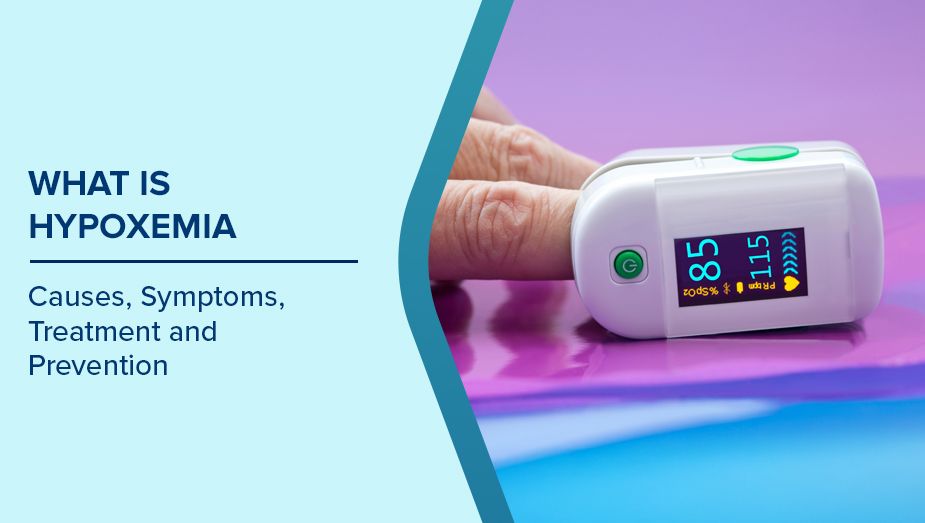
A pulse oximeter is a small, non-invasive device clipped onto a finger or earlobe to estimate blood oxygen saturation (SpO₂). It provides a quick and convenient screening tool for detecting mild to moderate hypoxemia, though accuracy can be affected by factors such as nail polish, poor circulation, or certain medical conditions.
Arterial Blood Gas (ABG) Analysis
ABG testing involves drawing blood from an artery, usually at the wrist, to measure oxygen (PaO₂), carbon dioxide, and blood pH. This test gives a precise assessment of oxygen levels, helps determine the severity of hypoxemia, and guides treatment decisions.
Imaging and Additional Tests
- Chest X-Ray or CT Scan: These imaging tests can reveal lung conditions such as pneumonia, pulmonary embolism, or chronic lung disease that may cause hypoxemia.
- Electrocardiogram (ECG) and Echocardiography: These tests evaluate heart function, which can help identify cardiac causes of hypoxemia.
- Pulmonary Function Tests: Assess lung capacity and airflow to detect obstructive or restrictive lung diseases.
Advanced Monitoring
- Continuous Oxygen Monitoring: In hospital settings, patients may be placed on continuous pulse oximetry to track oxygen levels over time, especially in severe or acute cases.
- Exercise or Sleep Studies: Tests such as a six-minute walk test or overnight oximetry can identify hypoxemia that occurs during activity or sleep, which might not be apparent at rest.
Accurate diagnosis not only confirms hypoxemia but also helps pinpoint its cause, which is essential for determining the most effective treatment and preventing complications.
What are the Treatment Options for Hypoxemia?
Treating hypoxemia focuses on restoring adequate oxygen levels in the blood and addressing the underlying cause. The approach varies depending on the severity of the condition and the patient’s overall health.
Oxygen Therapy
Oxygen therapy is the primary treatment for most cases of hypoxemia. It involves delivering supplemental oxygen through devices such as nasal prongs, face masks, or high-flow oxygen systems. The aim is to quickly raise blood oxygen levels and relieve symptoms such as shortness of breath, fatigue, and confusion. In severe cases, patients may require mechanical ventilation to assist or fully control breathing.
Treating the Underlying Cause
Addressing the root cause of hypoxemia is critical for long-term management:
- Lung Conditions: Infections like pneumonia may be treated with antibiotics, while asthma or COPD may require inhalers, bronchodilators, or corticosteroids.
- Heart Conditions: Heart failure or congenital heart defects may need medication, procedures, or surgical interventions to improve circulation and oxygen delivery.
- Blood Disorders: Anaemia may be managed with iron supplements, vitamin therapy, or blood transfusions, depending on severity.
- Environmental or Toxic Exposure: Removing patients from high-altitude areas, polluted environments, or exposure to smoke and carbon monoxide is essential.
Lifestyle and Supportive Measures
Certain lifestyle changes and supportive care can help manage hypoxemia, particularly in chronic conditions:
- Pulmonary Rehabilitation: Breathing exercises and physical therapy can improve lung function and oxygen efficiency.
- Avoiding Smoking and Pollutants: Reducing exposure to tobacco smoke and environmental pollutants helps maintain lung health.
- Weight Management: For patients with obesity hypoventilation syndrome, weight reduction can improve breathing and oxygen levels.
- Sleep Management: Treating sleep apnoea with CPAP devices or other interventions can prevent nighttime drops in oxygen saturation.
Emergency Interventions
Severe or acute hypoxemia may require urgent interventions in a hospital setting:
- Mechanical Ventilation or CPAP: To support breathing when the body cannot maintain adequate oxygen independently.
- Medications: Certain drugs may be administered to improve heart function, reduce lung inflammation, or dissolve blood clots.
Effective treatment combines immediate oxygen supplementation, targeted therapy for the underlying cause, and supportive care measures. Early detection and prompt management are essential to prevent long-term damage and life-threatening complications.
Can Hypoxemia be Prevented?
While not all cases of hypoxemia can be entirely prevented, many strategies can significantly reduce the risk of developing low blood oxygen levels. Prevention focuses on maintaining healthy lungs, heart, and blood, as well as avoiding environmental and lifestyle factors that can compromise oxygen supply.
Maintaining Lung Health
- Avoid Smoking: Tobacco smoke damages the lungs and airways, increasing the risk of conditions like COPD and chronic bronchitis, which can lead to hypoxemia.
- Minimise Exposure to Pollutants: Reducing contact with air pollution, chemical fumes, and second-hand smoke helps protect lung function.
- Vaccinations: Immunisations against influenza, pneumonia, and other respiratory infections can prevent lung infections that may cause hypoxemia.
- Regular Exercise: Moderate physical activity strengthens respiratory muscles and improves lung capacity, supporting efficient oxygen exchange.
Supporting Heart and Blood Health
- Manage Heart Conditions: Proper treatment of heart disease or congenital heart defects can prevent inadequate oxygen delivery.
- Monitor Blood Health: Maintaining healthy haemoglobin levels through a balanced diet and addressing anaemia early can improve oxygen-carrying capacity.
- Control Blood Pressure and Cholesterol: Healthy cardiovascular function ensures effective circulation and oxygen transport.
Lifestyle and Environmental Measures
- Acclimatise to High Altitudes: Gradual exposure to high-altitude environments allows the body to adjust and maintain oxygen levels.
- Weight Management: Maintaining a healthy weight reduces the risk of obesity-related breathing issues, including hypoventilation syndrome.
- Sleep Apnoea Management: Using CPAP devices or other treatments for sleep apnoea prevents drops in oxygen levels during sleep.
Consult Today
Even a small drop in blood oxygen can affect your body in serious ways, so recognising the signs early is important. If you notice any symptoms of low oxygen, Max Hospital’s pulmonologists and cardiologists are ready to provide thorough evaluation and support. Book a consultation today to ensure your lungs and heart are functioning optimally.
Frequently Asked Questions
Can hypoxemia occur without obvious symptoms?
Yes, some people, especially those with chronic lung or heart conditions, may have low oxygen levels without noticeable signs. This is called silent hypoxemia, and it can be dangerous if left undetected. Regular monitoring, particularly with a pulse oximeter, can help identify such cases early.
Does hypoxemia affect children differently than adults?
Children, especially infants, may show subtle or rapid-onset signs of hypoxemia. Symptoms can include irritability, feeding difficulties, rapid breathing, or bluish skin. Because their bodies are more sensitive to low oxygen, early detection and treatment are crucial.
Can mild hypoxemia become severe quickly?
Yes, depending on the cause. Acute events like a pulmonary embolism, severe asthma attack, or respiratory infection can cause a rapid drop in oxygen levels. Chronic conditions, however, usually lead to gradual changes that can worsen over time if not managed.
How does hypoxemia affect daily life?
Even mild hypoxemia can cause fatigue, poor concentration, and reduced exercise tolerance. Chronic hypoxemia may affect overall organ function, making routine tasks more challenging. Managing the condition helps maintain normal daily activities.
Can hypoxemia cause long-term organ damage?
Prolonged low oxygen levels can strain vital organs like the heart and brain. If untreated, chronic hypoxemia can lead to complications such as cognitive impairment, heart enlargement, or pulmonary hypertension. Early diagnosis and treatment reduce these risks.
Are there lifestyle habits that worsen hypoxemia?
Yes. Smoking, exposure to air pollution, sedentary behaviour, and poor sleep can all exacerbate low oxygen levels. Maintaining a healthy lifestyle, avoiding pollutants, and following medical advice help reduce risk.
Can medications or treatments cause hypoxemia?
Certain sedatives, opioids, or drugs that depress breathing can reduce oxygen intake. Always inform your healthcare provider about current medications, especially if you have underlying lung or heart conditions.
Is hypoxemia reversible?
In many cases, hypoxemia is treatable. Acute hypoxemia often improves quickly with supplemental oxygen or treatment of the underlying cause. Chronic hypoxemia may require long-term management, including oxygen therapy, lifestyle adjustments, and treatment of the root condition.
How often should at-risk individuals check their oxygen levels?
Frequency depends on the condition and severity. For people with chronic lung or heart disease, daily or regular monitoring at home using a pulse oximeter may be recommended, along with periodic evaluations by a specialist.
Can hypoxemia worsen during sleep?
Yes. Sleep apnoea and other respiratory problems can cause drops in oxygen levels at night. Treating underlying conditions with CPAP devices or other interventions helps maintain stable oxygen levels during sleep.
Is travel, such as flying or going to high altitudes, risky for people with hypoxemia?
Yes. Reduced atmospheric oxygen at high altitudes or in airplanes can lower blood oxygen further. People with chronic lung or heart conditions should consult a doctor before travelling and may require supplemental oxygen.
Written and Verified by:

Related Blogs

Medical Expert Team
Jun 06 , 2015 | 2 min read

Blogs by Doctor

Air Pollution, Diwali And COVID 19 – A Deadly Combination ?
Dr. Vivek Nangia In Pulmonology
Nov 09 , 2021 | 3 min read

COPD (Chronic Obstructive Pulmonary Disease)
Dr. Vivek Nangia In Pulmonology
Nov 17 , 2021 | 1 min read
Most read Blogs


Related Blogs
Medical Expert Team
Jun 06 , 2015 | 2 min read
Blogs by Doctor
Air Pollution, Diwali And COVID 19 – A Deadly Combination ?
Dr. Vivek Nangia In Pulmonology
Nov 09 , 2021 | 3 min read
COPD (Chronic Obstructive Pulmonary Disease)
Dr. Vivek Nangia In Pulmonology
Nov 17 , 2021 | 1 min read
Most read Blogs