 WhatsApp Us (24/7)
 +91 926 888 0303 (24/7)


To Book an Appointment
Call Us+91 926 888 0303Hypertension and Stroke Risk: Lifestyle, Stress and Regular Monitoring
By Dr. Manoj Khanal in Neurosciences , Interventional Neurology , Neurology
Jun 23 , 2026

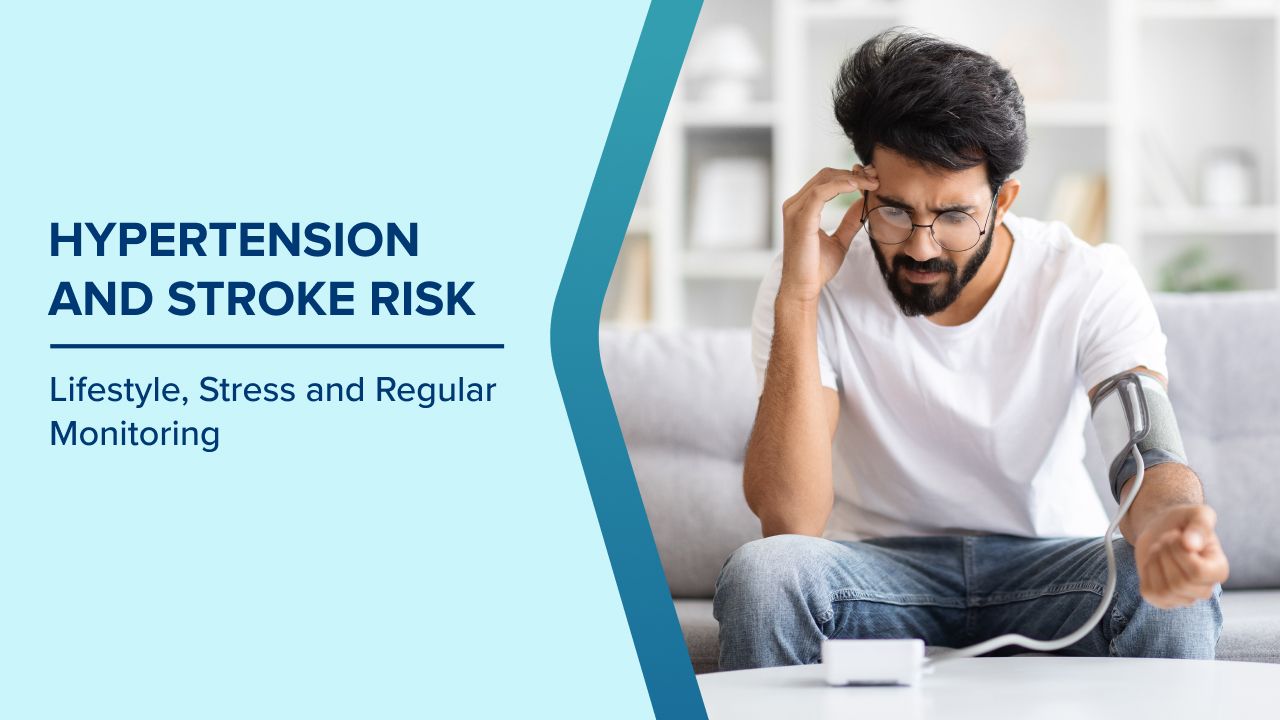
High blood pressure, also known as hypertension, is one of the leading causes of stroke. What makes it especially dangerous is that it often develops silently, without noticeable symptoms, while gradually damaging blood vessels in the brain and throughout the body.
Many people associate stroke with sudden medical emergencies, but the process leading to a stroke often develops over several years. Uncontrolled hypertension weakens and stiffens blood vessels, increasing the likelihood of blockage or rupture inside the brain. The good news is that even small, consistent lifestyle changes can significantly lower the risk.
Understanding how hypertension contributes to stroke and learning practical ways to manage it can help protect long-term brain and cardiovascular health.
Understanding the Link Between Hypertension and Stroke
Blood pressure is the force exerted by blood against artery walls. When this pressure remains consistently high, blood vessels experience ongoing stress and damage.
Over time, hypertension can:
- Narrow and hardened arteries
- Reduce blood flow to the brain
- Weaken blood vessel walls
- Increase the risk of blood clots
- Raise the chances of vessel rupture
These changes make strokes more likely to occur.
What Happens During a Stroke?
A stroke occurs when part of the brain loses its blood supply. Brain cells begin to die within minutes if oxygen delivery is interrupted.
There are two main types of stroke linked to hypertension:
Ischaemic Stroke
This is the most common type and occurs when a blood clot blocks an artery supplying the brain. Hypertension accelerates artery narrowing and clot formation.
Haemorrhagic Stroke
This occurs when a weakened blood vessel bursts and causes bleeding inside the brain. Long-standing high blood pressure is one of the strongest risk factors for this type of stroke.
Why Hypertension Often Goes Unnoticed
Many individuals with high blood pressure feel completely normal for years. Because symptoms may not appear until complications develop, hypertension is often called a “silent” condition.
Some people may occasionally experience:
- Headaches
- Dizziness
- Blurred vision
- Fatigue
- Palpitations
However, relying on symptoms alone is risky. Regular blood pressure monitoring remains essential.
How Lifestyle Habits Influence Stroke Risk
Stroke prevention is not based on a single change. Daily habits collectively influence blood pressure control, blood vessel health, and overall circulation.
Small improvements maintained consistently over time can have a major impact on reducing stroke risk.
Simple Lifestyle Changes That Help
Reduce Excess Salt Intake
High sodium intake contributes to fluid retention and increased blood pressure. Processed foods, packaged snacks, instant meals, sauces, and restaurant foods often contain hidden salt.
Simple ways to reduce sodium include:
- Cooking more meals at home
- Choosing fresh foods over processed options
- Using herbs and spices for flavour
- Limiting packaged snacks and fast food
Even modest reductions in salt intake may help improve blood pressure control.
Stay Physically Active
Regular movement supports healthy circulation, improves blood vessel flexibility, and helps regulate blood pressure.
Activities that may help include:
- Brisk walking
- Cycling
- Swimming
- Light jogging
- Yoga or stretching exercises
Consistency matters more than intensity. Moderate activity performed regularly is often more beneficial than occasional strenuous exercise.
Maintain a Healthy Weight
Excess body weight places additional strain on the heart and blood vessels. It also increases the risk of diabetes, sleep apnoea, and metabolic problems that further elevate stroke risk.
Gradual, sustainable weight management supports better blood pressure regulation and overall cardiovascular health.
Prioritise Quality Sleep
Poor sleep and irregular sleep schedules can affect hormone balance, stress levels, and blood pressure control.
Sleep-related conditions such as obstructive sleep apnoea are strongly associated with both hypertension and stroke risk.
Healthy sleep habits include:
- Maintaining consistent sleep timings
- Reducing screen exposure before bed
- Avoiding heavy meals late at night
- Creating a quiet sleep environment
Manage Stress More Effectively
Chronic stress activates hormones that temporarily increase blood pressure. When stress becomes persistent, these repeated spikes may contribute to long-term hypertension.
Stress management techniques may include:
- Deep breathing exercises
- Meditation
- Mindfulness practices
- Spending time outdoors
- Regular physical activity
- Limiting excessive work-related strain
Managing stress does not eliminate life pressures, but it can reduce the body’s harmful physiological response.
Limit Tobacco and Alcohol
Smoking damages blood vessels directly and significantly increases stroke risk. Tobacco also accelerates artery narrowing and reduces oxygen delivery.
Excessive alcohol intake may raise blood pressure and contribute to irregular heart rhythms that increase stroke risk.
Reducing or avoiding these habits offers major long-term cardiovascular benefits.
Pay Attention to Morning Blood Pressure
Some individuals experience significant blood pressure spikes during early morning hours. These surges may increase stroke risk because blood vessels are exposed to sudden pressure changes shortly after waking.
Home blood pressure monitoring can help detect patterns that may otherwise go unnoticed during routine clinic visits.
Why Regular Monitoring Matters
Many strokes occur in people who were unaware that their blood pressure was poorly controlled.
Regular monitoring helps:
- Detect hypertension early
- Assess treatment effectiveness
- Identify dangerous blood pressure patterns
- Prevent long-term organ damage
People with risk factors, such as diabetes, obesity, kidney disease, or a family history of hypertension, should be especially vigilant.
Small Daily Choices Create Long-Term Protection
One of the biggest misconceptions about stroke prevention is that major lifestyle overhauls are required immediately. In reality, sustainable daily habits are often more effective than extreme short-term efforts.
Simple choices such as walking regularly, reducing processed foods, improving sleep, and monitoring blood pressure consistently can collectively lower stroke risk over time.
When to Seek Medical Attention
Immediate medical attention is essential if symptoms of a stroke appear suddenly.
Warning signs may include:
- Sudden weakness or numbness on one side of the body
- Difficulty speaking or understanding speech
- Sudden confusion
- Loss of balance or coordination
- Severe headache
- Vision changes
Early treatment can significantly improve outcomes and reduce long-term disability.
Conclusion
Hypertension remains one of the most important preventable causes of stroke. Because high blood pressure often develops silently, many individuals remain unaware of the damage occurring inside their blood vessels until serious complications arise.
The encouraging reality is that small, consistent lifestyle changes can make a meaningful difference. Improving diet, staying physically active, sleeping well, managing stress, and monitoring blood pressure regularly all contribute to lower stroke risk and better long-term health.
Protecting brain health often begins with the everyday decisions made long before symptoms appear.
Frequently Asked Questions
Can mild hypertension still increase stroke risk?
Yes, even mildly elevated blood pressure can gradually damage blood vessels and increase stroke risk over time.
How often should blood pressure be checked?
People with hypertension or risk factors should monitor their blood pressure regularly as advised by their doctor.
Does stress alone cause strokes?
Stress itself may not directly cause a stroke, but chronic stress can worsen blood pressure and other cardiovascular risk factors.
Can young adults develop hypertension-related stroke risk?
Yes, poor diet, obesity, smoking, stress, and sedentary lifestyles are increasing hypertension rates in younger adults.
Is exercise safe for people with hypertension?
In most cases, moderate physical activity is beneficial and supports blood pressure control, though exercise plans should be guided by individual health conditions.
Can lifestyle changes reduce the need for medication?
Healthy lifestyle habits can improve blood pressure control, but medication decisions should always be made by a healthcare professional.
Written and Verified by:

Related Blogs

Dr. Chandril Chugh In Neurosciences , Interventional Neurology
Nov 08 , 2020 | 1 min read

Dr. Chandril Chugh In Neurosciences , Interventional Neurology
Nov 08 , 2020 | 2 min read
Blogs by Doctor

Monsoon Maladies - Most Common Diseases
Dr. Manoj Khanal In Neuro Oncology
Jun 27 , 2014 | 1 min read

Feeling Numbness? It Could be A Stroke- Beware!
Dr. Manoj Khanal In Neurosciences
Sep 02 , 2016 | 3 min read
Most read Blogs


Related Blogs
Dr. Chandril Chugh In Neurosciences , Interventional Neurology
Nov 08 , 2020 | 1 min read
Dr. Chandril Chugh In Neurosciences , Interventional Neurology
Nov 08 , 2020 | 2 min read
Blogs by Doctor
Monsoon Maladies - Most Common Diseases
Dr. Manoj Khanal In Neuro Oncology
Jun 27 , 2014 | 1 min read
Feeling Numbness? It Could be A Stroke- Beware!
Dr. Manoj Khanal In Neurosciences
Sep 02 , 2016 | 3 min read
Most read Blogs