 WhatsApp Us (24/7)
 +91 926 888 0303 (24/7)


To Book an Appointment
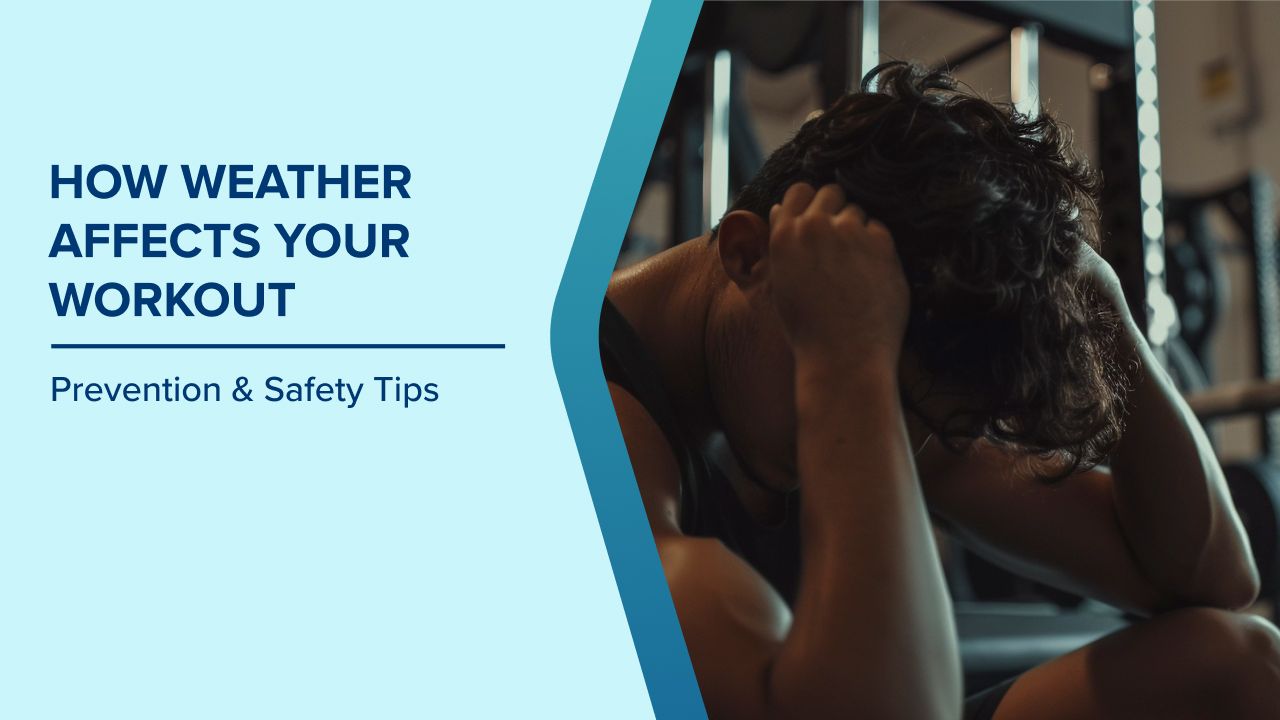
Call Us+91 926 888 0303How Weather Affects Your Workout: Prevention & Safety Tips
By Dr. Gaurav Gupta in Orthopaedics & Joint Replacement , Arthroscopy & Sports Injury
Jan 09 , 2026

Seasonal transitions affect the body in more ways than most gym goers realise. Whether it is the arrival of winter, the shift toward humid weather, or a sudden rise in temperature, your muscles, breathing pattern, stamina, and hydration levels respond differently when the climate changes. These changes are subtle, but they can influence the way your body handles workouts. This is why many people experience discomfort, stiffness, lower performance, sudden fatigue, or unexpected injuries during such periods.
What makes this even more challenging is that the usual workout routine that feels comfortable in one season may not be safe for another. From skipping warm-up in cold weather to pushing too hard during humid days, these mistakes can lead to avoidable strain. Understanding how the weather affects your fitness is the first step toward safer and more effective training.
How Weather Change Affects Your Body During Workouts
Before diving into the mistakes, it is helpful to understand what weather does to your body. Temperature, humidity, moisture in the air, and airflow inside the gym can influence comfort, muscle performance, and overall stamina. Weather change can lead to:
- Slower muscle flexibility in winter
- Faster dehydration in warmer climates
- Breathing difficulty in high humidity
- Higher risk of joint stiffness in colder months
- Quicker fatigue when temperatures rise
- Difficulty cooling down when ventilation is poor
When you know how these factors affect you, it becomes easier to adjust your gym habits accordingly.
Common Gym Mistakes People Make During Weather Changes
Below are some of the most frequent mistakes that harm progress and increase the risk of injury at the gym when the season shifts.
Skipping Warm-Up During Cold Weather
Cold temperatures naturally reduce muscle elasticity. This means your muscles take longer to reach their optimal state for exercise. Many people walk into the gym and start lifting or running without preparing their bodies, which increases the chance of muscle pull or joint strain.
How to avoid this mistake
- Spend extra time warming up in winter
- Include gentle mobility movements and light cardio
- Increase blood flow before touching any equipment
A few minutes of preparation can prevent a long period of recovery.
Wearing the Wrong Gym Clothing for the Season
Clothing plays a major role in regulating body temperature. Wearing heavy layers in a warm gym or thin clothing in cold conditions can interfere with how your body responds to exercise. When the temperature drops, inadequate coverage can lead to stiffness. When it rises, thick material can trap sweat, causing overheating.
Prevention tips
- Choose moisture-absorbing fabric in warm weather
- Pick comfortable layered clothing in colder months
- Avoid cotton when the humidity is high
- Change out of damp clothes quickly after exercising
Your clothing should support your workout, not hold you back.
Ignoring Hydration During Humid or Cold Weather
Hydration mistakes are common during weather changes because many people do not feel thirsty in cold weather. On the other hand, in humid weather, sweating may feel less obvious since moisture does not evaporate easily. Both conditions increase the risk of dehydration without you realising it.
Signs you are not hydrating enough
- Headaches
- Sudden fatigue
- Lightheadedness
- Muscle cramps
How to stay hydrated
- Drink small amounts frequently
- Include fluids before and after workouts
- If sweating heavily, add electrolyte rich drinks
Hydration is important regardless of the season.
Conclusion
Weather change influences how the body responds to training. By being aware of temperature, hydration, ventilation, and workout intensity, you can stay consistent without risking injury. Small adjustments help you stay active, comfortable, and safe throughout every season.
Written and Verified by:

Related Blogs


Dr. Ashish Jain In Orthopaedics & Joint Replacement
Nov 07 , 2020 | 1 min read
Blogs by Doctor

Most read Blogs


Related Blogs
Dr. Ashish Jain In Orthopaedics & Joint Replacement
Nov 07 , 2020 | 1 min read
Blogs by Doctor
Most read Blogs