 WhatsApp Us (24/7)
 +91 926 888 0303 (24/7)


To Book an Appointment
Call Us+91 926 888 0303Can’t Stop Overthinking? Simple Strategies to Regain Control
By Dr. Madhusudan Singh Solanki in Mental Health And Behavioural Sciences
Jun 30 , 2025 | 10 min read
12

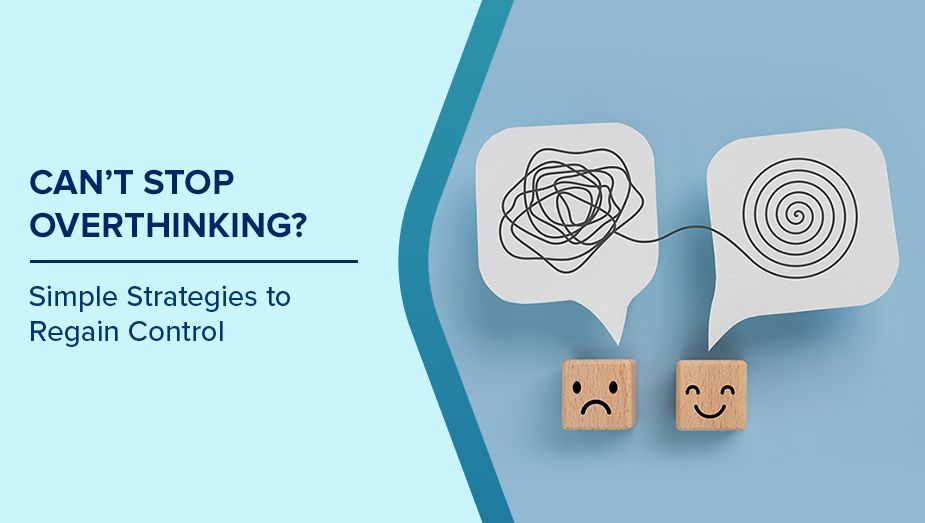
Overthinking feels like the mind is stuck in a loop, going over the same worries again and again. This constant replaying of thoughts can lead to stress, self-doubt, and mental exhaustion, ultimately affecting your mental health. These feelings may seem overwhelming, but it’s important to remember that you’re not alone and with the right approach, you can reclaim your peace of mind. To help, in this article, we’ll explore what overthinking is, what causes it, and simple strategies to regain control. Let’s start by understanding the problem.
What is Overthinking?
Overthinking is when your mind repeatedly focuses on the same thoughts, often about situations, problems, or decisions. This cycle of thinking can go on for hours, even days and weeks. That said, it’s different from simply thinking things through; overthinking often involves imagining worst-case scenarios or endlessly analysing small details that may not even matter in the long run.
This constant mental chatter is strongly linked to negative thinking. When you overthink, your thoughts often centre around doubts, fears, or things that make you anxious. Negative thoughts can make overthinking worse by adding more worry and stress into the mix. As you keep focusing on these negative thoughts, it becomes harder to escape the cycle, and your emotions can spiral out of control, making it difficult to relax or feel at ease.
What are the Common Triggers of Overthinking?
Overthinking can be triggered by a variety of factors, each often tied to stress, uncertainty, or emotional strain. Some of the most common triggers include:
- Uncertainty or Lack of Control: When situations are unpredictable or out of your control, it can lead to constant worry. Not knowing what will happen next can cause your mind to overanalyse every possible outcome, imagining all the “what-ifs” that might occur.
- Past Experiences and Regret: If you've made mistakes or faced difficult situations in the past, your mind might fixate on them. You might find yourself replaying those moments, questioning what you could have done differently, or feeling guilty, which can spiral into overthinking.
- Pressure and Expectations: Both external pressures, like deadlines or demands from others, and internal pressures, like trying to meet your own high standards, can push you into overthinking. The fear of not measuring up or letting others down can make you dwell on decisions or actions for longer than necessary.
- Stressful Life Events: Major life changes, such as starting a new job, divorce, loss of loved ones, relational stress, moving to a new place, or dealing with health problems, can overwhelm you. These changes often bring uncertainty, making it hard to focus on the present and easy to get stuck in a cycle of overthinking about the future.
- Social Interactions and Relationships: Overthinking is often triggered by social situations, particularly when you worry about how others perceive you. You might replay conversations, wondering if you said the wrong thing or what others thought of you, leading to unnecessary stress.
- Perfectionism: For those who have high expectations of themselves, even small mistakes or imperfections can trigger overthinking. The desire to do everything perfectly can lead you to over-analyse details and exhaust yourself trying to get everything just right.
These triggers cause emotional strain and leave your mind racing with doubts, which only feeds into the cycle of overthinking.
Read More:- Key Factors Affecting Mental Health & Proven Tips to Boost It
Signs You’re Stuck in a Cycle of Overthinking
Overthinking often creeps in slowly and becomes a habit before it’s even noticed. It can affect the way you think, feel, and act in everyday life. Some common signs that show you might be caught in a cycle of overthinking include:
- Constantly replaying situations: Going over past conversations or events again and again, thinking about what could have been done differently, or worrying about how others might have seen you.
- Struggling to make decisions: Even small choices, like what to wear or what to eat, can feel stressful. You might go back and forth between options, afraid of making the wrong one.
- Difficulty sleeping: A busy mind full of racing thoughts can make it hard to relax at night. You may lie awake thinking about problems, regrets, or future plans.
- Always thinking about the worst-case scenario: You often imagine things going wrong, even when there’s no strong reason to worry. This can lead to anxiety and stop you from enjoying the moment.
- Feeling mentally drained: Overthinking takes a lot of mental energy. You may feel tired, even without doing much physically, because your mind has been overworking all day.
- Seeking too much reassurance: You may keep asking others for their opinions or confirmation, because you’re unsure about your own choices or feelings.
- Struggling to stay in the present: Your mind keeps drifting to the past or the future, making it hard to stay focused on what’s happening right now.
Recognising these signs can be the first step towards breaking the cycle. Overthinking can feel overwhelming, but noticing its patterns makes it easier to manage.
Simple Strategies to Stop Overthinking
Breaking free from overthinking doesn’t always require big changes. The aim is not to stop all thoughts but to stop getting stuck in the ones that cause stress or doubt. Here are some simple ways to manage overthinking and reduce negative thoughts:
Pause and Notice Your Thoughts
One of the first steps to manage overthinking is to become aware that it’s happening. This means gently noticing when the mind starts repeating the same worries or doubts. Paying attention in a calm way—not with frustration—can help break the cycle. Instead of getting pulled deeper into those thoughts, take a moment to pause and recognise what’s going on. Awareness gives space to choose how to respond, instead of reacting on impulse.
Write Things Down
Writing is a simple but powerful way to manage overthinking. When thoughts feel too much to handle, putting them on paper can help organise them. This makes it easier to understand what’s really bothering you and what may not need attention right now. It also helps clear the mind, as thoughts often feel more manageable when they’re outside your head.
Set a Time Limit for Thinking
Giving yourself a set amount of time to think about a situation can prevent the mind from going in circles. For example, spend ten minutes thinking about a problem, then gently stop and shift your focus to something else. This practice helps avoid getting stuck for hours and teaches the brain to let go when thinking is no longer helpful.
Focus on What Can Be Controlled
Overthinking often centres around things that feel uncertain or out of reach. Try to separate what can be changed from what can’t. Focus energy on actions within your control, even if they are small. This shift can reduce feelings of helplessness and make things feel more manageable.
Practice Calming Activities
Doing something that relaxes the body can also calm the mind. Deep breathing, pranayam, walking, gentle stretches, listening to calming music, or spending a few quiet minutes in nature can help slow down racing thoughts. These activities give the brain a chance to rest and reset, even during a stressful day.
Challenge Negative Thoughts Gently
Not every thought the mind produces is true or useful. When a negative thought appears, pause and ask: “Is this really true?” or “Is there another way to see this?” This gentle questioning can stop the thought from growing stronger and help you respond in a more balanced way. Over time, this reduces the power of harsh or unhelpful thinking patterns.
Keep Your Surroundings Uncluttered and Clean
A cluttered space can add to a cluttered mind. Keeping the environment tidy, organised, and quiet can support a calmer mental state. Even small changes, like clearing a desk or turning off noisy devices, can make it easier to concentrate and feel more at ease.
Create a Worry Schedule
Instead of letting worries take over the whole day, set aside a fixed time (e.g., 15 minutes in the evening) just for worrying. When worried thoughts come up earlier, remind yourself you'll think about them later. This builds mental boundaries and reduces constant stress.
Practice the 5-4-3-2-1 Grounding Technique
This method helps anchor you to the present. Focus on:
- 5 things you can see
- 4 things you can feel
- 3 things you can hear
- 2 things you can smell
- 1 thing you can taste
It brings attention away from anxious thoughts and back to your senses.
Establish a Wind-Down Routine
Overthinking often worsens at night. Try to follow a calm routine before bed—limit screen time, read something light, or take a warm shower. A consistent wind-down ritual can help signal your brain it’s time to rest.
Use the "Change the Channel" Method
When you catch yourself stuck in an unhelpful thought loop, picture your brain as a TV. Mentally "change the channel" to a lighter or more neutral topic. This redirection helps train your brain to switch away from distressing content.
Ask for Help
Don’t hesitate to reach out to someone you trust. Sometimes just sharing what’s on your mind can relieve the pressure. If overthinking affects your daily life, speaking to a therapist can make a real difference.
Read More:- Preventing Mental Illness: A Path to Well-Being and Balance
When to Seek Professional Help?
If overthinking starts affecting daily life, making it hard to function, or causing extreme emotional distress, it may be time to seek professional help.
Here are some signs that it might be time to reach out for support:
When Overthinking Leads to Anxiety or Depression
If your overthinking is causing feelings of constant worry, anxiety, or sadness, and these feelings don’t seem to go away, professional help can provide the tools to manage these emotions. Overthinking can sometimes lead to or worsen mental health conditions like anxiety or depression.
When You Can’t Stop Overthinking, Even with Effort
If you’ve tried different methods to stop the cycle of overthinking but it still feels uncontrollable, a professional therapist or counsellor can help break the cycle. They can guide you through techniques that work specifically for your situation.
When Overthinking Affects Your Sleep or Health
If overthinking is keeping you awake at night or affecting your overall health, such as causing physical tension, headaches, or stomach problems, it's important to consult a professional. Your health and well-being can be at risk if overthinking is leading to chronic stress.
When Overthinking Interferes with Your Relationships
Overthinking can lead to misunderstandings and unnecessary arguments in relationships. If you find yourself questioning everything or feeling overwhelmed by your interactions with others, it might be helpful to talk to a professional who can help you gain perspective.
When You Feel Helpless or Hopeless
If you’ve been feeling stuck or unable to break free from a pattern of negative thinking, or if overthinking is making you feel hopeless, speaking with a mental health professional can provide much-needed support. They can offer coping strategies and ways to regain control over your thoughts and emotions.
Consult Today
When the mind feels trapped in endless loops of doubt, worry, and fear, it can quietly take a toll on both your emotional and physical well-being. If these patterns begin to interfere with sleep, daily decisions, or relationships, it might be time to reach out for support. At Max Hospital, our trained psychiatrists and psychologists are here to help you understand the root of persistent overthinking and guide you towards healthier thinking patterns. If you're ready to take that first step towards better mental health, reach out to us today.
Frequently Asked Questions
Can overthinking affect physical health?
Yes, it can. Overthinking may lead to symptoms like headaches, muscle tension, digestive discomfort, and constant fatigue. When stress builds up from ongoing mental strain, it can start to affect the body too.
Is there a link between overthinking and anxiety or depression?
Overthinking often overlaps with anxiety and depression. In some cases, it may be a sign of these conditions, especially when it starts to interfere with daily life or causes emotional distress.
Why do some people tend to overthink more than others?
This can depend on a person’s personality, past experiences, and even their environment. People who are self-critical, perfectionists, or who’ve experienced trauma may be more likely to overthink.
Does overthinking interfere with sleep?
Very often, yes. Many people find that their minds race the most when they lie down to rest. These racing thoughts can make it difficult to fall asleep or stay asleep through the night.
Is overthinking ever helpful?
There are times when thinking things through carefully is useful. But when thoughts become repetitive and unproductive, they stop being helpful and start causing unnecessary stress.
Can changes in lifestyle help reduce overthinking?
Yes, small lifestyle changes like regular physical activity, healthy eating, better sleep routines, and time spent in quiet or natural settings can support a calmer mind.
How can I support someone who struggles with overthinking?
Try to be patient and listen without trying to fix things right away. Encouraging them to speak openly, helping them feel heard, and suggesting professional help if needed can make a real difference.
Will overthinking ever fully go away?
Most people experience overthinking at some point. The goal isn’t to stop it entirely but to learn how to manage it in a way that feels less overwhelming and more balanced.
Written and Verified by:

Related Blogs

Dr. Prashant Gupta In Mental Health And Behavioural Sciences , Psychiatry
Nov 08 , 2020 | 5 min read

Blogs by Doctor

How Reading is a Stress Buster
Dr. Madhusudan Singh Solanki In Clinical Psychology
Feb 06 , 2020 | 1 min read

Taking care of mental health during lockdown
Dr. Madhusudan Singh Solanki In Mental Health And Behavioural Sciences
May 14 , 2020 | 4 min read
Most read Blogs


Related Blogs
Dr. Prashant Gupta In Mental Health And Behavioural Sciences , Psychiatry
Nov 08 , 2020 | 5 min read
Blogs by Doctor
How Reading is a Stress Buster
Dr. Madhusudan Singh Solanki In Clinical Psychology
Feb 06 , 2020 | 1 min read
Taking care of mental health during lockdown
Dr. Madhusudan Singh Solanki In Mental Health And Behavioural Sciences
May 14 , 2020 | 4 min read
Most read Blogs