 WhatsApp Us (24/7)
 +91 926 888 0303 (24/7)


To Book an Appointment
Call Us+91 926 888 0303Dark Circles Demystified: Causes, Risk Factors and Treatment Options
By Dr. Ajita Bagai Kakkar in Dermatology
Jul 11 , 2025 | 8 min read

Dark circles under the eyes, though more common in older adults, are a common concern that can affect people of all ages, genders, and ethnicities. Despite their prevalence, the exact causes behind dark circles can be elusive, which has resulted in various myths and misinformation about them. This article aims to shed light on the true nature of dark circles, exploring their underlying causes, identifying the risk factors that may exacerbate them, and offering a comprehensive overview of the most effective treatment options available. Whether you’re seeking to understand the biology behind dark circles or looking for practical solutions to reduce their appearance, this guide is designed to provide clarity and actionable insights. Let’s start with the basics.
What are Dark Circles Under the Eyes?
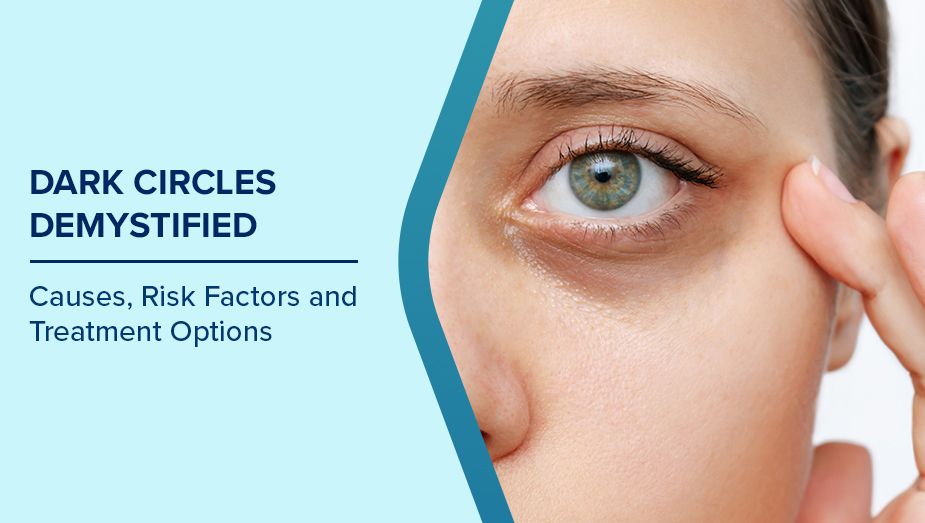
Dark circles under the eyes, also known as periorbital hyperpigmentation, refer to the discoloration or darkening of the skin beneath the eyes. Depending on skin tone and individual factors, these circles can vary in colour and could be blue, purple, brown, or black. The skin around the eyes is thinner and more delicate than other areas of the face, making it particularly susceptible to changes in colour and texture. Moreover, in affected individuals, the blood vessels under the eyes can become more prominent, leading to a bluish tint, or pigmentation changes can occur, causing brown or black discoloration.
What Causes Dark Circles Under the Eyes?
Dark circles under the eyes can be attributed to various factors, often working in combination. Understanding these causes is crucial for effectively addressing and managing their appearance. Here are some of the primary causes:
- Genetics: Genetic predisposition plays a significant role in the development of dark circles. If your parents or close relatives have dark circles, you are more likely to develop them as well.
- Dermatitis: Conditions like eczema and contact dermatitis can cause inflammation and pigmentation changes around the eyes, leading to dark circles.
- Rubbing the eyes: Frequent rubbing or touching the eyes can cause the delicate skin around the eyes to become irritated and darken over time.
- Lack of sleep: Inadequate sleep can cause the skin to become pale and dull, making the blood vessels beneath the eyes more visible and giving the appearance of dark circles.
- Hyperpigmentation: Excess melanin production can cause dark pigmentation under the eyes, which is more common in people with darker skin tones.
- Dehydration: When the body is dehydrated, the skin under the eyes can appear dull and sunken, highlighting dark circles.
- Lifestyle factors: Poor diet, smoking, and excessive alcohol consumption can contribute to the appearance of dark circles.
- Allergies (such as hay fever): Allergic reactions can cause itching, swelling, and fluid accumulation under the eyes, leading to dark circles.
- Reduced fatty tissue around the eyes: As we age, the loss of fatty tissue and collagen around the eyes can make blood vessels more visible, resulting in dark circles.
- Thinning skin under the eyes: Aging also causes the skin to thin, making the blood vessels under the eyes more prominent.
- Iron deficiency/Anaemia: Low levels of iron can reduce oxygen supply to the tissues, causing the skin under the eyes to darken.
- Overexposure to sunlight: Excessive sun exposure can increase melanin production, leading to pigmentation changes and dark circles.
- Thyroid conditions: Thyroid problems can affect the skin, leading to puffiness and discoloration under the eyes.
By identifying the underlying cause of dark circles, individuals can tailor their approach to treatment and prevention, achieving better and more lasting results.
Read More:- Air Pollution and Eye Irritation: Exploring the Link and Solution
What Are the Risk Factors for Dark Circles Under the Eyes?
Dark circles can affect anyone, but certain factors increase the likelihood of developing them. Understanding these risk factors can help in both prevention and management.
- Nonwhite heritage: People with darker skin tones are more prone to hyperpigmentation around the eyes due to higher melanin levels. This makes dark circles more noticeable and persistent.
- Older age: As we age, the skin naturally loses collagen and elasticity, becoming thinner and more translucent. This makes the blood vessels under the eyes more visible, contributing to the appearance of dark circles.
- Genetics: A family history of dark circles can significantly increase your risk. Genetic factors influence skin thickness, pigmentation, and predisposition to conditions like allergies that can cause dark circles.
Who is at a Higher Risk of Developing Under-Eye Dark Circles?
- Elderly individuals: Ageing leads to thinning skin and loss of fatty tissue around the eyes, making dark circles more prominent.
- Individuals with a genetic predisposition: If dark circles run in your family, you are more likely to develop them, regardless of lifestyle or health status.
- People with a high melanin concentration: Those with darker skin tones are more susceptible to pigmentation issues, including dark circles.
- Individuals with certain medical conditions: Conditions such as eczema, allergies, anaemia, and thyroid disorders can contribute to the development of dark circles.
- Individuals with a sedentary lifestyle: Lack of physical activity can lead to poor circulation and fluid retention, both of which can enhance the appearance of dark circles.
- People with poor sleep patterns: Chronic lack of sleep can cause skin to appear paler, making blood vessels and dark tissues under the eyes more apparent.
By recognising these risk factors, individuals can take proactive steps to mitigate the development of dark circles through lifestyle changes, medical treatments, and proper skincare.
Read More:- Eye Flu: Symptoms, Precautions, and At-Home Remedies
How are Dark Circles Under Eyes Treated?
Treating dark circles under the eyes may involve a combination of home remedies and medical treatments. The choice of treatment depends on the underlying cause and the severity of the dark circles.
Home treatment
- Get more sleep: Ensuring you get sufficient and quality sleep can help reduce the appearance of dark circles. Aim for 7-9 hours of sleep per night to allow your body to rest and repair.
- Use more pillows: Elevating your head with an extra pillow can prevent fluid from pooling under your eyes, which can reduce puffiness and dark circles.
- Cold compress: Applying a cold compress can constrict blood vessels and reduce swelling, making dark circles less noticeable. Use a cold washcloth, chilled cucumber slices, or a bag of frozen peas for this purpose.
- Facials: Regular facials that include gentle massage can improve circulation around the eyes, helping to reduce dark circles.
- Makeup: Using concealers and colour correctors can effectively hide dark circles temporarily. Choose a shade that matches your skin tone and provides good coverage.
Medical treatment options
- Topical creams and bleaching agents: Products containing ingredients like hydroquinone, retinoids, and kojic acid can help lighten hyperpigmented areas under the eyes.
- Chemical peels: Mild chemical peels with alpha hydroxy acids (AHAs) can help lighten dark pigmentation and improve skin texture.
- Laser therapy: Laser treatments can target pigmentation and stimulate collagen production, reducing the appearance of dark circles.
- Tissue fillers: Injecting fillers like hyaluronic acid under the eyes can help plump up the skin and reduce the visibility of blood vessels and pigmentation.
- Eyelid surgery: Also known as blepharoplasty, this surgical procedure can remove excess skin and fat from the eyelids, reducing the appearance of dark circles.
- Platelet-Rich Plasma (PRP) injections: PRP therapy uses your blood’s platelets to stimulate collagen production and improve skin texture and tone, reducing dark circles.
- Kojic acid: This natural skin-lightening agent can help reduce pigmentation and brighten the skin under the eyes.
- Azelaic acid: An effective treatment for hyperpigmentation, azelaic acid can help lighten dark circles caused by increased melanin production.
- Topical vitamin C: Known for its antioxidant properties, vitamin C can brighten the skin and reduce the appearance of dark circles.
Combining home remedies with medical treatments can provide comprehensive care for reducing dark circles. Consulting with a dermatologist or healthcare provider is recommended to determine the most effective treatment plan tailored to individual needs.
How can Dark Circles Under Eyes Be Prevented?
Preventing dark circles involves making lifestyle changes and adopting healthy habits that protect and nourish the delicate skin around the eyes. Here are some effective strategies:
- Use sun protection: Protecting your skin from the sun’s harmful UV rays can prevent pigmentation changes and skin damage. Apply a broad-spectrum sunscreen with at least SPF 30, wear sunglasses, and consider wearing a wide-brimmed hat when outdoors.
- Adjust your sleep schedule: Ensure you get enough sleep each night. Aim for 7-9 hours of quality sleep to help your body repair and regenerate skin cells, which can reduce the appearance of dark circles.
- Reduce stress: Chronic stress can take a toll on your skin, including the delicate area under your eyes. Practice stress-reducing activities such as yoga, meditation, or deep breathing exercises to help maintain healthy skin.
- Cut down on drinking: Excessive alcohol consumption can dehydrate the skin and dilate blood vessels, making dark circles more prominent. Reducing your alcohol intake can help keep your skin hydrated and healthy.
- Quit smoking/using tobacco products: Smoking and tobacco use can damage the skin and reduce blood flow, contributing to the appearance of dark circles. Quitting smoking can improve overall skin health and reduce under-eye discolouration.
By incorporating these preventive measures into your daily routine, you can help maintain a healthy, youthful appearance and minimise the risk of developing dark circles under your eyes.
Read More:- Blurry Vision: Common Causes and When to Seek Medical Help
Last Words
Understanding and addressing dark circles under the eyes involves a combination of lifestyle changes, home remedies, and, when necessary, medical treatments. While many can find effective solutions through these means, sometimes professional guidance is essential to tackle stubborn or severe cases. If you find that dark circles persist despite your best efforts, it is advisable to consult with a specialist. Max Hospitals, with a team of experienced dermatologists and healthcare professionals, and cutting edge technology, is ideally equipped to provide the best possible treatment and care for dark circles.
Written and Verified by:

Related Blogs


Blogs by Doctor

9 Dry Skin Treatment and Prevention Tips from Dermatologist
Dr. Ajita Bagai Kakkar In Dermatology
Mar 13 , 2015 | 3 min read
Most read Blogs


Related Blogs
Blogs by Doctor
9 Dry Skin Treatment and Prevention Tips from Dermatologist
Dr. Ajita Bagai Kakkar In Dermatology
Mar 13 , 2015 | 3 min read
Most read Blogs