 WhatsApp Us (24/7)
 +91 926 888 0303 (24/7)


To Book an Appointment
Call Us+91 926 888 0303How to Maintain Healthy Pregnancy Weight: Diet & Exercise
By Dr. Kamna Nagpal in Infertility & IVF , Obstetrics And Gynaecology
Mar 16 , 2026

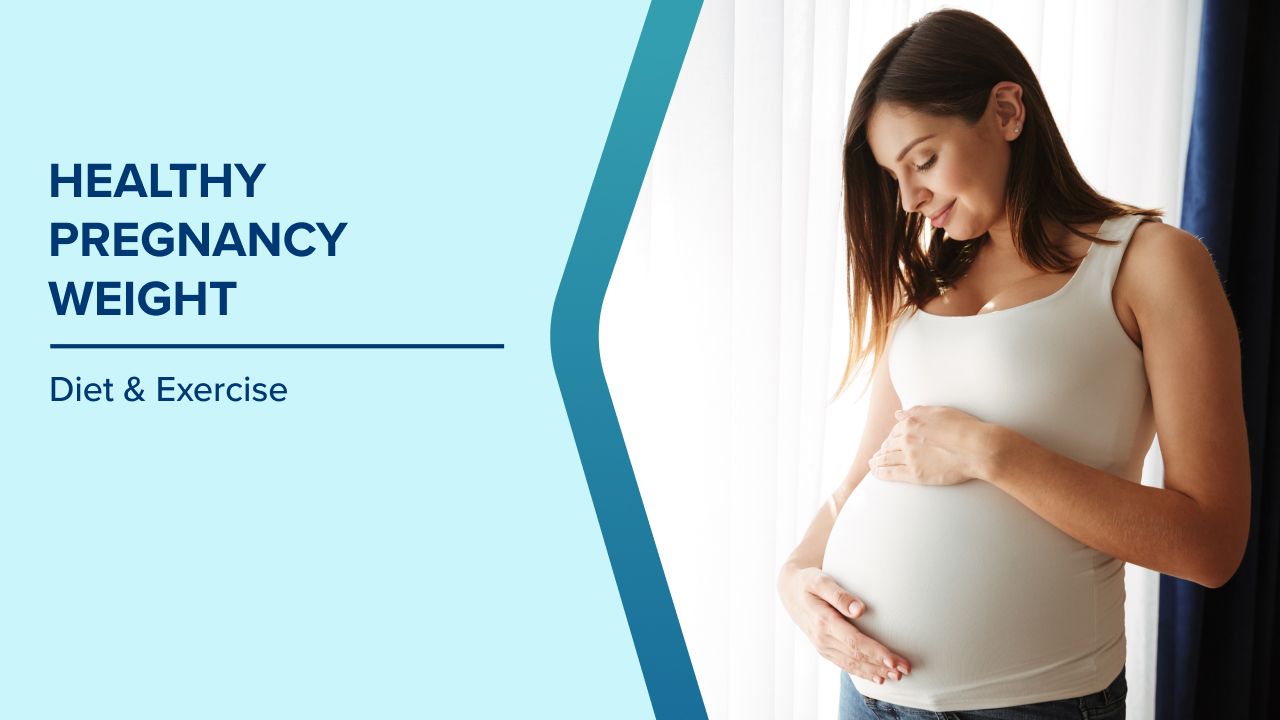
Pregnancy is an incredible journey of transformation, and one of the most visible changes is the growing number on the scale. For many people, a changing body and gaining weight can be a source of anxiety or confusion, especially with so much conflicting information around. Remember that gaining weight during pregnancy is normal, healthy, and necessary for your baby’s growth and your overall well-being. It reflects the remarkable preparations your body makes to support your growing baby.
Why Is Weight Gain Necessary for a Healthy Pregnancy?
Gaining weight is a fundamental part of pregnancy. It provides the resources your body needs to nourish your baby, support healthy development, and prepare for birth and breastfeeding. Pregnancy weight gain is not simply a number on the scale; it represents several important components that work together to ensure a safe and healthy pregnancy.
Where Does the Weight Go?
The weight gained during pregnancy is distributed across different parts of your body, each contributing to your baby’s development and overall pregnancy health.
- Baby: The baby accounts for the largest portion, typically weighing around 7 to 8 pounds at birth.
- Amniotic Fluid: This protective fluid adds about 2 pounds.
- Placenta: The organ that nourishes and supports your baby weighs roughly 1.5 pounds.
- Enlarged Uterus: As your uterus grows to accommodate the baby, it adds about 2 pounds.
- Increased Blood Volume: Your body produces around 3 to 4 pounds of extra blood during pregnancy.
- Breast Tissue: Preparing for breastfeeding adds about 1 to 3 pounds.
- Extra Fluid and Fat Stores: These essential reserves provide energy and support for labour and breastfeeding, adding approximately 6 to 8 pounds.
Understanding how this weight is distributed helps you view your overall weight gain from a healthier, more informed perspective.
How Much Weight Should You Gain?
The recommended amount of weight gain depends largely on your Body Mass Index (BMI) before pregnancy. This is an important part of prenatal care and should always be discussed with your healthcare provider.
BMI-Based Recommendations for a Single Pregnancy
- Underweight (BMI below 18.5): 28 to 40 pounds
- Normal Weight (BMI 18.5 to 24.9): 25 to 35 pounds
- Overweight (BMI 25 to 29.9): 15 to 25 pounds
- Obese (BMI 30 or higher): 11 to 20 pounds
If you are carrying twins or multiples, your doctor will guide you on higher, personalised weight gain recommendations.
The Rate of Weight Gain by Trimester
The pace of weight gain is just as important as the total amount:
- First Trimester: Minimal weight gain, usually 1 to 5 pounds in total. Some people may lose weight due to morning sickness.
- Second Trimester: A steady gain of about 1 pound per week is typical.
- Third Trimester: Weight gain continues at a steady rate as the baby grows rapidly.
Maintaining a Healthy Pregnancy Weight
A healthy weight gain is about nourishing your body, staying active, and following your doctor’s guidance. Here are some helpful, pregnancy-safe strategies:
Nutrient-Dense Foods over Empty Calories
The phrase “eating for two” is often misunderstood. While you do need extra calories during pregnancy, the focus should be on eating foods rich in nutrients rather than simply eating more.
Recommended Extra Calories:
- First Trimester: No additional calories needed
- Second Trimester: Around 340 extra calories per day
- Third Trimester: Around 450 extra calories per day
A well-balanced pregnancy diet should include lean proteins, whole grains, fruits, vegetables, and healthy fats.
Gentle, Consistent Exercise
Staying active supports healthy weight gain, improves circulation, reduces stress, and helps maintain muscle tone.
Safe Exercises Include:
- Walking
- Swimming
- Prenatal yoga
Always listen to your body. If you feel tired, light-headed, or uncomfortable, pause and rest. Your prenatal health comes first.
The Risks of Gaining Too Much or Too Little
Maintaining the recommended amount of weight gain helps lower the risk of complications.
Risks of Excessive Weight Gain
- Gestational diabetes
- High blood pressure and increased risk of preeclampsia
- Higher likelihood of needing a C-section delivery
Risks of Inadequate Weight Gain
- Low birth weight
- Preterm birth
- Poor growth or developmental concerns for the baby
Conclusion
A healthy weight gain during pregnancy is a normal and encouraging indication of your body’s ability to support your growing baby. Choosing nutritious foods, staying gently active, and keeping up with regular prenatal check-ups help create the best environment for your baby’s development.
Every pregnancy is different. Maintain open communication with your healthcare provider, listen to your body, and move through this journey with confidence and kindness. You are doing something remarkable, and each kilo gained represents the care and strength you are giving your baby.
Frequently Asked Questions
Is it normal to gain most of the weight in the third trimester?
While you gain weight throughout pregnancy, the baby experiences a growth spurt in the third trimester, so you will likely see a more significant increase during this time.
What should I do if I am not gaining enough weight?
If you are not gaining enough weight, talk to your doctor. They may recommend increasing your calorie intake with nutrient-dense foods and possibly adding a nutritional supplement to your pregnancy diet.
Can I still diet while pregnant?
No, you should never diet or intentionally try to lose weight during pregnancy without your doctor's supervision. The goal is to gain weight to support your baby's growth.
Is it safe to lose weight if I am overweight?
If you are overweight, your doctor may recommend a lower weight gain. They will guide you to a safe and healthy target, but losing weight is not the goal.
How does water retention affect my weight?
Water retention can cause sudden increases in weight, especially in the third trimester. Some swelling is normal, but excessive or rapid swelling should be reported to your doctor.
Will my belly get smaller after I give birth?
Your belly will get smaller, but it won't go back to its pre-pregnancy size immediately. Your uterus will contract over several weeks, and the extra fluid and swelling will decrease over time.
Does a heavier baby mean more pain during delivery?
A larger baby can sometimes make delivery more challenging and increase the risk of a C-section, but it does not automatically mean more pain. Many factors determine the birthing experience.
Written and Verified by:

Related Blogs

Dr. Richa Singh In Infertility & IVF
Nov 08 , 2020 | 2 min read

Dr. Richa Singh In Infertility & IVF
Nov 08 , 2020 | 2 min read
Blogs by Doctor

How Can I Ease My Symptoms of Menopause?
Dr. Kamna Nagpal In Infertility & IVF , Obstetrics And Gynaecology
Apr 28 , 2017 | 3 min read

Most read Blogs


Related Blogs
Dr. Richa Singh In Infertility & IVF
Nov 08 , 2020 | 2 min read
Dr. Richa Singh In Infertility & IVF
Nov 08 , 2020 | 2 min read
Blogs by Doctor
How Can I Ease My Symptoms of Menopause?
Dr. Kamna Nagpal In Infertility & IVF , Obstetrics And Gynaecology
Apr 28 , 2017 | 3 min read
Most read Blogs