 WhatsApp Us (24/7)
 +91 926 888 0303 (24/7)


To Book an Appointment
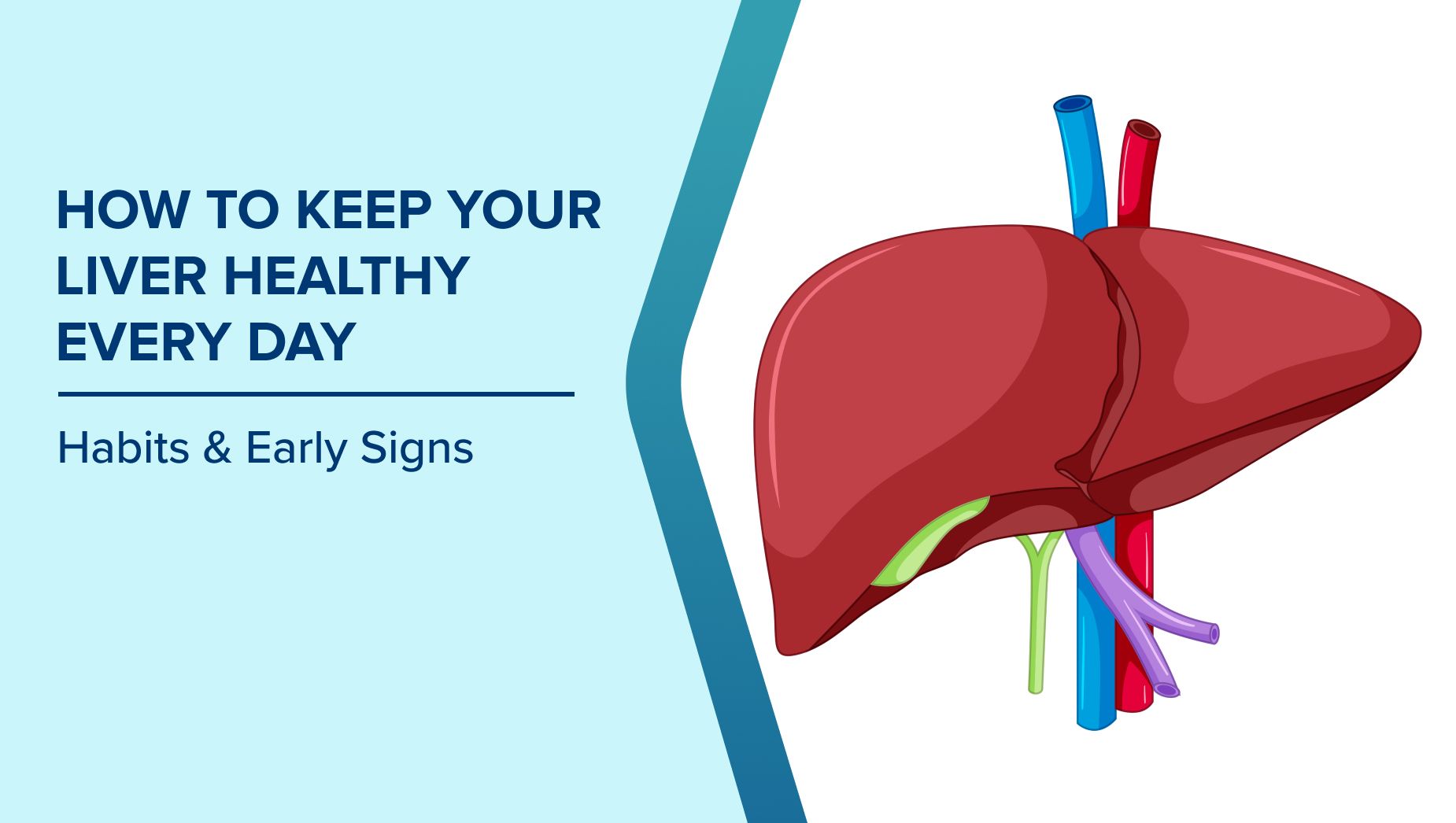
Call Us+91 926 888 0303How to Protect Liver Health: Daily Habits & Early Warning Signs
By Medical Expert Team
Apr 20 , 2026 | 5 min read

Many everyday habits, from what you eat to how much you move, can silently contribute to liver damage over time. Poor diet, excessive alcohol intake, overuse of medications, and a sedentary lifestyle are among the most common causes. The challenge is that early liver problems often show little to no symptoms, especially in conditions like fatty liver. The good news is that early lifestyle changes can significantly improve liver health and prevent long-term complications.
Why Liver Health Matters
The liver is one of the most vital organs in the body, performing hundreds of essential functions.
It helps:
- Filter toxins from the blood
- Metabolise nutrients and medications
- Produce bile for digestion
- Store energy and regulate blood sugar
Because of its central role, even mild liver dysfunction can affect overall health. Yet many people overlook liver care until symptoms appear, often late in the disease process.
How Daily Habits Can Damage Your Liver
Your lifestyle choices play a major role in determining liver health. Here are the most common habits that damage the liver and how they contribute to disease.
Unhealthy Diet (High Sugar and Processed Foods)
Diets high in sugar, refined carbohydrates, and processed foods are a leading cause of fatty liver. Excess sugar is converted into fat and stored in the liver, leading to non-alcoholic fatty liver disease (NAFLD). Over time, this can progress to inflammation and liver damage.
Common culprits include:
- Sugary beverages
- Fast food
- Packaged snacks
- Excess refined carbs
Excessive Alcohol Consumption
Alcohol is one of the most well-known causes of liver damage. The liver processes alcohol, but excessive intake overwhelms it. This can lead to:
- Fat accumulation
- Inflammation (alcoholic hepatitis)
- Scarring (cirrhosis)
Even moderate drinking over time can contribute to alcohol and liver damage, especially when combined with other risk factors.
Sedentary Lifestyle
Lack of physical activity impairs metabolism and promotes liver fat accumulation. An unhealthy lifestyle liver risk includes:
- Weight gain
- Insulin resistance
- Increased fat storage in liver cells
Regular movement helps the liver process fats more efficiently and reduces the risk of disease.
Overuse of Medications
Many people underestimate how medications affecting the liver can contribute to damage. Common risks include:
- Frequent use of painkillers (like paracetamol in high doses)
- Unregulated supplements
- Self-medication
The liver processes most drugs, and excessive or improper use can lead to toxicity and injury.
Poor Sleep and Stress
Chronic stress and inadequate sleep can disrupt metabolic processes and hormone balance. This may indirectly contribute to:
- Fat accumulation in the liver
- Increased inflammation
- Reduced recovery and repair
While often overlooked, sleep and stress management are essential for maintaining liver health.
Early Warning Signs of Liver Damage
Recognising signs of liver problems early can prevent serious complications. Watch for:
- Persistent fatigue or weakness
- Loss of appetite
- Nausea or digestive discomfort
- Yellowing of skin or eyes (jaundice)
- Dark urine or pale stool
- Mild abdominal pain (especially upper right side)
These liver disease symptoms may appear gradually and should not be ignored.
Conditions Linked to Poor Liver Health
Unchecked lifestyle-related damage can lead to serious liver conditions.
- Fatty Liver Disease: Caused by fat buildup in liver cells, often linked to poor diet and inactivity.
- Hepatitis: Inflammation of the liver, which may be viral or lifestyle-related.
- Cirrhosis: Advanced scarring of the liver that affects its function permanently.
Early detection is key to preventing progression.
How to Fix and Protect Your Liver
The good news is that many causes of liver damage are reversible in early stages. Here’s how to improve liver health effectively.
Improve Your Diet
A balanced diet is the foundation of liver health. Focus on:
- Fresh fruits and vegetables
- Whole grains
- Lean protein
- Healthy fats (nuts, seeds, olive oil)
Reduce:
- Sugar
- Processed foods
- Fried items
This helps prevent and even reverse fatty liver in early stages.
Limit Alcohol Intake
If you drink alcohol, moderation is key.
- Avoid daily consumption
- Follow recommended limits
- Consider complete avoidance if you have liver risk factors
Reducing alcohol intake significantly lowers the risk of long-term damage.
Stay Physically Active
Regular exercise improves metabolism and reduces liver fat. Aim for:
- At least 30 minutes of moderate activity most days
- A mix of cardio and strength training
Even simple activities like walking can improve liver function over time.
Use Medications Responsibly
Always:
- Follow prescribed doses
- Avoid self-medication
- Consult a doctor before taking supplements
Being cautious helps prevent unnecessary liver damage caused by drug toxicity.
Maintain a Healthy Weight
Excess weight is strongly linked to fatty liver disease. Gradual weight loss through diet and exercise can:
- Reduce liver fat
- Improve liver enzyme levels
- Prevent disease progression
Myths About Liver Detox
- Myth 1: Detox drinks cleanse the liver: The liver naturally detoxifies the body, no special drinks are required.
- Myth 2: Supplements can repair the liver instantly: Most so-called detox supplements lack scientific evidence.
- Myth 3: Quick fixes work: There is no shortcut, long-term lifestyle changes are the only effective solution.
When to See a Doctor
Knowing when to see a doctor for liver issues is crucial. Seek medical advice if:
- Symptoms persist for more than a few weeks
- You notice jaundice or abdominal swelling
- Blood tests show abnormal liver enzymes
- You have risk factors like obesity, alcohol use, or diabetes
Early medical evaluation can prevent serious complications.
Simple Daily Habits for a Healthy Liver
Small, consistent changes can make a big difference.
- Stay hydrated
- Eat balanced meals at regular intervals
- Avoid overeating
- Exercise regularly
- Get adequate sleep
- Schedule routine health check-ups
Conclusion
Your daily habits play a powerful role in determining your liver health. Poor diet, inactivity, alcohol use, and medication misuse can silently lead to liver damage. The good news is that early lifestyle changes can prevent and even reverse many liver conditions. Recognising warning signs and adopting healthier habits, such as balanced nutrition, regular exercise, and responsible medication use, can protect your liver for the long term. Taking proactive steps today is the key to maintaining a healthy liver and overall well-being.
Frequently Asked Questions
Can liver damage be reversed naturally?
Yes, early-stage liver damage, especially fatty liver, can often be reversed with a healthy diet, exercise, and lifestyle changes.
How long does it take to improve liver health?
Improvements can begin within weeks of lifestyle changes, but full recovery may take several months, depending on severity.
Are detox diets effective for liver health?
No, most detox diets lack scientific evidence. The liver naturally detoxifies the body without special diets.
Can normal-weight people get fatty liver?
Yes, even individuals with a normal weight can develop fatty liver due to poor diet, genetics, or metabolic issues.
Which foods are best for liver repair?
Foods rich in antioxidants, such as leafy greens, berries, nuts, and whole grains, support liver health.
Does occasional alcohol harm the liver?
Occasional moderate consumption may not cause harm, but regular intake increases the risk of liver damage over time.
Related Blogs

Dr. Nivedita Pandey In Gastroenterology, Hepatology & Endoscopy , Liver Transplant and Biliary Sciences
Nov 07 , 2020 | 2 min read
Dr. Nivedita Pandey In Gastroenterology, Hepatology & Endoscopy , Liver Transplant and Biliary Sciences
Nov 07 , 2020 | 2 min read
Most read Blogs


Related Blogs
Dr. Nivedita Pandey In Gastroenterology, Hepatology & Endoscopy , Liver Transplant and Biliary Sciences
Nov 07 , 2020 | 2 min read
Dr. Nivedita Pandey In Gastroenterology, Hepatology & Endoscopy , Liver Transplant and Biliary Sciences
Nov 07 , 2020 | 2 min read
Most read Blogs