 WhatsApp Us (24/7)
 +91 926 888 0303 (24/7)


To Book an Appointment
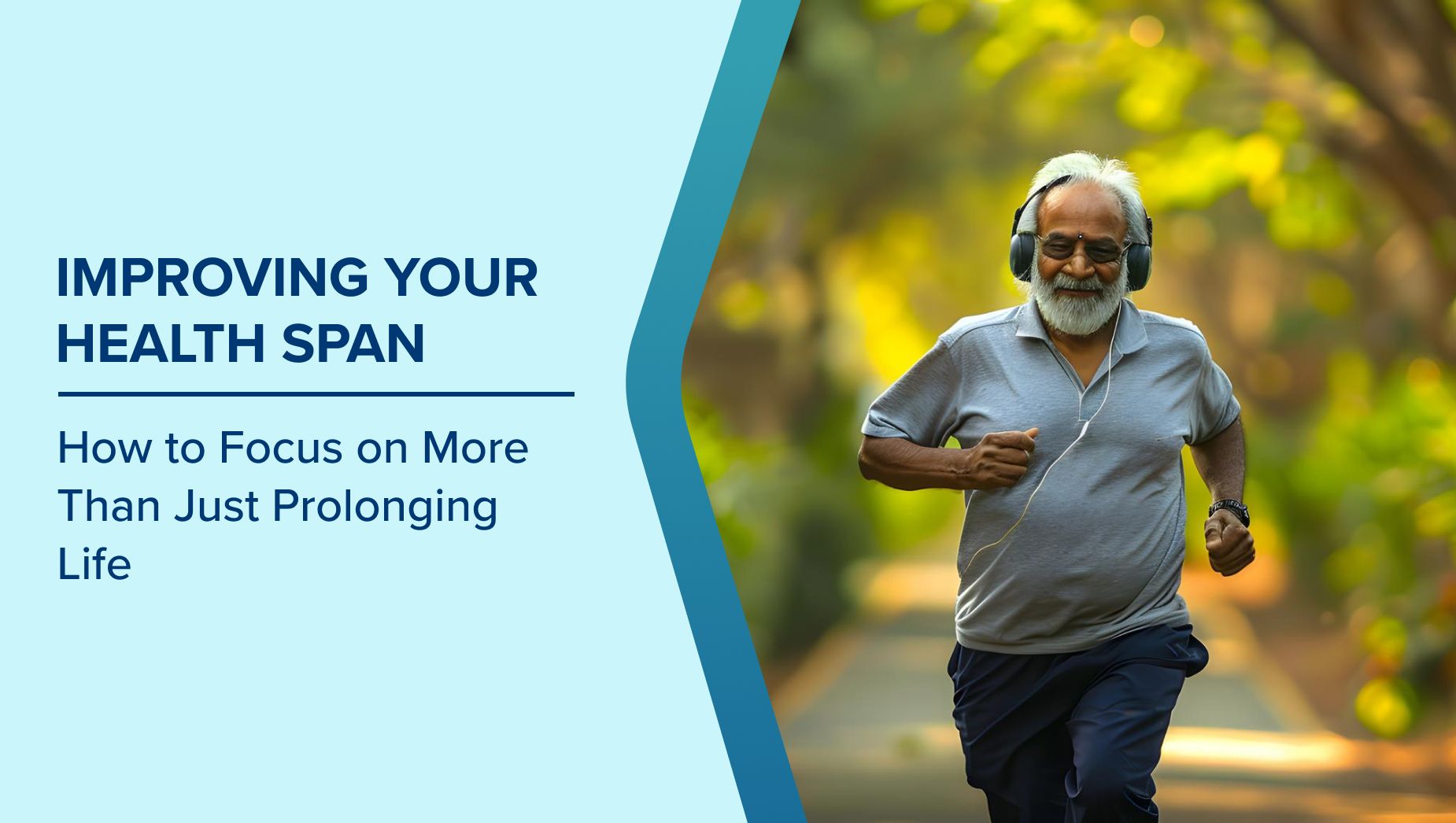
Call Us+91 926 888 0303Improving Your Health Span: How to Focus on More Than Just Prolonging Life
By Dr. Namrita Singh in Internal Medicine
Dec 05 , 2025 | 4 min read

Most people dream of living longer, but the real question is whether those added years are lived in good health. Advances in medicine have helped us extend life expectancy, yet many spend the later years struggling with chronic illness, reduced mobility, or dependency on others. This is where the idea of health span becomes essential.
Rather than focusing only on life span, which is the number of years we live, health span is about the years lived in good physical, mental, and social well-being. Improving health span means not just adding years to life but ensuring those years are worth living.
Understanding the Difference Between Health Span and Life Span
The concept of health span vs life span is gaining more attention as populations age worldwide. Life span refers simply to the total years a person lives. Health span, however, is the portion of those years free from serious disease or disability. A person may live to 90, but if the last two decades are marked by poor health, the quality of life is severely reduced. By contrast, someone who focuses on how to live healthier for longer may enjoy vitality, independence, and fulfilment well into old age.
This difference highlights why conversations about healthy ageing tips and preventive care are becoming more relevant. Longevity without good health can be a burden, while extending health span brings joy and resilience.
Why Health Span Matters in Today’s World
In today’s world, longer life expectancy is no longer unusual. However, modern lifestyles, high stress levels, sedentary habits, and unhealthy diets are fuelling chronic illnesses like diabetes, cardiovascular disease, and dementia. Improving health span can help reduce the years spent managing these conditions.
From a societal perspective, promoting ways to increase health span also reduces pressure on healthcare systems and families. On a personal level, it means being able to stay active, connected, and independent for longer. For younger generations, adopting lifestyle changes for longevity early on ensures a smoother transition into older age, avoiding the struggles faced by previous generations.
Lifestyle Choices That Influence Health Span
The good news is that many aspects of health span are influenced by daily choices. Though genetics plays a role, lifestyle habits have a far greater impact on the quality of later years.
Nutrition for healthy ageing
Eating a balanced diet rich in fruits, vegetables, whole grains, lean proteins, and healthy fats supports both physical and cognitive health. Diets like the Minimising processed foods, added sugars, and excessive salt can also protect against chronic disease.
Exercise for healthy ageing
Regular movement keeps muscles strong, bones healthy, and energy levels steady. Both aerobic activity, like walking or swimming, and strength training are important for improving the quality of life with age. Exercise is also a powerful way to maintain mental health, reducing the risk of depression and cognitive decline.
Sleep and stress management
Poor sleep and chronic stress shorten health span significantly. Establishing good sleep routines and practising relaxation techniques such as meditation, yoga, or mindfulness improves overall resilience. Managing stress also reduces the risk of heart disease and supports a stronger immune system.
Preventive care
Routine health check-ups, vaccinations, and screenings for conditions like cancer or diabetes help identify potential issues early. Early intervention often leads to better outcomes and protects long-term health.
Practical Habits for Daily Life to Improve Health Span
Improving health span is not about drastic changes but about consistent habits that become part of everyday life. Some practical strategies include:
- Staying socially active by nurturing friendships, joining community groups, or volunteering. Social connection has been shown to protect against both mental decline and physical illness.
- Adopting a lifelong learning mindset, such as learning new skills or hobbies, keeps the brain stimulated and supports emotional well-being.
- Maintaining a balanced routine, where work, rest, and leisure are well managed, prevents burnout and supports overall health.
- Prioritising hydration and limiting alcohol or tobacco use, both of which significantly influence longevity.
- Practising gratitude and mindfulness, which reduce stress and create a positive outlook that contributes to healthy ageing.
By incorporating these small but powerful habits, people can significantly increase their chances of enjoying vitality throughout their later years.
Conclusion
Focusing on health span rather than just prolonging life represents a shift towards valuing quality over quantity. With healthy ageing tips, lifestyle changes for longevity, and the support of modern science, it is possible to live healthier for longer and reduce the burden of chronic disease. Every choice made today contributes to future well-being, making health span an achievable goal for anyone willing to take charge of their lifestyle.
Frequently Asked Questions
1. Can mental well-being affect health span?
Yes, mental well-being plays a crucial role in healthy ageing. Stress, depression, and isolation can accelerate physical decline, while positive mental health supports resilience and long-term vitality.
2. Are supplements effective for extending health span?
Certain supplements, such as vitamin D, omega-3 fatty acids, or probiotics, may support specific aspects of health. However, they should complement, not replace, a balanced diet. Consulting a healthcare professional ensures safe and effective use.
3. How does social connection influence healthy ageing?
Strong social networks reduce loneliness, improve mental health, and even lower the risk of conditions like heart disease and dementia. Staying socially engaged is a proven way to increase health span.
4. Is fasting linked to a longer health span?
Research suggests intermittent fasting and calorie restriction can improve metabolic health, reduce inflammation, and possibly slow aspects of the ageing process. These practices should be approached with guidance to ensure safety.
5. What role does gut health play in longevity?
Gut health affects digestion, immunity, and even mood. A mixed diet rich in fibre and fermented foods supports a healthy microbiome, which in turn promotes better ageing outcomes.
Written and Verified by:

Related Blogs


Dr. Vandana Boobna In Internal Medicine
Nov 08 , 2020 | 2 min read
Blogs by Doctor

What is Anaemia: Symptoms, Causes & Prevention Strategies
Dr. Namrita Singh In Internal Medicine
Jul 29 , 2024 | 3 min read

Typhoid Fever Symptoms, Diagnosis, and Debunking Common Myths
Dr. Namrita Singh In Internal Medicine
Jul 31 , 2024 | 2 min read
Most read Blogs


Related Blogs
Dr. Vandana Boobna In Internal Medicine
Nov 08 , 2020 | 2 min read
Blogs by Doctor
What is Anaemia: Symptoms, Causes & Prevention Strategies
Dr. Namrita Singh In Internal Medicine
Jul 29 , 2024 | 3 min read
Typhoid Fever Symptoms, Diagnosis, and Debunking Common Myths
Dr. Namrita Singh In Internal Medicine
Jul 31 , 2024 | 2 min read
Most read Blogs