 WhatsApp Us (24/7)
 +91 926 888 0303 (24/7)


To Book an Appointment
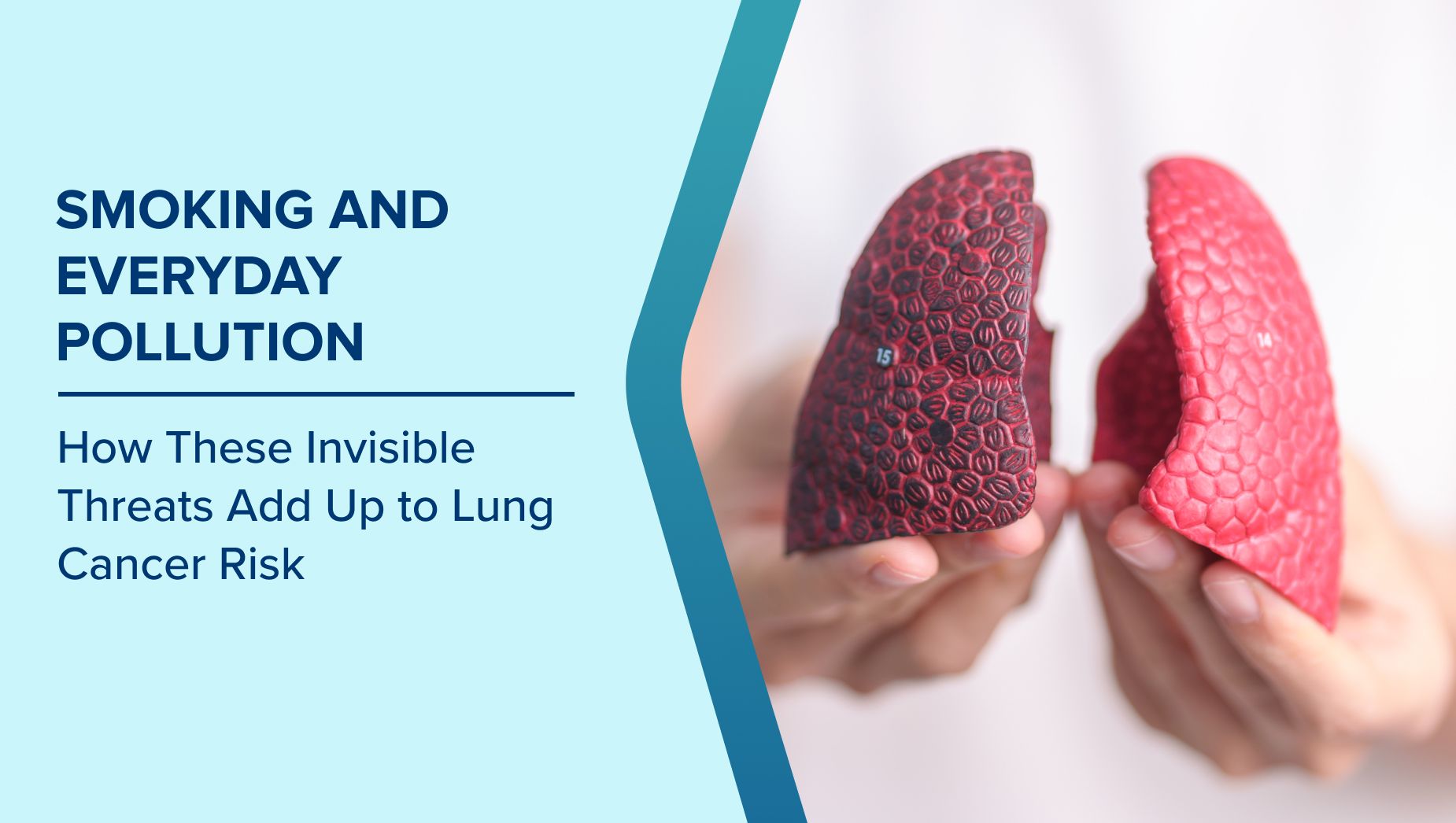
Call Us+91 926 888 0303Smoking and Everyday Pollution: How These Invisible Threats Add Up to Lung Cancer Risk
By Dr. Sameer Khatri in Medical Oncology , Cancer Care / Oncology , Thoracic Oncology
Nov 26 , 2025 | 4 min read

Lung cancer is often associated with smoking, but the truth is that its risk is influenced by multiple invisible threats that we encounter every day. From the air we breathe to our daily habits, these factors can quietly damage lung tissue over time. Understanding how smoking and everyday pollution interact to increase lung cancer risk is crucial for protecting your health.
How Smoking Accelerates Lung Damage
Cigarette smoke contains thousands of harmful chemicals, many of which are carcinogenic. When inhaled, these chemicals damage the lining of the lungs, weaken the immune system, and create an environment where abnormal cells can grow.
Even low levels of smoking, such as occasional cigarettes or social smoking, can gradually contribute to lung cancer risk over the years.
Key factors that make smoking so dangerous:
- Tar buildup: Blocks airways and creates an environment for cell mutations.
- Nicotine effects: Reduces the lung’s ability to repair damaged tissue.
- Chemical interactions: When combined with pollutants, these chemicals can amplify lung tissue inflammation.
Everyday Pollution: A Silent Lung Threat
Pollution is not always visible, but its effects are cumulative. Particulate matter, dust, fumes, and vehicle emissions slowly infiltrate the lungs every day. Even small exposures add up over time, increasing inflammation and oxidative stress in lung tissue.
Common sources of everyday pollution include:
- Vehicle exhaust from roads, buses, and trucks.
- Industrial emissions in urban areas.
- Indoor pollutants including smoke from cooking, candles, or cleaning chemicals.
- Dust and particulate matter from construction or renovations.
Over the years, continuous exposure can make lungs more vulnerable to cancerous changes, especially when combined with smoking.
How Smoking and Pollution Work Together
When smoking and pollution combine, their effects are not merely additive; they can be synergistic, meaning they make each other more harmful.
Examples of combined effects:
- Smokers living in high-pollution areas may experience faster lung tissue damage.
- Air pollutants can intensify the toxic effects of cigarette chemicals.
- Both factors weaken the immune response, making it harder for the body to eliminate abnormal cells.
Even people who smoke lightly but are exposed to polluted environments can face significant risks over time.
Early Warnings You Should Not Ignore
Lung cancer often develops quietly, making early detection difficult. Here are subtle signs to watch for:
- Persistent fatigue: Feeling unusually tired even after rest.
- Mild coughing that lingers: Even a persistent, mild cough can be a warning sign.
- Shortness of breath during simple tasks: Even minor exertion feels difficult.
- Recurring chest discomfort or mild pain: This may come and go but should not be ignored.
- Frequent respiratory infections: Infections that keep returning may indicate weakened lung tissue.
Recognising these early symptoms and consulting a healthcare provider promptly can make a significant difference in outcomes.
Long-Term Consequences of Ignoring Risks
Continued exposure to both smoking and pollution increases the chances of:
- Chronic obstructive pulmonary disease (COPD)
- Decreased lung capacity and chronic breathing difficulties
- Higher susceptibility to respiratory infections
- Earlier onset of lung cancer and faster progression
The damage is cumulative, which means small daily exposures eventually create significant health problems.
Practical Steps to Reduce Lung Cancer Risk
Reducing exposure to these invisible threats is essential for long-term lung health.
- Quit smoking completely: Even light smoking contributes to cumulative damage.
- Limit exposure to polluted air: Stay indoors on high-pollution days and use air purifiers.
- Maintain proper ventilation at home: Especially when cooking or using chemical cleaners.
- Protect yourself outdoors: Wear masks in high-traffic or industrial areas.
- Adopt a lung-friendly lifestyle: Regular exercise, a balanced diet, and hydration help lungs repair and detoxify.
Conclusion
The combined impact of smoking and everyday pollution is a hidden threat that builds silently over time. Even low-level exposure can accumulate, damaging the lungs and increasing the risk of cancer. Recognising subtle symptoms, reducing exposure, and adopting a lung-friendly lifestyle are essential steps for long-term respiratory health. Protecting your lungs today can prevent serious health complications tomorrow.
Frequently Asked Questions
Can vaping or e-cigarettes also contribute to cumulative lung cancer risk?
Yes, while often marketed as safer than traditional cigarettes, e-cigarettes still contain harmful chemicals that can irritate lung tissue and interact with environmental pollutants.
Does living near green spaces reduce lung cancer risk from pollution?
Yes, areas with trees and vegetation can filter air pollutants, lowering daily exposure to harmful particles and reducing long-term lung damage.
Can certain household cleaning products increase lung cancer risk?
Some cleaning agents release volatile organic compounds (VOCs) that can irritate lungs. Regular ventilation and using eco-friendly alternatives can help minimise risk.
How do genetics influence susceptibility to pollution and smoking?
Genetic factors can affect how efficiently the body repairs damaged lung tissue, meaning some individuals are more vulnerable to long-term damage from the same exposures.
Are children more vulnerable to the combined effects of smoking and pollution?
Yes, children’s lungs are still developing, making them more susceptible to pollutants and secondhand smoke, which can set the stage for future lung problems.
Can workplace exposures add to lung cancer risk even if I don’t smoke?
Yes, occupational exposure to dust, fumes, or chemicals can accumulate over time, especially when combined with environmental pollution.
Does using masks outdoors really protect my lungs?
High-quality masks can filter fine particulate matter and reduce the amount of harmful pollutants reaching the lungs, lowering cumulative risk over time.
Are indoor pollutants really dangerous if I don’t smoke?
Yes, long-term exposure to indoor smoke, fumes, and dust can slowly damage lung tissue, even for non-smokers.
How can I monitor my lung health at home?
Simple ways include tracking breathing patterns, noticing changes in cough or fatigue, and using pulse oximeters to check oxygen levels if advised by a doctor.
Can lung health improve after quitting smoking in polluted areas?
Yes, quitting smoking allows lungs to begin repairing damaged tissue, and reducing pollution exposure simultaneously enhances recovery.
How often should someone at risk get lung health check-ups?
People exposed to smoking and pollution should consult their doctor for routine lung assessments annually or as recommended based on risk factors.
Written and Verified by:

Related Blogs


Dr. Meenu Walia In Medical Oncology , Cancer Care / Oncology
Aug 02 , 2016 | 4 min read
Blogs by Doctor

Tobacco and Cancer: Understanding the Link and Taking Action
Dr. Sameer Khatri In Cancer Care / Oncology
Mar 03 , 2024 | 2 min read

Most read Blogs


Related Blogs
Dr. Meenu Walia In Medical Oncology , Cancer Care / Oncology
Aug 02 , 2016 | 4 min read
Blogs by Doctor
Tobacco and Cancer: Understanding the Link and Taking Action
Dr. Sameer Khatri In Cancer Care / Oncology
Mar 03 , 2024 | 2 min read
Most read Blogs