 WhatsApp Us (24/7)
 +91 926 888 0303 (24/7)


To Book an Appointment
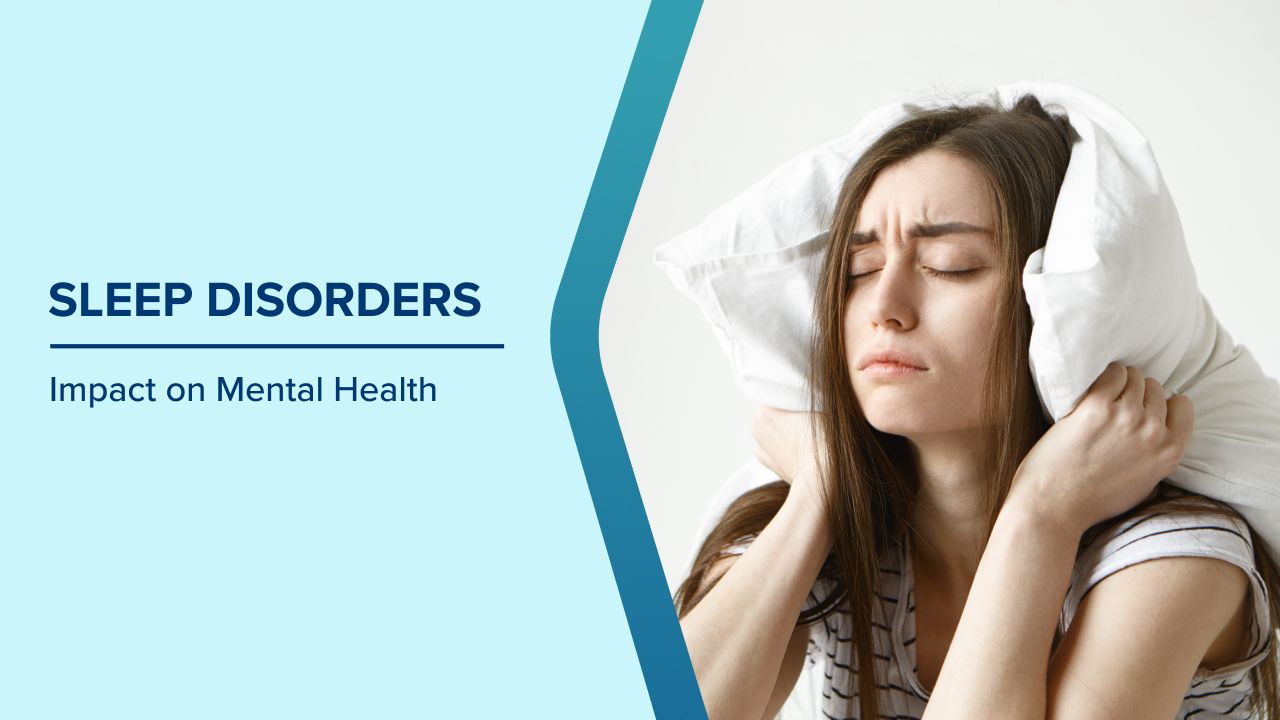
Call Us+91 926 888 0303How Sleep Disorders Affect Social Behaviour: Impact on Mental Health
By Dr. Deepak Bhasin in Pulmonology , Critical Care
Apr 08 , 2026

Sleep is often linked with physical rest, but its deeper influence lies in how it shapes emotional well-being. When sleep is consistently disrupted, the effects are not always obvious. Instead of clear symptoms, many people experience subtle shifts in how they feel, react, and connect with others.
These changes do not happen overnight. They develop gradually through repeated patterns of disturbed rest. Over time, this can influence emotional balance, behaviour, and even personal outlook. Understanding this connection offers a new way to look at sleep disorders, not just as a physical concern but as an important part of mental and emotional health.
Emotional Drift: The Subtle Changes You May Not Notice
One of the earliest effects of disrupted sleep is a quiet shift in emotional awareness. People may not feel overtly distressed, yet something feels slightly “off”.
This emotional drift may include:
- Difficulty recognising personal feelings clearly
- A sense of emotional dullness or detachment
- Reduced ability to respond thoughtfully to situations
Instead of strong emotions, there may be a flattening of responses. Over time, this can affect how individuals interpret and engage with their surroundings.
How Sleep Disruption Influences Social Behaviour
Sleep patterns have a direct influence on how people interact with others. When rest is inconsistent, social behaviour often changes in subtle ways.
Common patterns include:
- Reduced willingness to engage in conversations
- Shorter attention during interactions
- Increased tendency to withdraw from social settings
These changes are often misunderstood as disinterest or moodiness. In reality, they may reflect an underlying imbalance caused by disrupted sleep.
Read More:
Communication Patterns and Emotional Expression
Sleep disorders can also influence how people express themselves. Communication may become less clear, more reactive, or emotionally uneven.
This may appear as:
- Speaking impulsively without reflection
- Struggling to articulate thoughts or feelings
- Misinterpreting tone or intent in conversations
Over time, these patterns can affect relationships, as communication becomes less consistent and more unpredictable.
Decision Fatigue and Emotional Choices
Daily life involves constant decision-making, many of which are influenced by emotional judgment. When sleep is disrupted, this process becomes more challenging.
People may experience:
- Difficulty making simple everyday decisions
- Increased reliance on quick or impulsive choices
- Reduced ability to think through emotional consequences
This can lead to decisions that feel misaligned with long-term goals or values, creating further internal discomfort.
The Quiet Loss of Motivation
Another overlooked effect of sleep disorders is a gradual decline in motivation. This is not always linked to physical tiredness but rather a shift in internal drive.
Signs of reduced motivation may include:
- Loss of interest in activities once enjoyed
- Difficulty initiating tasks
- Feeling mentally unengaged despite having energy
This sense of disconnection can affect both personal and professional life, making routine responsibilities feel more demanding.
Self Perception and Confidence Changes
Sleep disruption can influence how individuals view themselves. Over time, it may lead to increased self-doubt and a less stable sense of confidence.
This may involve:
- Questioning personal decisions more frequently
- Feeling less capable of handling challenges
- Developing a more critical internal dialogue
These changes are often gradual, making them difficult to recognise until they begin to affect daily functioning.
Read More: Sleep and Heart Health: Why Rest Is the Key to a Strong Heart
Emotional Burnout Without Physical Exhaustion
Not all fatigue is physical. Sleep disorders can create a form of emotional burnout that is less visible but equally impactful.
This may present as:
- Feeling mentally drained despite resting
- Difficulty recovering from everyday stress
- A constant sense of emotional heaviness
Unlike physical exhaustion, this type of burnout does not improve easily with rest alone, as the underlying pattern continues.
Digital Overstimulation and Mental Overload
Modern lifestyles often involve constant digital engagement. When combined with disrupted sleep, this can lead to mental overload.
This pattern may result in:
- Continuous mental activity without adequate pause
- Reduced ability to relax or disconnect
- Increased emotional restlessness
The mind remains active even during rest periods, preventing a sense of calm and balance.
Long-Term Emotional Patterns and Behavioural Shifts
When sleep disorders persist, the effects extend beyond daily experiences. Over time, they can shape long-term emotional patterns.
These shifts may include:
- A more reactive approach to challenges
- Reduced emotional resilience
- Changes in personality traits such as patience or optimism
These patterns develop gradually, making them easy to overlook but significant in their impact.
Recognising and Resetting Emotional Patterns
Awareness is the first step towards change. Instead of focusing only on sleep itself, it is helpful to observe how emotional patterns are evolving.
Consider reflecting on:
- Changes in how you respond to everyday situations
- Shifts in motivation or interest levels
- Differences in how you interact with others
Small adjustments can help restore balance, such as:
- Creating moments of mental pause during the day
- Reducing constant stimulation
- Allowing time for emotional recovery
These steps support both sleep and emotional well-being without relying on drastic changes.
Conclusion
Sleep disorders influence more than physical rest. They shape emotional responses, behaviour, and long-term mental patterns in ways that are often subtle but meaningful.
By paying attention to these changes, it becomes possible to recognise the deeper impact of disrupted sleep. A balanced approach that supports both rest and emotional awareness can help maintain stability over time.
Understanding this connection encourages a more mindful approach to daily routines, helping individuals protect not only their sleep but also their emotional well-being.
Frequently Asked Questions
1. Can poor sleep change how I react to everyday situations?
Yes, disrupted sleep can influence emotional responses, making reactions feel stronger or less controlled over time.
2. Does sleep affect how I connect with people socially?
Yes, changes in sleep patterns can influence social behaviour, including communication and willingness to engage.
3. Can sleep disruption affect long-term personality traits?
Over time, consistent patterns of poor sleep may influence traits such as patience, resilience, and outlook.
4. Is emotional exhaustion linked only to stress?
Not always. Sleep disruption can contribute to emotional fatigue even when stress levels seem manageable.
5. Why do I feel mentally drained even after resting?
This may happen when sleep is not fully restorative, affecting emotional recovery rather than physical energy.
6. Can small lifestyle adjustments improve emotional balance?
Yes, consistent and mindful changes can gradually support both emotional well-being and overall balance.
Written and Verified by:

Related Blogs

Medical Expert Team
Jun 06 , 2015 | 2 min read

Blogs by Doctor

Respiratory Acidosis: Symptoms, Diagnosis, and Treatment
Dr. Deepak Bhasin In Pulmonology
Jan 22 , 2024 | 4 min read
Most read Blogs


Related Blogs
Medical Expert Team
Jun 06 , 2015 | 2 min read
Blogs by Doctor
Respiratory Acidosis: Symptoms, Diagnosis, and Treatment
Dr. Deepak Bhasin In Pulmonology
Jan 22 , 2024 | 4 min read
Most read Blogs