 WhatsApp Us (24/7)
 +91 926 888 0303 (24/7)


To Book an Appointment
Call Us+91 926 888 0303How Palliative Care Improves Quality of Life: Support & Dignity
By Dr Ekta Gupta in Pain Management , Palliative Care
Feb 04 , 2026

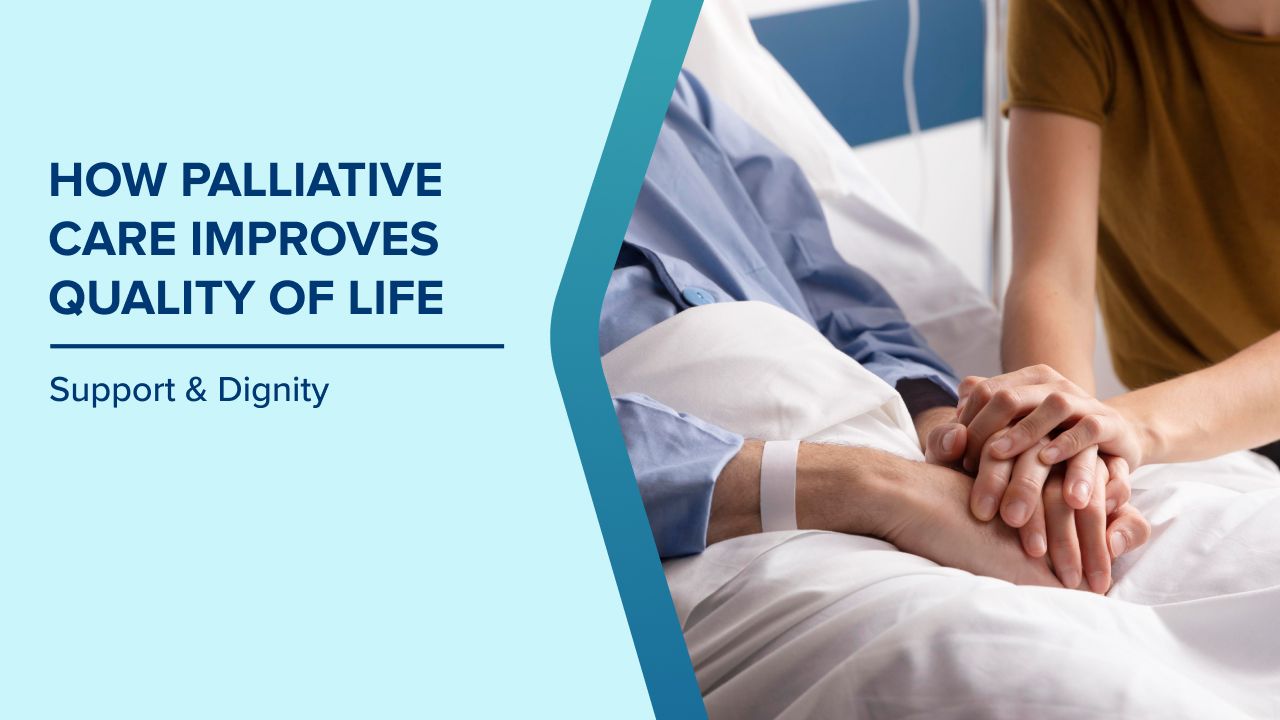
Palliative care is specialised health care for people living with a serious illness like cancer, heart disease, kidney disease, chronic lung disease, advanced arthritis, etc. While a medical specialist may take care of curing or managing the actual disease, palliative care focuses on relieving the associated symptoms, such as pain and stress of the illness.
The primary goal of palliative care is to improve the quality of life of both the patient and the caregiver/family. Basically, working with a palliative care team enables better living at any stage of a serious or chronic illness. It complements the primary treatment by looking at the person beyond the disease.
Why Does One Need Palliative Care in Addition to a Medical Specialist?
When someone is living with a critical illness, there are issues beyond the actual disease. These include:
- Physical symptoms like pain, shortness of breath, and persistent nausea have to be addressed separately with pharmacological or non-pharmacological techniques.
- Emotional or psychological well-being is affected, especially when considering prognosis.
- Social or practical concerns, like financial or caregiving issues.
- Spiritual or existential concerns like “why is this happening to me?” or “Is it God’s punishment?”
Palliative care is a holistic, patient-centred approach where each of these concerns is acknowledged and addressed along with medical treatment like chemotherapy or radiotherapy.
An equally important focus is laid on the caregiver’s wellness. To achieve this goal, palliative care is often provided by a team comprising:
Doctors and nurses: prescribe medicines to achieve symptom control, help with difficult medical decisions by explaining real-life consequences, coordinate with doctors of other specialities, and assist with advanced healthcare planning such as living wills or advance directives.
Social workers: provide emotional support to patients and caregivers, arrange medical equipment for home use, and address financial concerns.
Chaplains or psychologists: provide spiritual support and help patients deal with existential questions.
Who Needs Palliative Care?
Palliative care is appropriate at any age for patients with a new diagnosis of serious illness, those cured but living with ongoing symptoms, patients undergoing difficult curative treatments, those pursuing treatment without cure, or those living with illness without active disease-directed treatment.
You or a loved one suffering from a serious illness, having difficult symptoms, or struggling across physical, emotional, social, or spiritual domains should ask for a palliative care consultation. It provides an extra layer of essential support, and you can request a referral directly from your medical team.
The most common symptoms that need management beyond the primary illness include:
Pain, difficulty breathing, nausea, constipation, anxiety, depression, fatigue, low appetite, and nerve pain.
The palliative care team manages these symptoms using medications, psychological counselling, and integrative techniques like meditation or acupuncture. Many symptoms worsen with emotional distress, so addressing this aspect often improves overall symptom control.
Benefits of palliative care:
- Improved quality of life
- Improved symptom control
- Fewer hospitalizations
- Less burden on caregivers
Preserved emotional and spiritual well-being, as care is aligned with personal goals and priorities such as spending time with family, continuing hobbies or work, and maintaining independence.
Palliative care may prolong life when initiated early by promoting realistic medicine and preventing ineffective, burdensome treatments. Choosing palliative care does not mean stopping treatment or losing hope. It means maximising comfort, dignity, and meaning despite illness.
Written and Verified by:

Related Blogs

Dr. Amod Manocha In Pain Management
Oct 27 , 2020 | 1 min read

Dr. Manish Marda In Pain Management
Jun 30 , 2017 | 20 min read
Blogs by Doctor

When is Pain Serious: Symptoms & When to Seek Care
Dr Ekta Gupta In Pain Management , Palliative Care
Dec 29 , 2025 | 2 min read
Most read Blogs


Related Blogs
Dr. Amod Manocha In Pain Management
Oct 27 , 2020 | 1 min read
Dr. Manish Marda In Pain Management
Jun 30 , 2017 | 20 min read
Blogs by Doctor
When is Pain Serious: Symptoms & When to Seek Care
Dr Ekta Gupta In Pain Management , Palliative Care
Dec 29 , 2025 | 2 min read
Most read Blogs