 WhatsApp Us (24/7)
 +91 926 888 0303 (24/7)


To Book an Appointment
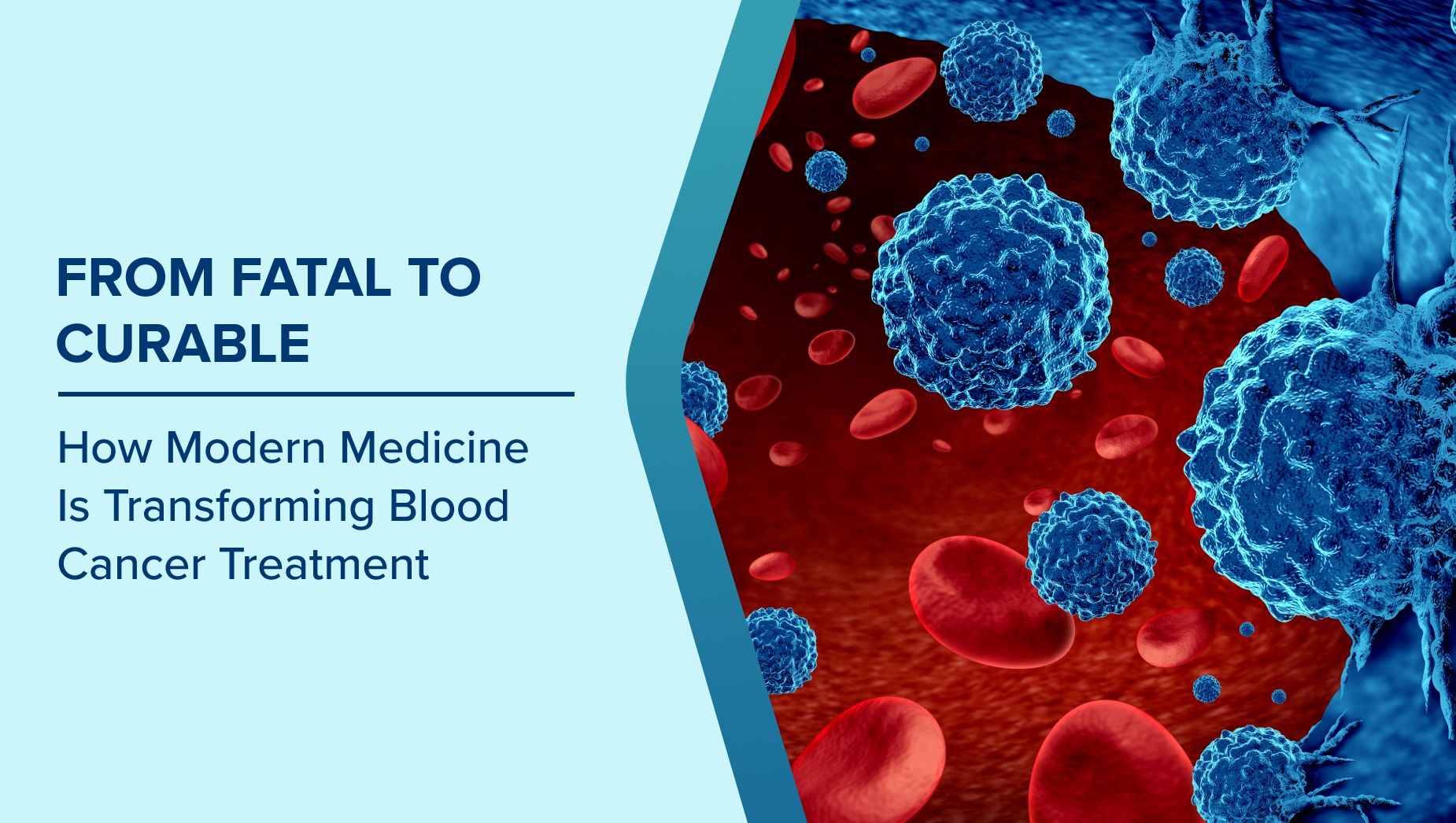
Call Us+91 926 888 0303From Fatal to Curable: How Modern Medicine Is Transforming Blood Cancer Treatment
By Dr. Faran Naim in Bone Marrow Transplant , Haematology , Paediatric Haematology
Oct 23 , 2025 | 3 min read

There was a time when certain disorders were considered a death sentence. Patients diagnosed with diseases like blood cancer were left with little hope and only supportive care. But with remarkable advancements in medical science, the story has changed. Today, several forms of leukaemia and other blood cancers have become manageable and in some cases, even curable, with targeted therapies, often taken as simple oral tablets.
Understanding Blood Cancer
Blood cancers, also known as haematological malignancies, are life-threatening diseases that affect the production and function of blood cells. They interfere with the normal process of blood formation in the bone marrow, leading to poor immunity, low platelet counts, and anaemia. This increases the likelihood of developing infections, bleeding, weakness, and fatigue.
Stem cells in the bone marrow usually develop into three types of blood cells: red blood cells, white blood cells, and platelets. In blood cancers, this process is disrupted by the uncontrolled growth of abnormal cells. These cancerous cells prevent the blood from carrying out its normal functions, such as fighting infections and stopping bleeding.
Types of Blood Cancer
The three major types of blood cancers are:
- Leukaemia: cancer of the bone marrow and blood.
- Lymphoma: cancer of the lymphatic system.
- Myeloma: cancer of the plasma cells in the bone marrow.
Common Symptoms of Blood Cancer
While symptoms may vary depending on the type of blood cancer, some of the common warning signs include:
- Persistent fatigue and weakness
- Frequent infections
- Unexplained weight loss
- Easy bruising or bleeding
- Swollen lymph nodes
- Fever or chills
- Night sweats
- Shortness of breath
- Bone pain
In certain cases, patients may also experience headaches, gum swelling, bone fractures, or visible lymph node enlargement around the neck or other parts of the body.
Possible Causes and Risk Factors
Although the exact cause of blood cancers is not yet fully understood, several risk factors are known to increase susceptibility. These include:
- Advanced age
- Exposure to certain chemicals or radiation
- Smoking
- Previous cancer treatments
- Family history of blood disorders
Advancements in Treatment
Treatment options depend on the specific type and stage of blood cancer, as well as the patient’s overall health. Common treatments include:
- Chemotherapy
- Targeted therapy
- Immunotherapy
- Radiation therapy
- Bone marrow (stem cell) transplant
Thanks to medical advancements, certain types of blood cancers, such as acute lymphoblastic leukaemia (especially in children) and Hodgkin’s lymphoma, now have cure rates as high as 80–90%.
The mainstay of treatment remains chemotherapy, but the advent of targeted therapy and immunotherapy has revolutionised care. These modern therapies are more specific, have fewer side effects, and often yield better outcomes. For many patients, a bone marrow or stem cell transplant offers a chance for a complete cure, even in advanced stages.
Bone Marrow and Stem Cell Transplant: A Beacon of Hope
Bone marrow transplant (also called hematopoietic stem cell transplant) is used to treat both malignant and non-malignant conditions, including:
- Leukemia
- Lymphoma
- Myeloma
- Hodgkin disease
- Aplastic anemia
- Sickle cell anaemia
- Thalassemia
Some pediatric cancers, like neuroblastoma, also require bone marrow transplants for a potential cure.
Types of Stem Cell Transplants
- Autologous Transplant: The patient’s own stem cells are collected before high-dose chemotherapy or radiation and reintroduced afterwards.
- Allogeneic Transplant: Stem cells are obtained from a donor, ideally a sibling or a matched unrelated donor. In some cases, a parent, child, or half-matched sibling can serve as a haploidentical donor.
Stem cell collection no longer requires surgery; it is done through a simple, blood-based procedure using specialised machines.
For conditions like lymphoma and myeloma, an autologous transplant (using the patient’s own cells) is often sufficient. Diseases such as leukaemia, aplastic anaemia, and thalassemia, however, usually require donor stem cells.
Early Diagnosis Saves Lives
The key to successful outcomes lies in timely diagnosis and appropriate treatment. Early consultation with a haematologist can make a significant difference, turning a once fatal condition into a treatable or even curable one.
With continuous advancements in cancer research and therapy, patients diagnosed with blood cancer today have more hope than ever before.
Written and Verified by:

Related Blogs


Blogs by Doctor

Exploring Sickle Cell Disease (SCD): Types, Symptoms and Causes
Jun 20 , 2024 | 8 min read
Blood Cancers: Symptoms, Causes, Types, and Modern Treatment Options
Dr. Faran Naim In Bone Marrow Transplant , Paediatric Haematology
Aug 04 , 2025 | 2 min read
Most read Blogs


Related Blogs
Blogs by Doctor
Exploring Sickle Cell Disease (SCD): Types, Symptoms and Causes
Jun 20 , 2024 | 8 min read
Blood Cancers: Symptoms, Causes, Types, and Modern Treatment Options
Dr. Faran Naim In Bone Marrow Transplant , Paediatric Haematology
Aug 04 , 2025 | 2 min read
Most read Blogs