 WhatsApp Us (24/7)
 +91 926 888 0303 (24/7)


To Book an Appointment
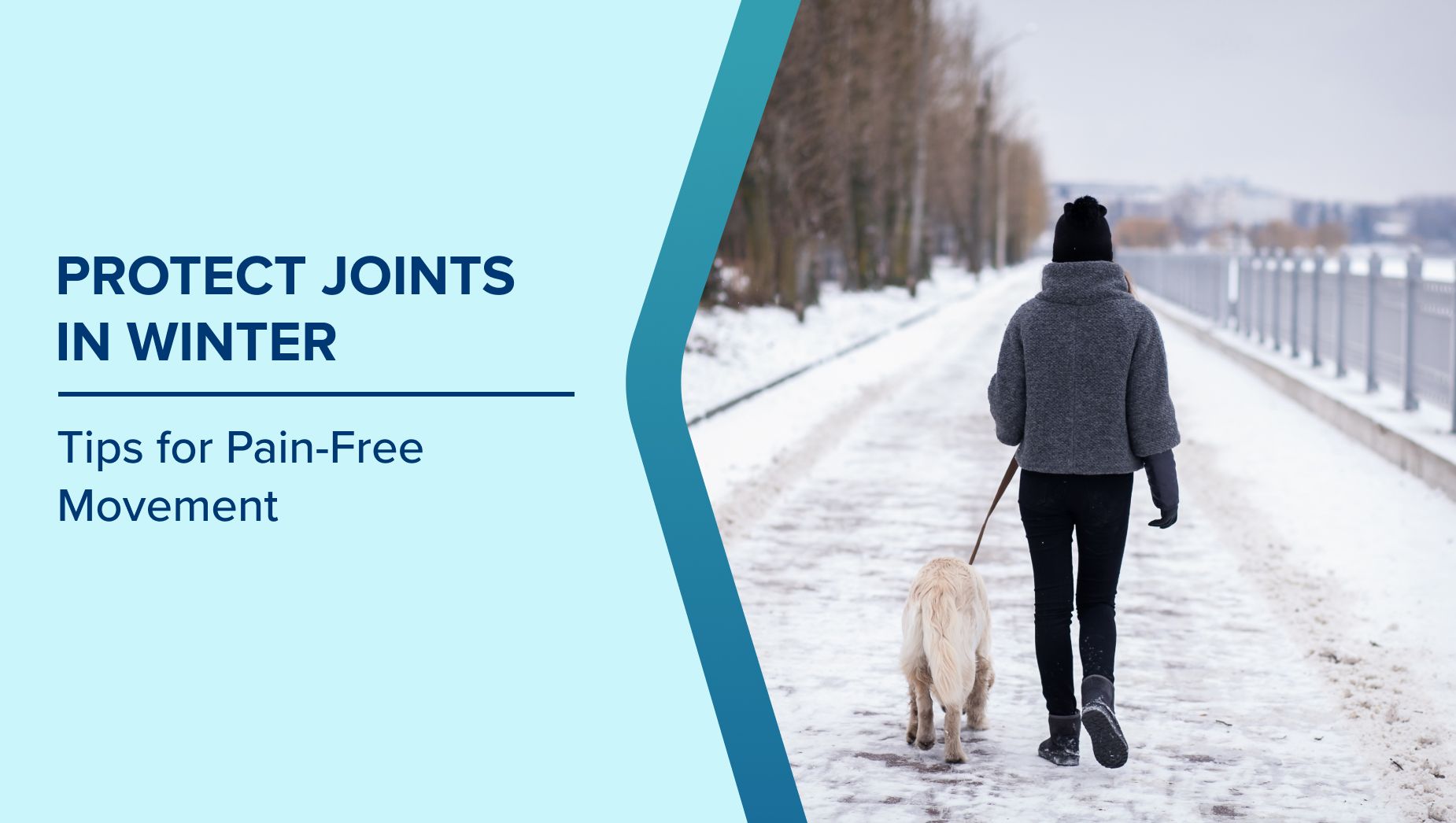
Call Us+91 926 888 0303Protect Joints in Winter: Tips for Pain-Free Movement
By Dr. Deepak Raina in Orthopaedics & Joint Replacement , Arthroscopy & Sports Injury
Jan 05 , 2026 | 6 min read
1

Winter may bring cosy sweaters, warm soups, and festive moods, but for many people, it also brings a familiar ache in the joints. If you notice increased joint pain in winter, you are not alone. Many individuals with arthritis, knee pain, or joint stiffness experience worsening symptoms during the colder months.
The drop in temperature, reduced physical activity, and changes in air pressure can make joints feel tighter, stiffer, and more painful. However, the good news is that winter discomfort doesn’t have to be inevitable. With the right winter joint pain relief strategies, you can keep moving comfortably and protect your joints from the cold.
Why Cold Weather Affects Joint Pain
Cold temperatures can cause muscles and connective tissues to tighten, leading to stiffness and discomfort. People with arthritis pain in cold weather often report more severe aches because the drop in barometric pressure makes tissues expand, increasing pressure around the joints.
Other factors that contribute to joint pain in cold weather include:
- Reduced blood flow: Cold temperatures limit circulation, reducing flexibility.
- Less movement: People tend to stay indoors, which reduces physical activity and exacerbates stiffness.
- Increased inflammation: Temperature changes can exacerbate inflammatory conditions, such as arthritis.
- Weight fluctuations: Comfort foods and inactivity during winter can contribute to weight gain, potentially increasing joint strain.
Common Winter Joint Issues
Joint pain during winter can arise from various causes, but certain conditions are particularly sensitive to cold weather:
Arthritis and Rheumatism
People with arthritis often notice increased stiffness, swelling, and discomfort when the temperature drops. Cold air can cause the joint fluid (synovial fluid) to become thicker, reducing its ability to lubricate joints. This makes movements more painful, especially in weight-bearing joints such as the knees, hips, and ankles.
Knee Pain in Cold Weather
The knees are particularly vulnerable during winter. As circulation slows, the tissues around the knee can tighten, leading to pain when walking or climbing stairs. Those with osteoarthritis often report sharper aches during this season, emphasising the importance of knee pain relief in winter through warmth and gentle movement.
Stiffness and Swelling
Cold weather reduces flexibility and joint elasticity, making everyday movements, like bending or gripping, uncomfortable. This stiffness can worsen in the morning or after long periods of sitting.
Muscle Tightness
Muscles surrounding joints tend to contract in cold conditions to conserve heat, indirectly increasing joint pain and reducing mobility. Stretching and warm-up exercises are crucial to prevent this.
Reduced Range of Motion
Joint stiffness and swelling can restrict motion, making simple tasks difficult. Regular movement and physical therapy help maintain flexibility and joint strength.
Ways to Protect Joints During Winter
Protecting your joints during cold months doesn’t require drastic changes. Consistency and small daily habits can make a big difference. Here are some expert-backed winter tips for joint care:
Stay Warm and Layer Up
Cold can stiffen joints quickly, so dress in warm, layered clothing. Use scarves, gloves, and knee or elbow warmers to protect sensitive joints. Heated pads or warm compresses can also provide relief from morning stiffness.
Keep Moving
It’s natural to feel less motivated to exercise in winter, but inactivity increases stiffness. Gentle, low-impact workouts, such as walking, yoga, swimming, or stationary cycling, help maintain flexibility and joint lubrication. Aim for at least 30 minutes of activity daily.
Maintain a Healthy Weight
Extra weight puts additional stress on joints, especially the knees and hips. Focus on balanced nutrition with whole grains, lean protein, fruits, and vegetables. Maintaining a healthy weight helps reduce joint pain in winter and improves mobility.
Use Warm Compresses Before Activity
Before heading out or beginning your exercise routine, apply a warm compress to your joints. This helps improve blood flow, reduce stiffness, and prepare your muscles for movement.
Eat Anti-Inflammatory Foods
A diet rich in omega-3 fatty acids, vitamin D, and antioxidants supports healthy joints in winter. Include fatty fish like salmon, walnuts, flaxseeds, green leafy vegetables, and berries in your meals. Turmeric and ginger also help reduce inflammation naturally.
Stay Hydrated
Winter air can be dry, and dehydration worsens joint discomfort. Drink plenty of water and herbal teas to maintain adequate joint lubrication. Avoid excessive caffeine and alcohol, which can dehydrate the body.
Use a Humidifier
Indoor heating can dry the air, leading to dehydration and discomfort. Using a humidifier helps maintain optimal moisture levels, preventing the joints from feeling stiff and the muscles from tightening.
Practice Stretching and Strengthening Exercises
Regular stretching improves flexibility, while strength training supports the muscles around joints, reducing pressure on them. Include exercises like leg raises, ankle rolls, or light resistance workouts designed for joint health.
Take Warm Baths
A warm bath can soothe sore joints and relax tense muscles. Add Epsom salt for extra relief, as it helps reduce inflammation and improve circulation.
Get Enough Rest
Your joints need time to recover, especially after physical activity. Ensure you get 7–8 hours of quality sleep each night to allow your body to heal and recharge.
Tips for Arthritis and Knee Pain in Winter
People living with arthritis or chronic knee pain need extra care when the temperature drops. Here’s what experts recommend for arthritis pain in cold weather:
- Avoid sudden temperature changes. Keep your home consistently warm to prevent flare-ups.
- Wear joint supports. Braces and compression sleeves help retain heat and stabilise joints.
- Stay active indoors. Even gentle household activities like cleaning or stretching can improve joint mobility.
- Don’t skip medication. Continue prescribed arthritis medication and check with your doctor for any adjustments during winter.
- Get sunlight. Vitamin D deficiency worsens joint pain. Try to spend at least 15–20 minutes outdoors in daylight.
When to See a Doctor
While mild joint discomfort is common during winter, certain signs should not be ignored. Consult a doctor if you experience:
- Persistent or worsening pain that interferes with daily life
- Swelling or redness around the joint
- Difficulty moving or stiffness lasting more than a few days
- Pain accompanied by fever or unexplained weight loss
- Sharp pain after an injury or sudden movement
Conclusion
Joint pain in winter is common, but it doesn’t have to control your life. By staying active, maintaining a balanced diet, dressing warmly, and practising daily self-care, you can prevent stiffness and protect your joints from the cold.
Small steps like warming up before activity, using heating pads, and focusing on nutrition go a long way in ensuring comfort and flexibility. Remember, if your pain persists or worsens, consult a specialist to rule out any underlying joint condition.
Your joints are the foundation of movement. Take care of them this winter for a more active, pain-free life.
Frequently Asked Questions
Why does cold weather make arthritis worse?
Cold temperatures reduce blood flow and cause muscles to contract, which increases stiffness and joint pain. Changes in air pressure can also make tissues expand, worsening discomfort in people with arthritis.
Are certain foods better for joint health in winter?
Yes, foods rich in omega-3 fatty acids, calcium, vitamin D, and antioxidants, such as fish, nuts, spinach, and citrus fruits, help reduce inflammation and promote strong, flexible joints.
Can I exercise with joint pain during winter?
Yes, but choose low-impact exercises like yoga, swimming, or walking indoors. Always warm up before starting and avoid strenuous activity that causes pain or strain.
How can I protect my knees during winter?
Keep them warm using braces or knee warmers, maintain a healthy weight, and strengthen leg muscles through light exercises. Avoid sitting for long periods and stretch regularly to prevent stiffness.
Does winter humidity affect joint pain?
Yes, cold and dry air can make joints feel stiff and uncomfortable. Using a humidifier indoors helps maintain moisture levels and prevents excessive dryness that can aggravate joint pain.
Written and Verified by:

Related Blogs


Dr. Ashish Jain In Orthopaedics & Joint Replacement
Nov 07 , 2020 | 1 min read
Blogs by Doctor


Most read Blogs


Related Blogs
Dr. Ashish Jain In Orthopaedics & Joint Replacement
Nov 07 , 2020 | 1 min read
Blogs by Doctor
Most read Blogs